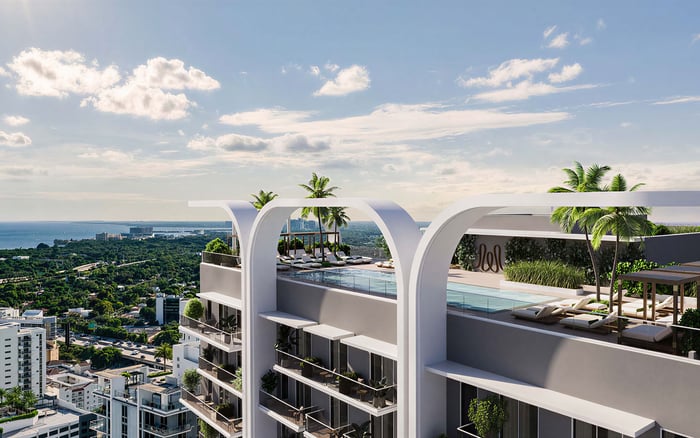
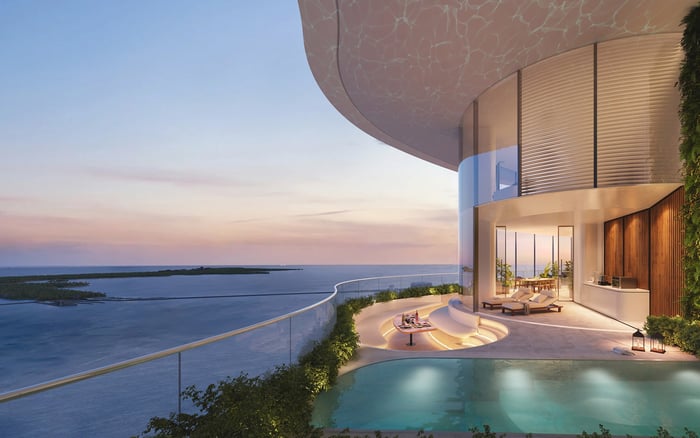
South Florida luxury buyers are beginning to judge balconies less by size alone and more by usable shade, exposure, privacy, and daily comfort.
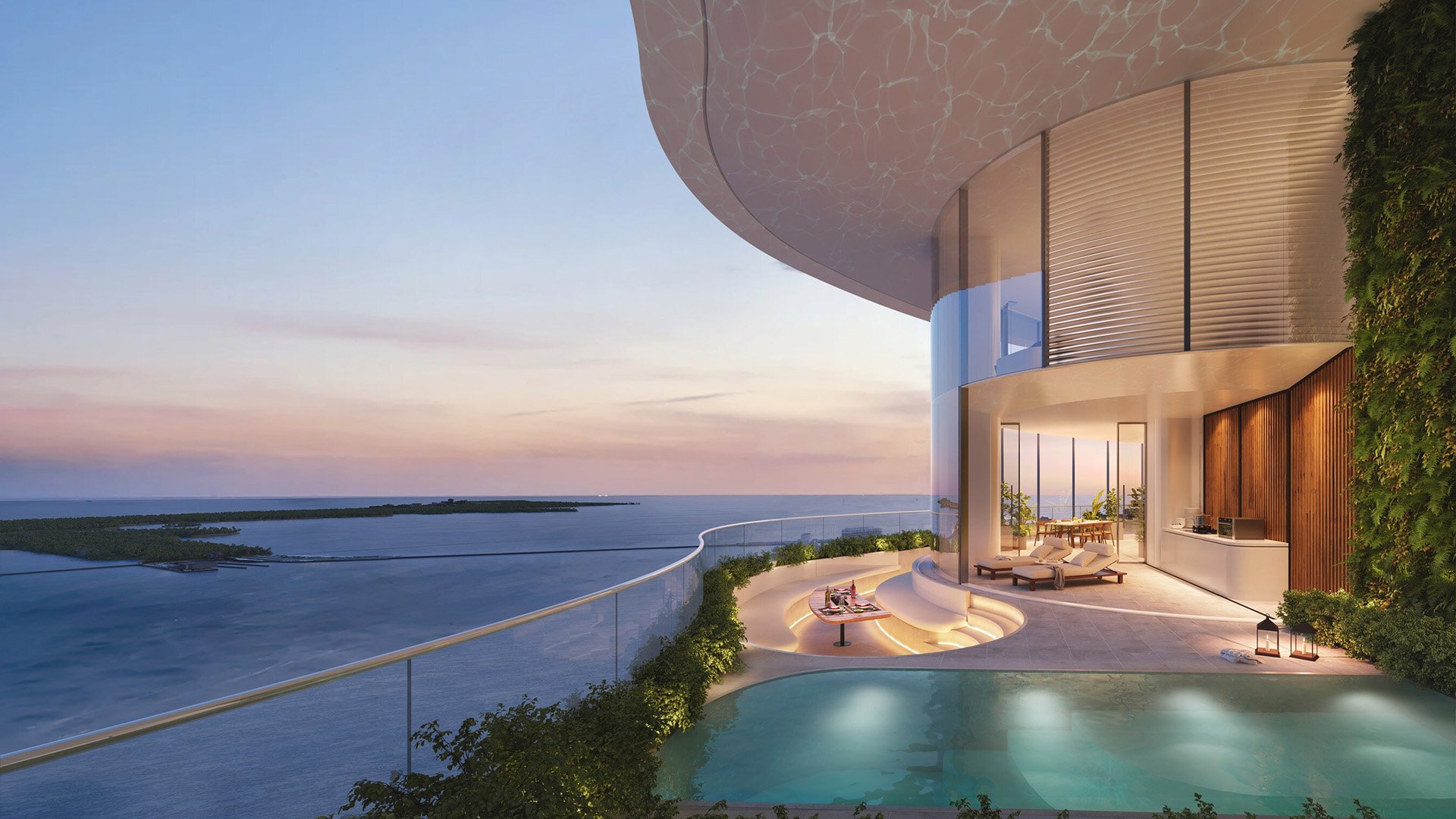
For years, South Florida buyers have been trained to ask familiar questions about outdoor space: How deep is the balcony, how wide is the view, and can the doors open fully enough to make the living room feel larger? Those questions still matter. But as buyers prepare for 2026 searches, a quieter filter is moving higher in the conversation: how much of that outdoor space can actually be used in comfort.
Balcony shade is not a decorative afterthought. It shapes the daily rhythm of a residence, from morning coffee to evening cocktails, from remote work outside to a shaded reading chair that does not require rearranging the entire terrace. In the ultra-premium market, where buyers expect beauty to perform, shade has become a marker of design intelligence.
This is especially relevant in South Florida, where outdoor living is central to the purchase. A spectacular view can be compromised if the space feels exposed at the wrong hour. A generous balcony can feel smaller if only a narrow portion is comfortable. The most sophisticated buyers are no longer satisfied with a floor plan that simply labels exterior square footage. They want to understand how that space lives.
The shift is practical, not cosmetic. Buyers are thinking beyond the first showing and imagining the residence in daily use. They are asking whether the balcony can support breakfast without glare, whether furnishings can be positioned naturally, and whether the transition between interior and exterior living feels effortless.
Shade also helps define privacy. A balcony with architectural cover can feel more composed than one fully exposed to neighboring sightlines. It can create the sense of an outdoor room rather than a ledge. In the luxury segment, that distinction matters because buyers are purchasing atmosphere as much as space.
There is also a design reason. Shaded areas allow for richer materials, more flexible seating arrangements, and a calmer visual experience. A terrace that can hold a dining table, lounge chair, and planted edge without feeling harsh becomes an extension of the residence, not a seasonal accessory.
A buyer’s first impression may still be the view, but the second reading is increasingly about exposure. Morning light, afternoon intensity, reflection, nearby buildings, overhangs, and balcony depth all shape the experience. Even two residences with similar views can feel dramatically different depending on how the outdoor space is protected.
This is why buyers are spending more time on the balcony during showings. They are not only looking outward. They are looking up, across, and back into the residence. They are asking how the space behaves when doors are open, whether the main seating zone has natural cover, and whether shade aligns with the rooms they use most.
In practical buyer language, the search is becoming more exact: balcony is no longer a generic amenity, terrace suggests scale and furnishing potential, water views must be balanced with comfort, Miami Beach often implies coastal exposure, Brickell suggests vertical urban living, and Sunny Isles brings the high-rise beachfront question into sharper focus.
Not every balcony is outdoor living. Outdoor living requires a sense of duration. Can someone sit there for longer than a few minutes? Can the space host a quiet lunch, a call, or an evening with guests? Can it be furnished in a way that feels intentional rather than improvised?
Shade helps answer those questions. It gives the balcony a center of gravity. It allows the buyer to picture specific moments rather than abstract square footage. A shaded dining zone can feel like a room. A protected corner can become a private retreat. A deep overhang can make the interior feel cooler in mood, even when the doors are open and the residence is full of light.
This is where luxury buyers tend to be most discerning. They may admire dramatic architecture, but they ultimately reward residences that understand daily behavior. The best balcony is not always the largest one. It is the one that turns a view into a place.
A strong balcony assessment begins before the buyer steps outside. From the living room, look at how the exterior space frames the view. If the balcony is visually integrated, it should feel like part of the main room rather than an appended strip. Then step outside and notice where you naturally want to stand or sit. That instinct often reveals the usable zone.
Look for architectural shade first. Overhangs, recessed terraces, and the building’s own form can provide a more seamless experience than add-on solutions. Then consider proportion. A narrow balcony may still work beautifully if it is protected and well aligned with the interior. A larger terrace may underperform if the most comfortable area is difficult to furnish.
Buyers should also consider how the balcony supports their personal rhythm. Someone who entertains may value a protected dining area. A second-home buyer may want a quiet shaded lounge that feels ready the moment they arrive. A full-time resident may care about consistent usability across different parts of the day.
Resale appeal in South Florida often depends on how quickly a buyer understands the lifestyle proposition. A shaded balcony is easy to comprehend because it is experienced immediately. During a showing, the buyer either feels comfortable lingering outside or they do not.
As more buyers become fluent in evaluating exposure, balcony shade may influence how residences are compared within the same building or neighborhood. Two homes can share a similar view category, yet the one with more usable outdoor space may feel more complete. In a market where subtle differences carry weight, shade can become part of the premium language.
This does not mean every buyer wants the same exposure or the same level of cover. Some prefer open sky, full sun, or a more dramatic visual effect. But for many 2026 searches, the question is no longer whether the residence has outdoor space. It is whether that outdoor space earns its place in the daily life of the home.
Why is balcony shade becoming more important to South Florida buyers? Buyers are focusing on how outdoor space feels in daily use, not just how it appears on a floor plan. Shade can make a balcony more comfortable, private, and functional.
Is a shaded balcony always better than an open balcony? Not always. Some buyers prefer open sky or stronger sun, but many luxury buyers value a balance between view, light, and protected comfort.
Should buyers prioritize balcony depth or shade? Both matter. Depth supports furnishing, while shade determines how often the space may feel comfortable enough to use.
How can I judge shade during a showing? Spend time outside and observe where you naturally want to sit. Look at overhangs, neighboring structures, and how the balcony connects to the interior rooms.
Does balcony orientation matter? Yes. Orientation can affect the character of light and comfort throughout the day. Buyers should evaluate the balcony in relation to their preferred daily routine.
Can a smaller shaded balcony outperform a larger exposed one? It can, depending on lifestyle. A smaller balcony that feels calm, protected, and easy to furnish may be more usable than a larger exposed space.
Is shade more relevant for waterfront residences? It can be especially relevant when the view is a major part of the purchase. The goal is to enjoy the view without sacrificing comfort.
Should investors care about balcony shade? Investors should consider it because future buyers and renters may compare outdoor spaces by usability. A comfortable balcony can strengthen the lifestyle impression.
Can furniture or umbrellas solve a lack of shade? They may help, but architectural shade often feels more integrated. Buyers should consider whether any added solution fits the building and design intent.
What is the best way to shortlist comparable options for touring? Start with location fit, delivery status, and daily lifestyle priorities, then compare stacks and elevations to validate views and privacy.
To compare the best-fit options with clarity, connect with MILLION.
If branded residences are on your mind — as a home or as an allocation — we would be glad to share what we are seeing, privately.
Begin a quiet conversation