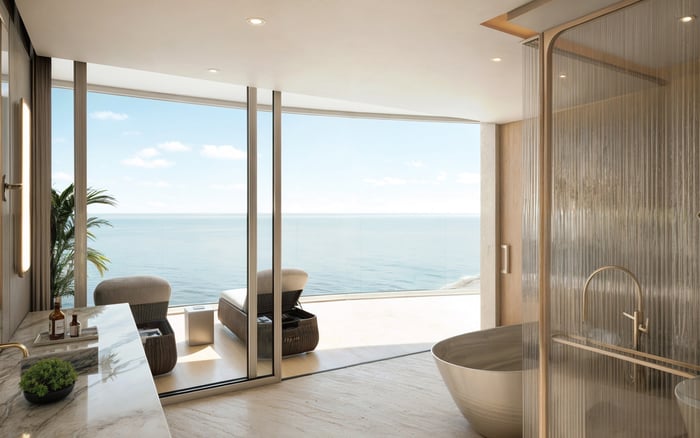
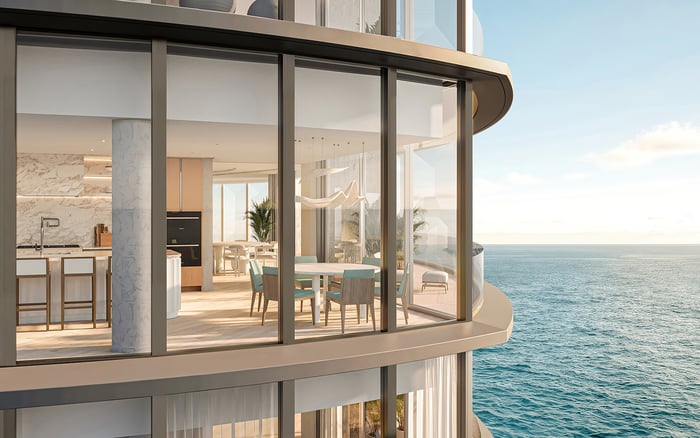
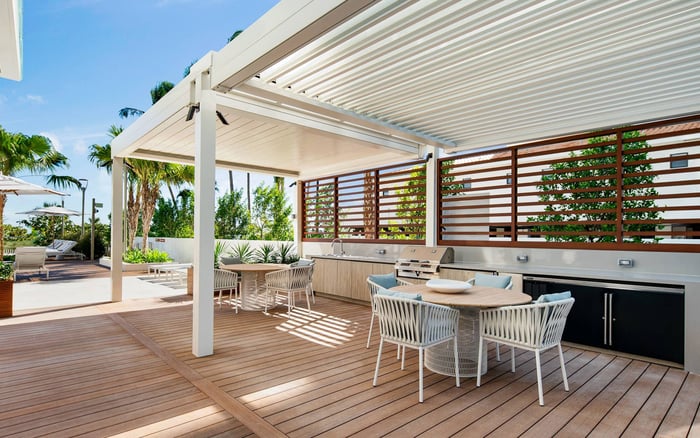
A practical buyer’s guide to comparing The Ritz-Carlton Residences® South Beach and Rivage Bal Harbour through terrace usability, outdoor-kitchen diligence, association rules, and South Florida weather exposure rather than brand perception alone.
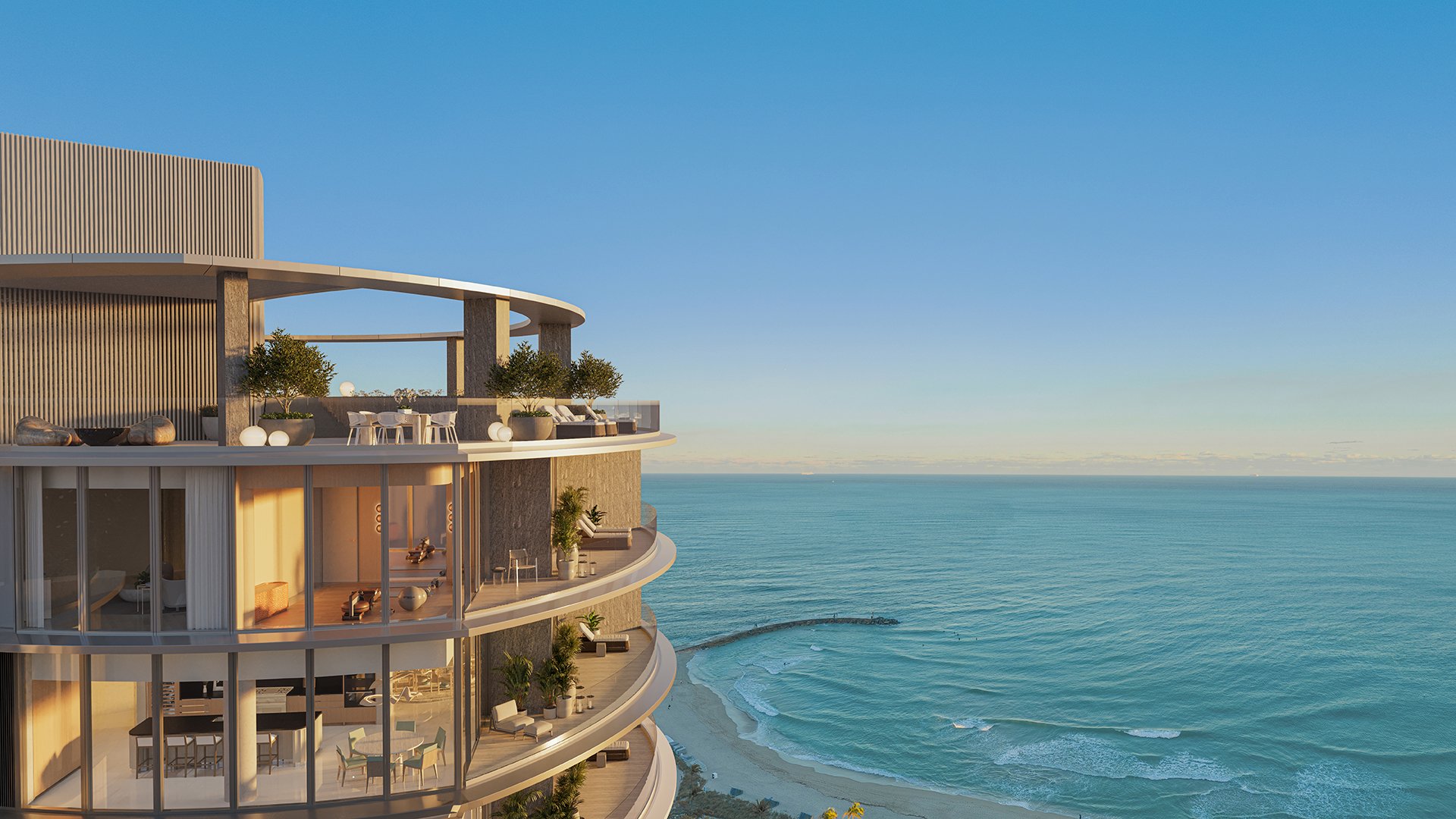
For a South Florida buyer weighing The Ritz-Carlton Residences® South Beach against Rivage Bal Harbour, brand gravity can easily dominate the conversation. That is understandable. Both names occupy rarefied territory, in markets where architecture, service expectations, privacy, and coastal living are central to value. Yet for a buyer who expects to use outdoor space every day, the sharper comparison is quieter and more technical.
The practical question is not simply whether South Beach or Bal Harbour feels more compelling. It is whether the terrace supports the way the owner actually lives. Morning coffee, shaded reading, evening dining, discreet entertaining, planters, lounge furniture, outdoor appliances, and hurricane-season preparation all depend on rules and specifications that are easy to miss during a polished presentation.
Search labels such as Miami Beach and Bal Harbour may frame the geography, but they should not replace due diligence. The decision should move from branding to permissions, from renderings to documents, and from lifestyle imagery to long-term durability.
A balcony can look generous in marketing language and still carry limits that shape daily life. For The Ritz-Carlton Residences® South Beach, buyers should confirm actual balcony-use permissions in condominium and offering documents before relying on broad descriptions. The same discipline applies at Rivage Bal Harbour. The name on the building does not answer whether outdoor cooking, appliances, furniture, planters, heaters, shades, decorative objects, or other terrace elements are restricted by association rules.
This is where luxury becomes practical. If a buyer imagines a terrace as a true outdoor room, the permitted use of that space matters as much as its dimensions. A table may be allowed, while a particular appliance may not be. Planters may be acceptable within specified limits, while wind screens, shades, or fixed décor may require review or may not be permitted at all. The key is to avoid assuming that a beautiful private outdoor area automatically allows every form of outdoor living.
A disciplined review should ask three questions. What is expressly permitted? What is expressly prohibited? What requires prior approval? Those answers may affect not only enjoyment, but also furnishing budgets, maintenance expectations, and resale positioning.
Outdoor kitchens can be seductive because they photograph as lifestyle. In South Florida, they should also be read as building systems. At The Ritz-Carlton Residences® South Beach, any outdoor-kitchen concept should be assessed for appliance support, maintenance access, utility logic, weather exposure, and rule compliance. At Rivage Bal Harbour, the same analysis applies.
The distinction is important. A terrace cooking zone is not merely a place to prepare dinner. It is a collection of materials, connections, ventilation considerations, appliance tolerances, service access, and ongoing care obligations. Salt air is not decorative. Heat is not occasional. Rain can arrive quickly, and wind can turn light furnishings or accessories into practical concerns.
Buyers should confirm whether outdoor cooking is allowed, what types of appliances may be installed or used, who is responsible for servicing them, and whether any modifications require association approval. They should also ask how maintenance access is handled, especially if appliances are integrated into built-in cabinetry or fixed exterior elements. The most elegant outdoor kitchen is the one that remains usable, compliant, and serviceable after the novelty has faded.
A terrace in South Florida has to perform against four persistent forces: wind, rain, salt exposure, and heat. These are not abstract environmental conditions. They determine whether a terrace is comfortable at lunch, pleasant at sunset, usable after a storm, and maintainable over years of ownership.
For The Ritz-Carlton Residences® South Beach, terrace livability should be tested against those conditions rather than inferred from the brand. For Rivage Bal Harbour, the same standard should apply. A buyer should consider how exposed the outdoor area feels, whether furniture must be moved frequently, how surfaces may weather, and whether shade is practical or restricted. The experience of outdoor space is often seasonal, directional, and specific to the residence.
This is also where buyers should be wary of visual comparison alone. A terrace that appears more dramatic may be more exposed. A terrace that seems more contained may offer greater day-to-day comfort. A larger outdoor area may not be the more usable one if rules, wind, or heat limit how often it can function as a living space.
The Ritz-Carlton Residences® South Beach belongs in this decision set as the South Beach option. Rivage Bal Harbour belongs in it as the Bal Harbour option. Each should be evaluated through the same buyer lens: not which name is more recognizable, but which building’s terrace rules and specifications better support actual living.
For one buyer, that may mean prioritizing the residence where furnishings, planters, and shade strategies align with a relaxed daily routine. For another, it may mean choosing the property where outdoor cooking is clearer, easier to maintain, or more consistent with association expectations. For a third, it may mean choosing the terrace that feels less exposed, even if the marketing imagery elsewhere appears more theatrical.
Branding may influence service expectations and emotional resonance, but it should not blur the legal and physical reality of exterior space. The strongest buyer file will include condominium documents, offering materials, association rules, appliance and maintenance questions, and a weather-aware review of how the terrace is likely to be used.
Before choosing between these two residences, a buyer should request the documents that control balcony and terrace use, then review them with counsel and the project team. Ask whether outdoor cooking is allowed, and if so, which methods and appliances are permitted. Ask whether freestanding and built-in items are treated differently. Ask whether furniture, planters, heaters, shades, screens, art, lighting, or decorative objects require approval.
Then move from rules to resilience. What materials are intended for salt-air exposure? How are appliances accessed for maintenance? How does rain drain from the terrace? What can remain outside during heavy weather? What must be stored? Which items are owner responsibility, and which are covered by building systems or association protocols?
The decision between these properties becomes clearer when the terrace is understood as a regulated, engineered, weather-facing extension of the residence. That is a more precise way to buy than choosing by name alone.
Should I choose The Ritz-Carlton Residences® South Beach or Rivage Bal Harbour based on brand? Brand may matter emotionally, but terrace rules, permissions, outdoor-kitchen feasibility, and weather tolerance should carry significant weight.
Are balcony rules usually found in marketing materials? Marketing can describe the lifestyle, but actual balcony-use permissions should be confirmed in condominium, offering, and association documents.
Can I assume outdoor cooking is allowed if a terrace looks suitable? No. Buyers should verify whether outdoor cooking is permitted, what appliances are allowed, and whether approvals are required.
Why does maintenance access matter for an outdoor kitchen? Outdoor appliances need service over time, and difficult access can make a beautiful installation less practical.
What terrace items should buyers ask about specifically? Ask about appliances, furniture, planters, heaters, shades, screens, lighting, décor, and any fixed or movable exterior elements.
Does a larger terrace always mean a better terrace? Not necessarily. Rules, wind exposure, shade, heat, rain, and usability can matter more than size alone.
How should South Florida weather affect the decision? Wind, rain, salt exposure, and heat can influence comfort, furnishing choices, maintenance, and how often the terrace is used.
Is Rivage Bal Harbour automatically more private because it is in Bal Harbour? Privacy should be evaluated through the specific residence, building rules, exposure, and outdoor configuration rather than assumed by location.
Is The Ritz-Carlton Residences® South Beach mainly a lifestyle choice? It may be a lifestyle choice, but buyers should still treat terrace use and outdoor systems as practical due-diligence items.
What is the cleanest way to compare the two? Review each property through the same checklist: permissions, outdoor-kitchen support, maintenance access, weather exposure, and daily usability.
For a tailored shortlist and next-step guidance, connect with MILLION.
If branded residences are on your mind — as a home or as an allocation — we would be glad to share what we are seeing, privately.
Begin a quiet conversation