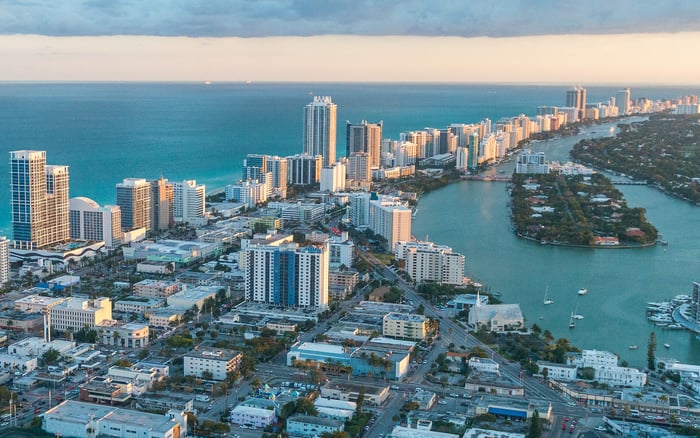
A discreet cross-border primer for Canadian snowbirds considering a South Florida second home, from residency day counts and rental reporting to Florida property taxes, sale withholding, and estate exposure.
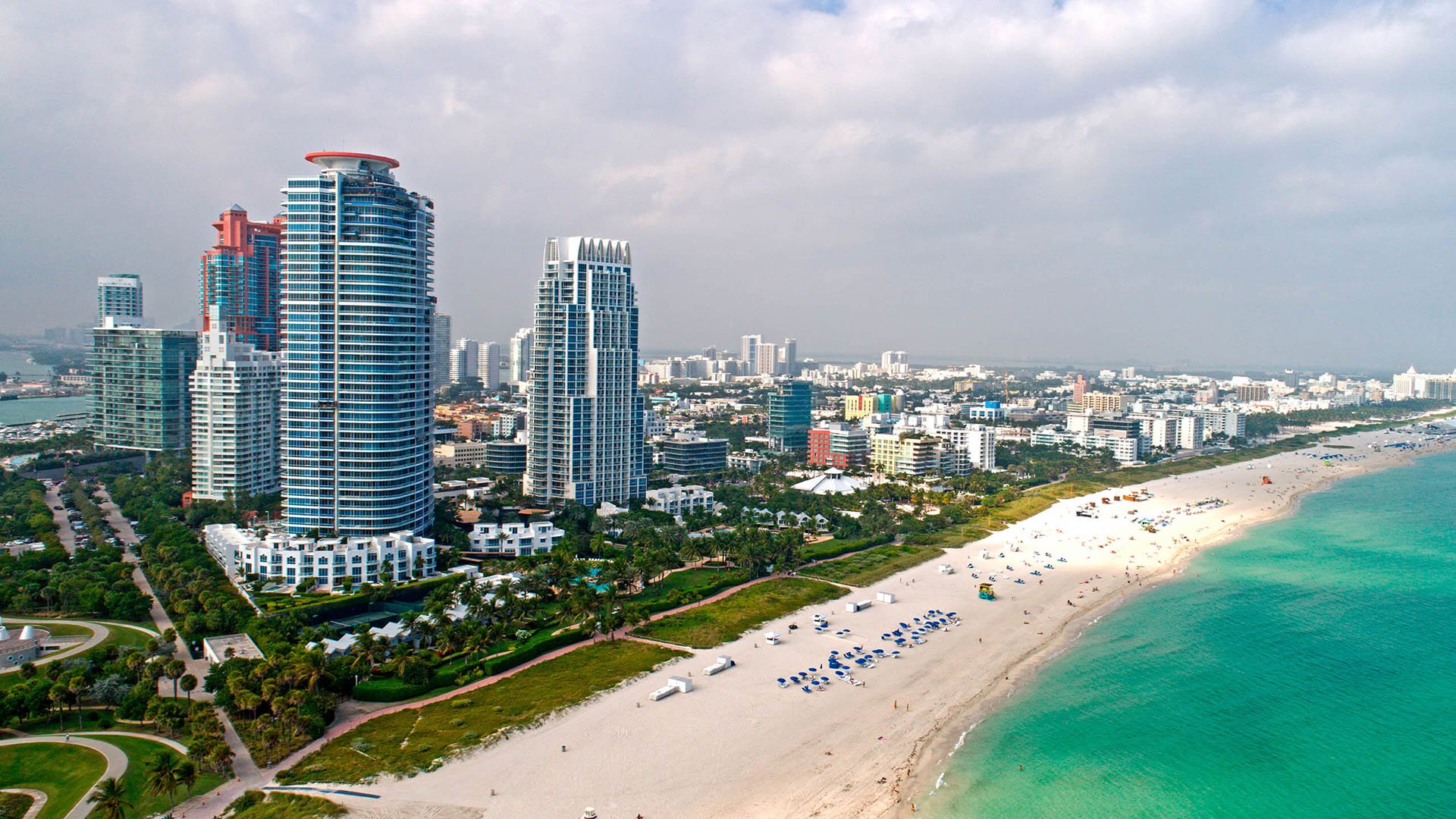
For many Canadian buyers, South Florida is not a speculative detour. It is a seasonal ritual, a family base, and a warmer expression of wealth preservation. A residence in Miami Beach, Brickell, Sunny Isles Beach, West Palm Beach, Boca Raton, or Fort Lauderdale can feel refreshingly straightforward compared with winter travel planning. The tax picture is less simple.
Second-home ownership crosses two systems at once. Florida does not impose a state personal income tax, which is one reason the region remains attractive to global buyers. Yet that does not eliminate U.S. federal income-tax questions, Canadian reporting, FIRPTA sale withholding, possible U.S. estate-tax exposure, or local Florida property-tax rules. For a Canadian snowbird, the most elegant purchase is one structured before the contract is signed, not repaired after the first tax season.
A common mistake is treating tax residency as a calendar exercise alone. Canadian tax residency depends heavily on residential ties, including whether the buyer keeps a home, spouse, or dependants in Canada. A Canadian who spends winters in South Florida may still remain a Canadian tax resident if those ties remain substantial.
That matters because Canadian residents generally report worldwide income. If the Florida residence is rented, even occasionally, the rental income may have to be reported in Canada. If the property is later sold while the owner remains a Canadian tax resident, the gain may also create Canadian capital-gains exposure.
The principal-residence rules require particular care. A property outside Canada can, in some circumstances, be designated as a principal residence. But using that designation for a Florida home can affect the exemption available for a Canadian home. In practice, the decision is less about affection for one address than about modeling gains across an entire family balance sheet.
The U.S. Substantial Presence Test is where many careful owners are caught by arithmetic. It can treat a Canadian snowbird as a U.S. tax resident if the person is present for at least 31 days in the current year and reaches 183 days under a weighted three-year formula. The formula counts all current-year U.S. days, one-third of the prior year’s days, and one-sixth of the second-prior year’s days.
This is why an apparently conservative season can still matter when repeated annually. Buyers considering a lock-and-leave apartment at The Perigon Miami Beach or a more urban winter base at St. Regis® Residences Brickell should track travel days with the same discipline they bring to closing statements.
Some Canadians who meet the weighted test may still be able to claim a closer-connection exception if they are in the U.S. for fewer than 183 days in the current year and maintain closer ties to Canada. Form 8840 is used by certain nonresidents to claim that position. In dual-residency situations, the Canada-U.S. tax treaty becomes central in determining which country has primary taxing rights in specific circumstances.
Many snowbirds begin with pure personal use and later consider seasonal renting. That shift can be material. A Canadian resident may need to file Form T1135 if the total cost of specified foreign property exceeds CAD $100,000, although personal-use property is generally excluded. Rental or investment use can affect the analysis.
On the U.S. side, nonresident owners of U.S. real property rental income may be taxed on gross rents unless they elect to treat the income as effectively connected with a U.S. trade or business. That election can change how expenses are handled, so the decision should be modeled rather than assumed.
This is especially relevant for buyers comparing a personal retreat with an investment posture. A residence at Bentley Residences Sunny Isles may be acquired for family use, while another buyer may evaluate a West Palm Beach property such as Alba West Palm Beach with a future rental strategy in mind. The tax treatment follows the actual use, not the marketing language.
Florida property taxes are administered locally by county property appraisers, tax collectors, and value adjustment boards, with state oversight. For a seasonal Canadian owner, the key point is that property-tax benefits tied to homestead status generally require the Florida property to be the owner’s permanent residence.
That means a typical snowbird using a South Florida home seasonally may not qualify for the homestead exemption. The Save Our Homes assessment limitation also applies to homesteaded property and generally caps annual assessment increases at the lesser of 3% or the change in the Consumer Price Index. Buyers should not underwrite a seasonal home as though homestead protections will automatically apply.
Documentary stamp tax also belongs in the closing-cost conversation because it applies to documents transferring an interest in Florida real property. It is not usually the largest planning issue for ultra-premium buyers, but it is part of the transaction architecture.
Exit planning should begin at acquisition. If a Canadian sells U.S. real estate, FIRPTA generally requires the buyer to withhold U.S. tax from the amount realized unless an exception applies. The withholding is not the same thing as the final tax liability, but it can affect liquidity and closing mechanics.
Estate planning is equally important. U.S. estate-tax exposure can apply to nonresident noncitizens who die owning U.S.-situated assets, including U.S. real estate. For high-value South Florida properties, this issue can exist even if the owner never becomes a U.S. income-tax resident.
Second-home planning is therefore more than a question of lifestyle. It is ownership structure, family governance, travel discipline, insurance, liquidity, and eventual disposition. A tax adviser in Canada and a U.S. adviser should review the same facts at the same time, particularly before a buyer claims Florida permanence, rents the home, gifts an interest, or changes ownership entities.
Does buying in Florida automatically change Canadian tax residency? No. Canadian tax residency depends heavily on residential ties, including a home, spouse, or dependants in Canada.
Can a Canadian snowbird become a U.S. tax resident by staying too long? Yes. The U.S. Substantial Presence Test uses a 31-day current-year threshold and a weighted three-year count.
What is the closer-connection exception? It may allow certain Canadians to remain nonresidents for U.S. tax purposes if they spend fewer than 183 days in the U.S. in the current year and maintain closer ties to Canada.
What is Form 8840 used for? Certain nonresidents use Form 8840 to claim the closer-connection exception to the Substantial Presence Test.
Does Canada tax rental income from a South Florida condo? Canadian residents generally report worldwide income, which can include foreign rental income from a Florida property.
Does a personal-use Florida home always require Form T1135? Not necessarily. Personal-use property is generally excluded, but specified foreign property over CAD $100,000 can trigger filing requirements.
Can a Florida home be a Canadian principal residence? It can be possible, but designating it may reduce or affect the exemption available for a Canadian home.
Do snowbirds usually qualify for Florida homestead benefits? Seasonal use alone typically is not enough because homestead benefits are tied to permanent residence.
What is FIRPTA withholding? It generally requires withholding when a foreign owner sells U.S. real estate unless an exception applies.
Can U.S. estate tax apply even without U.S. income-tax residency? Yes. Nonresident noncitizens can face U.S. estate-tax exposure on U.S.-situated assets, including real estate.
For a discreet conversation and a curated building-by-building shortlist, connect with MILLION.
If branded residences are on your mind — as a home or as an allocation — we would be glad to share what we are seeing, privately.
Begin a quiet conversation