A discreet, practical guide for empty nesters considering Florida domicile before purchasing a primary residence in South Florida, with focus on tax posture, homestead, estate planning, former-state ties, and condo due diligence.
For empty nesters, buying in South Florida often begins with a feeling: a terrace facing Biscayne Bay, dinner within walking distance, grandchildren arriving during school breaks, and a calendar no longer organized around the office. Yet Florida domicile is not created by sentiment alone. It is the legal home a person intends to make permanent. A person may own or use more than one residence, but for state tax purposes, there is only one domicile.
That distinction matters for affluent buyers weighing a South Florida purchase against long-standing ties elsewhere. Florida does not impose a personal income tax, and Florida does not currently collect a separate state estate tax for deaths occurring on or after January 1, 2005. Those facts explain part of the appeal. They do not, by themselves, complete the transition.
The more sophisticated approach is to treat domicile as a coordinated legal, tax, estate-planning and lifestyle decision. The purchase contract, closing date, title structure, homestead application, driver license, voter registration, mailing address, club memberships, business involvement and time records should all tell the same story.
The strongest domicile plan begins before the keys are in hand. Florida allows a declaration of domicile to be filed in the public records of the county where the person resides. It is a sworn statement of Florida permanent residence and can be useful as one element in a larger record. It should not be mistaken for a single-document solution.
Florida property appraisers can consider multiple facts when evaluating permanent residence for homestead purposes, including voter registration, driver license, vehicle registration, mailing address, prior-state residency benefits and where dependents attend school. For most empty nesters, the dependent-school factor may be less relevant, but the broader point remains: official life should be reorganized around Florida with care and consistency.
New residents should update driver license and vehicle documents, and registering to vote in Florida is a common domicile-supporting step. Buyers should also consider where their physicians, financial advisors, philanthropy, club life and treasured personal items are centered. Former-state connections are not prohibited, but they should be understood as potential evidence if another state questions the move.
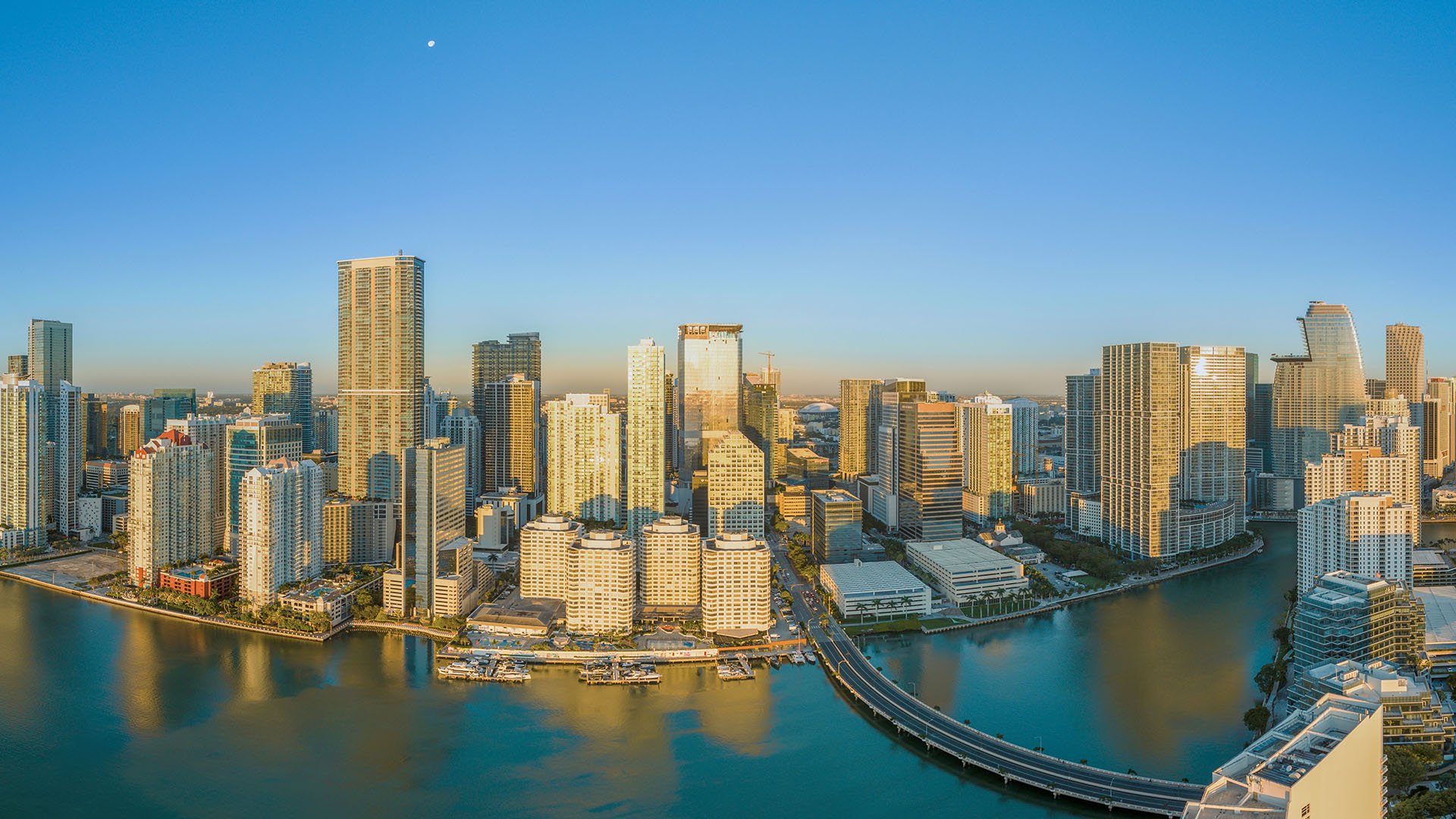
For the MILLION Buyer's Guides audience, the most elegant transition is also the most disciplined one. A buyer choosing a Brickell primary residence such as The Residences at 1428 Brickell should ask not only whether the building suits daily life, but whether the surrounding paperwork supports a permanent Florida story.
Florida homestead eligibility depends on legal or equitable title and good-faith permanent residence in the home as of January 1 of the tax year. Applications are generally due by March 1. For buyers closing late in the year, that timing can be crucial if they want the exemption for the current tax year.
The homestead exemption can reduce taxable value by up to $50,000, with the second $25,000 applying to non-school taxes. More important for many luxury owners is the Save Our Homes assessment cap, which generally limits annual increases in assessed value on homestead property to the lesser of 3 percent or the percentage change in the Consumer Price Index.
For Florida homeowners moving from one Florida homestead to another, portability can allow some accumulated assessment benefit to transfer to a new homestead, subject to statutory limits and deadlines. This is particularly relevant for empty nesters leaving a larger Florida residence for a more lock-and-leave waterfront condominium.
Homestead is not merely a tax line item. Renting a Florida homestead can jeopardize homestead tax status if the rental is treated as abandonment, with limited exceptions. A buyer planning seasonal travel should distinguish between occasional absence and rental use that undermines the permanent-residence position.
The higher the income profile, the more carefully domicile should be documented. Former New York residents should be especially attentive because New York taxes residents on income from all sources, while nonresidents are taxed only on New York-source income. A failed domicile change can therefore be expensive.
Audits often examine more than day count. Relevant evidence can include the comparative use of homes, active business involvement, where time is spent, where cherished personal items are kept, and family connections. A South Florida purchase should be accompanied by a deliberate reduction in the old-state footprint where appropriate.
This does not mean empty nesters must abandon family, culture or business relationships elsewhere. It means their records should be coherent. Calendars, travel logs, card charges, medical appointments, charitable boards, family events and household management can all tell a story. The goal is not to manufacture a life; it is to make the legal record match the real one.
Florida homestead can provide meaningful creditor protection. The state constitution generally shields qualifying homestead property from forced sale, except for taxes, purchase or improvement obligations, and labor performed on the property. Acreage limits apply: up to one-half acre within a municipality and up to 160 acres outside a municipality.
Florida also provides creditor protections for certain retirement assets, including tax-qualified plans and specified individual retirement accounts. For affluent empty nesters, these protections should be reviewed alongside balance-sheet structure, prenuptial or postnuptial agreements, trust planning and ownership choices.
Homestead also has estate-planning restrictions. Florida restricts the devise of homestead property when the owner is survived by a spouse or minor child. If a homestead owner dies leaving a spouse and descendants, the surviving spouse may receive a life estate with remainder to descendants or may elect an undivided one-half interest as tenant in common. These rules can surprise buyers who assume a will or trust automatically controls every outcome.
Before selecting a primary Florida residence, estate counsel should review title, spousal rights, trust provisions and succession objectives. A polished closing is not enough if the ownership structure conflicts with the family plan.
Many empty nesters prefer the convenience of a managed condominium: security, services, views, amenities and the ability to travel without maintaining a large estate. But a condominium intended as a permanent home deserves deeper review than a casual second-home purchase.
For certain three-story-or-higher condominium and cooperative buildings, Florida law requires milestone inspections at specified building-age intervals. Buyers should also review association insurance, reserves, special assessments, structural inspection materials and building governance. These issues matter not only for cost, but for long-term livability.
Flood exposure should also be checked before closing through the federal flood mapping process by address. South Florida buyers may love proximity to water, but insurance, lender requirements and storm planning are part of ownership. In Miami Beach, a buyer considering Shore Club Private Collections Miami Beach or another coastal residence should make due diligence feel as natural as a design consultation.
The same lens applies up the coast. West Palm Beach buyers comparing Alba West Palm Beach with other urban waterfront options should ask how the residence will function year-round. In Boca Raton, buyers looking at Alina Residences Boca Raton may be thinking as much about daily routine, healthcare access and family visits as about architecture.
Florida domicile works best when legal, financial and personal choices are aligned. The right South Florida home should support the life the buyer intends to live: morning walks, cultural access, family hospitality, medical continuity, privacy, security and a tax posture reviewed by qualified advisors.
Investment planning, lifestyle planning and estate planning should not sit in separate files. For empty nesters, the residence often becomes the center of a newly simplified life. The fewer contradictions between documents and behavior, the more confident the transition tends to feel.
Can I have homes in two states and still be domiciled in Florida? Yes. You can have more than one residence, but only one domicile for state tax purposes.
Does buying a South Florida condo automatically make me a Florida domiciliary? No. Ownership helps establish a residential base, but domicile depends on intent and supporting facts.
Why is Florida domicile attractive for high-income retirees? Florida does not impose a personal income tax and does not currently collect a separate state estate tax.
What is a Florida declaration of domicile? It is a sworn statement of Florida permanent residence that may be filed in county public records.
When does Florida homestead eligibility matter? The owner generally needs title and good-faith permanent residence as of January 1 of the tax year.
When is the homestead exemption application generally due? It is generally due by March 1, so closing and move timing can matter.
Can renting my Florida homestead create problems? Yes. Rental use can jeopardize homestead tax status if it is treated as abandonment.
What should former New York residents watch closely? They should document the domicile change carefully because resident and nonresident tax treatment differs.
Do Florida homestead rules affect estate planning? Yes. Spousal and minor-child rules can restrict how homestead property is devised.
Should condo buyers review building and flood issues before relying on Florida domicile? Yes. Inspection requirements, reserves, insurance, assessments and flood exposure should be reviewed before closing.
For a tailored shortlist and next-step guidance, connect with MILLION.
If branded residences are on your mind — as a home or as an allocation — we would be glad to share what we are seeing, privately.
Begin a quiet conversation