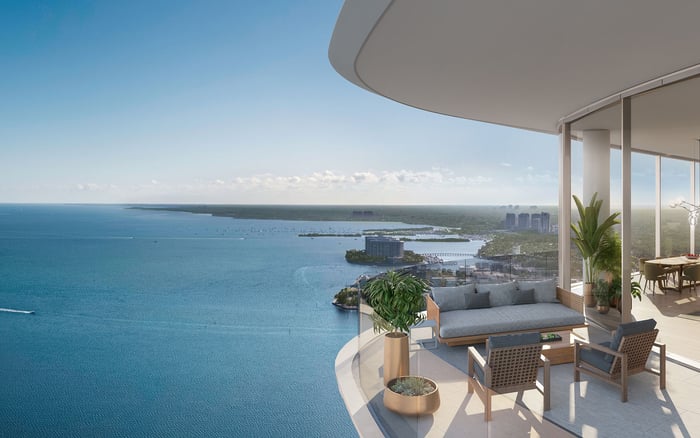
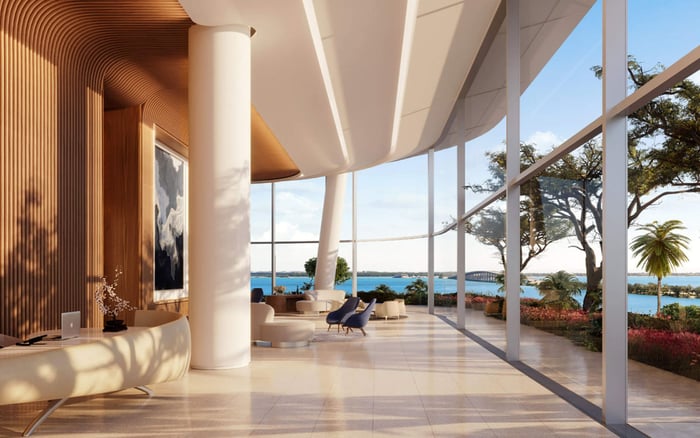
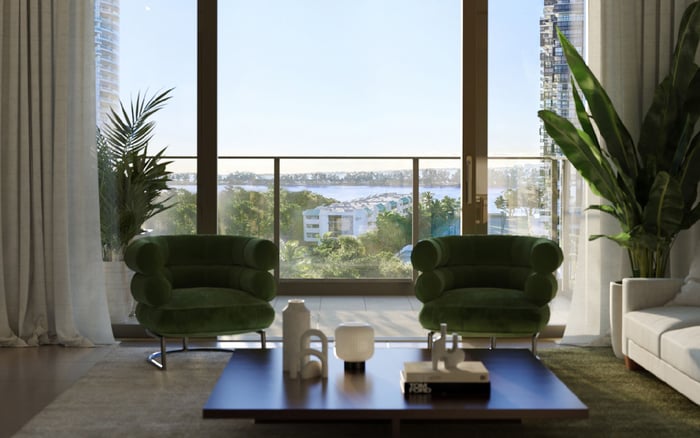
In South Florida’s luxury market, a view is not a single feature, it is an engineered experience. Height changes atmosphere and horizon line, orientation governs light and sparkle, and glazing choices influence color, clarity, and comfort. This guide explains how discerning buyers evaluate panoramas across Brickell, Miami-beach, and Coconut-grove, from sightlines and balcony geometry to reflections, tint, and interior optics. Use these principles to compare residences with confidence and to ask sharper questions during showings.
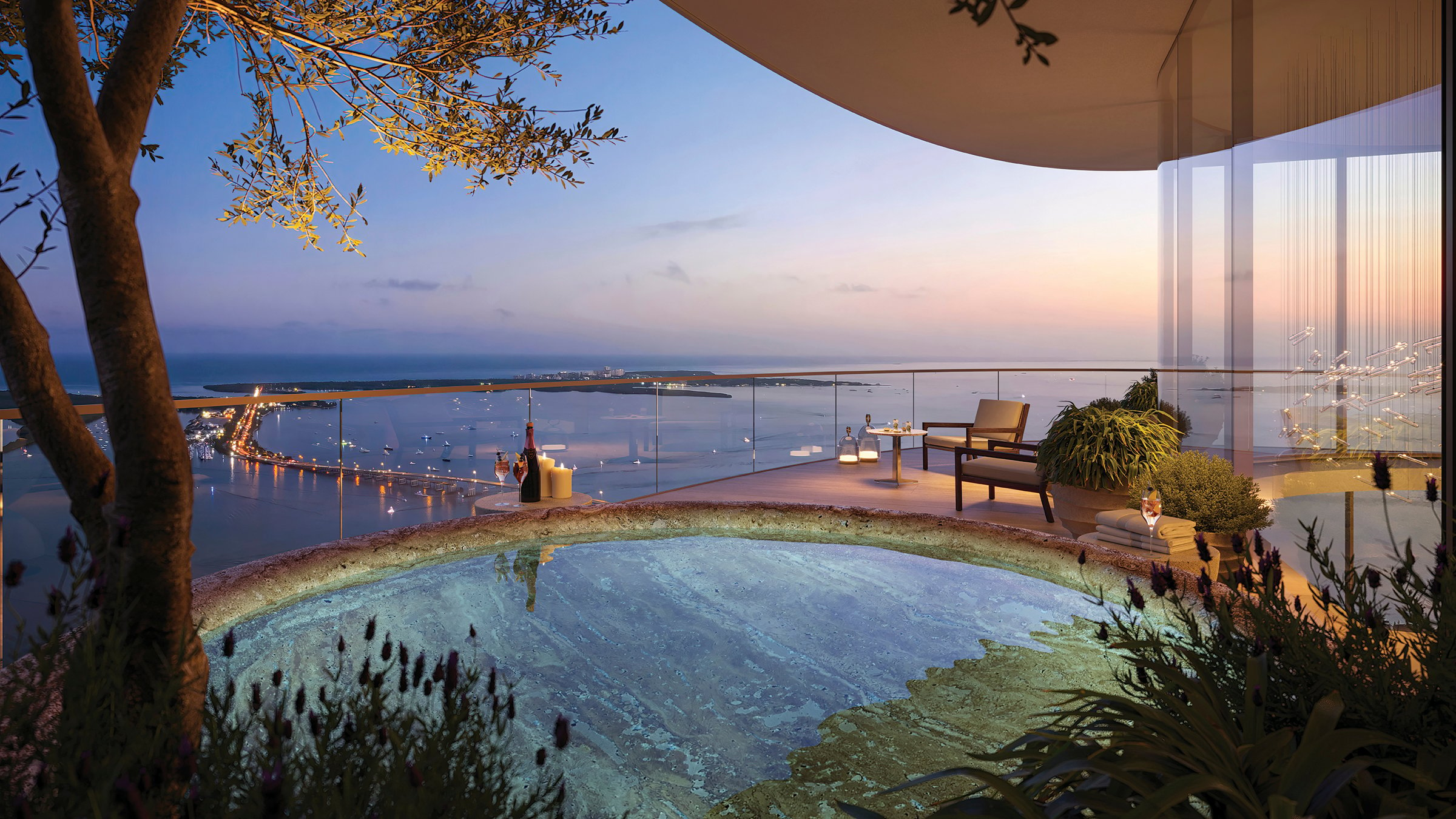
In Miami, “the view” is often marketed as if it were a fixed amenity, comparable to a lobby finish or a brand name. In practice, the most valuable panoramas behave like a responsive system. Light changes by the minute, water texture shifts with wind, and the city’s reflective surfaces can either heighten the spectacle or flatten it. That is why two residences that look similar on a listing can feel profoundly different once you live with them.
For an ultra-premium buyer, this is not theoretical. A view shapes daily rhythm, well-being, entertaining, and resale desirability, especially when paired with high floors that lift you away from street-level clutter. Yet the “best” view is rarely only about altitude. It is the intersection of height, angle, glazing performance, and the physical frame created by a building’s facade and balcony design. Add interior planning and lighting, and the panorama becomes an intentional composition, not an accident.
South Florida makes these variables more pronounced than many markets. Intense sun, humidity, and a landscape that toggles between open water and dense low-rise texture mean the same wall of glass can read crystalline in one moment and softened in the next. The buyer who understands the mechanics can recognize a true water view, protect it contractually when possible, and avoid the specific kind of disappointment that arrives after closing.
This editorial simplifies the experience into three core inputs: height, angle, and glass. Then it adds the “edit” created by terraces, interior layout, and light control so you can assess residences across Brickell, Miami-beach, and Coconut-grove with consistent criteria.
Height is the most obvious lever, and also the most frequently oversimplified. Buyers naturally associate elevation with prestige, privacy, and expanded sightlines. Those benefits are real in many towers, but height also changes what you see and how you perceive it.
At higher elevations, the horizon line becomes a primary compositional element. This can increase a sense of calm and reduce visual noise, particularly when the foreground is water. A water view that holds a broad, uninterrupted sky tends to photograph well, but it also performs in daily life because it reads as spacious even when the interior is fully furnished.
Atmosphere is the counterweight. In Miami’s humid coastal conditions, distant subjects can soften depending on weather and time of day. That does not make the view “worse”; it makes it dynamic. Some buyers prefer crisp near-field detail, where boats, seawalls, and architectural texture stay sharply defined. Others prefer the cinematic softness that can accompany long horizons. During showings, assess more than the single most dramatic angle. Look in multiple directions and notice what remains legible and pleasing as the eye moves.
Height also changes how light lands. Above nearby structures, sunlight can feel more direct, and reflections off water and neighboring glass can intensify. Some buyers love that brilliance, especially in open-plan living areas designed to glow. Others find it fatiguing without proper shading and control. The luxury move is not to avoid height; it is to make sure the residence has the right systems for your lifestyle, including glazing characteristics and window treatments that let you tune the space throughout the day.
Privacy is also nuanced. High floors reduce casual street-level sightlines, but in vertical neighborhoods, nearby towers can introduce new angles of exposure. The more built-up the surrounding skyline, the more important it is to study what sits across the waterway or avenue, and at what relative elevation. A premium panorama should feel expansive without feeling observed.
“Angle” sounds technical, yet it is one of the fastest ways to understand why certain residences feel extraordinary. Angle includes solar orientation, relationship to shorelines, and the building’s geometry as it frames the scene.
Orientation is a lived experience, not a marketing line. Morning light tends to be cleaner and gentler, often flattering interiors and artwork. Later-day light can be warmer, more theatrical, and more reflective. Neither is universally better, but each has clear consequences for heat, glare, and the way you actually use the home. If evenings are when you entertain, prioritize how the view reads when interior lights are on and the exterior becomes a field of highlights.
Water adjacency changes the story. Looking along a shoreline can create an extended, ribbon-like perspective that feels kinetic and long. Looking directly over open water can feel more meditative and minimal. In Brickell, buyers often seek layered compositions that blend bay, city texture, and sky. In Miami-beach, preferences often shift toward a pure horizon and the choreography of sunlight on the Atlantic. In Coconut-grove, the point may be a more intimate composition, where canopy, sailboats, and low-rise character frame the water rather than compete with it.
Building geometry matters because it determines what is physically possible. A corner condition can widen the field of view and increase depth. A shallow angle to the bay can reduce “dead space” and deliver a more continuous panorama. A straight-on exposure can be breathtaking as well, yet may be more sensitive to glare at certain times. Think like a photographer. Stand at the primary seating position, then at the kitchen island if applicable, and notice whether the view remains compelling when you shift a few feet. The best residences do not require you to find one perfect spot to enjoy the scene.
Angle also defines privacy and future risk. A residence can feel open from within yet be exposed from a neighboring balcony. During a tour, step outside, look back, then look laterally. Ask whether the most beautiful line of sight is also the most vulnerable.
In a view-first residence, glass is not neutral. It is the lens between you and Miami. It can preserve color fidelity, mute it, flatten contrast, or create reflections that compete with the panorama.
Start with clarity. Many modern towers rely on expansive glazing to maximize spectacle, but visual performance varies. Some glass carries heavier tint, which can make the exterior read cooler or darker from inside. Other specifications aim for a clearer presentation that preserves the blues and greens buyers associate with South Florida. A practical check during a showing is to look at a white object inside, then compare it to the exterior sky and water. If the scene reads noticeably filtered, that may be a design choice you either accept or avoid.
Next is reflectivity. After dark, interior lighting can turn windows into mirrors, replacing the skyline with your own living room reflection. This can be mitigated with thoughtful lighting design and window treatments, but baseline glass behavior still matters. If nighttime city views are central to your decision, tour after sunset when possible. If that is not feasible, reduce interior lighting and note how much of the exterior remains visible.
Comfort is the hidden luxury. The goal is not only to see the water, but to enjoy it without battling heat, glare, or drafts. Glazing systems are typically chosen to balance transparency with performance, and the details can vary by building and elevation. Rather than assuming, request documentation where available and confirm what is installed in the specific residence under consideration. The best outcome feels effortless: bright, controlled, and flexible enough that you do not have to compromise furniture placement to escape a persistent glare stripe.
Finally, consider maintenance and longevity. Salt air and wind-driven rain can leave deposits, and in coastal conditions the exterior face of glass can be difficult to keep pristine. A view is only as good as its clarity on an ordinary day, not only right after professional cleaning. Ask about building policies for facade maintenance and how frequently exterior glass is typically addressed, then calibrate expectations accordingly.
One of the most overlooked parts of a panorama is the edge where interior becomes exterior. Balcony depth, railing design, and the thickness of structural elements can either disappear or intrude.
A deep balcony can be a lifestyle upgrade, especially in Miami where indoor-outdoor living is part of the identity. It can also create shade that reduces glare and makes the interior feel calmer. The trade-off is simple: deep overhangs and thick slab edges can reduce the vertical slice of sky you see from inside. If your goal is a dramatic horizon line, evaluate the view from the places where you will actually sit, not only from the railing.
Railings act like a foreground filter. Glass railings typically preserve continuity, while more opaque or heavily framed systems can segment the view and interrupt the water line. Even transparent railings have hardware and top rails that can cut across the horizon at certain heights. During a tour, crouch slightly, then stand tall, and observe what changes. A truly premium water view should feel composed across multiple body positions, not only for one height and one stance.
Corner terraces can create a wrap effect, making the view feel present in your peripheral vision. That sense of immersion reads as luxury because it is hard to replicate in smaller or more constrained buildings. At the same time, corner conditions can increase wind exposure, which can make outdoor use more variable. The best terraces are not only beautiful; they are usable.
Privacy also lives at the edge. A balcony with direct lateral sightlines into neighboring outdoor spaces can undermine the serenity of a waterfront setting. Consider whether landscaping, screening, or the building’s own geometry provides separation, and confirm what modifications are permitted before assuming you can add privacy elements.
Two residences in the same building can share an orientation yet deliver different view experiences because interior planning acts as an editor.
First, identify the “view position.” In some homes, the view belongs to the living room. In others, it is anchored in the primary suite, or staged behind a dining table intended for entertaining. Decide which moments matter most to you, then confirm the layout privileges those moments rather than forcing them.
Next, evaluate sightlines through the home. A long axial view from entry to water can create an immediate sense of arrival. Even without a massive terrace, a well-aligned corridor can make the panorama feel like it pulls you forward. Conversely, if a kitchen wall or column interrupts the long view, the residence may photograph beautifully from one angle yet feel less immersive day to day.
Materials change perception. Glossy floors can amplify light and make a space feel brighter, but they can also introduce interior reflections that compete with the exterior. Darker, matte finishes can frame the view more like a gallery, making water and sky feel richer. Neither approach is universally correct. The luxury standard is intentionality: the interior should support the view, not fight it.
Lighting is a decisive variable for nighttime city panoramas, particularly in Brickell. If fixtures are too bright or too cool, the interior can dominate and reduce the exterior to a faint outline. Layered lighting, dimmable sources, and warmer color temperatures often allow the skyline to remain legible while the room still feels inviting. These are strategies to discuss with your team, and to test during a private showing.
Furniture scale matters as well. Oversized pieces can block lower sightlines, while low-profile seating can preserve the water line. Before committing, mentally place your key pieces. The best view is the one you can enjoy without rearranging your life around it.
A sophisticated evaluation does not require jargon. It requires a repeatable process you can apply from showing to showing.
Tour twice if possible. Views change with weather and time of day. A residence that feels calm at midday can feel electric at sunset, and the inverse can also be true. If a second tour is possible, use it to validate what you loved and to surface any comfort issues that did not appear the first time.
Stand where you will live. Do not evaluate only from the glass. Sit on the sofa position, lean on the kitchen island area, and check the primary bedroom if it matters to you. The view should hold from the places that define your routine, not only from the most dramatic corner of the room.
Check the near field and the far field. Near-field interest can include water texture, boats, palm canopy, or architecture. Far-field interest can include skyline, open horizon, or changing cloud patterns. The best panoramas often have both. If the far field is extraordinary but the near field is cluttered, decide whether you can live with that foreground every day.
Test for glare and reflection. Turn interior lights on and off. Note whether you see yourself more than you see the skyline. Consider whether window treatments would solve the issue without compromising the look you want. If your lifestyle includes daytime work at home, pay special attention to how glare lands in the areas where you would actually spend time.
Listen. A view can imply serenity, but sound is part of the experience. With doors closed and then opened, note wind noise and ambient city sound. Coastal living can be dramatic, and you want drama on your terms, in the moments you choose.
Ask policy questions early. Rules on balcony furnishings, exterior shades, and permissible window treatments can influence whether you can fine-tune the view experience. Confirm with management and in writing where applicable. The goal is to avoid buying a panoramic residence only to learn later that your preferred solutions are restricted.
In Miami-beach, many buyers also weigh the emotional difference between a direct ocean horizon and a layered bay-and-sky composition. In Brickell, the calculus can include how the skyline lights perform at night. In Coconut-grove, the question is often whether you prefer an intimate water scene framed by greenery or a more open, distant vista.
When you are calibrating expectations, it helps to anchor your search to a single, view-forward reference and then compare everything else against it using the same criteria. For buyers focused on Brickell, explore Una Residences Brickell as a neutral starting point for view-related conversations with your advisor, then apply the height-angle-glass framework to every shortlisted candidate.
What matters most is consistency. If you care about morning light, test it. If you want an all-day water view, evaluate how the scene behaves as the sun moves. If balcony living is central to your lifestyle, verify that terrace geometry supports both comfort and composition. In ultra-premium South Florida, the strongest panoramas are rarely accidental. They are the result of aligned architecture, disciplined detailing, and a buyer who knows exactly what to evaluate.
How do I compare two “same view” listings in the same tower? Even within one building, small differences change the experience. Compare height (horizon dominance, atmospheric softness, privacy), angle (what you see when you shift a few feet), and glass behavior (tint and nighttime reflection). Then validate from real living positions: sofa, dining, kitchen island, and primary suite. If one residence only looks exceptional from the glass, it is not truly the same view.
What should I look for in glass if I want the most natural color rendition? Focus on how the glass affects whites and blues. During a tour, compare a white interior surface to the exterior sky and water. If the scene reads noticeably cooled, darkened, or filtered, that is likely the tint or coating expressing itself. Decide whether you want that tone or whether you prefer a clearer presentation that preserves Miami’s natural palette.
How can I tell whether a balcony will improve or reduce the view from inside? Evaluate from the interior first, not from the railing. Deep balconies can add shade and comfort, but slab edges and overhangs can reduce the slice of sky and change the horizon line from seated positions. Test multiple heights by sitting, standing, and slightly crouching, and notice whether rail hardware or top rails cut through the water line.
When should I tour to understand glare and nighttime reflections? If the view is a primary reason you are buying, tour at more than one time of day whenever possible. Use daylight to assess glare patterns and how the water reads; use evening conditions to see whether interior light turns the windows into mirrors. When you cannot tour after dark, dim interior lighting during the showing and note how much of the skyline remains visible.
For a discreet, view-first search across South Florida, connect with MILLION Luxury.
If branded residences are on your mind — as a home or as an allocation — we would be glad to share what we are seeing, privately.
Begin a quiet conversation