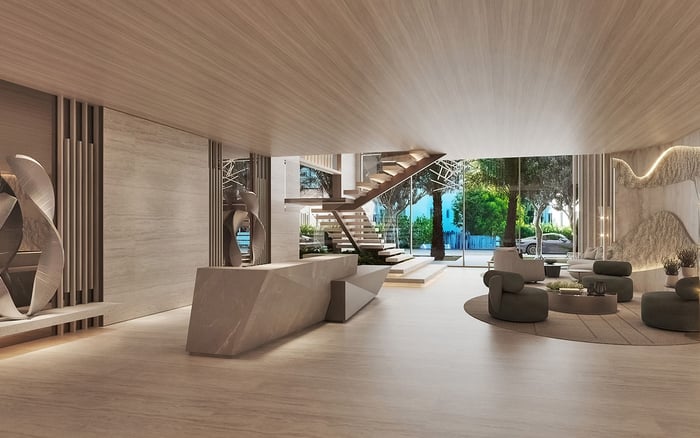
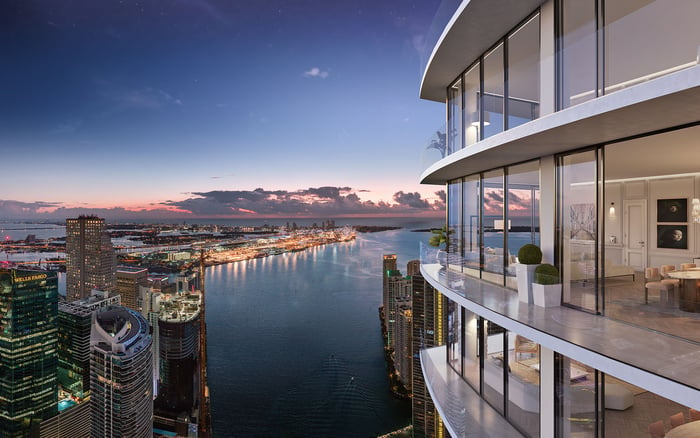
Multi-generational living is reshaping South Florida’s ultra-luxury market, where privacy, hospitality-grade comfort, and long-term flexibility matter as much as views. The modern “family estate” is less a single grand house and more a discreet campus: layered entries, guest-ready suites, quiet work zones, wellness spaces, and outdoor rooms that support togetherness without crowding. This guide outlines how sophisticated buyers evaluate layouts, operations, and ownership approaches so a property can evolve with children, parents, and future generations while preserving lifestyle and resale appeal.
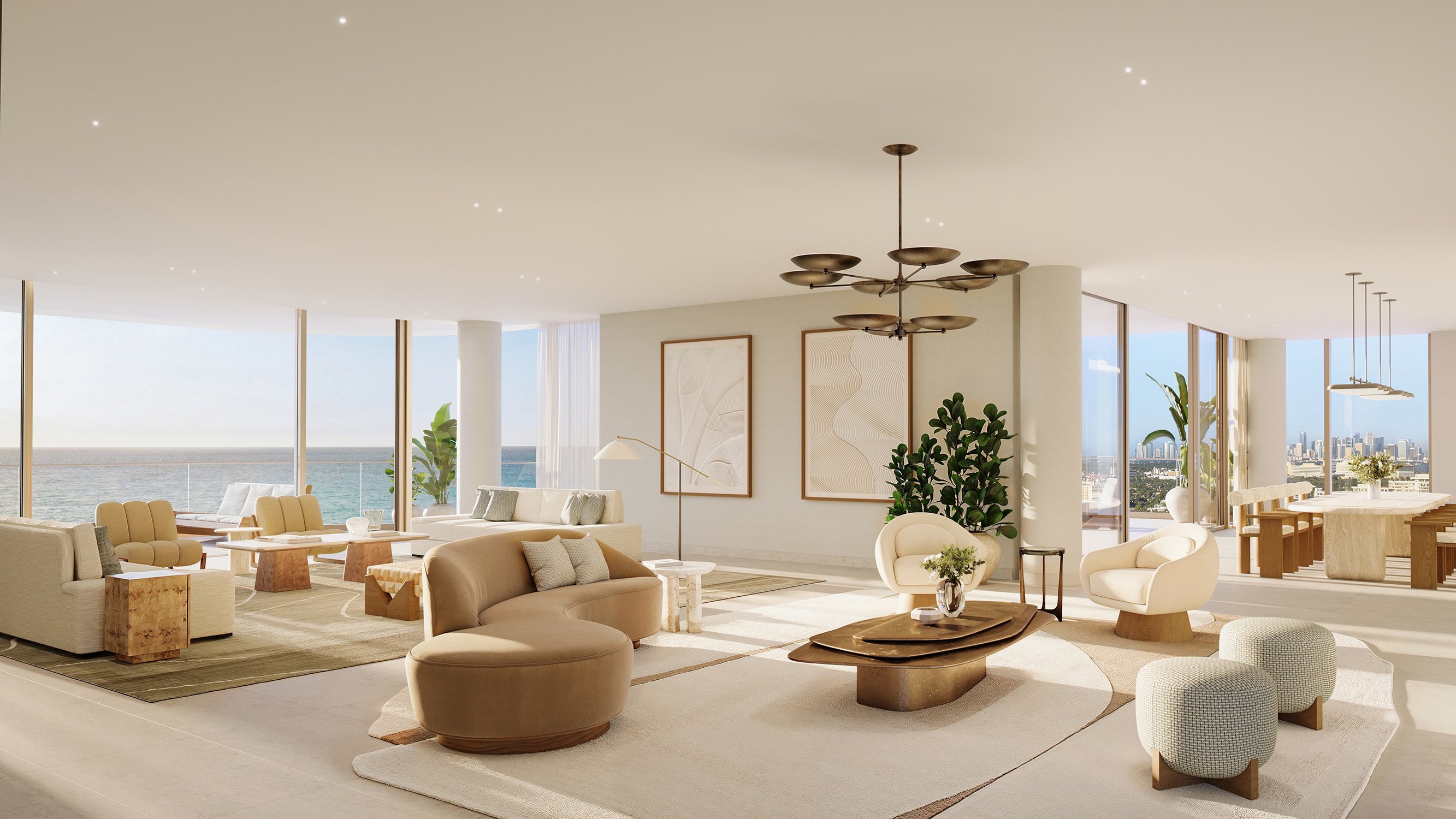
In South Florida, ultra-luxury buyers are increasingly asking a more nuanced question than “How big is the home?” The real test is whether a property can hold an entire family story at once: grandparents who value quiet mornings and predictable routines, adult children who may return seasonally, grandchildren who need room to move, and a primary couple who still wants the home to feel like a sanctuary.
That shift has created a modern interpretation of the family estate, calibrated for Miami-Dade, Broward, and Palm Beach, where privacy, entertaining, and indoor-outdoor living are not amenities, they are the baseline. The strongest properties read less like a single grand residence and more like a discreet, well-organized campus: layered entries, guest-ready suites, quiet work zones, wellness spaces, and outdoor rooms that let everyone be together without living on top of each other.
Multi-generational living at the top of the market is not a compromise. It is a design and operations challenge solved with architecture, planning, and service. When it is done well, the home feels effortless: everyone has a place, everything has a purpose, and no one feels like a visitor in their own residence.
South Florida naturally supports multiple generations under one roof because daily life is organized around sunlight, water, and social gathering. Homes are often used as venues as much as they are used as residences, which suits families that prefer to host birthdays, holidays, and milestones at home rather than booking outside spaces repeatedly.
The region also rewards flexibility. A residence that can comfortably host family across ages tends to perform well as needs evolve. Even when the full household is not in place year-round, the same features that create harmony today can also appeal to a future buyer who wants meaningful guest capacity, space for live-in support, or a second home that accommodates friends without sacrificing privacy.
Importantly, multi-generational functionality does not have to change the feeling of luxury. In South Florida, the best estates keep the resort-like ease intact while quietly improving how the home works on a busy weekend: arrivals, mornings, naps, work calls, dinners, and late nights can all coexist without negotiation.
The most successful multi-generational estates are not simply larger. They are legible. A buyer should be able to walk the property once and immediately understand how the day will flow: where quiet lives, where activity belongs, and how people arrive and depart without disrupting others.
That clarity comes from thinking in zones rather than rooms.
When zones are clearly separated, the home can be full and still feel calm. Families do not need to “tiptoe” around the residence. They simply live.
For multi-generational living, the buyer’s checklist shifts from headline features to spatial intelligence. Square footage matters, but what matters more is how it is allocated and how it behaves under real use.
Separate entrances are not a gimmick. They are dignity. A secondary entry for a guest wing or family suites allows independence, late-night arrivals, and early morning walks without moving through a primary suite corridor. It also reduces the subtle friction that can build when every movement passes through the same threshold.
A true guest wing should function as a residence within the residence. It needs privacy, ample closets, and proportion that feels intentional rather than leftover. Many buyers prefer suites that can be furnished like long-stay apartments, not like hotel rooms. That preference is less about size and more about completeness: storage, lighting, bathroom quality, and a sense that the space is meant to be lived in for months.
Vertical separation can work, but only when circulation is intuitive. If grandparents are upstairs, the transition must be comfortable and obvious, not dependent on steep stairs or awkward routes. If suites are on the ground level, privacy buffers and acoustics must be tuned so the main entertaining spaces do not bleed into rest zones.
Outdoor adjacency is another powerful tool in Florida estates. Bedrooms that open to gardens or a terrace encourage gentler rhythms and give residents an easy path to fresh air without entering the home’s social core. It also distributes activity outside, which often makes the interior feel quieter during long family weekends.
In a multi-generational household, privacy is not only about sound. It is also about psychological space. The best estates deliver subtle boundaries that make daily life feel natural.
Sightlines matter. A suite that does not look directly into the main living room feels calmer, even before anyone speaks. Courtyards, landscaping, offsets in hallways, and carefully placed doors can create separation without resorting to heavy partitions.
Sound control is essential. Start with layout, then reinforce with materials. The goal is simple: a late movie night should not become the entire household’s soundtrack, and an early riser should not wake the rest of the house.
Bathrooms can make or break a long stay. Each suite should feel complete, not shared by default. Even if the bathrooms are not identical, the experience should be consistent in quality and ease, with finishes and fixtures that feel aligned with the overall standard of the home.
Closet and storage planning is often overlooked, yet it defines whether a property can host relatives for months without stress. Multi-generational living is a long-stay use case. It requires more wardrobe capacity, linen storage, and luggage storage than a typical vacation home. When storage is solved, the residence stays composed, even at full occupancy.
Sophisticated buyers want homes that anticipate changing needs while remaining beautiful. The most successful approach integrates flexibility without advertising it.
Wide circulation paths, smooth transitions between indoor and outdoor areas, and thoughtful lighting make a home easier for older residents and safer for children. The key is that these decisions should read as good design, not as adaptation. A well-designed threshold, a gentle change in elevation, or a properly lit corridor is simply luxury executed at a higher level.
A main-level suite can be invaluable, even if it is used as a guest suite at first. Over time, it can become the most practical arrangement for an older family member, or simply the preferred option during longer stays.
Bathrooms can be planned with generous clearances, comfortable shower access, and discreet stability features if desired. The intent remains spa-like, not institutional. In the best estates, accessibility and beauty are not competing priorities.
If the estate is the stage, the kitchen is the engine room. Multi-generational living increases kitchen demands not only in volume, but also in timing. Different generations keep different hours, and a home must support that without constant coordination.
A primary show kitchen can remain beautiful and social, but serious households often want a second working kitchen or a hidden prep zone. This supports catering, daily meal prep, and cleanup without disrupting entertaining. It also protects the main kitchen’s visual calm, which matters in open-plan estates where cooking and living spaces blend.
Dining should be flexible. A family may use an intimate breakfast area daily, then expand into a formal dining setting when grandparents, cousins, and friends gather. In South Florida, the flow between indoor dining and outdoor dining is particularly valuable because meals often migrate outside. A home that makes that shift easy will feel bigger, calmer, and more hospitable.
Storage becomes a luxury feature. Pantries, beverage storage, and refrigerator capacity should match how the home is actually used. For extended families, this is often the difference between effortless living and a constant sense of being under-equipped.
Outdoor rooms are where generations naturally overlap. A well-composed property uses the landscape to distribute activity rather than forcing everyone into the same setting.
Consider separate outdoor zones: a quiet garden nook, a social terrace near the main living space, and a family activity area where children can be lively without dominating the entire environment. When these zones are designed as distinct destinations, everyone can share the day without competing for the same square footage.
Shade and comfort define usability. Covered areas, breezeways, and thoughtful seating layouts allow the estate to host long afternoons and evenings across seasons. When comfort is engineered, outdoor living stops being occasional and becomes the home’s daily center of gravity.
Privacy screening is also strategic outdoors. Landscaping can provide a resort feel while shielding neighbors and creating a sense of refuge, which is especially important when multiple households are sharing the same property.
In ultra-luxury estates, wellness and work spaces have become essential for multi-generational harmony. They are often more valuable than additional bedrooms because they reduce friction in everyday schedules.
A dedicated fitness room, wellness zone, or quiet studio can serve multiple age groups without forcing everyone into the same routine. Likewise, a calm office or library space is now a core requirement for households that include working adults.
What matters most is separation from social noise. A home that tucks work and wellness spaces away from the main entertaining axis tends to feel more livable over time. People can take a call, read, or train without negotiating the household’s activity level.
When multiple generations share a residence, operations should be as considered as architecture. High-net-worth households often find that service planning is the fastest way to reduce daily friction.
Start with circulation. Deliveries, groceries, luggage, and maintenance should have a path that does not intersect with formal entertaining. A back-of-house entry, service corridor, or protected garage access keeps the public face of the home composed, even on busy arrival days.
Then consider staff readiness. Even if a household does not employ full-time help, multi-generational use often benefits from periodic housekeeping, property management, and event support. A home that accommodates these needs gracefully will feel easier to own and easier to hand off between family members.
Technology should support privacy and simplicity. Control systems can be useful, but the luxury standard is intuitive living. Residents across generations should be able to use the home without feeling as if they are managing a control room. The best systems disappear into the background and simply make the residence run smoothly.
Multi-generational living can be emotionally rewarding, but it benefits from clear agreements. Luxury buyers frequently discuss ownership structure, maintenance responsibilities, and household norms early, often before selecting a property.
Rather than relying on assumptions, families often benefit from a framework that defines how the home will be used, how costs will be handled, and how future transitions will be addressed. The best approach is personal and should be guided by qualified counsel.
From a practical standpoint, buyers typically want a property that can adapt if household composition changes. Suites that can shift between guest use, long-stay family use, and private work use preserve options without forcing the family into a single scenario.
Multi-generational living can be achieved in many formats, and buyers in South Florida often compare two primary paths: single-family-homes and high-service condominium residences. The right choice depends on how much the household values land, privacy, and custom control versus lock-and-leave ease and staffed convenience.
In Coconut Grove, the appeal often centers on a more residential rhythm and greenery-forward streetscapes, paired with access to the city’s cultural and dining scene. In Brickell, the draw can be proximity to business life and a more vertical luxury lifestyle that simplifies operations. In Miami Beach, families often prioritize a resort-like setting and the ability to host around the coastline lifestyle.
For a neutral reference point on how high-service living can support extended-family flexibility, explore Four Seasons Residences Coconut Grove. Confirm suite configurations, guest policies, and service offerings directly with the building and your advisory team, since details can vary.
As you tour properties, evaluate how the home performs on a busy weekend, not only how it photographs. The goal is to identify the estate that reduces daily negotiation.
The estate that wins is the one that stays composed when the house is full. In multi-generational living, luxury is peace.
How do buyers balance privacy and togetherness in a multi-generational home?
Buyers prioritize zoning and circulation: a clear social core for gathering, protected private suites for rest, and thoughtful paths for arrivals, departures, and daily routines. When sightlines and sound buffers are planned correctly, the home supports togetherness without forcing constant proximity.
What layout features make long family stays feel comfortable rather than crowded?
The most important features are complete suites with strong storage, bathrooms that feel private and fully finished, and secondary entrances that preserve independence. Outdoor adjacency also matters, since terraces and gardens distribute activity and lower interior noise during high-occupancy weekends.
When does a condominium lifestyle make more sense than single-family-homes for extended families?
A high-service condominium can be the better fit when the household values lock-and-leave ease, staffed support, and simplified operations over land and custom back-of-house infrastructure. Families often compare how much privacy and control they need versus how much convenience they want day to day.
What should families clarify about use, costs, and expectations before buying together?
They should align on how the residence will be scheduled, how operating costs and maintenance responsibilities will be handled, and how decisions will be made as needs change. Many families establish a clear framework early and rely on qualified counsel to structure it appropriately.
For a discreet, property-specific strategy tailored to your household, connect with MILLION Luxury.
If branded residences are on your mind — as a home or as an allocation — we would be glad to share what we are seeing, privately.
Begin a quiet conversation