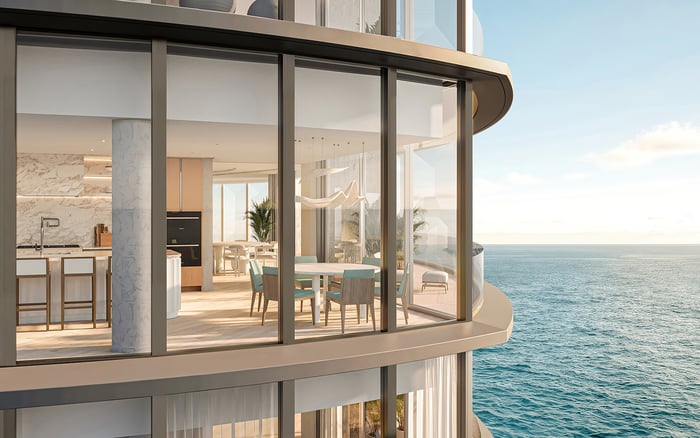
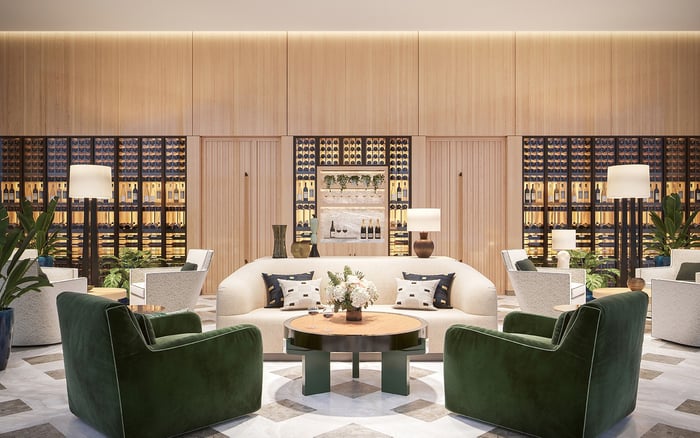
An ownership-focused look at why private-chef expectations at Rivage Bal Harbour should be tested against condominium governance, common-element control, and amenity rules before purchase.
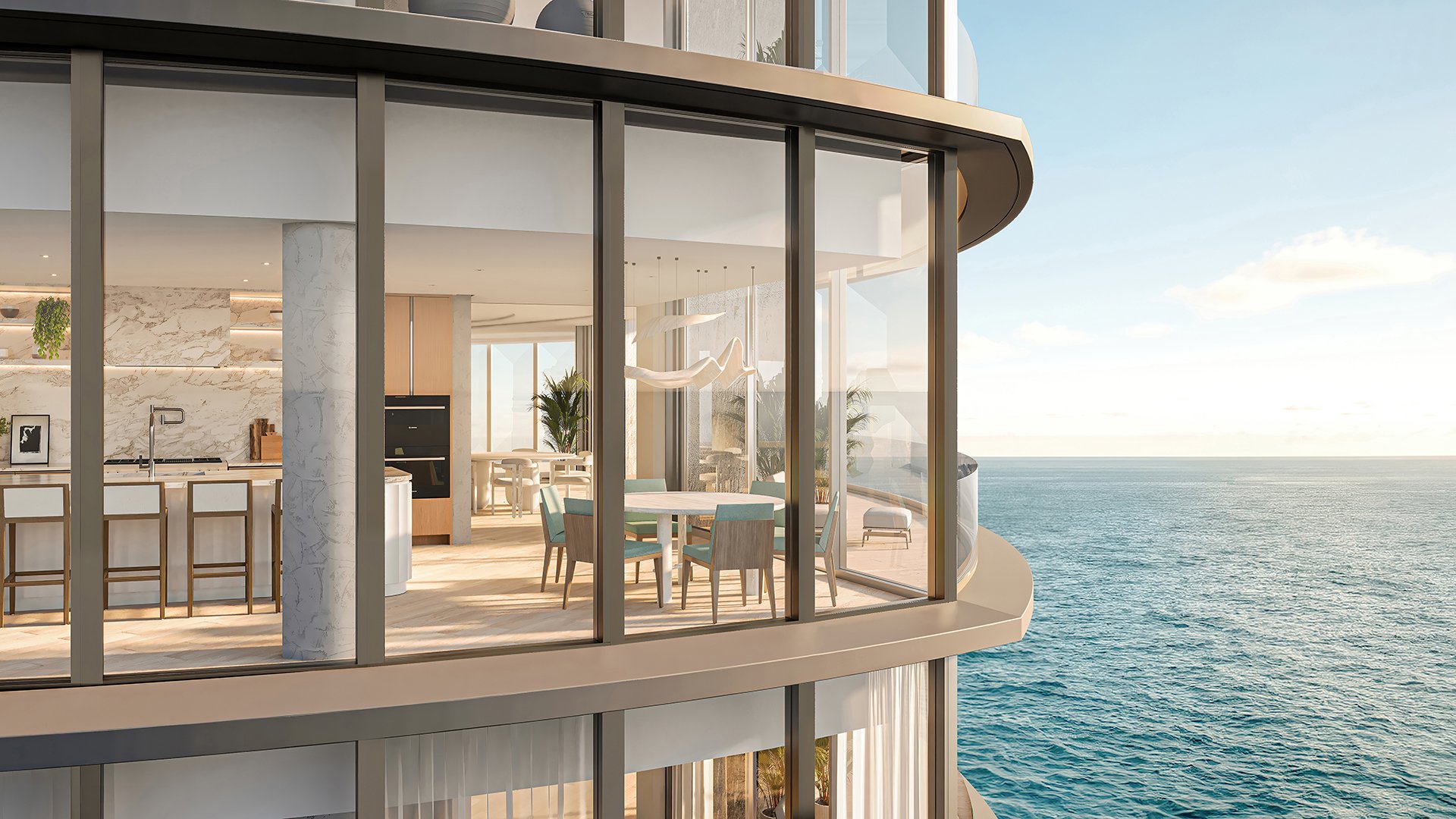
At the highest end of South Florida condominium living, the most important amenities are often the least visible. A private dining room, catering kitchen, service corridor, cold-storage area, or staffed arrivals desk can shape daily life as much as a view. That is why the private-chef question at Rivage Bal Harbour should not be treated as a lifestyle detail alone. It is, first, a question of ownership and governance.
Rivage Bal Harbour is positioned within the broader ultra-luxury condominium conversation where service expectations are exceptionally high. But for a buyer who expects to host dinners with a personal chef, or to have household staff coordinate meals through shared service spaces, the key issue is not whether the idea feels consistent with the building’s level. The key issue is whether the condominium documents actually support that use.
The current project facts do not establish a verified, published Rivage Bal Harbour private-chef policy. They also do not establish whether any particular kitchen, dining room, or chef-service area is a common element, a limited common element, or privately controlled space. That distinction matters because each category can carry different rights, restrictions, and approval processes.
In a single-family estate, the owner generally controls the kitchen, staff access, pantry storage, deliveries, and guest flow. In a condominium, especially an ultra-luxury condominium with shared amenities, those same activities may pass through layers of association rules, management discretion, and operational protocols.
If a chef works only inside an owner’s residence, the analysis may be different from a chef using a shared catering kitchen, staging food in an amenity area, or serving a dinner in a private dining room controlled by the association. The ownership structure of those spaces draws the line between a private household arrangement and a regulated amenity use.
That is the gap sophisticated buyers should investigate. Private-chef access can involve scheduling, liability, food storage, access control, insurance, staff credentials, sanitation expectations, deliveries, elevator use, loading areas, and use of shared facilities. None of those issues is merely aesthetic. They are operational matters, and in a condominium they tend to live in declarations, bylaws, rules and regulations, house rules, amenity-use policies, and management procedures.
Buyers comparing Rivage with Bal Harbour, Surfside, Miami Beach, or Brickell residences should not assume that all luxury buildings treat service access the same way. Projects such as The Delmore Surfside may sit in the same broader South Florida luxury conversation, but the nameplate never replaces the documents that define the owner experience.
New luxury condominium projects often pass through a period in which a developer has meaningful influence over how amenity rules are established, interpreted, and refined. Later, an owner-controlled association may inherit, amend, or enforce those rules differently. For a buyer considering a new residence, that transition is not a footnote. It can affect how formal or flexible the building becomes around private events, vendors, staff access, and shared hospitality spaces.
The practical question is whether private-chef service is framed as an owner right, an amenity privilege, a managed service, or a use subject to board or management approval. Each version carries a different level of certainty. A right is stronger than a privilege. A managed service may be convenient but less flexible. An approval-based system may work beautifully in practice, but it still depends on discretion.
This is particularly relevant in the Bal Harbour segment, where new-construction, pre-construction, and oceanfront expectations can create a strong assumption that white-glove service will accommodate almost any reasonable request. That assumption may be fair as a lifestyle expectation, but it is not a substitute for reading the legal and operating framework.
Before relying on any private-chef assumption at Rivage Bal Harbour, a buyer should request the condominium declaration, public offering materials, bylaws, rules and regulations, amenity-use policies, vendor-access policies, and any food-service or catering guidelines. If the answer is that policies are still being finalized, the buyer should ask how interim rules will operate and who has authority to approve exceptions.
The most useful questions are specific. May an outside chef use any shared kitchen or dining facility? Is advance reservation required? Are deposits, cleaning fees, certificates of insurance, or staff registrations required? Are there restrictions on food deliveries, alcohol service, open flames, equipment, guest counts, or after-hours use? Who approves the vendor: the general manager, the board, the developer, or a committee? Can rules change after closing?
A refined buyer will also ask whether a chef-service space is a common element, limited common element, or part of a commercial or management-controlled operation. If a space is common, the association usually plays a central role. If it is limited common, certain owners may have special use rights. If it is privately controlled or operated through management, the terms may be found outside the standard amenity description.
Comparable diligence is sensible across the region, from Miami Beach residences such as The Perigon Miami Beach to urban luxury projects such as ORA by Casa Tua Brickell. The more hospitality-like the promise, the more carefully buyers should study who controls the service.
For the ultra-premium buyer, private-chef flexibility is not always about extravagance. It can be about privacy, dietary discipline, cultural preferences, security, entertaining, family routines, and the ability to live in a condominium without sacrificing the ease of an estate. That is why this issue can affect perceived value.
A residence may have spectacular finishes and a coveted address, yet still feel constrained if service rules are unclear or restrictive. Conversely, a building with clear, well-managed policies can enhance confidence because owners understand the boundaries before they plan a dinner, hire staff, or host guests.
The best outcome is not necessarily unlimited access. In a building of this caliber, sensible controls protect residents from noise, congestion, liability, and inconsistent vendor behavior. The luxury is in clarity. Buyers want to know whether a desired service is available, how it is booked, what it costs, who may provide it, and whether the rules can change.
The ownership question behind private-chef rules at Rivage Bal Harbour is a reminder that ultra-luxury condominium due diligence now extends beyond floor plans, views, and finishes. Service governance can materially affect how a residence lives. For buyers who entertain often, travel with staff, maintain specific culinary routines, or expect estate-like privacy in a condominium setting, the documents are not administrative paperwork. They are part of the property.
Until a verified Rivage Bal Harbour private-chef rulebook and relevant ownership documents are reviewed, the prudent position is simple: do not assume that a private-chef experience is allowed, prohibited, unlimited, or restricted. Confirm it in writing, understand who controls the relevant spaces, and evaluate whether today’s rules can be changed after the association structure evolves.
Does Rivage Bal Harbour have a verified private-chef policy? No verified, published private-chef rulebook is established in the current project facts. Buyers should review governing documents before relying on any assumption.
Why does ownership matter for private-chef service? Ownership determines whether a kitchen, dining room, or service area is privately controlled, a common element, or a limited common element. That classification can shape access and approvals.
Can a chef working inside my residence be treated differently from one using amenity space? Yes. In-unit service and use of shared kitchens or dining rooms can trigger different rules, approvals, insurance requirements, and management procedures.
Which documents should a buyer request? Request the declaration, bylaws, rules and regulations, public offering materials, amenity-use policies, and any vendor or food-service guidelines.
Could developer control affect chef-service rules? Yes. In new condominium projects, rules may be set or refined during developer control and later administered or amended by an owner association.
What private-chef issues are usually governed by building rules? Common issues include scheduling, liability, food storage, deliveries, staff credentials, insurance, access control, cleaning, and use of shared facilities.
Is private-chef access an amenity or an ownership right? It depends on the documents. Buyers should confirm whether it is framed as a right, a managed service, an amenity privilege, or an approval-based use.
Should buyers rely on sales conversations alone? No. Any important service expectation should be confirmed in written governing documents or policies before closing.
Can private-chef rules change after purchase? They may, depending on the governing documents and association authority. Buyers should understand amendment procedures and management discretion.
Why is this especially important in Bal Harbour? Bal Harbour buyers often expect estate-level privacy and service within a condominium format. Clear governance helps determine whether that expectation matches daily reality.
If you'd like a private walkthrough and a curated shortlist, connect with MILLION.
If branded residences are on your mind — as a home or as an allocation — we would be glad to share what we are seeing, privately.
Begin a quiet conversation