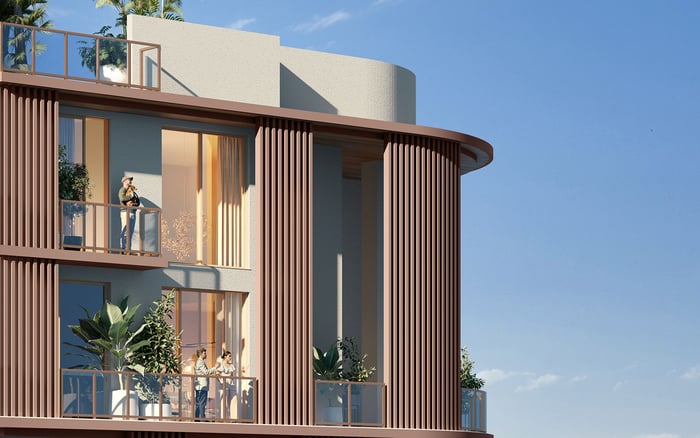
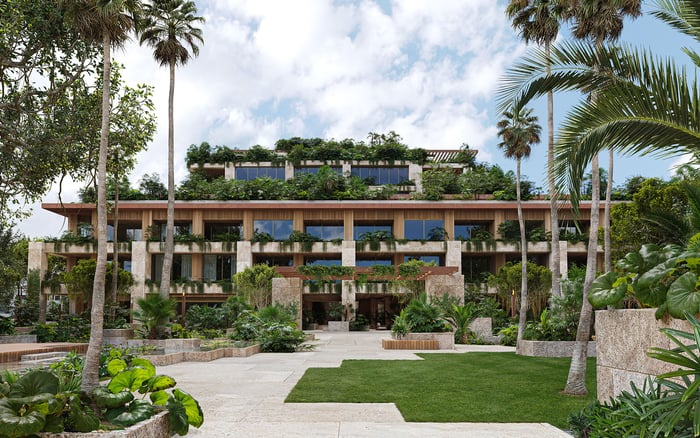
A buyer-focused comparison of The Lincoln Coconut Grove and Ziggurat Coconut Grove through privacy, sightlines, glass-wall comfort, teenager zoning, and guest-suite livability.
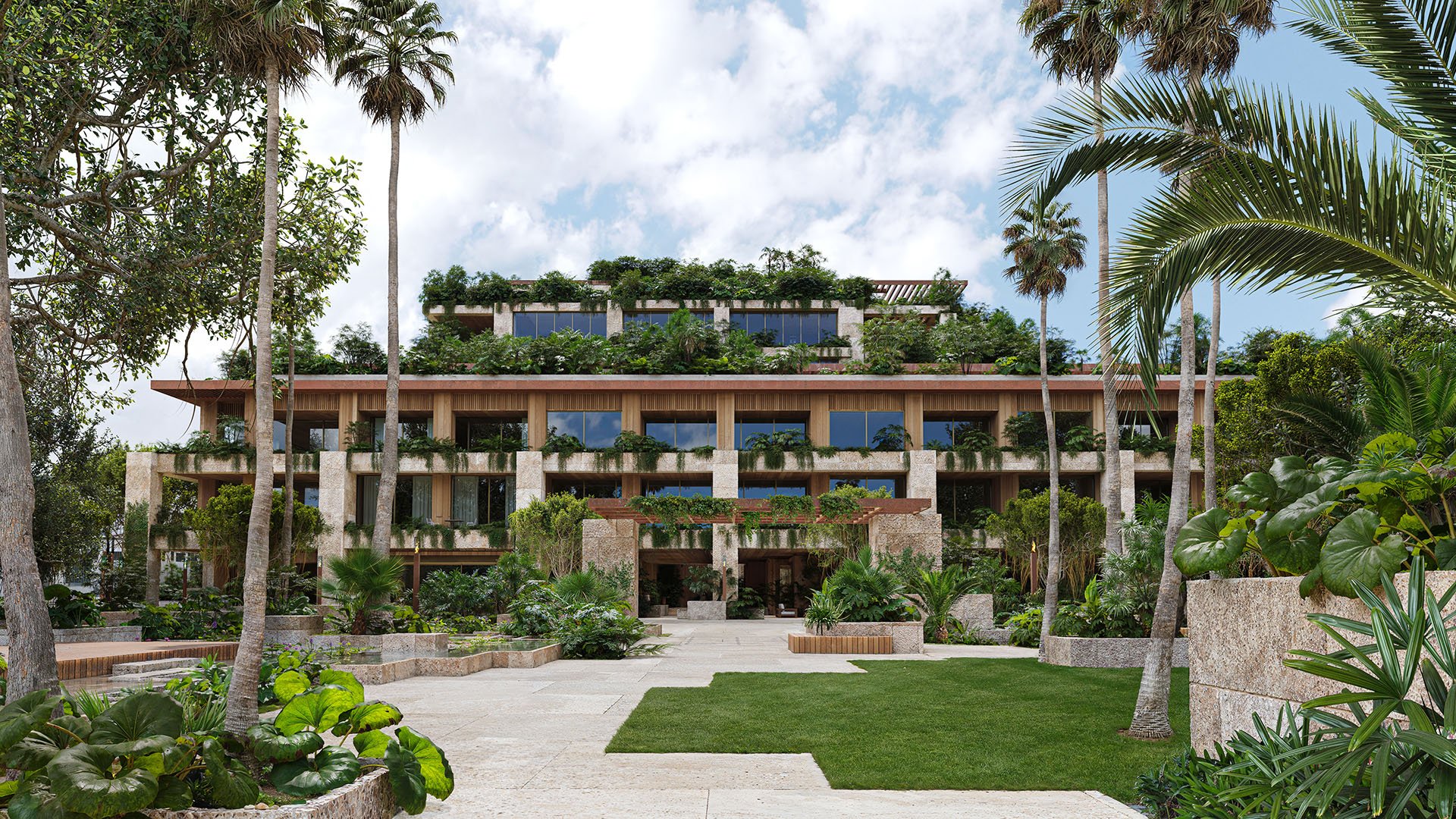
For buyers comparing The Lincoln Coconut Grove with Ziggurat Coconut Grove, the real question is not simply which residence feels larger or more dramatic. It is whether the home protects daily life when teenagers are hosting friends, guests are staying for a week, and glass walls look beautiful in the afternoon but feel revealing after dark.
In Coconut Grove decision-making, privacy has several layers: elevator arrival, corridor exposure, the number of residences sharing a landing, terrace adjacency, acoustic separation, bedroom placement, and how transparent the home becomes at night. A residence can feel private during a quiet morning tour and behave very differently during dinner, homework, overnight guests, or weekend entertaining.
That is why this comparison should stay practical. The Lincoln’s privacy analysis is likely to be more straightforward if its floor plates and stacking make sightlines easier to understand. Ziggurat’s analysis is more architectural because sculptural or stepped massing can either shield the residence or create unexpected exposure from adjacent levels.
The Lincoln Coconut Grove should be evaluated first through the arrival sequence. Buyers should ask whether the elevator opens directly into the residence, into a private vestibule, or into a shared corridor. A private elevator experience can change the tone of the home, but it does not, by itself, prove true whole-floor living. The number of residences per floor and any shared-corridor exposure still matter.
The next question is how the residence separates public and private life. For families with teenagers, the strongest floor plan is not merely expansive. It allows secondary bedrooms, media space, or a flex room to function without forcing every gathering through the main living room. Teenagers need a place to host friends, stream, study, and make noise without turning the formal entertaining zone into a dormitory lounge.
For guests, The Lincoln’s best-case scenario is a credible guest wing or guest suite that does not sit awkwardly between the primary suite and children’s rooms. A guest bedroom near the main social area may be convenient for a weekend visitor, but it can feel exposed if the path to the bath, closets, or terrace cuts through family circulation.
Boutique privacy should be tested, not assumed. Ask to see the exact residence plan, the floor above, the floor below, the elevator condition, and any shared landing condition before treating the home as whole-floor in practice.
Ziggurat Coconut Grove invites a different kind of due diligence. Its architectural form may reduce direct sightlines in some locations, yet stepped or angled geometry can also create complex exposure between terraces, windows, and neighboring levels. Privacy performance may be highly unit-specific.
The key is to study the building in section, not just in plan. A plan can show room placement, but it may not reveal who can look down onto a terrace, across into a bedroom, or diagonally into a glass-walled living area. For Ziggurat, buyers should ask to see the floor above, the floor below, and neighboring terrace sightlines before assuming privacy.
This is especially important for guest rooms. A guest suite tucked behind an architectural offset may feel exceptionally private. The same room, if aligned with a neighboring outdoor area or exposed glass corner, may require shades, landscape screening, or careful furniture placement to work comfortably.
Families considering Ziggurat should also focus on circulation. Does the plan create natural zones for parents, adolescents, and guests, or does the sculptural form produce beautiful rooms connected by awkward paths? In luxury living, architecture should improve daily choreography, not make it more fragile.
Glass is one of Coconut Grove’s great pleasures because it brings canopy, light, sky, and atmosphere into the home. It is also one of the most misunderstood privacy variables. A glass wall that feels cinematic at noon can feel theatrical at night if interior lighting turns the residence into a stage.
At The Lincoln, buyers should examine glazing performance, privacy treatments, shade automation, glare control, and afternoon heat exposure. The goal is to understand whether the residence remains comfortable without keeping shades permanently down. If teenagers use a media room or secondary lounge, glare and sound control matter as much as the view.
At Ziggurat, glass-wall comfort must be studied through the building’s geometry. Angled or stepped facades can alter sun exposure, nighttime visibility, and views from neighboring residences. A protected glass corner may be extraordinary. A corner aligned with an adjacent terrace may require a more deliberate privacy strategy.
Terrace and balcony decisions are part of this same comfort equation. Outdoor rooms are valuable only if they can be used without feeling watched. Buyers should stand at the glass after sunset, turn on interior lighting, and evaluate how visible the living room, primary suite, secondary bedrooms, and guest areas become.
A residence that supports teenagers needs more than bedrooms. It needs acoustic buffering, independent circulation, and a flexible room that can absorb friends without disrupting the main entertaining sequence. The strongest layouts allow parents to host dinner while adolescents occupy a secondary zone that feels intentional rather than exiled.
For The Lincoln, the questions are direct. Are secondary bedrooms meaningfully separated from the primary suite? Is there a media or flex-room opportunity? Can teens reach that zone without crossing the formal dining area or kitchen work path? Can guests sleep without hearing every conversation from the living room?
For Ziggurat, the same questions become more spatial. Does the stepped form help create natural separation, or does it create moments where rooms overlook one another? Are guests protected from terrace-to-terrace exposure? Do teenagers get privacy without being placed in the most visually exposed part of the residence?
Buyers touring Four Seasons Residences Coconut Grove, The Well Coconut Grove, or Park Grove Coconut Grove may already understand that Coconut Grove luxury is rarely about size alone. It is about how gracefully a home handles overlapping lives.
The Lincoln may appeal to buyers who want a cleaner, more legible privacy analysis. If the residence delivers private elevator access, limited or no shared-corridor exposure, strong bedroom separation, and controlled glass performance, its appeal is clarity. You can understand how people arrive, where they go, and how private rooms are protected.
Ziggurat may appeal to buyers who value architectural individuality and are willing to conduct deeper sightline diligence. Its form may create privacy advantages that a conventional plan cannot offer, but those advantages should be confirmed from the exact residence, not inferred from the overall concept.
Neither should be treated as the winner without reviewing current floor plans, exposures, and availability. The best choice is the residence whose actual plan supports the buyer’s household: teenagers, guests, quiet work, entertaining, outdoor use, and evening privacy.
Before committing, tour each residence at more than one time of day if possible. In the afternoon, study heat and glare. At night, study visibility through glass. On terraces, look not only outward but up, down, and sideways. Privacy often fails diagonally.
Ask specifically about private elevator access, residences per floor, shared corridor exposure, bedroom separation, guest-suite placement, shade systems, glass performance, and acoustic privacy. Then imagine a full weekend: teens in one zone, guests in another, parents entertaining, someone working privately, and everyone using the home without collision.
The right Coconut Grove residence should not require the household to perform around its architecture. It should make the family feel composed, protected, and naturally at ease.
Is The Lincoln Coconut Grove automatically a true whole-floor residence? Not necessarily. Buyers should verify elevator access, residences per floor, shared-corridor exposure, and the exact floor plan.
Why is Ziggurat Coconut Grove more unit-specific for privacy? Its architectural form may change sightlines from one residence to another, especially around terraces, angled glass, and adjacent levels.
What should families with teenagers prioritize at The Lincoln? Look for secondary-bedroom separation, media or flex-room potential, acoustic privacy, and teen-friendly circulation.
What should families with teenagers prioritize at Ziggurat? Confirm whether the layout creates natural zones for parents, adolescents, and guests without awkward circulation conflicts.
How should buyers evaluate guest privacy? Study whether the guest suite feels like a true private area or sits exposed to terraces, glass walls, or family pathways.
Why do glass walls matter for privacy at night? Interior lighting can make private rooms visible from neighboring residences or terraces unless shades and treatments are well planned.
Is terrace privacy different from interior privacy? Yes. A living room may feel protected while the outdoor area is exposed from above, below, or across the building.
Can shade automation improve daily comfort? It can help manage glare, heat, and nighttime visibility, but buyers should still test the residence in real conditions.
Should buyers compare the floor above and below? Yes. Adjacent-floor geometry can reveal sightlines that are not obvious from the residence plan alone.
Which project is better for a household with frequent guests? The better choice is the exact residence that provides the clearest guest separation, strongest privacy, and most comfortable circulation.
For a discreet conversation and a curated building-by-building shortlist, connect with MILLION.
If branded residences are on your mind — as a home or as an allocation — we would be glad to share what we are seeing, privately.
Begin a quiet conversation