A discreet buyer’s comparison of Miami Beach and Bal Harbour through the lens of beachfront prestige, retail access, and owner privacy.

Miami Beach and Bal Harbour are often discussed as adjacent ideas in South Florida luxury, yet they answer different emotional briefs. The comparison is not simply about which market has the better shoreline or the easier errand route. For an ultra-premium buyer, the more useful question is: what kind of life should the residence protect?
One buyer wants the vitality of Miami Beach close at hand, with architecture, dining, wellness, and social movement woven into the daily texture. Another wants the quieter polish of Bal Harbour, where ownership feels more inward, controlled, and deliberately removed from excess noise.
The buyer shorthand is simple: Miami Beach and Bal Harbour are not interchangeable. Each can be prestigious, but the prestige reads differently. Miami Beach tends to reward owners who value presence. Bal Harbour tends to reward owners who value restraint.
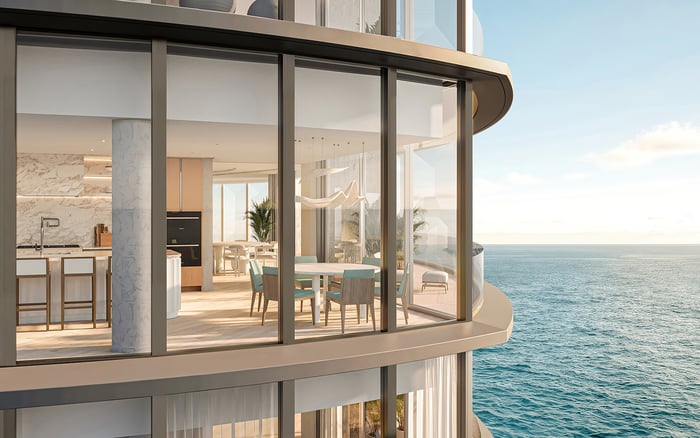
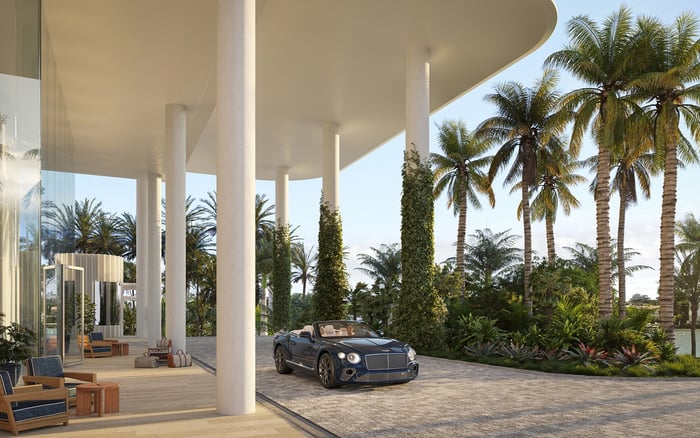
Beachfront prestige is never only about the view. It is about how the building meets the coast, how the residence receives light, how common areas feel on arrival, and whether the address carries a sense of permanence. Oceanfront ownership in either market should be evaluated through the full sequence: approach, lobby, elevator, residence, terrace, and return to the beach.
In Miami Beach, buyers often look for a residence connected to a broader design and lifestyle conversation. A building such as The Perigon Miami Beach speaks to that preference for a highly considered beachfront address, while Shore Club Private Collections Miami Beach appeals to those drawn to Miami Beach as both a private residential choice and a recognizable coastal setting.
Bal Harbour prestige is quieter in tone. It is less about being seen moving through the scene and more about the relief of arriving somewhere composed. For buyers studying this side of the comparison, Rivage Bal Harbour and Oceana Bal Harbour place the emphasis on a refined residential identity within the Bal Harbour context.
Retail access matters, but it should not be reduced to a pin on a map. At the top end of the market, the relevant question is whether retail access supports the owner’s rhythm without compromising the atmosphere of the home. A property can be close to activity and still feel calm. It can also be technically convenient yet feel too exposed for a buyer who values privacy above all else.
For Miami Beach buyers, retail access is often part of a larger lifestyle matrix. Dining, wellness, design, art, and hospitality may matter as much as shopping itself. The owner may want options, spontaneity, and a neighborhood that can shift from daytime ease to evening energy without requiring a major change of setting.
For Bal Harbour buyers, retail access is usually judged through a more edited lens. Convenience is important, but the preferred experience is polished and efficient rather than expansive. The luxury is not the sheer number of options. The luxury is not having to think too hard about the route, the arrival, or the tone of the environment once there.
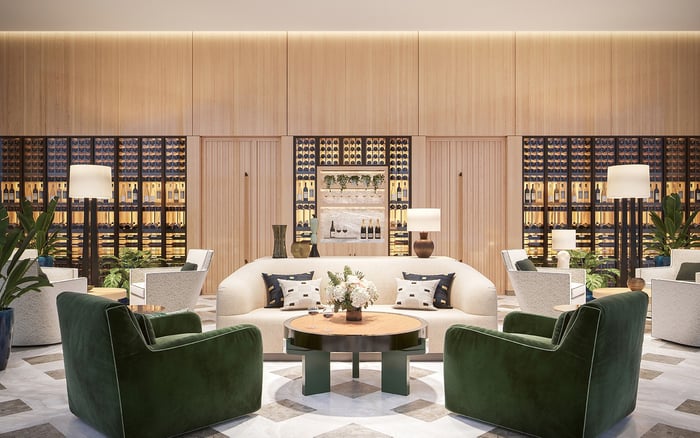
Privacy is not a single amenity. It is a layered condition created by planning, staffing, security posture, elevator design, amenity culture, and the behavior of other residents. The most private home is not always the most hidden one. It is the home where transitions feel controlled.
In Miami Beach, privacy must often be balanced with energy. The best fit is usually a building that gives the owner access to the Miami Beach lifestyle while creating separation at the point of arrival. A buyer considering Setai Residences Miami Beach, for example, is typically not looking to disappear from the city. The goal is to own within an iconic setting while preserving a high degree of personal control.
In Bal Harbour, the privacy proposition is more central to the identity. The area’s appeal is not merely beachfront living, but the feeling that daily life can be edited down to the essential. Exclusive-area buyers often prefer fewer interruptions, quieter lobbies, more discreet service interactions, and a residential culture that understands understatement.
Beach access should also be assessed through privacy. A beautiful shoreline is only part of the equation. Owners should ask how they reach the beach, how visible that transition feels, and whether the path from residence to sand aligns with how they actually live.
The Miami Beach buyer is often choosing a more expressive form of ownership. This does not necessarily mean a louder life. It means the buyer wants the option of cultural access, design relevance, and social movement without leaving the coastal frame. The residence is a retreat, but it is not isolated from the city’s pulse.
This profile works especially well for owners who split time between multiple homes and want the South Florida residence to feel animated when they arrive. It can also suit collectors, entrepreneurs, and families who value a setting that can accommodate both quiet mornings and highly social evenings.
The tradeoff is calibration. A buyer should be exacting about building culture, guest traffic, amenity programming, and how public or private the arrival sequence feels. In Miami Beach, the right building selection matters as much as the neighborhood choice.
The Bal Harbour buyer typically seeks a more composed ownership experience. The appeal is not the absence of luxury, but the absence of unnecessary friction. The residence should feel prepared, ordered, and protected from the casual intensity that can accompany more active districts.
This profile is particularly compelling for owners who value discretion, efficient access to refined retail, and a quieter beachfront cadence. It can also suit buyers who entertain selectively and prefer the home to operate as a private world rather than a social platform.
The tradeoff is intentionality. Bal Harbour may not deliver the same range of spontaneous urban texture that some Miami Beach buyers prize. For the right owner, that is precisely the point. The decision is less about having everything nearby and more about having the right things nearby, with fewer distractions in between.
Begin with the day, not the brochure. Where will breakfast happen? How often will guests arrive? Does the owner want to walk into activity, or return from it? Should the building feel like a private club, a design statement, a resort sanctuary, or a near-invisible base for a larger life?
Then test the three decisive variables together. Beachfront prestige establishes emotional value. Retail access shapes daily convenience. Owner privacy determines whether the home remains restorative over time. A residence that wins on two but fails on the third may not be the right long-term fit.
The most sophisticated buyers do not ask whether Miami Beach is better than Bal Harbour. They ask which one protects their preferred version of South Florida. That distinction is where real confidence begins.
Is Miami Beach or Bal Harbour better for beachfront prestige? Both can satisfy a luxury beachfront brief. Miami Beach often feels more expressive, while Bal Harbour tends to feel more restrained.
Which area is better for owner privacy? Bal Harbour generally appeals to buyers who put discretion first. In Miami Beach, privacy depends heavily on the specific building and arrival sequence.
Does retail access matter at this price point? Yes, but not as a simple distance calculation. The quality, ease, and tone of the retail experience matter more than proximity alone.
Who is the ideal Miami Beach buyer? A Miami Beach buyer often wants coastal living with cultural energy nearby. The residence should provide retreat without removing the owner from the city’s rhythm.
Who is the ideal Bal Harbour buyer? A Bal Harbour buyer usually values calm, polish, and discretion. The home is expected to feel composed before it feels performative.
Should second-home buyers choose differently than primary residents? They should focus on how the residence feels during arrival and departure. A second home must be especially easy to re-enter after time away.
How important is beach access in the decision? Beach access is important, but the experience must feel private and effortless. The path from residence to shoreline should match the owner’s lifestyle.
What should buyers compare during a private tour? Compare arrival, lobby tone, elevator flow, residence privacy, terrace usability, and service culture. These details reveal more than a view alone.
Can Miami Beach still feel private? Yes, with the right building. The key is choosing a residence that creates separation from the surrounding energy.
Can Bal Harbour feel too quiet for some buyers? It can for buyers who want constant activity close by. For others, that quiet is the defining luxury.
For a discreet conversation and a curated building-by-building shortlist, connect with MILLION.
If branded residences are on your mind — as a home or as an allocation — we would be glad to share what we are seeing, privately.
Begin a quiet conversation