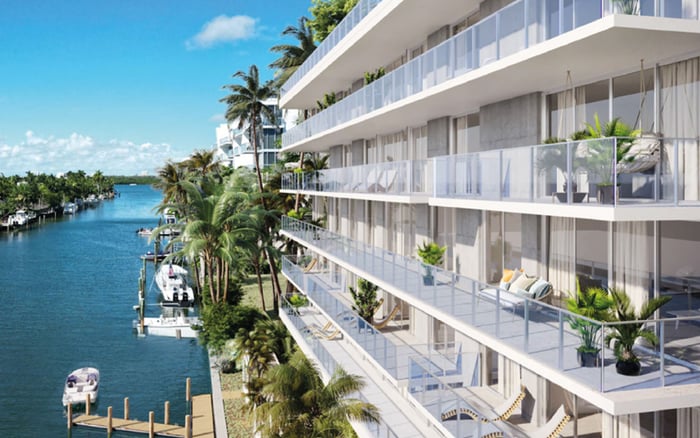
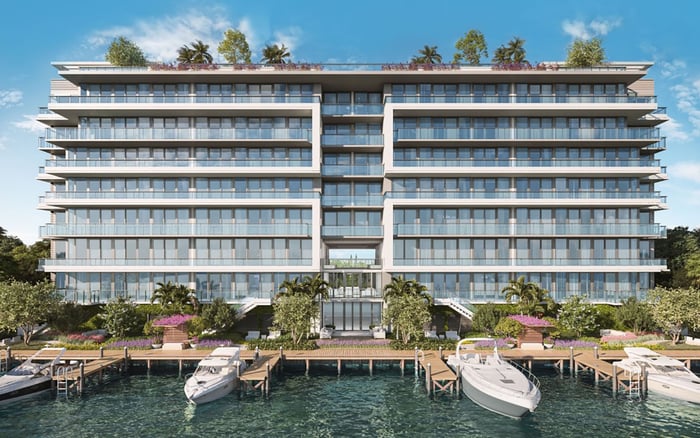
A discreet 2026 due-diligence guide for Origin Bay Harbor Islands buyers, centered on milestone-inspection status, document review, contract timing, and risk calibration before purchase.
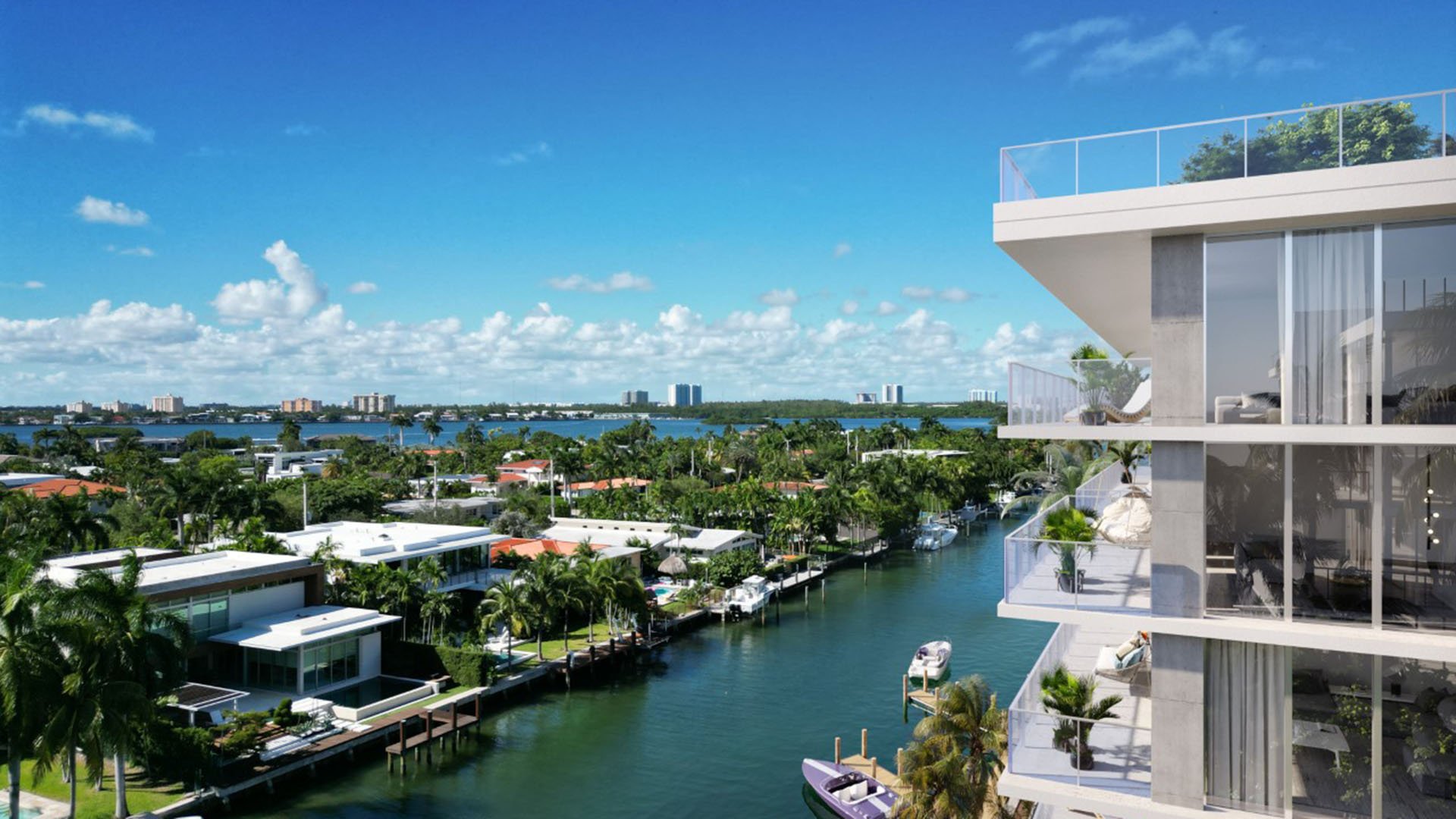
Origin Bay Harbor Islands sits within one of South Florida’s most closely examined luxury condominium submarkets, where a beautiful residence is only one part of the acquisition story. For 2026 buyers, the more sophisticated question is not simply whether a building feels right, but whether its documentation supports the price, the financing, the insurance conversation, and the long-term ownership thesis.
The Origin Bay Harbor Islands project page gives buyers a central place to begin understanding the property in context. From there, due diligence should become more granular. Milestone-inspection status, if applicable, should be treated as a threshold item, not a late-stage formality. The goal is to understand what has been reviewed, what has been delivered in writing, what remains open, and whether any obligations could affect timing, budget, or negotiating leverage.
This is not a call for alarm. It is the opposite. The best luxury acquisitions feel calm because the buyer has insisted on clarity before emotion hardens into commitment.
A serious buyer should begin with a written request for the current milestone-inspection position. The response should identify whether the building is subject to a milestone review, whether any review has been completed, whether additional phases or follow-up items exist, and who is responsible for addressing them. If the position is that the requirement is not applicable, the buyer should still ask for that conclusion in writing.
Next, request board or association records that speak to structural maintenance, capital planning, insurance, and any known repair obligations. For a condominium purchase, the elegance of the lobby matters less than the precision of the file. Look for consistency among budgets, reserves, meeting materials, insurance documents, and any engineering or professional correspondence made available through the transaction process.
The same discipline applies to contract timing. Inspection periods can be brief, and luxury buyers often move quickly when inventory is limited. A buyer should confirm that the document request is made early enough to allow legal, engineering, insurance, and lending review before deadlines expire. If information arrives late, the contract should be managed accordingly.
Before waiving any contingency, ask four direct questions. First, has the milestone-inspection status been confirmed in writing? Second, are there open items, recommended repairs, or future evaluations that could become owner costs? Third, does the association budget reflect the building’s known needs? Fourth, have insurance and financing parties had enough time to review the same documents the buyer has reviewed?
These questions are practical, not adversarial. A well-run condominium should be able to respond in an organized manner, even if some items require additional clarification. Silence, delay, or inconsistent answers do not automatically mean a problem exists, but they do mean the buyer should slow the pace.
For a Bay Harbor buyer comparing nearby condominium options, the same approach can be applied across the market. A residence at Alana Bay Harbor Islands may appeal to one lifestyle profile, while La Baia North Bay Harbor Islands may invite a different waterfront comparison. The diligence standard should remain constant: verify status, read the documents, and price uncertainty carefully.
Bay Harbor Islands is often associated with boutique scale, privacy, water proximity, and a more residential rhythm than larger urban towers. That intimacy is part of the appeal. Yet boutique does not mean informal. In fact, smaller associations can require an even sharper review of reserves, maintenance planning, and the potential concentration of costs among fewer owners.
New-construction status, recent completion, or contemporary design language should not be used as a substitute for documentation. Buyers should still ask how the building is being maintained, what warranties or obligations may exist, and how the association is preparing for future capital needs. The same holds for resale opportunities in newer buildings: the paper trail matters because it converts design confidence into ownership confidence.
When comparing Origin Bay Harbor Islands with Onda Bay Harbor and The Well Bay Harbor Islands, the exercise should not be reduced to amenities or finishes. A refined buyer weighs governance, building documentation, reserve posture, and the clarity of any inspection history alongside light, views, floor plan, and arrival experience.
Milestone-inspection diligence can affect value in subtle ways. A clean, well-organized file can support confidence and reduce friction. An incomplete file does not necessarily undermine a purchase, but it may justify a longer review period, additional representations, escrow discussions, or a more conservative offer.
The key is to separate aesthetic value from technical uncertainty. Waterview appeal, terrace proportions, interior finish, and privacy may justify a premium, but unresolved documentation should be priced as risk until it is resolved. Investment buyers should be especially disciplined because carrying costs, association obligations, insurance dynamics, and future capital requirements can alter net returns.
The most polished negotiation is not loud. It is documented. Ask for what is needed, define review deadlines, and keep every material response in the transaction file. If a seller or association provides clarification, preserve it. If a lender or insurer requests additional detail, address it before the closing calendar becomes compressed.
For a high-value condominium acquisition, buyers should assemble the review team early. Real estate counsel should examine contract rights, document delivery obligations, association disclosures, and contingency language. An engineer or qualified building professional can help interpret structural or maintenance materials if they are made available. An insurance advisor can identify whether building-level coverage or known conditions could influence the buyer’s own placement. A lender, if involved, should review relevant documents before financing deadlines become urgent.
This team does not need to overcomplicate the purchase. Its role is to protect the buyer’s optionality. In a market where desirable residences can command swift attention, preparation is the advantage. The strongest buyers are often the ones who can move decisively because they know exactly which questions must be answered before they do.
What is the main due-diligence focus for Origin Bay Harbor Islands in 2026? The focus is confirming milestone-inspection status, if applicable, and reviewing the related building documentation before key contract deadlines.
Should a buyer assume Origin Bay Harbor Islands has a completed milestone inspection? No. A buyer should request written confirmation of status and avoid assumptions unless the relevant documentation is provided and reviewed.
What documents should be requested first? Buyers should ask for inspection-status confirmation, association records, budgets, reserve materials, insurance information, and any available professional correspondence.
Is milestone-inspection diligence only for older buildings? Not necessarily. Even when a requirement is not applicable, buyers should ask for written clarification and review broader maintenance and governance records.
Can documentation affect negotiating leverage? Yes. Clear records can support confidence, while incomplete or delayed information may justify added time, conditions, or more conservative pricing.
Why compare Origin Bay Harbor Islands with other Bay Harbor projects? Comparisons help buyers separate lifestyle preference from documentation quality, cost structure, and long-term ownership discipline.
Should cash buyers still complete this review? Yes. Cash removes lender timing, but it does not remove structural, insurance, association, or future capital-risk considerations.
Who should review technical materials? Counsel, an engineer or qualified building professional, an insurance advisor, and a lender when financing is involved should review relevant materials.
When should document requests be made? They should be made as early as possible, ideally before inspection and contingency periods become difficult to extend.
What is the best way to shortlist comparable options for touring? Start with location fit, delivery status, and daily lifestyle priorities, then compare stacks and elevations to validate views and privacy.
For a tailored shortlist and next-step guidance, connect with MILLION.
If branded residences are on your mind — as a home or as an allocation — we would be glad to share what we are seeing, privately.
Begin a quiet conversation