A buyer-focused look at Rivage Bal Harbour through the lens of serious art placement, refined interiors, move-in planning, and delivery discipline.
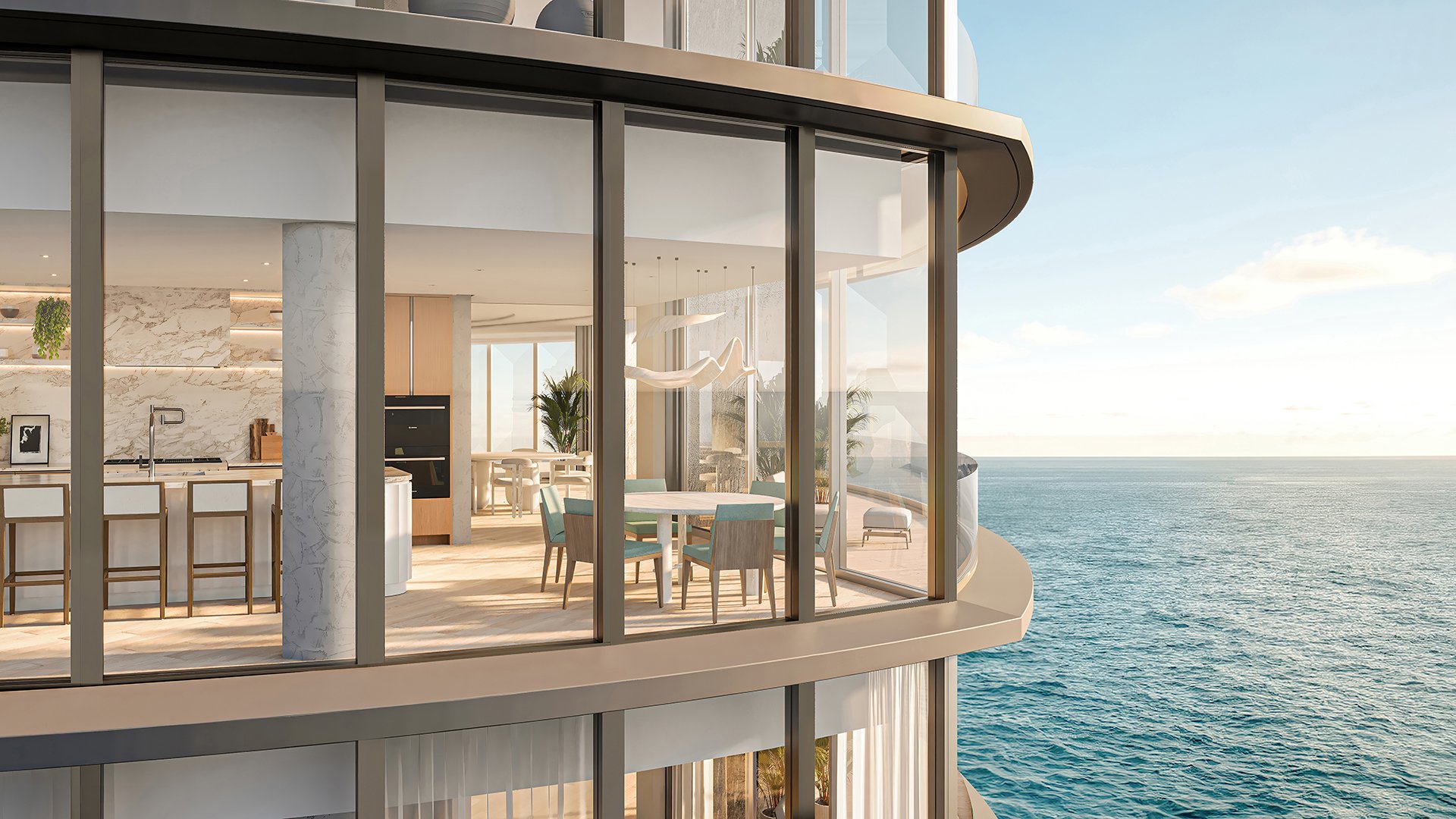
For a certain Bal Harbour buyer, the question is not simply whether a residence is beautiful. It is whether the residence can receive, protect, illuminate, and quietly support a serious way of living. That may include large-scale artwork, collectible design, specialty wall finishes, custom lighting scenes, temperature-sensitive objects, and a move-in process coordinated with the discipline of a private gallery installation.
That is the buyer lens behind Rivage Bal Harbour: not a generic search for a luxury condominium, but a more exacting evaluation of how a residence performs before the first dinner party, before the first hanging plan, and before the first white-glove delivery truck arrives. In this segment, value often lives in the invisible choreography. The best homes feel effortless because the complicated work was anticipated early.
Within a search brief, terms such as Bal Harbour, new construction, pre-construction, boutique scale, oceanfront living, and beach access may help organize the conversation. Yet the sophisticated buyer goes further, translating lifestyle language into practical questions about walls, elevators, receiving areas, building rules, staging windows, and the degree of control available during handover.
Art-ready is not merely a decorative phrase. For buyers with meaningful collections, walls are functional surfaces. The conversation should include backing, substrate, hanging capacity, reveal details, corner conditions, lighting positions, outlet placement, and the relationship between artwork and furniture scale. A spectacular room can still be difficult if the best wall is interrupted by a control panel, a return vent, or a passage that compromises viewing distance.
In a new or pre-completion setting, the advantage is timing. Buyers may have an opportunity to ask better questions before the residence is finalized. That does not mean every request will be possible, but it does mean the evaluation can become more technical. A collector may want to understand which walls are suitable for heavier pieces, where picture lighting or recessed accents may be feasible, and how media, shades, and climate systems can be coordinated without visually crowding the architecture.
Scale is equally important. Large-format works require more than wall area. They require approach, clearance, unpacking space, and a path from building entry to final placement. The correct advisory process treats the art plan and the delivery plan as connected parts of the same acquisition.
In ultra-prime buildings, discretion is a form of service. Controlled delivery logistics protect not only the buyer's property, but also the tone of arrival. For collectors, designers, and families moving from another estate, the handover period may involve furniture, crates, lighting components, rugs, specialty stone, wardrobe systems, and art handlers arriving in a sequence that must be managed precisely.
A buyer should understand the building's expected procedures for reservations, elevator protection, dock or loading access, insurance certificates, contractor approvals, after-hours permissions, and limits on concurrent vendors. These details are rarely glamorous, but they can determine whether move-in feels calm or chaotic. They also affect cost. Delays, rescheduling, storage extensions, and repeated site visits can become expensive when valuable objects and specialized teams are involved.
The most prepared buyers begin this work before closing or handover. They coordinate interior designers, art advisors, movers, insurance representatives, and building management around one shared calendar. They review crate dimensions, elevator capacities, packing sequences, and areas where temporary protection may be needed. For a residence intended to feel composed from the first week, delivery control is not an afterthought. It is part of the luxury experience.
Bal Harbour has long appealed to buyers who prefer quiet confidence over spectacle. The appeal is not only proximity to sand, shopping, and private residential calm. It is the sense that daily life can be highly polished without being performative. For buyers with art, design, and collectible furnishings, that restraint matters. A home can serve as a private salon, a seasonal retreat, or a long-term base without requiring constant explanation.
This is why the operational side of ownership should be weighed alongside architecture and finishes. A buyer may love a floor plan, but the better question is whether the residence can accommodate the way the buyer actually lives. Will the main entertaining room allow a strong focal wall? Can art be viewed without glare at key hours of the day? Are there quiet zones for study, collecting, or family use? Can service circulation remain discreet when deliveries, chefs, stylists, or installation teams are present?
In this context, Rivage Bal Harbour is best considered through a performance lens. The residence should be evaluated not only for first impression, but for how gracefully it supports ownership after the keys are delivered.
The most productive tour is not rushed. It should begin with the buyer's real inventory, even if approximate: major artworks, oversized furniture, fragile pieces, lighting needs, and the desired rhythm of installation. Bring measurements, images, and priorities. If a designer or art advisor is involved, include that professional early rather than after a preferred residence has already been selected.
During the walk-through, treat each principal room as a composition. Identify the wall that will carry the most important work. Stand at the natural viewing distance. Consider the path of sunlight, the likely location of seating, and the presence of doors, hardware, speakers, outlets, or thermostats. Then shift from beauty to logistics. Ask how the piece reaches that wall. Ask where it can be unpacked. Ask whether temporary staging can be accommodated without disrupting other residents or building operations.
For buyers comparing residences, this exercise can be clarifying. The best choice may not be the one with the most dramatic initial photograph. It may be the residence with the most adaptable wall planes, the cleanest circulation, the most manageable delivery sequence, and the fewest compromises between art, furniture, and everyday living.
Before committing, buyers should ask for clarity on building procedures that affect vendors, deliveries, protection, and installation. They should also understand which interior modifications are permitted, which require approval, and which are not appropriate. The aim is not to turn a residence into a construction project. The aim is to avoid discovering preventable limitations after the purchase decision has been made.
Insurance should also be part of the conversation. Valuable art and design pieces may require specific handling protocols, documentation, climate considerations, and approved vendors. A residence that looks ready may still need a coordinated plan for transport, receiving, condition review, installation, and final placement. In the rarefied end of the market, this level of preparation is not excessive. It is simply aligned with the assets being moved.
For buyers who want an elegant, low-friction transition, the most important word is sequence. Select the residence, verify the walls, confirm the delivery path, coordinate vendors, reserve access, protect the interiors, install with care, and only then style the home for daily life.
What does art-ready mean for a luxury condominium buyer? It means evaluating walls, lighting, circulation, and installation logistics before purchase, especially when important artworks or collectible design pieces are involved.
Should an art advisor join the buying process early? Yes, if the collection is meaningful. Early input can help identify suitable walls, glare issues, installation paths, and potential constraints.
Why do delivery logistics matter so much in Bal Harbour? High-value residences often require discreet, carefully timed movement of art, furniture, and specialty items, with building procedures followed precisely.
Can buyers assume every large wall can hold heavy artwork? No. Buyers should verify backing, structure, permitted installation methods, and any building approval requirements before planning major placements.
Is pre-completion timing useful for collectors? It can be useful because questions about lighting, wall preparation, and coordination may be easier to raise before final handover.
What should be measured before move-in? Buyers should measure artwork, furniture, crates, elevators, corridors, door clearances, and any area needed for unpacking or staging.
How should buyers compare two similar residences? Compare usable wall planes, natural light, privacy, delivery path, vendor access, and the ease of arranging furniture around key works.
Are building rules part of art due diligence? Yes. Rules for vendors, insurance certificates, elevator reservations, work hours, and protection can directly affect installation planning.
What is the main risk of waiting until after closing? Buyers may discover avoidable constraints involving wall capacity, lighting, access, or scheduling after design and delivery commitments are already made.
Who is the ideal buyer for this kind of approach? A buyer who values privacy, precision, art, design, and a controlled arrival experience will benefit most from this level of planning.
For a confidential assessment and a building-by-building shortlist, connect with MILLION.
If branded residences are on your mind — as a home or as an allocation — we would be glad to share what we are seeing, privately.
Begin a quiet conversation