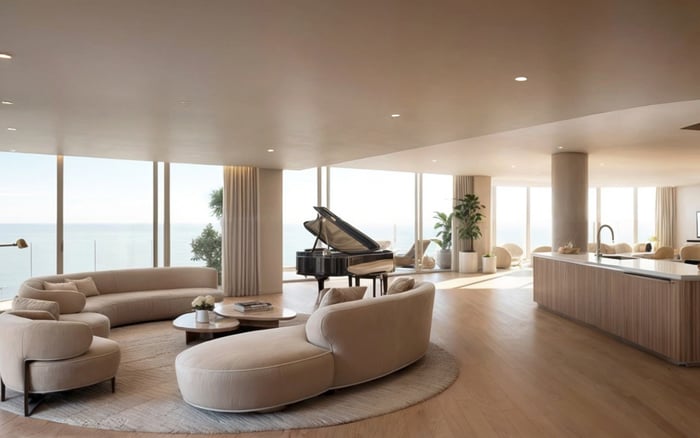
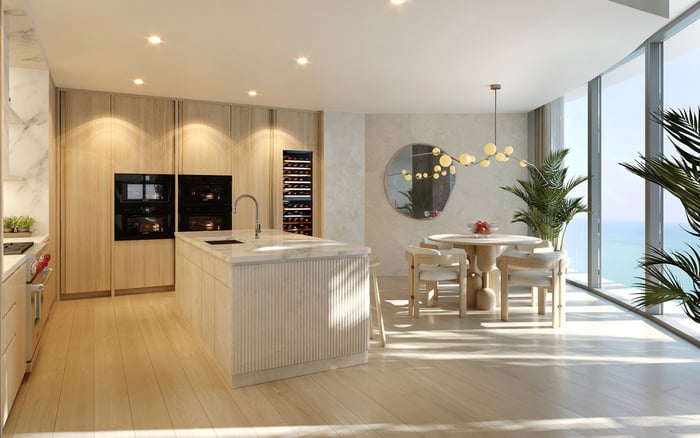
An analytical look at Rivage Bal Harbour through the lens of discreet branded service, controlled access, and the private rhythms that matter most to ultra-luxury condominium buyers.
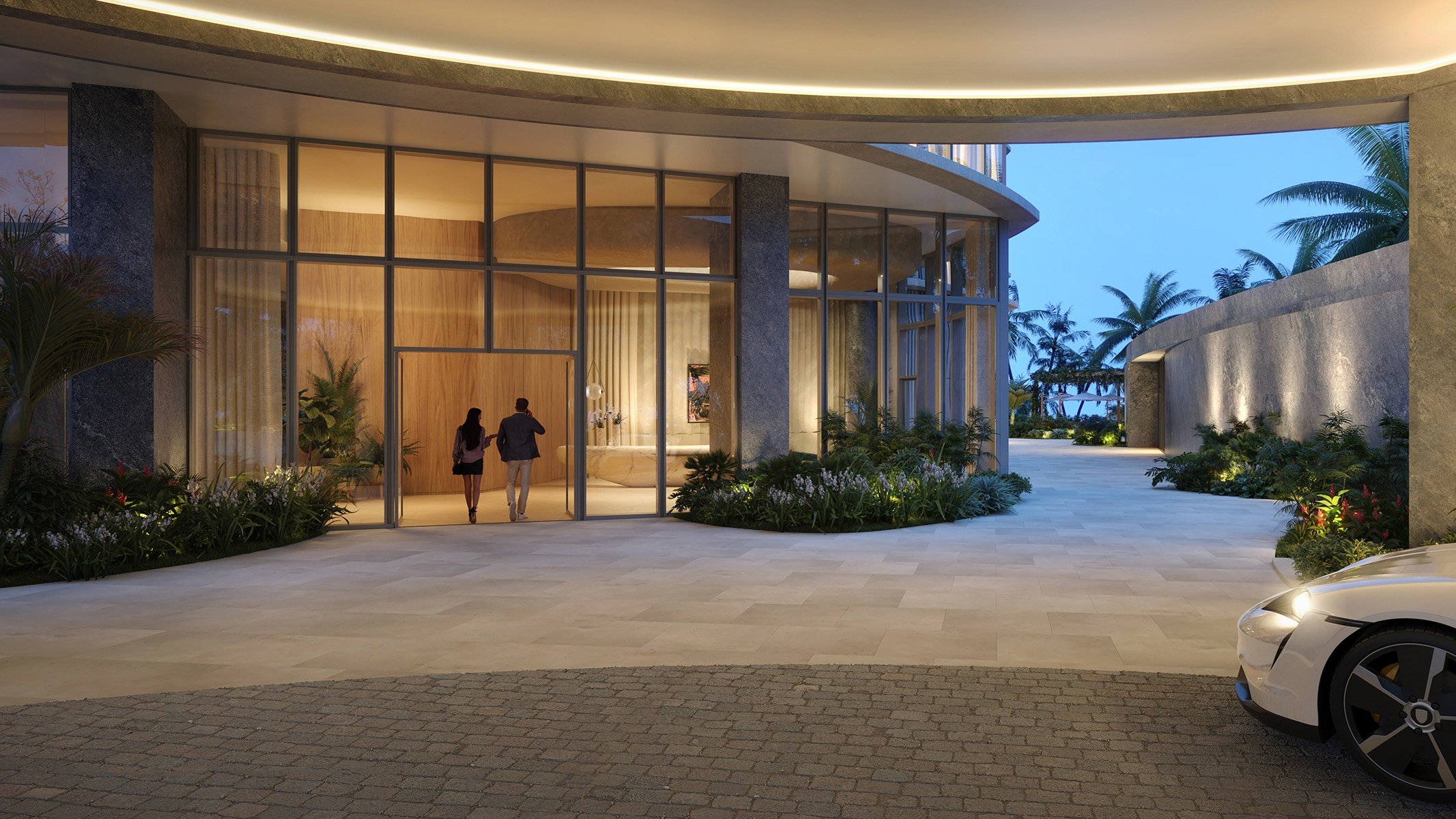
For the ultra-luxury buyer, Rivage Bal Harbour is not merely a question of oceanfront address or amenity count. The more revealing test is whether branded service can be delivered without compromising the quiet residential privacy that high-net-worth owners expect in Bal Harbour.
That distinction matters. At the top of the South Florida condominium market, service is no longer judged only by availability. It is judged by timing, discretion, restraint, and the extent to which daily life becomes easier without becoming more exposed. The most sophisticated owners do not necessarily want more touchpoints. They want touchpoints that are better calibrated.
At Rivage Bal Harbour, the buyer-experience conversation should therefore begin with a simple question: does the service model feel present when needed and invisible when not? That balance defines the difference between hospitality that anticipates needs and hospitality that intrudes. In a private residence, the highest expression of service is often the one that leaves the owner with fewer decisions, fewer explanations, and fewer visible interruptions.
Privacy in this segment is both physical and social. Physical privacy concerns how owners arrive, how guests are received, how staff move through the property, and how access is controlled. Social privacy is more subtle. It involves whether residents feel observed, whether routines become too visible, and whether the building’s operations preserve a low-profile residential environment.
This is particularly important in Bal Harbour, where discretion has long been part of the luxury language. Bal Harbour may appear as a simple market tag, but for buyers it signals a more controlled way of living, one where oceanfront convenience is expected to coexist with calm, order, and separation from the transient energy of resort districts.
For Rivage, privacy should be assessed at each practical moment of ownership. Arrival and valet establish the first impression. Concierge communication determines whether service feels polished or repetitive. Guest handling affects both comfort and security. Amenity reservations reveal how well the building manages demand without creating friction. Staff access and in-residence service boundaries determine whether owners feel supported or interrupted inside their own home.
The strongest luxury promise at Rivage Bal Harbour is not simply more service. It is service delivered with restraint, discretion, and control. That point is critical because the buyer in this category often wants resort-level convenience without the sensation of living inside a hotel.
Oceanfront ownership can create an expectation of ease: arrivals should be smooth, requests should be remembered, and the building should feel managed at a level that removes daily inconvenience. Yet the home itself must remain a sanctuary. Owners should not feel that operational excellence comes at the cost of visibility.
This is where Rivage sits within a broader Bal Harbour and northern Miami Beach luxury conversation. Established references such as Oceana Bal Harbour have helped frame the area around privacy, artful living, and beachfront prestige. Nearby Surfside benchmarks, including Fendi Château Residences Surfside and The Surf Club Four Seasons Surfside, also reinforce the idea that service quality and residential discretion can both influence perceived value.
The comparison is not about copying a model. It is about understanding the standard buyers bring to the showing table. They are often measuring how a building will feel after the novelty fades: how staff greet returning owners, how vendors are routed, how family offices communicate with management, and how seamlessly a second-home owner can return after weeks away.
In any new-construction or pre-construction evaluation, renderings and amenity descriptions are only part of the decision. The more durable questions involve operations. Rivage Bal Harbour buyers should ask how service begins before move-in, how preferences are captured, and how the building intends to maintain consistency over time.
A useful due-diligence lens is the owner journey. How is an arriving resident identified? How are guests cleared? Can private staff or vendors access the residence without creating unnecessary lobby exposure? Are amenity reservations handled with discretion? How are special requests documented so that owners do not need to repeat themselves?
The best answers will be specific without being theatrical. Ultra-luxury buyers generally understand that service requires systems. What they do not want is a system that makes ownership feel institutional. For Rivage, the ideal service platform would make everyday life feel effortless while preserving the sense that the residence remains fully private.
That same logic applies beyond Bal Harbour. A branded tower such as The Ritz-Carlton Residences® Sunny Isles naturally places service at the center of buyer expectations, but the South Florida buyer is increasingly refined in how that service is judged. The brand may open the conversation. The day-to-day experience sustains it.
Service quality is not a soft detail at this level. It affects daily satisfaction, owner retention, and eventual resale perception. A building that consistently protects privacy while making ownership easier can earn a deeper kind of loyalty than one that relies only on amenity spectacle.
For Rivage Bal Harbour, that means the long-term value narrative should focus on operational elegance. Buyers are not only purchasing finishes, views, or access to shared spaces. They are buying a managed residential environment. If that environment allows them to host, arrive, work, retreat, and travel with minimal friction, the building becomes more than a home. It becomes part of their personal infrastructure.
This is why the choreography of staff, access systems, amenities, and in-residence boundaries deserves as much attention as design. In Bal Harbour’s ultra-luxury oceanfront market, privacy is not the absence of service. It is the condition that allows service to feel truly luxurious.
What is the central buyer question at Rivage Bal Harbour? The key question is whether branded service can feel effortless while daily ownership remains private, discreet, and residential.
Why is privacy so important for Rivage Bal Harbour buyers? The likely buyer values discretion, controlled access, and a low-profile environment where family, guests, staff, and vendors move with intention.
Is the Rivage appeal mainly about amenities? The stronger lens is not a headline amenity list, but how service is choreographed around private residential life.
How should buyers evaluate service before purchasing? They should study arrival, valet, concierge, guest handling, amenity reservations, staff access, and in-residence service boundaries.
What does branded service mean in a private condominium? It means a managed ownership experience that begins before move-in and continues through daily operations with consistency and discretion.
Can too much service become a drawback? Yes. Service that feels overly visible or intrusive can undermine the privacy that luxury condominium buyers are specifically seeking.
How does Rivage fit within Bal Harbour’s market? It belongs in the ultra-luxury oceanfront conversation, where privacy, service quality, and residential calm all influence buyer perception.
What is social privacy in this context? Social privacy means owners do not feel watched, overexposed, or required to make their routines visible to the building community.
Why does service affect resale perception? Consistent service can improve owner satisfaction and retention, which helps shape how future buyers perceive the building’s quality.
What is the ideal service balance for Rivage Bal Harbour? The ideal balance is resort-level convenience delivered with restraint, so owners feel supported at home rather than placed inside a hotel environment.
For a confidential assessment and a building-by-building shortlist, connect with MILLION.
If branded residences are on your mind — as a home or as an allocation — we would be glad to share what we are seeing, privately.
Begin a quiet conversation