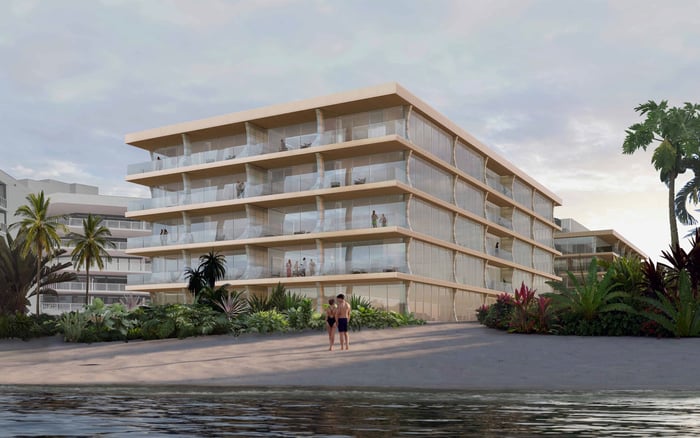
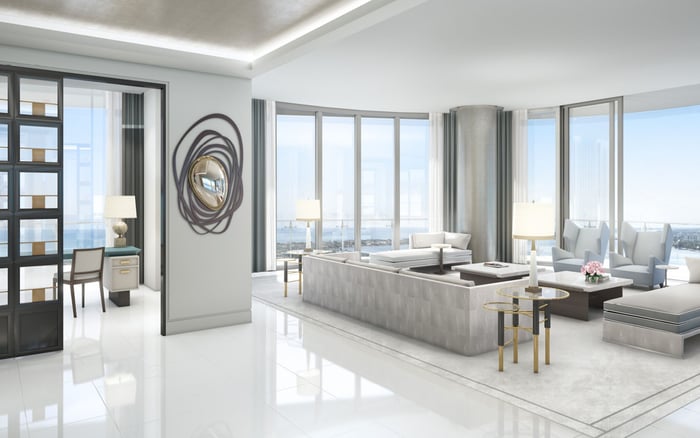
A discreet buyer’s guide to evaluating the private-aviation routine before purchasing in Palm Beach, with emphasis on timing, privacy, staff coordination, return-night comfort, and lifestyle fit.

For many Palm Beach buyers, the most valuable amenity is not always visible in a sales gallery. It is the quiet interval between closing the front door and settling into the aircraft cabin. A shorter private-aviation routine can make a second residence feel effortless, but only when it performs consistently under real household conditions.
The mistake is treating airport access as a map exercise. Distance matters, but it is only one variable. A polished routine also depends on the driveway sequence, security gate timing, luggage handling, driver coordination, guest arrivals, pets, staff support, and the emotional tone of the return home. The right purchase should reduce decisions, not simply reduce minutes.
For a Palm Beach buyer, the aviation question belongs in the same conversation as views, privacy, service, and resale discipline. If the flight routine is central to how the home will be used, it should be evaluated before contract with the same rigor applied to building quality and neighborhood fit.
Before comparing properties, define the actual travel pattern. Is the household leaving early on weekdays, departing with children during school breaks, arriving late after social weekends, or hosting guests who travel separately? Each version creates a different routine.
A useful pre-purchase test begins at the residence. Time the route from the moment the household is ready to leave, not from the moment the car enters traffic. Include elevator waits if applicable, garage access, valet choreography, bags, garment bags, golf clubs, pet carriers, and the point at which the principal no longer has to manage details. Then repeat the same scenario on return, when fatigue often reveals whether a property truly supports the lifestyle.
In West Palm Beach, buyers considering residences such as Alba West Palm Beach or Mr. C Residences West Palm Beach should run the same timed trial they would use for an estate purchase. The question is not whether the address sounds convenient. The question is whether the household can move from residence to aircraft with composure.
A shorter routine loses value if it exposes the household to unnecessary friction. Private aviation is partly about control: who sees the arrival, how long the car idles, whether luggage is handled out of view, and whether guests know exactly where to go. The best routines feel almost uneventful.
Buyers should ask practical questions. Can the driver stage without disrupting the property? Is there room for a second vehicle when guests or staff are traveling? Can luggage be loaded discreetly before the principal appears? If the household travels with pets, can that movement happen calmly and safely? If the property is a condominium, does the building’s arrival sequence support a swift exit without feeling public?
Privacy also includes mental privacy. A beautiful residence should not require a string of last-minute texts before every flight. When a routine depends on too many moving parts, the minutes saved on paper can disappear into coordination.
Departures tend to get the attention because they are scheduled. Returns are more revealing because they are emotional. After a flight, the buyer wants the residence to absorb the household easily: car waiting, bags transferred, home prepared, lighting set, food available, and no unnecessary decisions.
This is where the private-aviation routine becomes part of residential design. A late return to Palm Beach should feel ceremonial in the quietest sense. The entrance should be clear, the staff plan should be intuitive, and the path from car to bedroom should not feel like another stage of the trip.
Buyers should also test how the home performs when the arrival is imperfect. If luggage is delayed, if guests arrive in another car, if a pet needs immediate attention, or if the household returns during a busy local evening, does the property still work? The best address is often the one that keeps a complicated day from feeling complicated.
Aviation access should be evaluated alongside the broader social and domestic pattern. Palm Beach may be the emotional center of the search, but the strongest purchase decision sometimes comes from comparing how nearby markets support the same travel life.
A buyer comparing The Ritz-Carlton Residences® Palm Beach Gardens with Alina Residences Boca Raton is not simply choosing between locations. The buyer is choosing the geometry of a week: dinners, schools, clubs, family visits, staff routes, wellness appointments, and flight departures. Boca Raton may serve one rhythm; Palm Beach Gardens may serve another; West Palm Beach may appeal to buyers who want a different daily cadence near the island orbit.
Lifestyle, in this context, is logistics made elegant. The goal is not to live near an airport for its own sake. The goal is to own a residence that makes travel feel like a natural extension of the home.
Before removing contingencies or committing emotionally, buyers should run an aviation trial. Use the actual driver, the likely vehicle, the real luggage load, and the preferred departure time. If the household manager, pilot, or aviation adviser is part of the normal travel process, include them.
The trial should answer five questions. First, how long does the entire routine take from residence readiness to aircraft readiness? Second, where does friction appear? Third, who must be involved for the routine to work? Fourth, how does the return feel after a long day? Fifth, would the buyer still like the property if this routine happened every week during season?
This exercise often clarifies the search. A home with extraordinary interiors may fall behind if the aviation routine feels exposed or overmanaged. Conversely, a residence with a slightly quieter profile may rise if the travel sequence is calm, repeatable, and dignified.
The shortest route is not always the superior route. A marginally longer routine may offer better privacy, smoother staging, easier guest coordination, or a more gracious arrival home. For an ultra-premium buyer, the premium is not merely speed. It is predictability.
The best purchase is the one that aligns aviation with the way the owner actually lives. If the household travels often, the routine becomes a recurring amenity. If the home is used seasonally, it becomes the first and last impression of every stay. In both cases, the private-aviation test should happen early enough to influence the property decision, not late enough to become a regret.
Should aviation access be a primary factor when buying in Palm Beach? It should be primary if private travel is central to how the residence will be used. Treat it as part of the home’s functional luxury, not a secondary convenience.
Is the closest property always the best choice for private aviation? No. The better choice is the residence with the most predictable, private, and comfortable routine from departure through return.
When should a buyer test the aviation routine? Ideally before finalizing the shortlist or entering a binding stage. Testing early prevents lifestyle friction from being discovered after emotional commitment.
What should be included in a door-to-aircraft timing test? Include residence exit, elevators or gates, valet or garage timing, luggage loading, traffic, FBO arrival, and the moment boarding becomes effortless.
Should buyers test the return trip as well? Yes. Return-night comfort often reveals whether the residence truly supports the household after travel fatigue.
How does staff coordination affect the routine? Staff can turn a good location into an excellent routine if roles are clear. Without coordination, even a close address can feel inefficient.
Do condominium buyers need a different aviation checklist? Yes. They should review elevator flow, valet staging, guest pickup, luggage handling, and privacy in shared arrival areas.
How should pet travel be considered? Pets add timing, space, and calmness requirements. The best routine should handle them without disrupting the principal or other residents.
Can nearby markets still fit a Palm Beach aviation lifestyle? Yes, if the broader weekly rhythm works. Compare Palm Beach, West Palm Beach, Palm Beach Gardens, and Boca Raton through the lens of actual use.
What is the main risk of ignoring the aviation routine? The buyer may acquire a beautiful residence that feels inconvenient every time travel is required. Repeated friction can diminish the pleasure of ownership.
For a discreet conversation and a curated building-by-building shortlist, connect with MILLION.
If branded residences are on your mind — as a home or as an allocation — we would be glad to share what we are seeing, privately.
Begin a quiet conversation