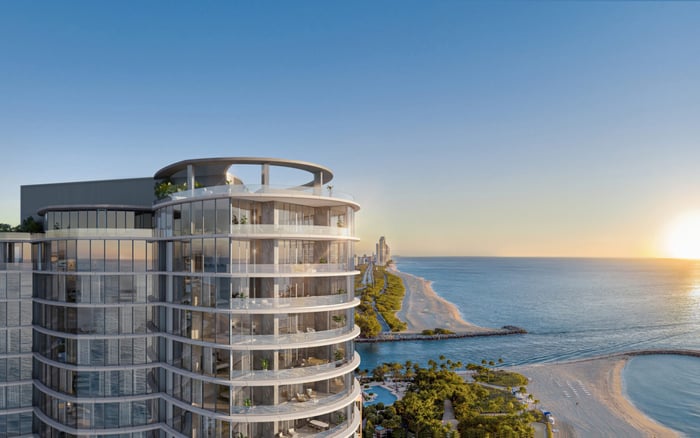
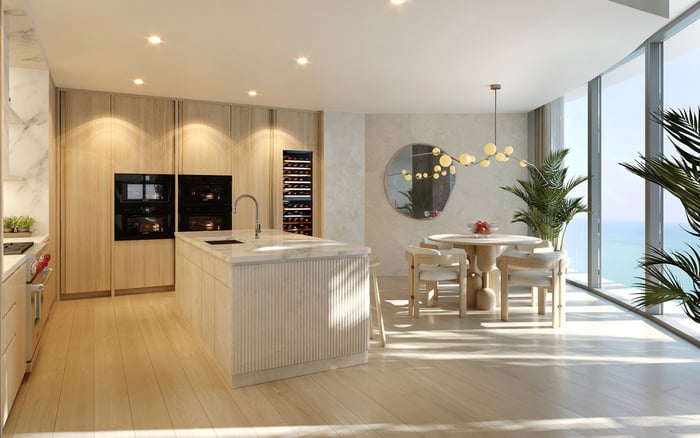
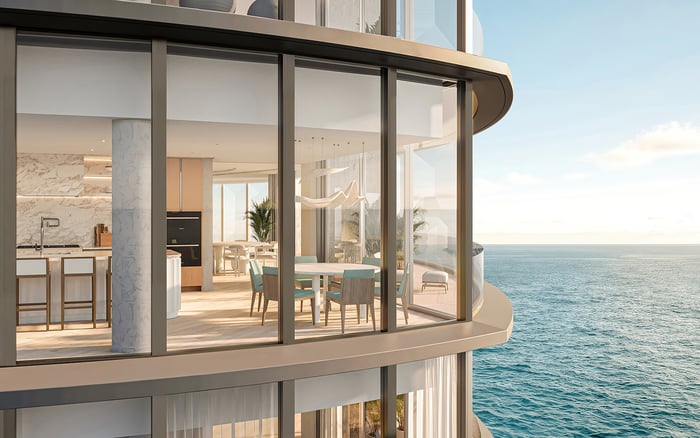
Rivage Bal Harbour reframes the lock-and-leave conversation around privacy, service, boutique scale, and the desire for an oceanfront residence that is ready when its owner returns.
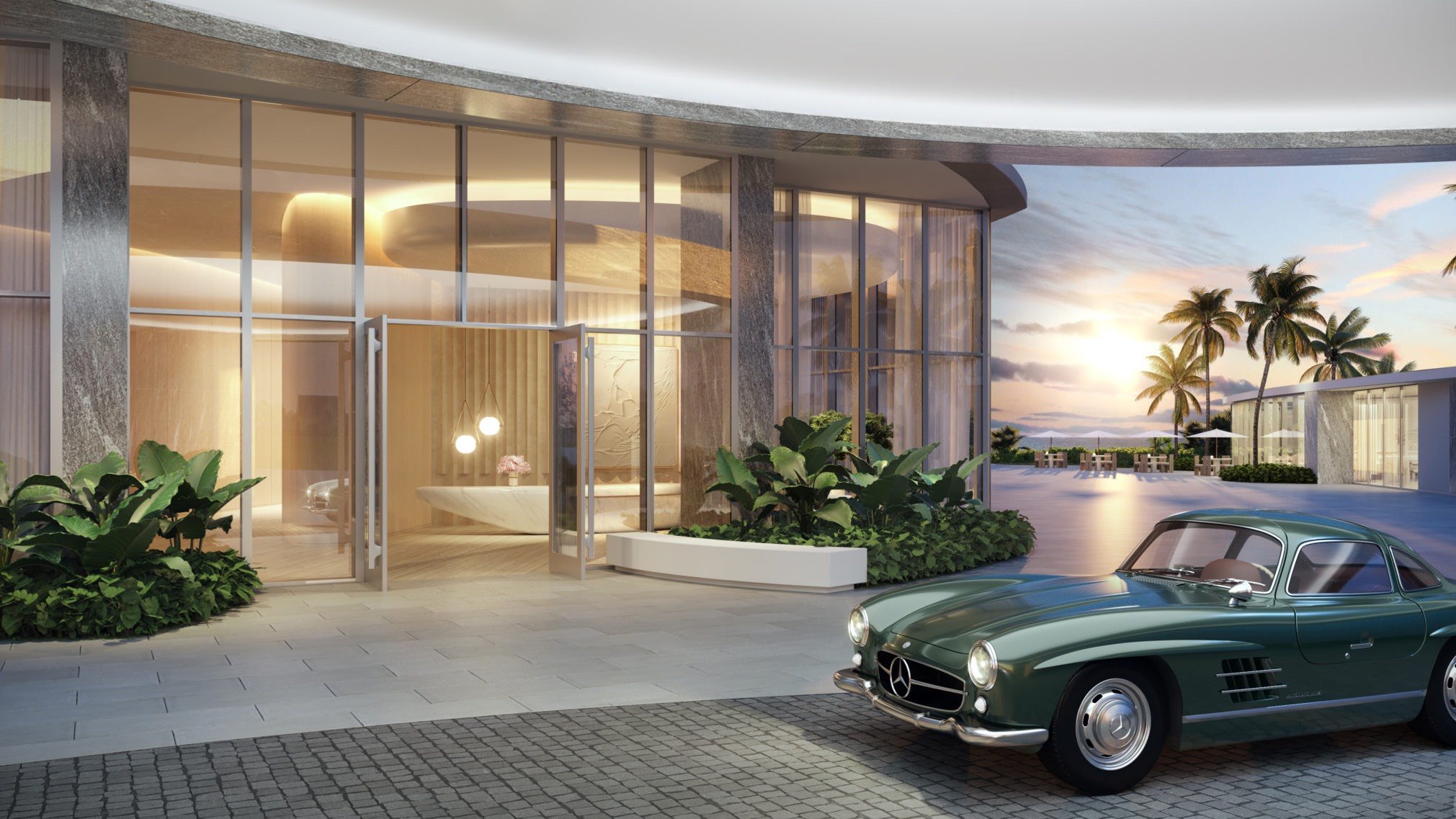
For a certain class of South Florida buyer, the highest luxury is not abundance. It is confidence. The residence must feel personal when occupied, protected when quiet, and impeccably prepared when the owner returns. That is the essence of lock-and-leave ownership, and it is where Rivage Bal Harbour enters the Bal Harbour conversation with particular relevance.
The premise is simple, but exacting: an owner may use a residence intensively for limited periods, then leave knowing it can be secured, serviced, maintained, and kept ready between visits. In practical buyer vocabulary, this places Rivage Bal Harbour at the intersection of Bal-harbour, Oceanfront, Boutique, Second-home, and New-construction priorities. The point is not simply to own a beautiful address. It is to own one that does not behave like a second job.
Rivage Bal Harbour is positioned as more than additional oceanfront inventory. Its relevance comes from how it refines the top-end lock-and-leave model for owners who may not be present year-round. That distinction matters. A part-time residence must support two rhythms with equal poise: full enjoyment during stays and disciplined stewardship during absences.
The project’s boutique scale is central to that fit. In lock-and-leave ownership, scale is not only an aesthetic preference. It shapes privacy, circulation, service feel, and the degree to which a building can feel composed rather than crowded. For buyers who value discretion, a boutique environment can make the transition between arrival and departure calmer, quieter, and more controlled.
Rivage is also framed as a non-hotel residential offering with a hotel-caliber amenity program. That balance is important. Many sophisticated buyers want the support associated with a resort-level experience, but they do not necessarily want the atmosphere of a transient hospitality property. The ideal is residential permanence with service fluency, allowing the home to remain private while still benefiting from a high-touch operating environment.
The phrase lock-and-leave can sound casual, but at the luxury level it is highly operational. It depends on security, maintenance, service, and readiness. The residence must be able to sit quiet without feeling neglected. When the owner arrives, the experience should feel seamless rather than procedural.
That is why contemporary building systems matter in the Rivage conversation. The project is presented as supportive of owners who may be away for long periods, which speaks directly to the functional side of second-home ownership. The emotional appeal follows from the practical one: privacy, confidence, and the sense that the residence is cared for even when life has shifted elsewhere.
This is also where Bal Harbour’s broader luxury set becomes instructive. A buyer considering Rivage may also look at Oceana Bal Harbour as part of the same oceanfront ownership dialogue, not because every building answers the question identically, but because the buyer is often solving for a similar outcome: a refined coastal base with less operational friction.
The most useful comparison is not simply which residence has the most amenities. It is which ownership model best supports the buyer’s actual pattern of use. Someone who visits seasonally, arrives on short notice, or divides time across multiple cities needs a different condominium experience than someone living in residence every day.
In that context, Rivage’s lifestyle positioning feels especially tailored to global residents who may use the home in concentrated periods. The residence should support arrival, hosting, quiet retreat, departure, and absence with equal discipline. For buyers expanding the search beyond Bal Harbour, projects such as The Delmore Surfside and The Surf Club Four Seasons Surfside can help frame the surrounding coastal spectrum, where privacy, service, and architectural identity often become the key points of evaluation.
The essential question is not whether a property is luxurious. At this level, that is assumed. The question is whether the building’s scale, systems, and service culture reduce complexity. Rivage belongs in that conversation because it is positioned around the needs of owners who want the asset maintained, protected, and ready without constant personal management.
A lock-and-leave buyer should think beyond finishes. The decisive issues are practical: How is the residence looked after between visits? How does service respond when the owner returns? Does the building feel private when occupied and secure when empty? Does the experience remain residential rather than hotel-like, even with a robust amenity program?
Rivage Bal Harbour’s strength is that its positioning speaks to these questions directly. It is not merely selling time on the water. It is offering a framework for ownership that recognizes how ultra-premium buyers actually live: globally, fluidly, and with limited tolerance for operational drag.
For the right buyer, that is the modern Bal Harbour luxury equation. Beauty remains essential, but ease is the differentiator. The most valuable residence is the one that feels effortless when you arrive and reassuring when you leave.
What does lock-and-leave ownership mean in Bal Harbour? It describes a residence that can be used for focused stays, then secured, serviced, and maintained while the owner is away.
Why is Rivage Bal Harbour relevant to this ownership model? Rivage is positioned around privacy, service, contemporary systems, and boutique scale, all of which support lower-friction second-home ownership.
Is Rivage Bal Harbour a hotel residence? It is described as a non-hotel residential offering with a hotel-caliber amenity program.
Who is the likely buyer for this type of residence? The likely buyer is someone who wants a refined oceanfront home that can be enjoyed intensely, then managed confidently between visits.
Why does boutique scale matter for lock-and-leave ownership? Boutique scale can support a more private, composed, and service-oriented residential experience.
What should buyers evaluate beyond design? Buyers should evaluate security, maintenance, service responsiveness, readiness between visits, and the overall ease of ownership.
Does lock-and-leave mean the residence is used rarely? Not necessarily. It means the residence is designed to handle both intense periods of use and extended periods of absence.
How does Rivage fit within Bal Harbour luxury? Rivage fits as part of a newer generation of luxury residences shaped around owners who may not live in place year-round.
What is the emotional appeal of this model? The appeal is confidence: returning to a private, prepared, resort-level residential experience without managing every detail personally.
Is lock-and-leave ownership mainly about convenience? Convenience is central, but the deeper value is operational trust, privacy, and a residence that remains ready when life moves elsewhere.
When you're ready to tour or underwrite the options, connect with MILLION.
If branded residences are on your mind — as a home or as an allocation — we would be glad to share what we are seeing, privately.
Begin a quiet conversation