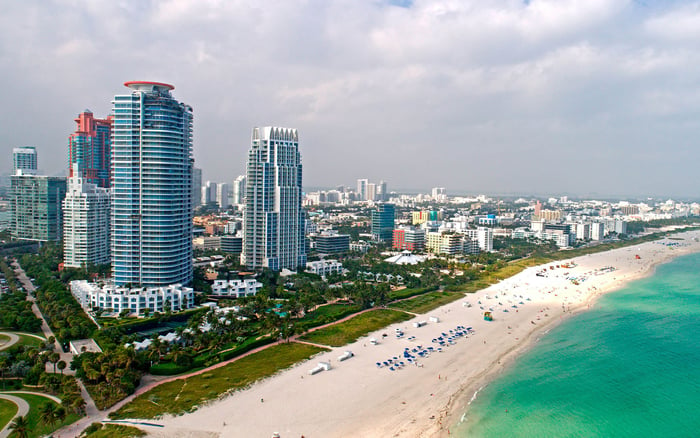
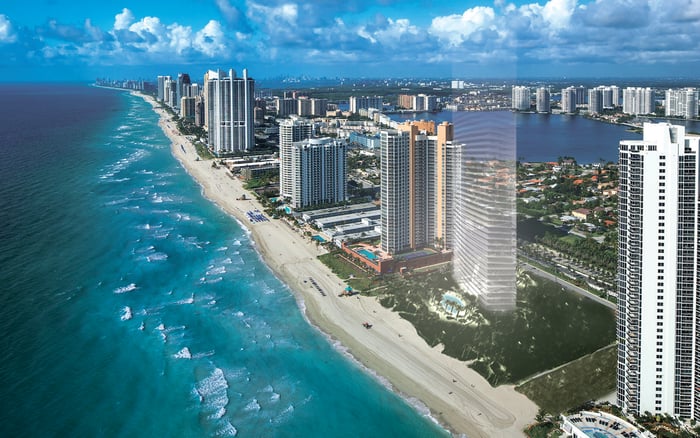
An editorial on how South Florida’s new luxury condo market is responding to climate-driven buyer concerns, from elevation and engineering to insurance, building codes, and nature-based protections. This guide frames what top developers are doing, what buyers should verify, and how to think about “resilience” as a blend of design, governance, and long-term operating discipline.
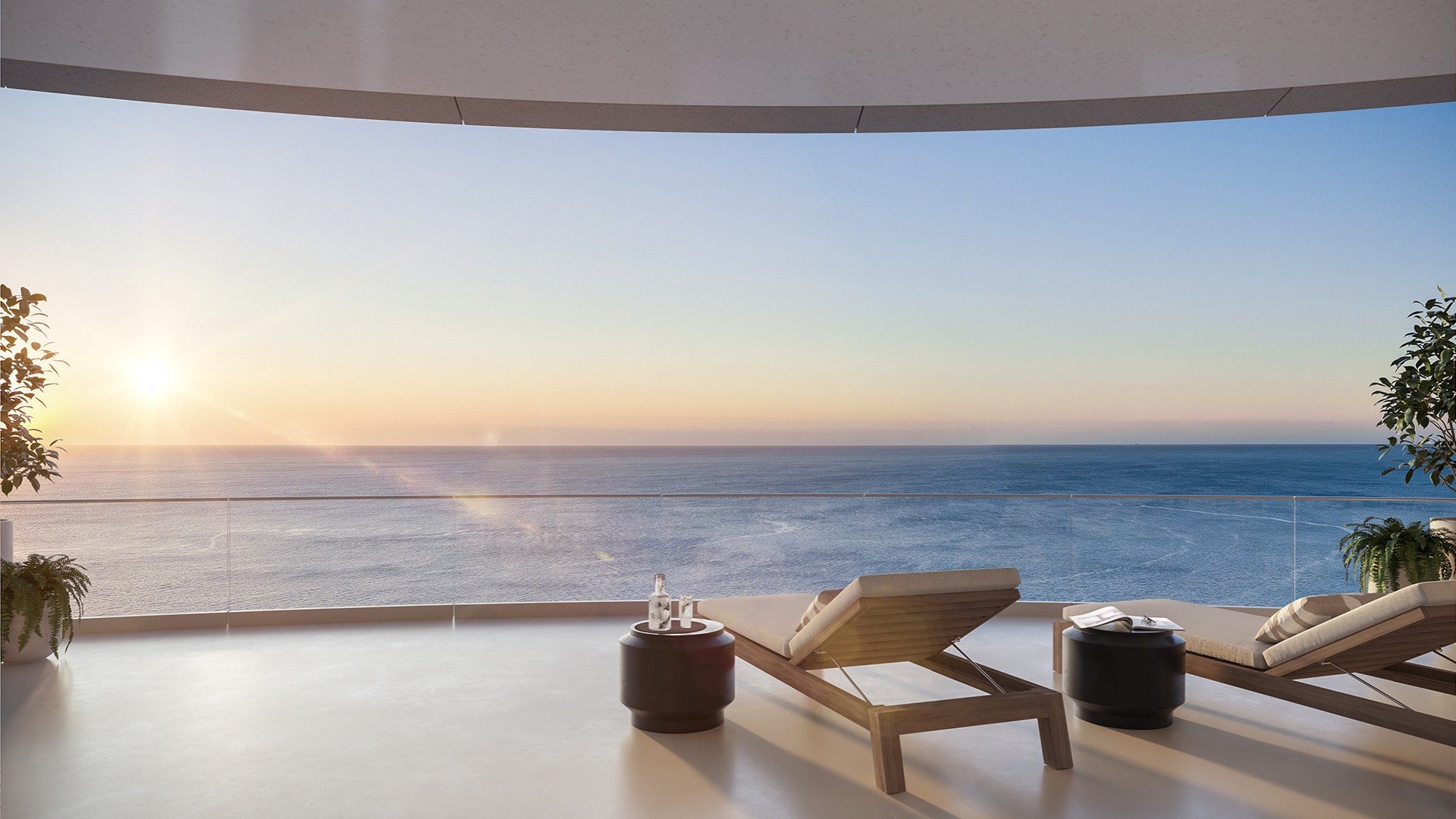
In South Florida’s oceanfront luxury market, climate change is no longer discussed as a distant headline. It is showing up in underwriting. Buyers are asking sharper questions about elevation, storm performance, building envelopes, backup power, and long-term operating costs. Developers are responding in the ways that matter most in real estate: through design, engineering, and disclosure.
This shift doesn’t mean oceanfront has lost its appeal. If anything, the emotional premium remains strong. What has changed is how buyers define “prime.” The view is still priceless, but the building’s ability to perform, financially and physically, under stress is becoming part of the valuation.
In many coastal markets, resilience is framed as a contest between water and walls. South Florida is different. Porous limestone geology and shallow groundwater can allow flooding to present from below, including through slabs or underground areas. That distinction matters, because surface defenses alone may not address the full pathway of water intrusion. For a buyer, this shifts the conversation from generic “elevation” talk to a more practical set of questions:
How does the property manage groundwater and hydrostatic pressure?
Are critical systems located above vulnerable levels, and are there redundancies?
Does the site rely on perimeter barriers, or on layered strategies that assume water can arrive in more than one way? This is where luxury due diligence becomes architectural. You are not just buying a view; you are buying a building’s ability to perform in edge conditions.
Many buyers first notice climate risk through everyday experience: king tide flooding, saltwater intrusion in streets, or recurring drainage issues. These aren’t always catastrophic events, but they can be powerful signals of local vulnerability. In the luxury tier, where buyers often own multiple properties, the threshold for inconvenience is lower. A building that floods at the garage entrance during seasonal high tides can feel like a poor lifestyle fit, even if the residence itself is untouched.
Developers have responded by elevating critical systems, hardening ground-level entries, and designing drainage and pump systems to handle more intense rainfall patterns. In newer projects, the best engineering is often invisible: the water never reaches your lifestyle experience.
Flood-map updates can shift a property into a higher-risk zone, which may affect required insurance, rebuilding rules, and buyer and lender scrutiny. The luxury implication is often less about the monthly premium and more about transaction friction: documentation requests, lender overlays, escrow requirements, and the psychological weight of “zone” language on a future buyer pool. Practical steps that preserve optionality:
Confirm the current flood zone and ask what prior zone changes have occurred.
Understand how the building’s insurance program interacts with individual policies.
For single-family, evaluate how site improvements might be constrained by flood-related requirements. Discretion matters here. A home can be extraordinary and still be mismatched for an owner who values rapid liquidity. The strongest oceanfront choices increasingly combine glamour with resilience logic.
Florida’s post-storm building code evolution is one of the most important resilience stories in the U.S. The region’s newer luxury buildings often incorporate stronger wind standards, improved glazing, and more robust structural requirements. But “newer” should translate into specific questions:
What standards governed the building’s design, and have there been code updates since?
How is the building’s facade engineered for wind-driven rain?
What backup power exists, and what does it actually support? (Elevators, water pressure, cooling, security systems?)
Buyers should also ask about maintenance discipline. A strong building that is poorly maintained can become fragile over time. Resilience is not only an engineering spec, it’s a governance practice.
Insurance has become one of the most practical determinants of coastal ownership experience. Premiums, deductibles, and availability can influence a property’s annual cost profile as much as taxes or fees. Developers and condo associations are responding by hardening buildings, investing in mitigation, and adjusting reserve planning. But for buyers, the key is transparency.
For a condo purchase, ask about the building’s master policy history, recent premium changes, deductible structures, and the association’s approach to claims. In a market where buyer confidence matters, a well-managed building with disciplined reserves and clean documentation can trade at a meaningful premium.
While engineering remains central, coastal resilience increasingly includes nature. Dunes, wetlands, and mangroves can reduce storm surge impacts and absorb wave energy. In South Florida, where much of the coastline is heavily developed, the feasibility varies by location. But the concept is gaining traction: resilience is not always a concrete wall.
For buyers evaluating waterfront locations, ask whether the surrounding area has active resilience projects, beach nourishment plans, or wetland restoration programs. These initiatives can influence both risk and lifestyle: construction timelines, access changes, and long-term shoreline stability.
In ultra-luxury marketing, resilience is increasingly part of the story. Elevated lobbies, hardened building envelopes, secure parking, and backup systems are framed not as technical add-ons, but as part of what makes the building feel effortless. Buyers are responding to that narrative because it aligns with what they want: a home that functions without drama.
A project like Five Park Miami Beach reflects how the next generation of luxury towers can integrate design prestige with a more modern approach to engineering and long-term performance. In Brickell, 2200 Brickell shows how lifestyle, location, and building integrity can converge into a product that feels both luxurious and future-aware.
Luxury interiors still matter. But for many buyers, the true differentiator is what you can’t see: flood pathways, mechanical redundancy, reserve planning, and operational readiness. A building’s management culture, and its ability to execute capital projects, is becoming part of the “luxury” definition.
This is one reason buyers continue to focus on high-quality new development and well-managed resales. A thoughtfully engineered waterfront tower like Aria Reserve Miami speaks to the demand for scale, views, and lifestyle, but also to the reality that buyers want confidence in systems and stewardship.
Luxury real estate remains an emotional purchase, but the process is increasingly analytical. Consider a two-tier checklist:
Property and building
Finished-floor logic: what sits at grade, and what is elevated?
Water pathways: surface runoff, groundwater, garage entry points, and pump systems.
Backup power: capacity, coverage, and real-world functionality.
Building envelope: glazing, waterproofing, and maintenance history.
Ownership and financial structure
Insurance posture: premiums, deductibles, and renewal risk.
Reserve discipline: whether the association is funding long-term capital work.
Claims history: patterns of water intrusion or storm-related repairs.
Liquidity factors: flood zone changes, lender appetite, and resale buyer perceptions.
For buyers drawn to iconic beachfront living, buildings associated with premium stewardship and modern design, such as The Surf Club Four Seasons Surfside, can remain compelling. The key is not to avoid oceanfront, but to buy it with a sharper lens.
Are oceanfront luxury condos in South Florida losing value due to climate risk? Not broadly. Waterfront still commands strong premiums, but risk is increasingly priced in and diligence is more rigorous.
What is the most common climate-related concern buyers raise today? Flooding pathways and insurance cost volatility are among the most frequent concerns.
Does building higher solve the flooding problem? It helps, but South Florida can also flood from below due to groundwater, so systems and design details matter.
What should I ask about backup power? Ask what it actually runs: elevators, pumps, security, cooling, and water pressure, not just hallway lights.
Are newer buildings always more resilient? Newer buildings often benefit from stronger codes, but maintenance, governance, and building envelope quality remain critical.
How do flood maps affect a purchase? Flood zone designations can affect insurance requirements, lender scrutiny, and resale friction.
What is the single most important condo document for climate diligence? The insurance and reserve documentation, because it reflects both cost reality and management discipline.
Do nature-based defenses like dunes and mangroves really matter? In the right setting, they can meaningfully reduce storm impacts and improve shoreline stability.
Is “resilience marketing” mostly hype? Sometimes. The best way to verify is to ask for system details and compare them to the building’s actual design and operations.
What is climate gentrification in a real estate context? It describes investment shifting inland toward perceived safety, which can raise prices and pressure communities.
For tailored guidance, speak with MILLION Luxury.
If branded residences are on your mind — as a home or as an allocation — we would be glad to share what we are seeing, privately.
Begin a quiet conversation