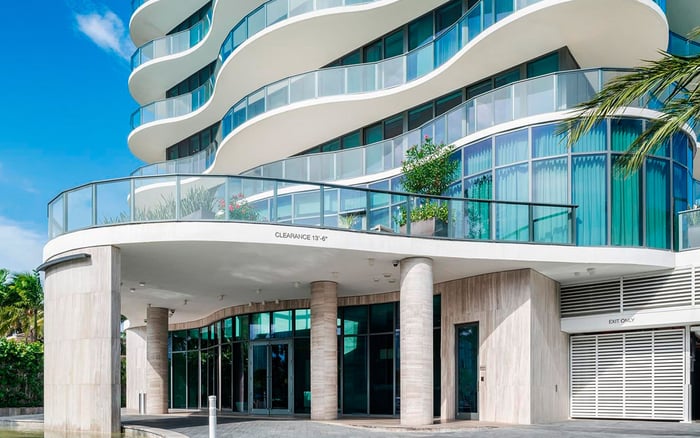
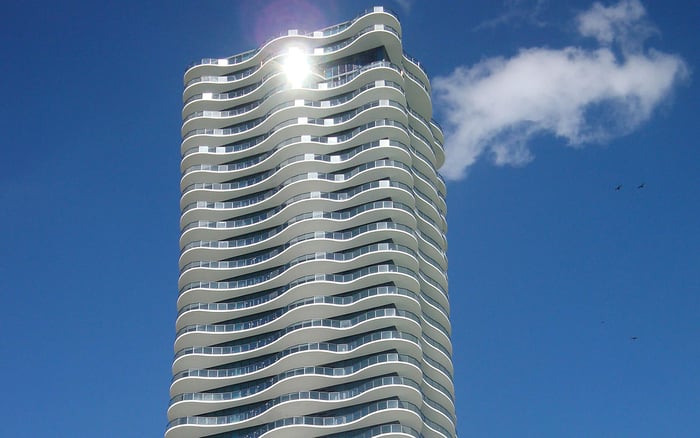
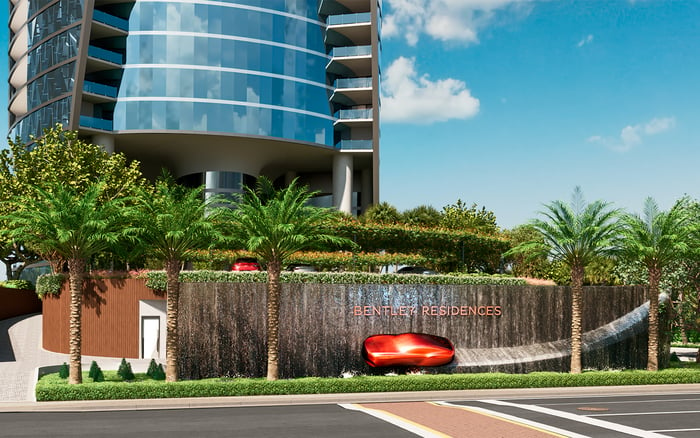
A practical 2026 comparison of Regalia Sunny Isles Beach and Armani Casa Sunny Isles Beach for buyers who care less about finishes and more about how a residence performs when they are away.
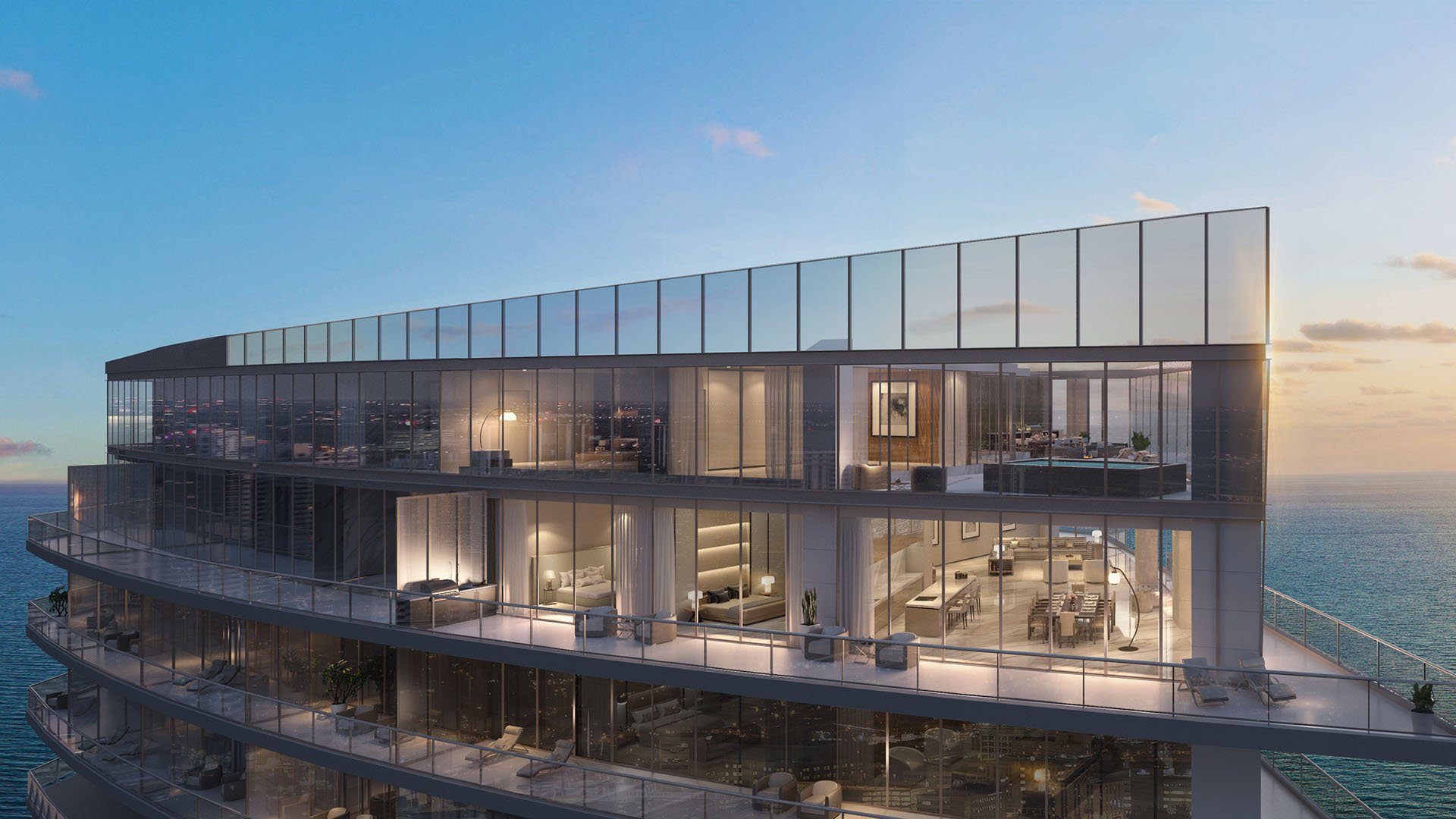
For many Sunny Isles Beach buyers, the most important room in a residence is not the great room, the primary suite, or even the terrace. It is the building’s invisible operating room: the access desk, package workflow, maintenance log, authorized-entry protocol, and staff judgment that determine what happens when the owner is in New York, São Paulo, London, or Palm Beach for the season.
That is the right lens for comparing Regalia Sunny Isles Beach and Armani Casa Sunny Isles Beach in 2026. Both sit in the upper tier of the Sunny Isles conversation, but they answer the lock-and-leave question differently. Regalia is the boutique, privacy-first proposition, shaped by very low density and a one-residence-per-floor format. Armani/Casa is the branded luxury-tower alternative, more resort-like in feel, with a broader service platform and amenity ecosystem.
The buyer vocabulary is familiar in this market: second-home ownership, oceanfront convenience, Sunny Isles access, and discretion without friction. The test is not which building feels more glamorous during a showing. It is which one is easier to trust when you are not there.
Regalia’s strongest lock-and-leave argument begins with scale. A low-density condominium environment naturally changes the rhythm of daily life. Fewer residences can mean fewer elevator encounters, fewer unfamiliar faces on residential floors, and a more intimate relationship between staff and owners. Its one-residence-per-floor format is especially relevant for buyers who view shared-floor exposure as part of the security equation.
For an absent owner, that intimacy can matter. A smaller building may be better positioned to deliver individualized attention, especially when the request is specific: a vendor arrival, a pre-approved maintenance visit, a climate concern, or a delivery that needs to be held with care. The appeal is less about spectacle and more about controlled access.
This is why Regalia tends to suit the buyer who wants a near-private-club atmosphere rather than the energy of a larger resort-style tower. The right due diligence is not simply touring the lobby and admiring the views. It is asking how access is granted, how identity is verified, how key release is documented, and how in-unit service is handled when the owner is away.
The lock-and-leave case for Armani/Casa is different. Armani/Casa is best understood as the larger branded luxury-tower alternative, with a resort-like building experience and broader operational infrastructure. For buyers who value hospitality-style support, that scale may be central to the appeal.
A larger service ecosystem can create redundancy. If one staff member is occupied, another may be able to assist. If multiple deliveries arrive in the same afternoon, the building may be accustomed to a higher volume of owner requests. If an owner expects concierge-style coordination while away, the larger platform can feel more robust.
The trade-off is equally clear. More services, more amenities, and more residences can also mean more movement through the building. That does not make the experience less luxurious, but it does change the privacy profile. Buyers comparing Armani/Casa with neighboring luxury references such as Bentley Residences Sunny Isles or The Ritz-Carlton Residences® Sunny Isles should separate brand aura from operational fit. A tower can be highly serviced and still require precise questions about package capacity, staff overlap, maintenance documentation, and owner absence protocols.
Package handling is where lock-and-leave ownership becomes practical. The question is not whether a building receives packages. The question is how it manages volume, identification, security, release, oversized items, perishable deliveries, vendor drop-offs, and owner authorization when the recipient is not present.
At Regalia, the inquiry should focus on control. How are packages matched to owners? Who has authority to release them? What happens when a delivery requires access beyond the front desk? How are exceptions handled during holidays or peak travel periods? The low-density format may support a more personalized process, but buyers should still verify the actual procedure.
At Armani/Casa, the inquiry should focus on capacity and workflow. A larger tower may have more systems and more personnel, but the buyer should understand how those systems behave under pressure. Ask how deliveries are logged, how notifications are issued, how long items can be held, how staff handle oversized parcels, and how package rooms are monitored or accessed.
In both buildings, the wise buyer treats package handling as a proxy for operational culture. Sloppy parcel control can reveal broader gaps. Precise parcel control often reflects disciplined management.
Maintenance access is even more sensitive. A lock-and-leave residence is only as secure as the process that governs entry when the owner is away. This is where buyers should move beyond verbal assurances and review the documentation trail.
For Regalia, the key questions are narrow and important. Who may authorize entry? Is authorization written, digital, or both? Are time windows required? Are staff escorts standard for vendors? How is entry recorded? How is completion confirmed? Does management distinguish between emergency access, scheduled service, and discretionary owner requests?
For Armani/Casa, the questions expand to process consistency. A larger operational platform may offer deeper support, but buyers should ask how many teams may touch a maintenance request, who records the access event, how staff redundancy affects accountability, and what documentation an owner receives after work is completed.
Owners should also think about their own lifestyle. A collector with sensitive interiors, high-value furnishings, or a residence used only a few weeks each season may prefer fewer moving parts. A frequent traveler who wants broad support, concierge coordination, and amenity continuity may prefer a larger platform.
The essential comparison is traffic versus attention. Regalia reduces exposure through scarcity and format. Armani/Casa increases support through scale and service depth. Neither answer is universally better. The better choice depends on what the owner worries about when away.
If the priority is minimal building traffic, fewer shared thresholds, and a more private rhythm, Regalia has the stronger natural posture. If the priority is hospitality-style assistance, staff redundancy, and a more expansive service environment, Armani/Casa may be the more comfortable answer.
This same decision framework applies across the Sunny Isles luxury corridor, from Turnberry Ocean Club Sunny Isles to other high-service oceanfront towers. Architecture may sell the first impression, but operations determine the lived experience.
Before choosing between the two, buyers should request the building’s current procedures for packages, vendor entry, key release, emergency access, and maintenance logs. They should also ask to speak with management about absent-owner scenarios rather than limiting diligence to amenities and finishes.
The most revealing questions are practical. If a water sensor triggers while the owner is abroad, what happens first? If an art installer needs access, who escorts the visit? If a luxury delivery arrives while the owner is away, where does it sit, who sees it, and how is release approved? If housekeeping is scheduled between visits, how is the entry documented?
A polished building will answer these questions directly. A truly lock-and-leave building will answer them consistently.
Which building is more private for lock-and-leave ownership? Regalia has the stronger privacy posture because of its low-density environment and one-residence-per-floor format.
Which building may offer broader service support while an owner is away? Armani/Casa may appeal to buyers who want a larger operational platform with more hospitality-style support.
Is package handling verified in detail for either building here? No specific package-room technology or exact policy should be assumed without reviewing building procedures and management disclosures.
What should a Regalia buyer ask before closing? Ask about access control, authorized-entry procedures, staff escorts, key release, and how in-unit service is documented.
What should an Armani/Casa buyer ask before closing? Ask about concierge workflow, package capacity, staff redundancy, vendor access, and maintenance-access logs.
Does a larger tower automatically mean better lock-and-leave service? Not automatically. Scale can support redundancy, but it can also bring more building traffic and operational complexity.
Does a boutique tower automatically mean better security? Not automatically. Lower density can reduce exposure, but buyers still need to verify procedures and documentation.
Which choice is better for a seasonal owner? Regalia may suit owners prioritizing privacy, while Armani/Casa may suit those wanting more concierge-style assistance.
Should finishes drive the decision? Finishes matter, but the 2026 buyer test should focus heavily on how the building performs when the owner is absent.
What is the simplest way to compare both buildings? Walk through real absence scenarios, then judge which building gives clearer answers, cleaner documentation, and more confidence.
For a tailored shortlist and next-step guidance, connect with MILLION.
If branded residences are on your mind — as a home or as an allocation — we would be glad to share what we are seeing, privately.
Begin a quiet conversation