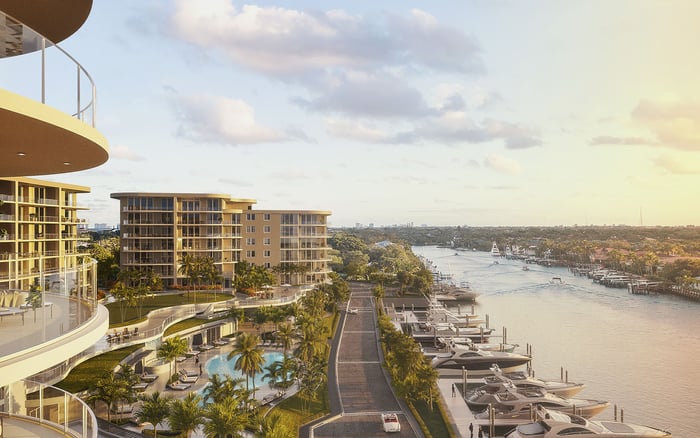
A discreet, buyer-oriented 2026 framework for converting documented due diligence into negotiation leverage at The Ritz-Carlton Residences® Palm Beach Gardens.
In South Florida’s upper tier, cash is no longer the entire conversation. It remains powerful, but among sophisticated sellers, developers and advisers, the most persuasive buyer is not simply the one prepared to close quickly. It is the buyer prepared to close cleanly, with a clear file of documented concerns, quantified exposure and a precise request.
That distinction matters at The Ritz-Carlton Residences® Palm Beach Gardens, where the appeal of a branded waterfront lifestyle meets the practical diligence required of any serious luxury condominium acquisition. For 2026, the question is not whether a cash buyer has leverage. The question is whether that leverage is anchored in evidence.
Palm Beach Gardens sits within Northern Palm Beach County’s maturing luxury corridor, where buyers increasingly compare marina lifestyle, service standards, association budgets and future operating costs with equal care. A residence may be purchased for privacy, design and amenity access, but it is owned through a legal, financial and operational structure. That is where negotiation strength is built.
A disciplined cash buyer should begin by assembling the project’s physical, legal, financial and operational profile before asking for a concession. The most effective offer file is not emotional. It is organized.
The core review should include construction status, projected or actual delivery timing, condominium documents, association budget assumptions, service-fee structure, insurance disclosures and any material operating items tied to the waterfront setting. In a branded residence, lifestyle is inseparable from administration. The same qualities that make the property feel effortless can create recurring cost obligations that deserve careful review.
This is especially relevant across the broader branded-residence landscape, where buyers may be comparing Northern Palm Beach County with West Palm Beach, Pompano Beach, Sunny Isles, Miami Beach and Brickell. A buyer studying The Ritz-Carlton Residences® West Palm Beach may approach the service model through an urban Palm Beach County lens, while a buyer considering waterfront inventory farther south may weigh different insurance, staffing and building-operating assumptions. The comparison should be factual, not theatrical.
Construction-timeline deviations can matter when they affect a buyer’s carrying costs, occupancy expectations or capital deployment. For a cash buyer, leverage comes from documenting the difference between expectation and deliverable reality.
The relevant questions are direct. Has the anticipated timeline changed? Are there disclosures or updates that affect when the buyer can use the residence? Do delays alter the buyer’s interim housing, financing strategy for other assets or broader investment plan? If the answers can be documented, the negotiation ask becomes more credible.
That ask does not need to be blunt. It may take the form of a targeted price adjustment, a closing credit or another concession that reflects a specific cost rather than a generalized desire to pay less. In high-end negotiations, precision often reads as seriousness.
Post-Surfside condominium reserve requirements have made financial diligence more central to luxury condo buying throughout South Florida. Even buyers with substantial liquidity should not treat association reserves as a background item.
The review should focus on what the association is expected to fund, how reserves are being addressed, and whether future assessments or operating adjustments could alter the long-run ownership cost. The point is not to assume a problem. The point is to determine whether current pricing reflects the full cost profile of ownership.
For cash buyers, the absence of a lender can be double-edged. Without lender-driven review, the buyer may move faster, but speed should not replace scrutiny. A buyer who can show that reserve-related exposure is uncertain, material or insufficiently explained may have a more reasoned basis for negotiating terms.
Insurance-market volatility remains one of the most negotiation-relevant risk areas for South Florida waterfront condominium buyers. For a luxury purchaser, the question is not merely whether insurance exists. It is how coverage, deductibles, renewals and premium assumptions may influence association costs.
This concern applies across the coastline, from Palm Beach County to Broward and Miami-Dade. A buyer evaluating The Ritz-Carlton Residences® Pompano Beach, for example, may be asking similar questions about waterfront exposure, association planning and the resilience of operating budgets. The details will vary by property, but the discipline is the same.
Insurance diligence should be translated into negotiation language only when the concern is documented and financially relevant. A vague reference to market volatility is unlikely to move a sophisticated counterparty. A quantified budget issue, renewal concern or cost-allocation question is more likely to support a serious conversation.
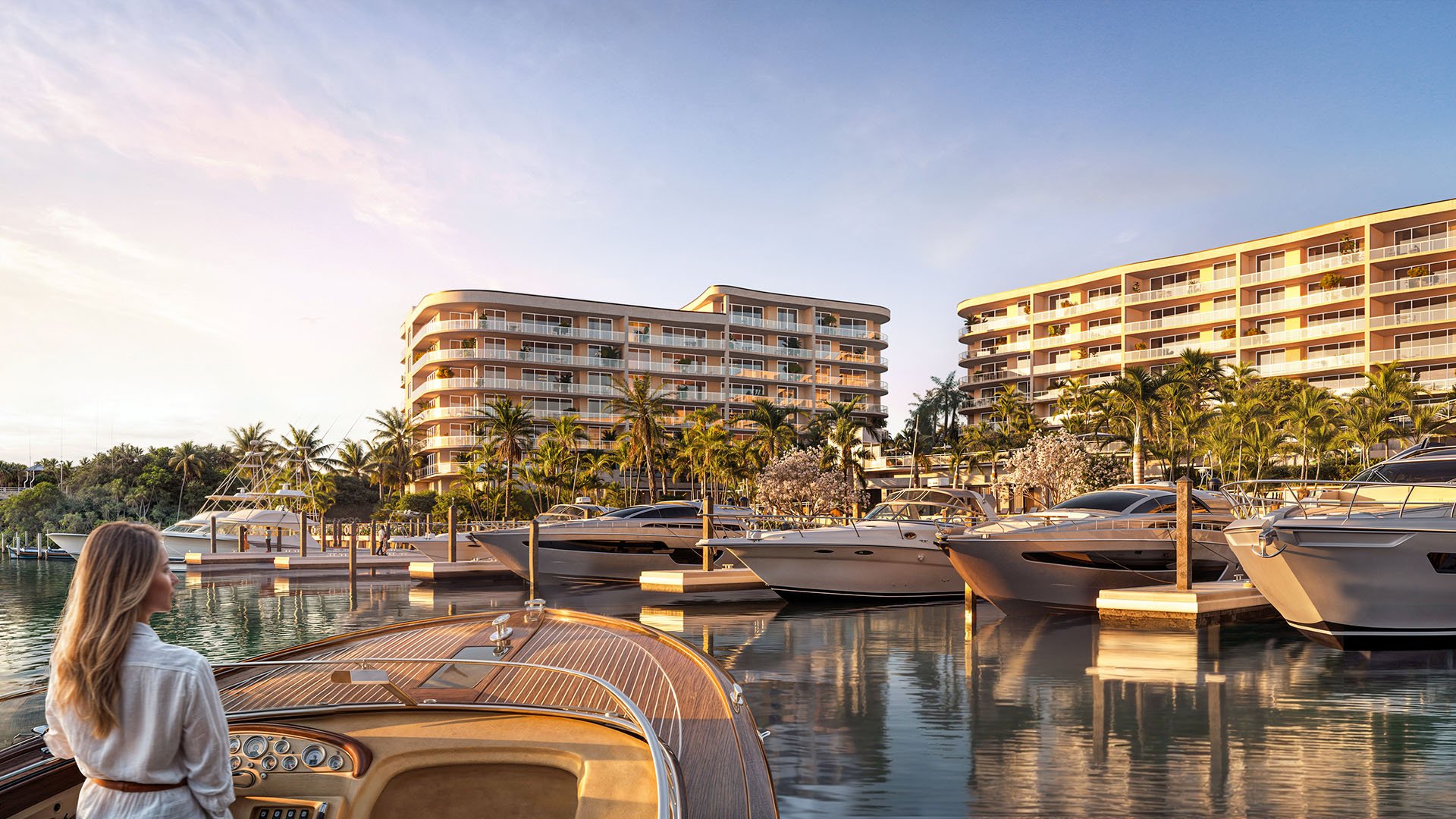
Marina operations deserve particular attention in any waterfront luxury residence where boating access, dockage or marina-adjacent amenities shape the ownership experience. The lifestyle value can be significant, but buyers should review how operations, maintenance, access rights and related costs are structured before finalizing terms.
The same principle applies to service fees. Branded residences are not priced solely through the purchase contract. They are experienced through staffing, management, hospitality standards and the promise of consistency. Ritz-Carlton-level service can be central to the property’s appeal, but the long-run cost of staffing is a material operating-cost variable.
The best cash buyers separate prestige from arithmetic. They ask what services are included, what may be billed separately, how staffing levels are funded and how association fees could evolve. If the operating model raises legitimate cost questions, association-fee concessions may become an appropriate negotiation target, particularly where evidence supports the concern.
Comparable-market analysis should be broad enough to capture buyer alternatives but narrow enough to remain relevant. Palm Beach Gardens is not Brickell, and Brickell is not Palm Beach Gardens. Still, buyers are increasingly comparing branded residences across markets because service expectations, legal structures and operating costs can travel with the category.
A buyer weighing a waterfront residence in Palm Beach Gardens against a city-facing branded project such as St. Regis® Residences Brickell is not comparing identical lifestyles. The comparison is useful when it clarifies how brand, services, fees and future liquidity are being valued. It is less useful when it becomes a superficial price-per-foot exercise detached from location, operations and ownership structure.
This is where discretion matters. A strong buyer presentation should not overstate. It should identify specific market alternatives, explain why they are relevant and connect them to the concession requested.
A documented diligence file can support several forms of negotiation leverage. The most obvious is a targeted price adjustment, particularly when the issue affects value directly. Closing credits may be more appropriate when the concern is tied to near-term costs, transitional uncertainty or buyer-funded mitigation.
Association-fee concessions may also be relevant when service-fee structures, staffing costs, reserve planning or insurance assumptions create measurable operating-cost concerns. The important point is alignment. The concession should match the risk.
Cash buyers should avoid using liquidity as a blunt instrument. A seller may appreciate certainty, but certainty alone does not justify every request. The more persuasive position is simple: here is the documented issue, here is the ownership impact, and here is the clean concession that resolves it.
Before finalizing terms at The Ritz-Carlton Residences® Palm Beach Gardens, a cash buyer should review construction timing, condominium documents, reserve assumptions, insurance structure, marina operations, service fees, staffing-cost expectations and comparable branded-residence alternatives. Each item should be reduced to a practical conclusion: accept, clarify, price, credit or walk away.
That framework keeps the process elegant. It allows the buyer to admire the residence while still underwriting the ownership. In 2026, that combination may be the true mark of sophistication.
Why does cash-buyer leverage require due diligence in 2026? Cash improves certainty, but documented risk gives a buyer a more credible reason to request a concession.
What is the first diligence item to review? Start with the condominium documents, association budget assumptions and any disclosures that affect delivery, reserves or operating costs.
Can construction timing support a negotiation request? Yes, if a timeline change is documented and creates a measurable impact on occupancy, carrying costs or buyer planning.
Why are reserves important for luxury condo buyers? Reserve planning can influence future association costs and potential assessments, even for buyers paying all cash.
How should insurance risk be evaluated? Review coverage structure, premium assumptions, deductibles and how insurance costs may flow into association fees.
Why does marina diligence matter? Marina operations can affect lifestyle access, maintenance expectations and ownership costs at a waterfront property.
Are service fees negotiable? They may be relevant to negotiation when the buyer can document uncertainty or cost exposure tied to the service structure.
What concessions might a cash buyer seek? A buyer may pursue a price adjustment, closing credit or association-fee concession when the request matches verified risk.
Should Palm Beach Gardens be compared with Brickell or Pompano Beach? Yes, but only for relevant issues such as brand, service model, operating costs and buyer alternatives.
What makes a cash offer strongest at this level? The strongest offer combines speed, certainty and a concise diligence file that supports each requested term.
To compare the best-fit options with clarity, connect with MILLION.
If branded residences are on your mind — as a home or as an allocation — we would be glad to share what we are seeing, privately.
Begin a quiet conversation