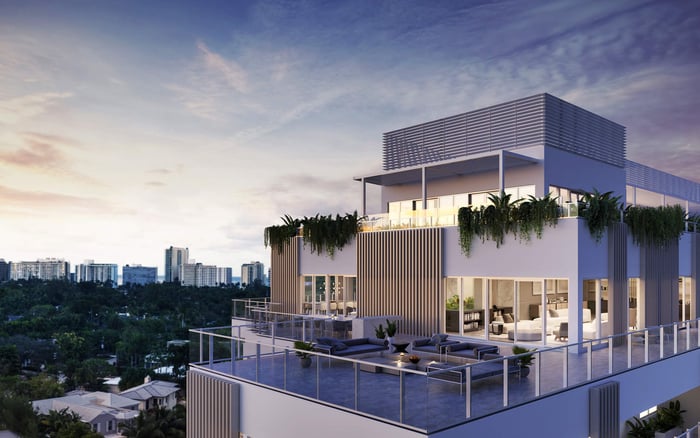
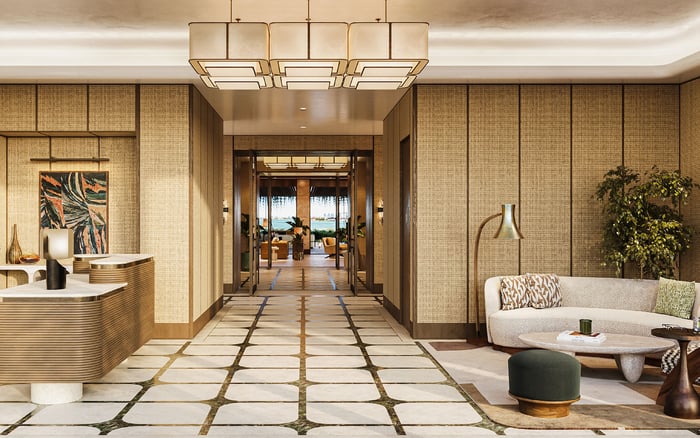
South Florida luxury buyers are increasingly evaluating where red-light therapy can be placed, not just whether a home has a wellness narrative. The filter is reshaping expectations for floor plans, privacy, service access and resale readiness across prime condominium and single-family searches.
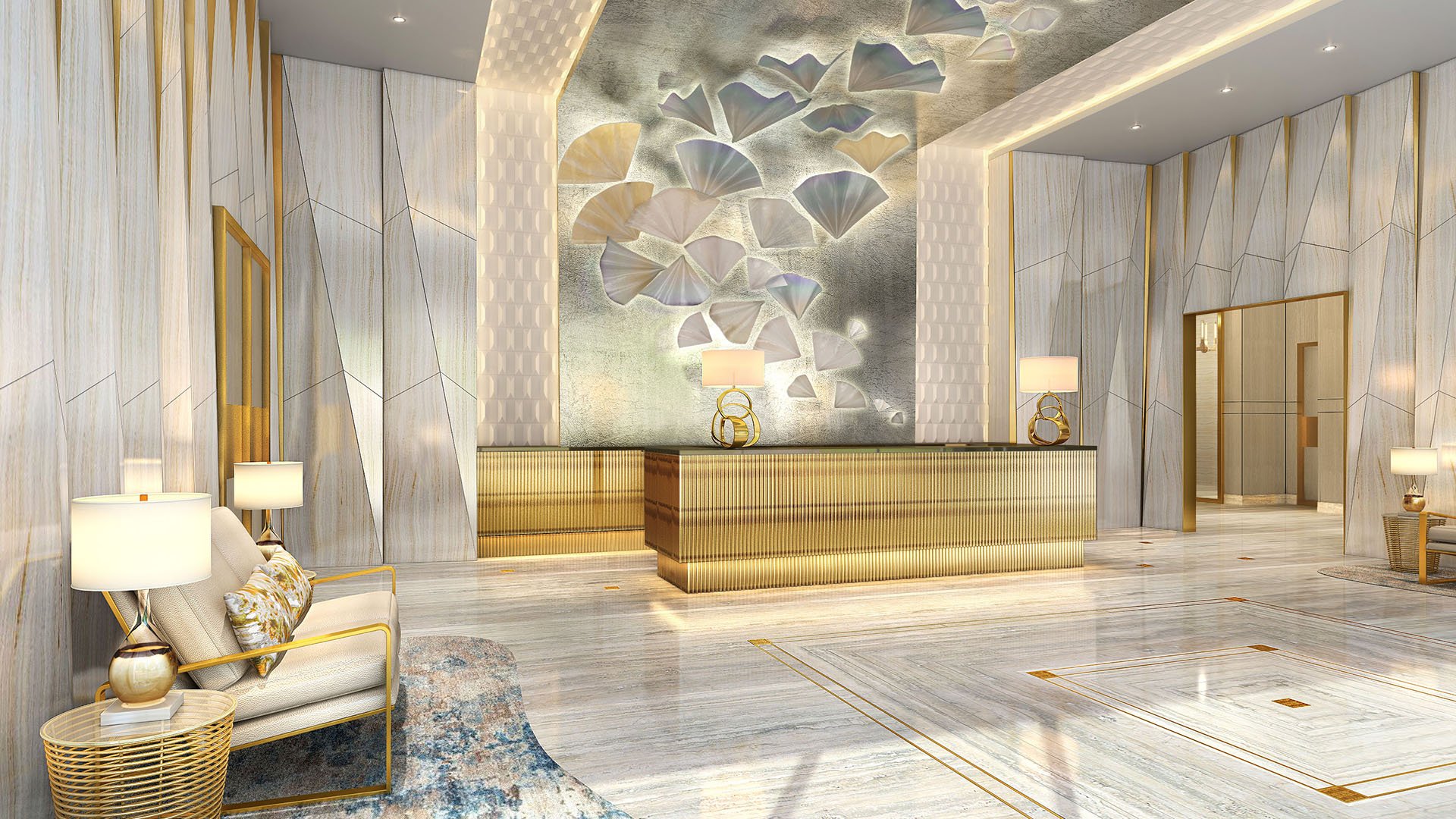
For South Florida’s luxury buyer, red-light therapy is no longer a loose accessory to be tucked into a spare room after closing. The more sophisticated conversation is spatial: where the therapy belongs, how private it feels, and whether the residence supports the ritual without compromising the architecture.
That is why placement is becoming a 2026 filter. Buyers are not simply asking whether a building has a wellness story. They are asking whether the home can absorb a specific wellness routine with grace. In a market where ocean views, terraces and service have long shaped value, the next layer is personal infrastructure. The residence must work for recovery, quiet, grooming, training and sleep with the same ease that it works for entertaining.
The shift is especially relevant in South Florida because many buyers use their homes intensely. A Miami or Palm Beach residence may serve as a primary base, a seasonal refuge, a work-from-anywhere headquarters and a private club alternative. When wellness becomes daily rather than occasional, the location of a red-light panel or dedicated therapy bed starts to matter.
Equipment can change. Placement is harder. A buyer can upgrade a device, swap a panel or redesign cabinetry, but the underlying plan determines whether the experience feels intentional or improvised. The strongest placements usually sit near a bathroom, dressing area, gym, massage room or quiet bedroom corridor. The weakest placements feel exposed, inconvenient or visually disruptive.
This is where luxury buyers are becoming more disciplined. A red-light setup in a primary bath may be beautiful, but only if there is enough clearance, privacy and electrical logic. A wellness room may be ideal, but only if it does not become an isolated afterthought. A den may work, but only if it can remain serene rather than drift into storage.
The best homes make the ritual frictionless. A buyer should be able to move from training to treatment to shower to dressing without crossing entertaining zones. That sequence is now part of how many clients read a plan, especially in larger residences where square footage alone no longer guarantees functional luxury.
A red-light therapy filter begins with circulation. Buyers look for rooms that can be closed off, accessed privately and used without interrupting household life. They also consider ceiling height, wall width, window exposure, cooling, lighting control and proximity to water. None of these factors is glamorous on its own, but together they determine whether the wellness experience feels polished.
In Brickell, buyers comparing high-design residences often weigh the energy of the neighborhood against the desire for a protected in-home retreat. A project such as The Residences at 1428 Brickell naturally enters conversations about how an urban residence can support quiet personal rituals alongside city living.
On Miami Beach, the conversation is slightly different. The water, beach routine and social calendar can make recovery space feel even more valuable. Buyers looking at The Ritz-Carlton Residences® Miami Beach may be thinking not only about address and design, but also about whether the residence can sustain a private wellness cadence after a day on the water.
Red-light therapy is intimate. It belongs to the same category of residential experience as dressing, massage, skincare and sleep preparation. Because of that, privacy often matters more than spectacle. A beautifully visible wellness corner may photograph well, but buyers tend to prefer a layout that allows the ritual to disappear from public view.
This is particularly important for households with staff, visiting family or frequent guests. The therapy area should not require a resident to pass through the main salon, kitchen or formal entry. It should not be visible from the elevator foyer. It should not compete with art walls, dining rooms or showpiece lounges. In the most refined homes, wellness is not staged for visitors. It is integrated for the owner.
That distinction is increasingly relevant in Bay Harbor Islands, Coconut Grove, Boca Raton and the quieter corners of coastal Miami. In settings associated with privacy and slower daily rhythms, the wellness suite becomes part of the home’s emotional architecture. At The Well Bay Harbor Islands, buyer conversations around wellness-led living make placement feel less like a trend and more like a planning discipline.
In a new-construction search, buyers have more opportunity to influence the outcome before the residence is fully personalized. That is one reason the red-light therapy question is appearing earlier. Rather than waiting until after closing, clients are asking whether a secondary bedroom, media room, oversized dressing area or service-adjacent space can become a dedicated wellness environment.
The most useful question is not, “Can I fit the device?” It is, “Can this room support the ritual five days a week without feeling like a compromise?” That question changes how buyers evaluate outlets, millwork, mirrors, doors, acoustics and air movement. It also changes how they think about resale. A flexible wellness room can remain valuable even if future owners use it differently.
In Coconut Grove, where landscape, privacy and architecture often shape the emotional appeal, Vita at Grove Isle is the kind of address that can prompt buyers to think about wellness as part of a broader island-like daily rhythm rather than a single room feature. In Boca Raton, The Residences at Mandarin Oriental Boca Raton can enter a different version of the same conversation, where the buyer’s focus may be ease, service and private routine.
Before a buyer becomes attached to a residence, the red-light therapy filter should be applied quietly and practically. Is there a room where the door can close? Can the room be cooled comfortably? Is there enough wall space or floor area for the preferred setup? Can the area be used without disturbing someone sleeping, working or entertaining nearby?
The answer does not need to be complicated. In some homes, the correct placement may be a dedicated spa room. In others, it may be a dressing suite, a gym alcove or a secondary bedroom converted with restraint. What matters is that the solution feels native to the residence.
Buyers should also consider aesthetics. Red-light therapy equipment has a visual presence. If it is placed in a room with delicate finishes, strong art, reflective stone or expansive glass, it may need thoughtful concealment or a more deliberate design language. A luxury home should not feel medically cluttered. It should feel composed.
The resale value of wellness infrastructure is not only about the device. It is about optionality. A room that works for red-light therapy may also work as a meditation room, treatment suite, massage room, private gym extension, beauty room or sleep-preparation lounge. That flexibility is what gives the placement conversation staying power.
For South Florida’s ultra-premium market, this is the key. Buyers are increasingly skeptical of amenities that feel decorative but rarely used. They respond to spaces that improve daily life. A residence that can support a private wellness sequence has an advantage because it meets buyers where lifestyle is actually evolving.
The filter will not replace waterfront, views, security, service or architecture. It will sit beside them as another sign of residential intelligence. In 2026, the most compelling homes will not merely offer more rooms. They will offer better rituals.
Why is red-light therapy placement becoming a buyer filter? Buyers want wellness routines to function naturally within the home, not feel like equipment added after the design is complete.
Does every luxury residence need a dedicated red-light therapy room? No. A flexible spa room, dressing area, gym zone or quiet secondary room can work if the placement feels private and practical.
What is the most important placement factor? Privacy is usually the starting point, followed by circulation, cooling, lighting control and proximity to bath or dressing areas.
Is this only relevant for new condominiums? No. It applies to condominiums, estates and renovated homes, although pre-completion residences may offer more planning flexibility.
Should buyers prioritize equipment or room planning first? Room planning should come first because equipment can change, while circulation, privacy and utility access are harder to revise.
Can a red-light therapy area help resale appeal? It can support resale language when the space remains flexible enough for wellness, fitness, beauty or quiet retreat uses.
Where should the therapy area not be placed? Avoid highly visible entertaining zones, awkward storage corners or rooms that require crossing public areas of the home.
How does this affect Brickell searches? Brickell buyers often balance city energy with the need for a private retreat, so wellness placement can sharpen comparisons.
Is Miami Beach wellness planning different from inland searches? It can be, because beach routines and social schedules often make recovery and privacy feel especially important at home.
What is the best way to shortlist comparable options for touring? Start with location fit, delivery status, and daily lifestyle priorities, then compare stacks and elevations to validate views and privacy.
To compare the best-fit options with clarity, connect with MILLION.
If branded residences are on your mind — as a home or as an allocation — we would be glad to share what we are seeing, privately.
Begin a quiet conversation