In South Florida’s luxury condo market, the real pricing contest in 2026 is rarely about sticker price. It is about predictable operating costs, looming capital projects, insurance volatility, and how much risk you want to underwrite personally. Here is a buyer-focused framework to compare pre-construction and a five-year-old resale condo, with a particular lens on Florida’s post-Surfside regulatory reality and the region’s cash-heavy luxury demand.
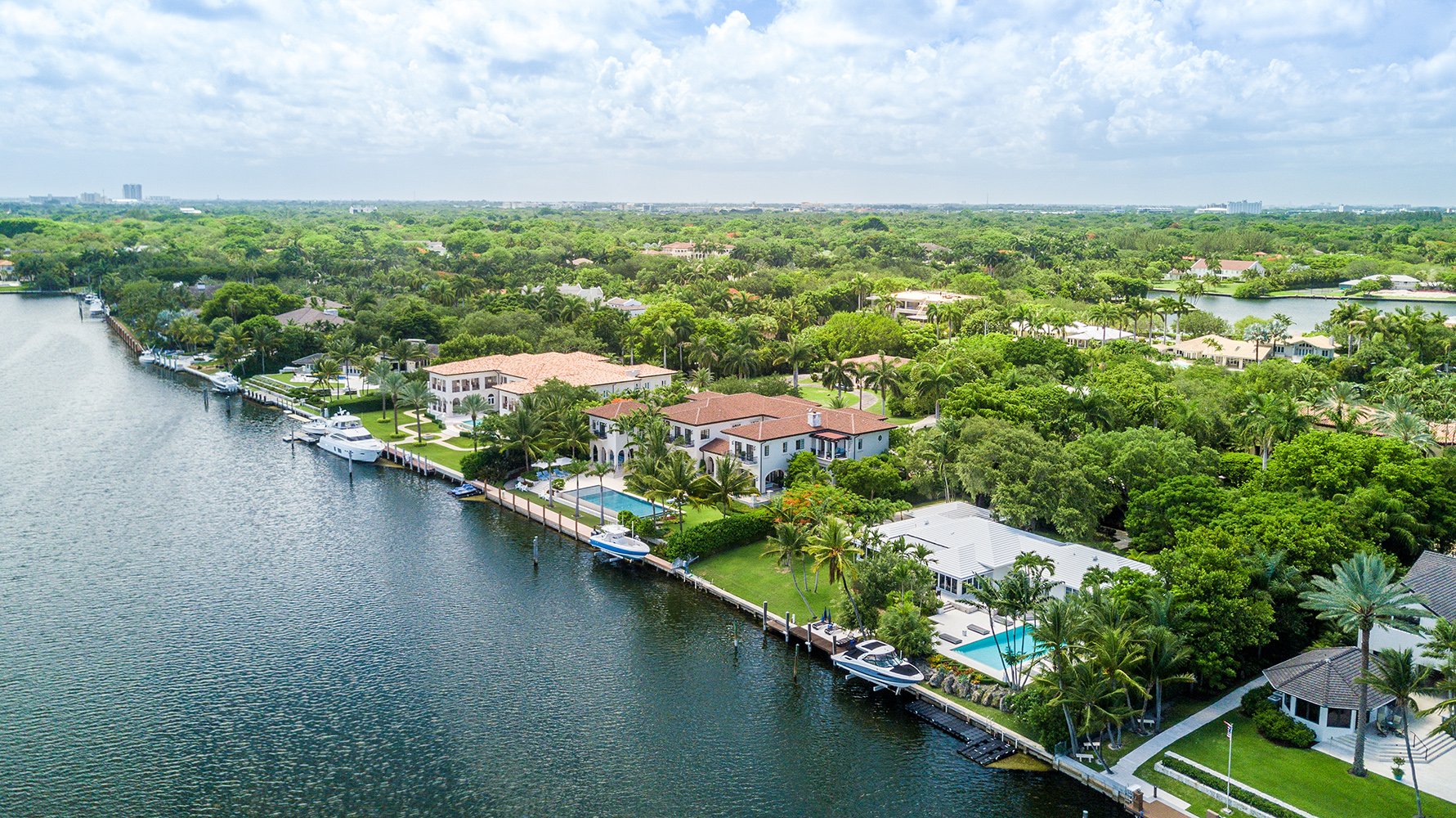
For South Florida’s luxury buyer, “cost” is now a layered concept. Purchase price still matters, but it is increasingly eclipsed by what you pay to hold the asset: monthly fees, insurance pass-throughs, reserves, assessments, and the friction of operating a building under tighter regulation and higher climate-risk scrutiny.
In that context, the most useful comparison is not pre-construction versus “older,” but pre-construction versus a five-year-old condominium - modern enough to feel current, yet far enough removed from delivery that early-life warranty protections may be tapering off. The decision starts to resemble private wealth strategy more than traditional home shopping: define your risk profile, then buy accordingly.
Nationally, recent data showed new homes selling at a slight discount per square foot versus existing homes, with new at $209.70 per square foot versus $213.20 for existing in May 2024. That inversion is partly explained by existing home prices rising much faster than new builds since pre-pandemic levels, and by builders delivering smaller product than they did in 2018.
Luxury condo buyers should treat these headline metrics as directional, not determinative. Product mix matters: fewer new condos in the national new-construction sample can distort comparisons because condos often trade at higher $/sq-ft than single-family homes. In South Florida, the nuance is sharper still - view corridors, floor height, finishing packages, and amenity ecosystems can overwhelm basic size-adjusted comparisons.
The more durable takeaway for 2026 is this: the market is signaling that “new” is not automatically more expensive on a $/sq-ft basis. But the comparison only becomes meaningful once you layer in operating costs and risk - both of which are especially pronounced in Florida.
If 2026 has a defining financial theme for condominium ownership in Florida, it is the repricing of building risk.
Florida’s condo reforms after Surfside require structural integrity reserve studies (SIRS) at least every 10 years for certain condo buildings and limit the ability to waive reserves. Separately, “milestone inspections” are required for older condominiums - commonly at 30 years, or 25 years if within three miles of the coastline - to assess structural safety. While a five-year-old condo is nowhere near those age thresholds, the broader shift is that boards, lenders, and buyers are increasingly sensitized to reserves, deferred maintenance, and life-safety capital planning across the entire condo spectrum.
That sensitivity shows up in monthly outlays. Reporting has pegged average monthly condo/HOA fees in Florida at roughly $1,900 in Miami and about $1,800 in Fort Lauderdale and West Palm Beach, with insurance taking a larger share of dues as premiums rise. In practical terms, even a beautifully managed, relatively young building can face fee pressure when insurance renewals reset the budget.
For the ultra-premium buyer, this is often where “less expensive” gets decided. A resale unit can look attractively priced, then quietly become the higher-cost option if fees or special assessments outrun your assumptions.
Pre-construction can feel like the cleanest path to ownership: modern systems, new amenities, and a building narrative that has not yet accumulated wear. New construction is also commonly associated with lower maintenance needs and potentially lower operating costs because of modern insulation, windows, and more efficient HVAC and appliances.
Developers, however, rarely want to signal weakness through overt price cuts. Instead, they frequently use incentives such as credits, upgrades, closing-cost support, or rate buydowns - making the effective price meaningfully different from the advertised one. This matters in a region where luxury demand is heavily cash-driven; cash buyers may value concessions that preserve nominal pricing while improving overall economics.
In West Palm Beach, buyers weighing new waterfront inventory often cross-shop buildings with distinct positioning and amenity philosophies. A lifestyle-driven, brand-forward option can sit alongside a more quietly architectural statement, which is why projects such as Mr. C Residences West Palm Beach and Forté on Flagler West Palm Beach are often discussed in the same breath - even when the final decision turns on governance, staffing, and long-term operating expectations.
The hidden “cost” of pre-construction is not just deposits. It is time risk.
Pre-construction purchases commonly require staged deposits, and they can be exposed to construction delays. In a luxury household where a residence may be tied to school calendars, business relocation, or seasonal occupancy, a timeline slip can create real financial friction: interim housing, storage, travel, or simply opportunity cost if the market moves while you wait.
The sophisticated approach is contractual. Delivery timing, remedies, and what happens if finishes or views change are not afterthoughts - they are value terms. In effect, you are buying not only a future condominium, but a set of rights and obligations that should align with your liquidity plan and your lifestyle calendar.
A five-year-old luxury condo can be an excellent compromise: a “proven” building with operating history, a board that has already lived through early punch-list realities, and a clearer view of how amenities actually function day-to-day.
The caveat is coverage. New construction often comes with builder warranties, while a five-year-old condo has typically aged out of builder warranty coverage - shifting more repair risk to owners and associations. That does not mean the building is problematic, but it does mean you should underwrite it like an investor: review budgets, reserves, recent insurance renewals, and the pattern of maintenance spending rather than relying on cosmetic newness.
This is particularly relevant in condo-heavy submarkets where supply dynamics may give buyers leverage. In parts of Greater Downtown Miami, resale condo supply has been reported as extremely elevated, with around 24 months of inventory in the CBD in certain analyses. When leverage increases, buyers can negotiate price - but they should also negotiate information: documentation, disclosures, and clarity on near-term capital planning.
When MILLION Luxury advises clients to compare pre-construction versus a five-year-old resale, we start with two spreadsheets.
First: total monthly carry. Include HOA/condo dues, expected insurance pass-throughs, property taxes, utilities, and a realistic reserve for in-unit maintenance. Fee levels across South Florida have been moving higher, and the insurance component is increasingly material, so a simple snapshot of “today’s dues” is not enough.
Second: timeline and liquidity. Pre-construction usually offers a structured deposit schedule, which some buyers prefer because it stages capital deployment. Resale is immediate: you pay, you own, you carry. In a potentially improving 2026 rate environment, where outlook reporting has suggested lower mortgage rates versus late 2025 levels, the timing of closing can change your financing options and your negotiating leverage.
In West Palm Beach, a buyer seeking a quieter, more legacy-leaning ownership experience may also benchmark service models and governance culture across new offerings such as The Ritz-Carlton Residences® West Palm Beach and contemporary waterfront alternatives like Alba West Palm Beach. These comparisons are not purely aesthetic; they are about what kind of building you want to be in when insurance renews, reserves are funded, and the board is making long-horizon decisions.
For buyers who plan to rent seasonally or hold as a second home, net cost depends on tax posture and usage patterns.
U.S. residential real estate is generally depreciated over 27.5 years for rental use, but depreciation is typically recaptured upon sale as unrecaptured Section 1250 gain. Additionally, IRS personal-use rules can limit deductions if a second home is used personally beyond certain thresholds, often the greater of 14 days or 10% of rental days.
These rules can influence the pre-construction versus resale decision in subtle ways. If your plan requires immediate rental income, a delivered resale unit may fit better. If your plan is longer-term lifestyle ownership, pre-construction may align with a future-use date, but you still need to underwrite carry costs during any non-rented periods.
South Florida luxury is not a single market. It is a patchwork of micro-markets with different supply stories, insurance exposures, and buyer profiles. The region is also unusually cash-driven at the top end, which changes how incentives, financing, and time-to-close affect value.
For a 2026 buyer deciding between pre-construction and a five-year-old condo, the most defensible conclusion is rarely absolute. Pre-construction can be “less expensive” when incentives improve effective pricing and when new systems reduce near-term maintenance surprises, but it carries timeline and contract risk. A five-year-old resale can be “less expensive” when you buy into proven operations and negotiate aggressively in softer submarkets, but it can become the higher-cost choice if fees surge or building risk is repriced through insurance and reserves.
If you want one rule that holds across Miami-beach, West-palm-beach, and Fort-lauderdale: the best deal is the one where you can forecast the next five years with the fewest assumptions.
Is pre-construction always more expensive than resale in South Florida? Not necessarily; effective pricing can be lower if incentives are meaningful and carry costs are predictable.
Why do some new homes show lower price per square foot than existing homes? National data has shown a slight inversion partly because new product has gotten smaller and existing prices rose faster.
Do five-year-old condos face Florida’s milestone inspections soon? Typically no; milestone inspections are generally tied to much older buildings, but due diligence still matters.
What is a SIRS and why should buyers care? A structural integrity reserve study helps fund major components; stronger reserve requirements can raise monthly fees.
Are HOA fees in South Florida really that high? Reporting has cited averages around $1,900 in Miami and about $1,800 in Fort Lauderdale and West Palm Beach.
How much do insurance costs affect condo fees? Insurance has become a larger share of budgets and can materially lift monthly dues when premiums rise.
Do new condos come with warranties? New construction often includes builder warranties, while a five-year-old condo has typically aged out of coverage.
Can pre-construction timelines slip, and does it affect value? Yes; delays can create opportunity costs and lifestyle friction, so contract terms and delivery timing are key.
Does heavy resale supply in a submarket change the decision? Often yes; higher inventory can create buyer leverage on price and terms, especially in certain condo-heavy areas.
Will 2026 mortgage rates matter if I am an all-cash buyer? Yes; rates influence broader demand and absorption, which can affect negotiating leverage even for cash buyers.
For a confidential assessment and a building-by-building shortlist, connect with MILLION Luxury.
If branded residences are on your mind — as a home or as an allocation — we would be glad to share what we are seeing, privately.
Begin a quiet conversation