A buyer-focused guide to evaluating developer-delivery risk at Park Grove Coconut Grove before contract, with emphasis on binding documents, specifications, timing, amenities, operations, and long-term value.

Park Grove Coconut Grove is not a purchase to evaluate only through images, lifestyle language, or neighborhood appeal. For a luxury condominium buyer in Coconut Grove, developer-delivery risk should be tested before contract because the finished residence, common areas, service model, and operating framework all shape the ownership experience.
The buyer is not merely reviewing square footage. The decision may involve private interiors, terraces, amenities, landscaping, arrival sequences, association documents, and long-term building operations. If the delivered product does not align with the documents, the impact can affect daily use, resale positioning, and confidence in the building’s long-term presentation.
The central question is not whether the marketing is attractive. It is whether the obligations are clear, enforceable, and operationally realistic.
Luxury condominium marketing can be persuasive, especially when a project is design-forward. Yet promotional language and visual materials may not create binding obligations unless they are incorporated into the legal documents. A disciplined buyer begins with the purchase agreement, condominium declaration, offering materials, construction specifications, budget assumptions, and every clause that allows developer modifications.
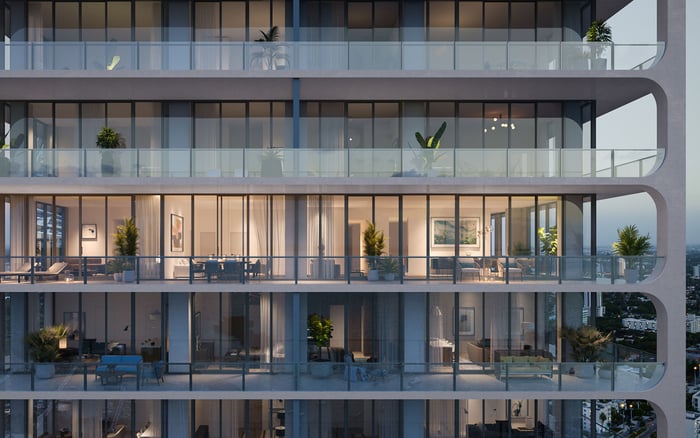
The key distinction is simple: what is shown in imagery is not always what is promised in contract exhibits. Finishes, layouts, appliance packages, terrace details, amenity concepts, landscape design, and common-area features should be tested against the documents that actually control delivery.
If a clause permits substitutions, ask how broad that right is. If specifications are described generally, ask what standard governs equivalency. If amenities are discussed aspirationally, ask whether their scope, location, and timing are defined. At this level, ambiguity is not a minor drafting issue; it is a risk-allocation mechanism.
A buyer evaluating Park Grove should focus on whether the project file gives enough detail to support the finished luxury experience. Design intent matters, but the contract should explain what must be delivered, what may be changed, and what remedies exist if the result differs from the buyer’s expectations.
This review should cover construction coordination, quality-control standards, finish specifications, substitution rights, common-area delivery, association turnover, and the transition from construction to daily operations. The more a buyer values a particular material, layout, view corridor, terrace condition, or amenity concept, the more important it is to confirm whether that feature is protected by the documents.
Value engineering is a common diligence concern in design-led purchases. Some substitutions may be reasonable or necessary, but buyers should understand where the developer has discretion to alter materials, systems, dimensions, or finishes. The goal is not to freeze every practical detail. The goal is to know what standard must be met.
Completion timing is often discussed as a calendar issue, but in a luxury condominium it is also an experience issue. A delayed closing may affect financing, interim housing, tax planning, seasonal use, and the buyer’s ability to coordinate designers, movers, and household staff. More subtly, it may affect whether amenities and common areas are genuinely ready when residents arrive.
A sophisticated review should distinguish between substantial completion, unit delivery, amenity completion, certificate-related milestones, and operational readiness. A residence can be legally deliverable while parts of the broader lifestyle promise are still maturing. Buyers should understand what happens if common areas lag, if landscaping is not fully established, or if building systems require post-opening adjustment.
The most important questions are practical. What rights does the buyer have if completion moves? What conditions must exist before closing can be required? Are punch-list obligations clear? Is there a procedure for addressing defects after closing? These points may feel technical, but they shape the first year of ownership.
For a Park Grove buyer, amenities and landscaping should be reviewed with the same discipline as private interiors. Common areas may influence long-term value because they define the experience beyond the residence itself. The arrival sequence, pool environment, wellness areas, lobby atmosphere, pathways, planting, lighting, service areas, and maintenance protocols all contribute to whether the building feels complete.
A buyer should ask whether amenities are described as concepts or as deliverables. Are their locations, categories, and baseline standards stated? Are there rights to modify, relocate, phase, or omit elements? Are the projected operating budgets aligned with the level of service implied by the product?
This is where long-term operating value enters the conversation. A building can be delivered beautifully and still disappoint if operating assumptions are unrealistic. Maintenance standards, staffing concepts, reserve planning, and association budget assumptions matter because they protect the experience after the sales process ends.
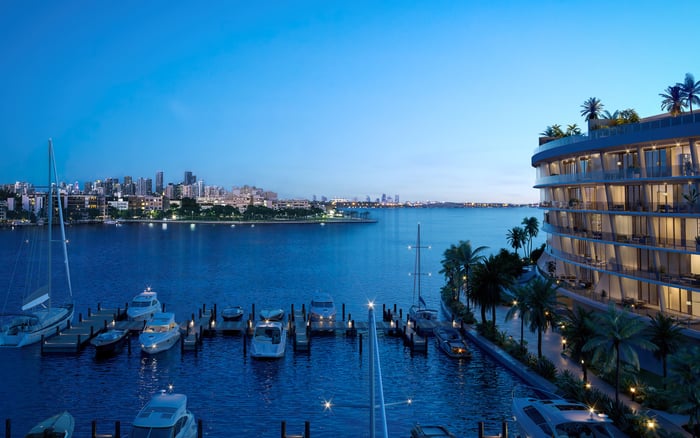
Coconut Grove’s neighborhood identity is part of the reason buyers study Park Grove carefully. The setting may be central to the appeal, especially for buyers who want a South Florida residence with a Grove lifestyle rather than a more interchangeable condominium purchase.
That context should not reduce diligence. A buyer who wants this particular Coconut Grove experience should not rely on location as a reason to accept vague documents. Desirability can support confidence, but it does not cure unclear specifications, broad modification rights, or weak operational planning.
The strongest position is calm selectivity: admire the setting, respect the product category, and still require the documents to carry the weight of the promise.
Before contract, the buyer’s team should test six areas. First, confirm which specifications are binding and which are illustrative. Second, review all developer modification clauses for scope, notice, and substitution standards. Third, examine timing provisions, outside dates, and remedies. Fourth, compare amenity language with contract exhibits and association documents. Fifth, review initial budget assumptions for consistency with luxury service expectations. Sixth, understand post-closing procedures for punch-list items, warranties, and maintenance responsibility.
This is not about suspicion. It is about alignment. For a high-end Coconut Grove buyer, execution quality contributes not only to personal satisfaction, but also to confidence in the residence’s long-term presentation. In the ultra-premium market, the best contracts do not diminish aspiration. They protect it.
What is developer-delivery risk at Park Grove? It is the risk that timing, construction quality, amenities, operations, or finishes do not align with the buyer’s expectations or the contract obligations.
Why should buyers review delivery risk before contract? Once a buyer signs, the controlling documents usually matter more than marketing impressions. Pre-contract review helps identify ambiguity before it becomes a closing or ownership issue.
Should buyers rely on marketing materials? Marketing can explain the vision, but buyers should compare every important claim against binding contract exhibits and condominium documents.
What documents deserve the closest review? The purchase agreement, condominium declaration, offering materials, specifications, budgets, and developer modification clauses deserve careful attention.
Why do terraces and amenities increase diligence needs? Outdoor living, amenity spaces, and landscaping can be central lifestyle features, so their scope and standards should be clearly defined.
What is value engineering risk? It is the risk that materials, finishes, or design details may be substituted or simplified in ways that affect the finished luxury experience.
How does the Coconut Grove context affect diligence? A buyer focused on the Grove lifestyle should confirm that the documents support the specific experience they expect, rather than relying only on location.
Is delivery risk only about money? No. It can affect lifestyle, resale positioning, building reputation, and the owner’s confidence in long-term operations.
What should buyers ask about timing? Buyers should distinguish unit completion from amenity completion, operational readiness, punch-list procedures, and post-closing obligations.
What is the best way to shortlist comparable options for touring? Start with location fit, delivery status, and daily lifestyle priorities, then compare stacks and elevations to validate views and privacy.
For a tailored shortlist and next-step guidance, connect with MILLION.
If branded residences are on your mind — as a home or as an allocation — we would be glad to share what we are seeing, privately.
Begin a quiet conversation