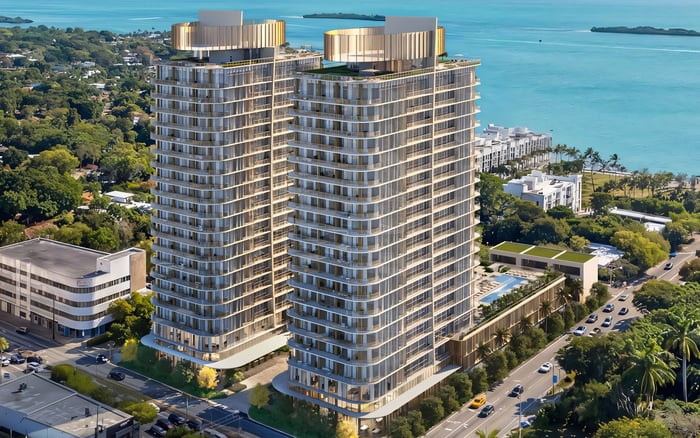
A practical underwriting lens for South Florida buyers weighing wellness amenities, insurance exposure, association fees, reserves, and the reality of everyday use.
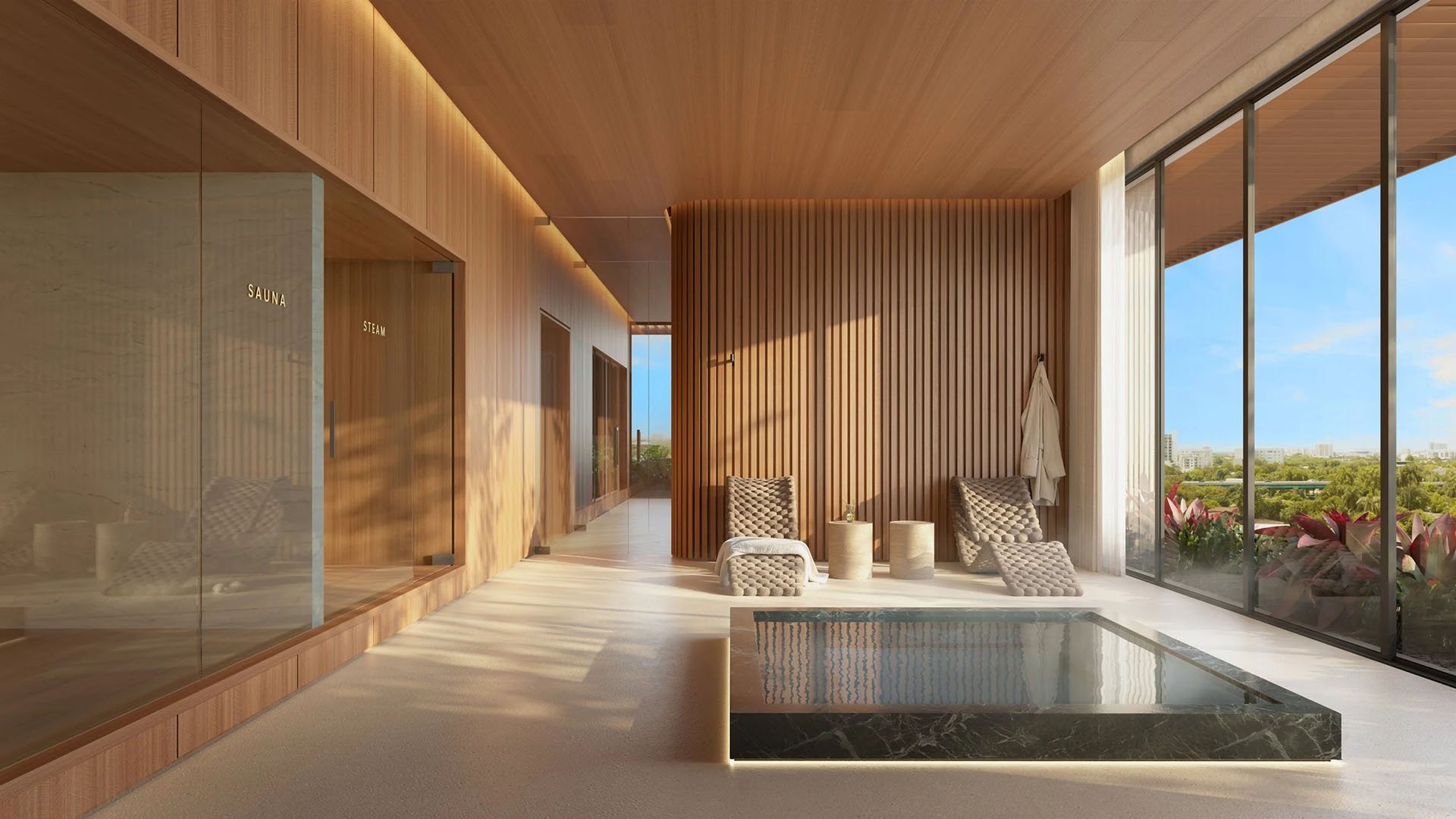
South Florida buyers have become fluent in the language of wellness. Private fitness rooms, recovery suites, movement studios, spa pools, saunas, cold plunges, treatment rooms, meditation gardens, and outdoor lounges now shape the luxury conversation from Brickell to the beach. Yet the most sophisticated underwriting question is not whether the amenity package feels impressive on a tour. It is whether the residence can support a full-time wellness routine after insurance, association fees, reserves, staffing, maintenance, and daily habits are included.
A wellness home should make life calmer, not simply more expensive. The difference is discipline. Buyers who treat lifestyle amenities as part of the total cost of ownership can separate durable value from decorative overreach. In a market where residences compete on service, design, privacy, and ritual, the sharper buyer asks how often each amenity will be used, who pays to keep it operating, and whether it replaces outside spending or simply adds another layer to the monthly carry.
For MILLION readers, this is not an argument against wellness. It is an argument for underwriting it with the same precision used for views, floor height, building condition, and neighborhood positioning.
The wellness premium begins with the obvious line items and quickly moves into the less glamorous ones. Monthly association fees, insurance allocation, utilities, parking, storage, club-style services, staff, reserves, and special maintenance obligations all shape the true cost of living in a highly amenitized residence. A building with an exceptional pool, steam room, training area, and staffed entry may justify its cost for a resident who uses those features daily. The same building may feel inefficient for an owner who travels often and prefers private clubs.
The underwriting should begin with a clean monthly carry worksheet. Separate fixed ownership costs from discretionary lifestyle costs. Then ask which amenities actually replace outside spending. If the building gym eliminates a private training studio membership, that has value. If the spa facilities reduce hotel spa visits, that has value. If the children’s room, pet conveniences, or outdoor dining areas make weekend routines easier, that has value. But if the features duplicate clubs, trainers, schools, marinas, or wellness providers already in the household budget, the premium may be emotional rather than economic.
This is especially important in dense urban locations such as Brickell and Downtown, where convenience can be a real form of luxury. A residence that places fitness, recovery, workspace, dining, and waterfront walking within a tight daily radius may create more practical wellness value than a larger home that requires driving for every routine.
Daily use is the most honest underwriting tool. Before assigning value to a wellness suite, map the household’s actual week. Who trains before sunrise? Who swims laps? Who needs shaded outdoor space in the afternoon? Who walks the dog at night? Who works from home and requires quiet common areas? Who will use a terrace for breakfast, reading, stretching, or entertaining?
The point is not to romanticize the lifestyle. The point is to test it. A buyer may love a dramatic spa deck during a showing, but if the routine requires privacy, the shared nature of the space may limit use. Another buyer may dismiss a modest yoga lawn, then discover it becomes part of a daily rhythm because it is accessible, shaded, and calm. Wellness value is often less about the headline amenity and more about friction. Elevators, reservations, guest rules, hours of operation, noise, sun exposure, and proximity to the residence all matter.
Pets should be underwritten the same way. A pet-friendly building is not automatically convenient. The stronger question is whether the daily pattern works: elevator access, walking routes, washing areas, service rules, and household staffing all determine whether pet ownership feels seamless or burdensome.
Insurance is not separate from the wellness decision. In South Florida, the building’s broader risk profile, association planning, and maintenance discipline influence the buyer’s total exposure. A residence can have a beautiful recovery room and an elegant pool deck, but if the ownership structure is carrying deferred maintenance or uncertain future costs, the wellness premium should be discounted.
The post-Surfside buyer is more attentive to reserve planning, inspections, structural stewardship, and board governance. That attention is not pessimism. It is part of luxury due diligence. The best wellness environments depend on continuity: equipment maintained, water features cared for, common areas refreshed, staffing retained, and major building systems responsibly addressed. If association fees appear unusually low relative to the amenity load, a careful buyer should ask whether the current cost reflects the real operating requirement.
This is where underwriting becomes qualitative as well as financial. Review the rhythm of upkeep. Notice whether amenities feel pristine or tired. Ask how often equipment is replaced, how service areas are staffed, and whether rules are clear. A polished wellness brand has limited value if the building cannot sustain it over years of daily use.
There are two ways to buy wellness: privately within the residence or collectively through the building. Each carries a different cost profile.
Private wellness space, such as an in-residence gym, sauna, plunge pool, massage room, or oversized bath suite, offers control. It can be used at any hour, customized to household taste, and kept separate from other residents. The tradeoff is maintenance, space allocation, and potential resale specificity. Not every future buyer will value the same equipment or layout.
Shared amenities create scale. A larger gym, spa, cinema, sports court, pool, and treatment area may be impossible to replicate inside a single residence. The tradeoff is governance. Hours, crowding, guest policies, staff quality, and association budgets determine the experience. A household that values privacy may prefer fewer shared features and a better private plan. A household that thrives on service and convenience may find that a well-managed building creates a more complete routine.
Miami Beach buyers often face this choice with particular clarity. Oceanfront or near-ocean living can make outdoor wellness feel effortless, but building-level costs and long-term maintenance discipline still matter. A morning walk by the water is valuable. So is knowing that the property’s operating model supports the lifestyle it sells.
Investment value in wellness real estate should not be reduced to a list of amenities. The more durable lens is usefulness. Does the residence make everyday life healthier, easier, and more graceful for the likely owner pool? Does it offer spaces that will remain relevant as wellness trends evolve? Are the costs transparent enough that a future buyer can understand the carry?
The strongest properties tend to blend flexibility with restraint. A calm fitness area, excellent pool environment, functional outdoor space, thoughtful circulation, and practical pet accommodations may outperform a more theatrical amenity package that is costly to maintain and rarely used. Buyers should also consider whether the wellness offering is aligned with the neighborhood. In Brickell, time efficiency and vertical convenience may be central. In Downtown, access and services may matter. In quieter coastal or garden settings, privacy, light, air, and outdoor ritual may carry more weight.
A wellness premium is easiest to defend when it is felt every day. If the amenity program supports sleep, movement, recovery, social life, family logistics, and personal calm, it becomes part of the property’s utility. If it exists mainly for brochures and first impressions, it should be underwritten conservatively.
How should a buyer begin underwriting wellness amenities? Start with total monthly carry, then identify which amenities will be used regularly and which outside costs they may replace.
Are higher HOA fees always a warning sign? Not necessarily. Higher fees may be reasonable if they support staffing, maintenance, reserves, and amenities the household truly uses.
Why does insurance matter in a wellness purchase? Insurance affects the total cost of ownership, and that cost should be considered before assigning value to lifestyle amenities.
What is the easiest mistake to make with wellness real estate? Buyers often price the fantasy of amenities instead of the reality of their daily routines.
Should private wellness space be valued more than shared amenities? It depends on the household. Private space offers control, while shared amenities can provide scale and service.
How should a buyer evaluate a building gym? Consider equipment quality, hours, crowding, trainer access, cleanliness, and whether it replaces an outside fitness membership.
Do pet amenities affect value? They can, especially when pets are part of the daily household routine and the building makes access simple.
Is a terrace a wellness feature? Yes, if it supports actual use such as outdoor dining, stretching, reading, privacy, or quiet morning routines.
How should reserves be considered? Reserves help indicate whether the building is planning for long-term maintenance rather than relying only on future assessments.
What is the best way to shortlist comparable options for touring? Start with location fit, delivery status, and daily lifestyle priorities, then compare stacks and elevations to validate views and privacy.
If you'd like a private walkthrough and a curated shortlist, connect with MILLION.
If branded residences are on your mind — as a home or as an allocation — we would be glad to share what we are seeing, privately.
Begin a quiet conversation