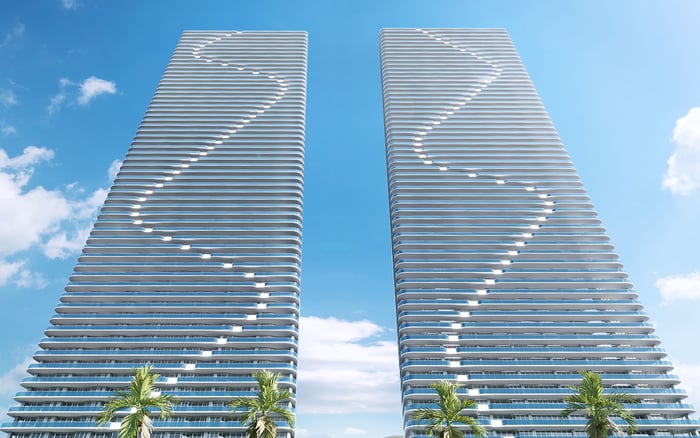
Aria Reserve Miami should be evaluated not only for lifestyle appeal, but also as a pre-construction commitment with timing, scope, quality, deposit, and closing considerations. For households weighing the opportunity, the core question is how delivery risk fits within a broader capital plan.
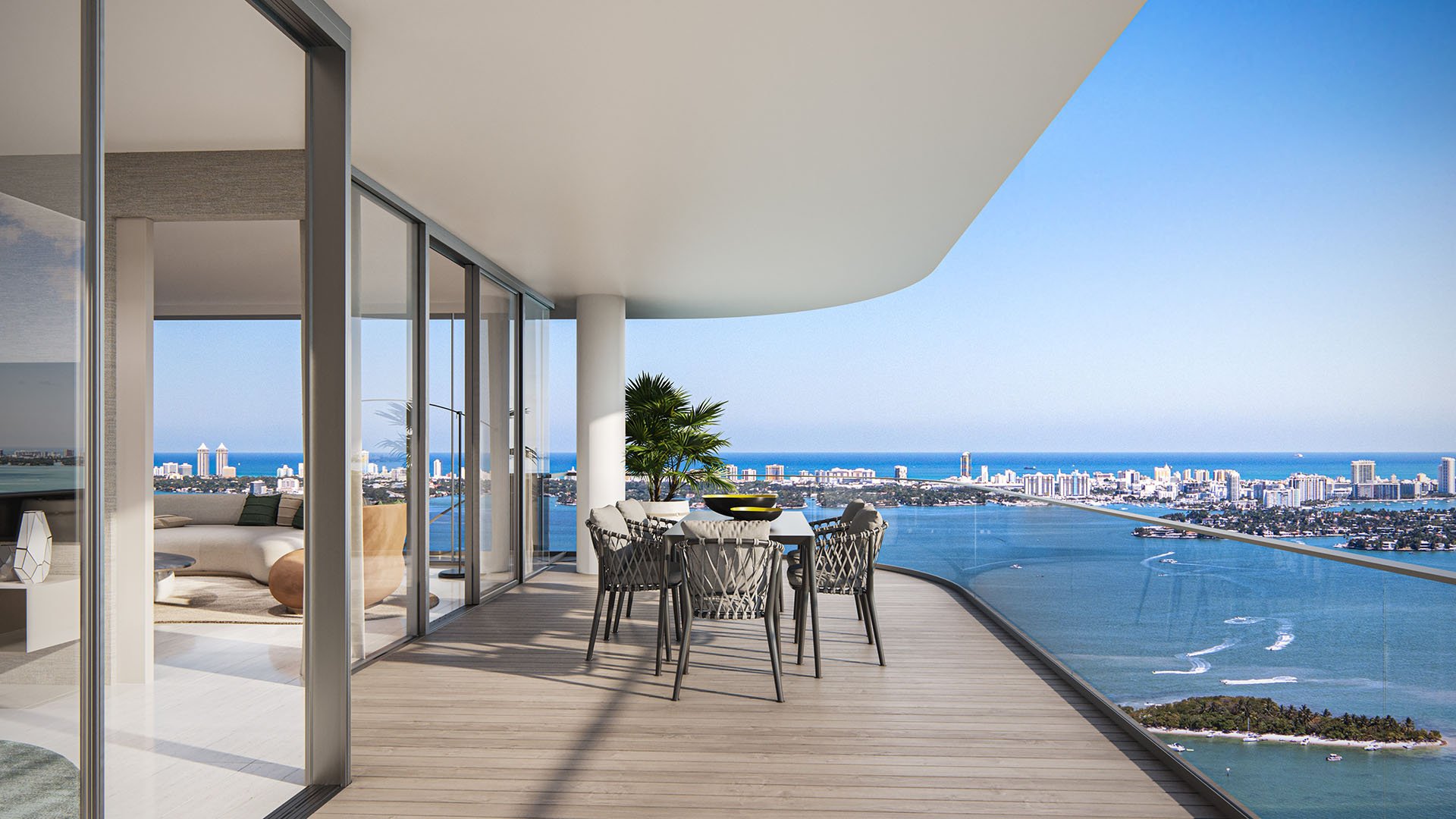
Aria Reserve Miami is best evaluated with two questions in mind. The first is whether the residence and setting fit the household’s lifestyle goals. The second is whether the household is comfortable committing capital to a development process before the finished home exists in its final, walkable form.
That second question is the essence of developer-delivery risk. In a completed residence, a buyer can inspect the building, understand the common areas, experience the views, and evaluate the ownership environment before closing. In a pre-construction purchase, the buyer is also relying on the developer, construction team, contract framework, and delivery timeline.
This does not mean the opportunity should be avoided. It means the purchase should be underwritten with discipline. For affluent households in South Florida, especially those coordinating relocation, second-home use, family timing, or international capital planning, a pre-construction commitment can affect liquidity and flexibility for years.
A luxury residence can be emotionally compelling while still requiring a rigorous risk review. Buyers may be drawn to design, terraces, water-oriented living, amenity programming, and the broader appeal of Miami’s urban waterfront neighborhoods. Those considerations matter, but they should not replace diligence.
The disciplined approach is to separate the dream of the finished home from the path required to deliver it. A sales presentation may show a complete lifestyle, but the buyer’s contract and the developer’s execution determine how that lifestyle becomes real. Timing, permitted changes, completion standards, and closing obligations are therefore central to the decision.
Households should also distinguish between market confidence and project confidence. A buyer may believe strongly in Miami’s long-term luxury market and still need to evaluate the specific delivery structure of one project. The strongest decisions usually come from holding both ideas at once: optimism about the destination and discipline about the process.
Timing is one of the most practical sources of risk in any pre-construction purchase. A delay may be manageable for a second-home buyer with flexible use plans, but more disruptive for a relocating family or a household coordinating school calendars, tax residency, lease expirations, or the sale of another property.
Buyers should ask how the projected timeline is described, what outside dates apply, and what happens if delivery shifts. They should also study whether amenities, access, service areas, or shared spaces are expected to be complete at the same time as the private residence. In a luxury building, the perceived value of the home is closely tied to the overall arrival experience and common-area environment.
Sequencing also matters because the first months of occupancy can differ from the stabilized life of a fully complete building. Even when a residence is substantially complete, final adjustments, owner move-ins, staff ramp-up, and common-area refinement may shape the early experience.
For many buyers, deposits are the most underappreciated part of the pre-construction decision. A deposit may be a normal part of the purchase structure, but it can also become illiquid capital during the construction period. The question is not only whether the buyer can make the deposit, but whether the household remains financially flexible after doing so.
A thoughtful capital plan should account for opportunity cost, financing conditions, currency exposure when relevant, and the possibility that personal circumstances may change before closing. Luxury buyers often have complex financial lives, and a multi-year purchase commitment should be considered alongside portfolio liquidity, business obligations, estate planning, and other real estate holdings.
The best-prepared buyers are not necessarily the most aggressive. They are the ones who understand how much capital is committed, when additional funds may be required, what protections apply, and how the purchase fits within a broader household strategy.
The contract is where much of the real risk allocation appears. Buyers should review deposit protections, completion standards, delay provisions, permitted substitutions, closing obligations, default remedies, and the developer’s rights to modify elements of the project. The language can matter as much as the design package.
Legal review is especially important because marketing materials and contracts may serve different purposes. A brochure describes a vision; a contract defines obligations. Buyers should understand which features are commitments, which are subject to change, and which remedies apply if expectations are not met.
This is also where households should clarify their own tolerance for uncertainty. Some buyers are comfortable with the flexibility developers typically require to complete a complex project. Others prefer the certainty of a completed residence. Neither preference is wrong, but it should be identified before signing.
A completed condominium offers a different kind of certainty. A buyer can walk the building, experience the lobby, view the residence, study the amenities, observe the surrounding environment, and understand the ownership experience before committing. That certainty can be valuable, particularly for households that need immediate use or minimal execution risk.
A pre-construction residence offers a different proposition. The buyer may be drawn to newer design, first-generation ownership, modern amenity planning, and the possibility of securing a residence before completion. Those advantages come with timing, scope, and market risk that must be weighed carefully.
The key is not to decide that one path is inherently better. The better question is which risk profile matches the household. Immediate certainty and future potential are not the same product, even if both ultimately lead to condominium ownership in South Florida.
For Aria Reserve Miami, a practical diligence framework begins with lifestyle fit, but it should not end there. Buyers should define why the residence appeals to them, then separately evaluate whether the development timeline, deposit structure, contract terms, and delivery obligations support the decision.
Next, households should map the purchase against real-life timing. A family relocating to Miami, a seasonal buyer, and an investor with broader portfolio goals may experience the same delay in very different ways. The risk is personal, not merely technical.
Finally, buyers should preserve flexibility. Maintaining liquidity outside the purchase, understanding contract remedies, and comparing the opportunity with completed alternatives can help ensure the decision remains grounded. The most sophisticated approach is not to eliminate every uncertainty, but to know which uncertainties are acceptable before committing.
Is Aria Reserve Miami something buyers should evaluate as a pre-construction commitment? Yes. Buyers should think about the residence as part of a delivery process, not only as a future lifestyle asset.
What does developer-delivery risk mean? It refers to the possibility that timing, scope, quality, amenities, or closing logistics may differ from what the buyer initially expects.
Why does timing matter for households? Timing can affect relocation plans, second-home use, liquidity, financing, and the coordination of other real estate decisions.
What contract provisions deserve close review? Buyers should focus on deposit protections, outside completion dates, permitted changes, remedies for delay, and closing obligations.
Are deposits only a purchase formality? No. Deposits can become illiquid capital during the development period, so they should be considered within the household’s broader balance sheet.
Should buyers compare Aria Reserve Miami with completed condos? Yes. Completed residences offer more immediate certainty, while pre-construction opportunities may involve more timing and execution uncertainty.
How should a buyer think about amenities before completion? Buyers should ask when key amenities are expected to be delivered and whether any shared spaces may mature after initial occupancy.
Is developer-delivery risk the same as market risk? No. Market risk concerns pricing and demand, while delivery risk concerns whether the project is completed as expected and on a workable timeline.
Who should review the purchase documents? Buyers should rely on qualified real estate counsel and trusted advisors who can evaluate contract terms, timing, and capital exposure.
What is the most important mindset for this decision? Buyers should separate emotional appeal from execution diligence so the purchase aligns with both lifestyle goals and financial flexibility.
To compare the best-fit options with clarity, connect with MILLION.
If branded residences are on your mind — as a home or as an allocation — we would be glad to share what we are seeing, privately.
Begin a quiet conversation