Two prestige ZIP codes, two different kinds of leverage. Here is what the latest pricing signals, liquidity patterns, and lifestyle anchors suggest for ultra-luxury buyers comparing Palm Beach to Beverly Hills in 2026.
Palm Beach and Beverly Hills still function as shorthand for American luxury, but in 2026 they read less like mirror markets and more like two different investment dialects. Palm Beach is a coastal, club-oriented enclave with a long-established social code and a rapidly expanding wealth ecosystem nearby. Beverly Hills is a compact, high-density address where privacy is deliberately engineered and cultural proximity is part of the value.
For second-home and portfolio buyers, the question is rarely “which is better.” It is “which one aligns with my time horizon, my liquidity preferences, and my definition of lifestyle certainty.” Framed that way, even modest changes in indices, typical days on market, and the share of cash purchases become practical decision inputs, not academic trivia.
On broad pricing signals, Zillow’s Home Value Index places Palm Beach around $2.04M, down roughly 2.1% year-over-year. Beverly Hills, by the same measure, sits higher around $3.39M, down roughly 1.8% year-over-year. Neither market reads like distress. Both reflect a post-peak recalibration where sellers still expect a premium and buyers are more discriminating on provenance, condition, and replacement cost.
The negotiation posture differs by market rhythm. Redfin’s snapshot for Beverly Hills cites a median home sale price of about $2.4M, with homes typically selling in about 95 days and around 3% below list. That mix often produces a quieter negotiation window where a qualified buyer can be patient, especially when a home is priced for aspiration rather than velocity.
Palm Beach County has shown notable sales momentum. A November 2025 report highlighted year-over-year sales gains of about 19.7%, with the $10M-plus segment called out as a key driver. Equally important to deal psychology, nearly 48% of county sales were all-cash versus about 27% nationally in the same report. In real transactions, that is not just a statistic. It shapes how quickly sellers expect certainty, how inspection and repair conversations are handled, and how aggressively buyers can structure timing.
Beverly Hills is geographically small, about 5.71 square miles, with a population around 32,701. That compact footprint is central to the brand. It concentrates demand, compresses travel time to adjacent cultural and business nodes, and makes micro-location decisive. In a market like this, the block can matter as much as the bedroom count.
Palm Beach operates with a different kind of scarcity. Its most storied submarkets can feel seasonal and ceremonial, with social gravity anchored by long-established institutions and a built environment that prizes continuity. The Estate Section, often described as the island’s ultra-prime neighborhood, is profiled with a notably older resident base, including a median age around 70.6. That demographic tilt tends to reinforce a slower-changing architectural and cultural cadence, where the question of what belongs can carry as much weight as what is new.
For buyers cross-shopping Palm Beach and West Palm Beach, it helps to separate two practical questions:
Luxury markets remain liquid when their lifestyle anchors stay credible and consistently used.
Palm Beach’s retail identity is inseparable from Worth Avenue, which positions itself as a long-running luxury destination built on heritage and service. That emphasis matters because it mirrors how many owners use Palm Beach: a place where routine is curated and reputations are quietly protected.
On the club side, the Mar-a-Lago Club presents itself as a private club with dining, spa, beach and pool access, fitness, and sports amenities. The Sailfish Club of Florida describes itself as founded in 1914 and operating as a private club centered on dining and waterfront-oriented recreation. These are not interchangeable offerings. They reflect different versions of the Palm Beach social calendar, and for certain buyers, membership adjacency can become part of the purchase logic.
Beverly Hills’ visitor ecosystem is famously anchored by Rodeo Drive and adjacent high-end attractions, reinforcing a more public-facing luxury theater. For a different kind of membership culture, Soho House West Hollywood operates as a members’ club emphasizing a creative and industry community, including amenities such as a screening room and club spaces. And for buyers who prioritize legacy sport and tradition, the Los Angeles Country Club relocated to its current site in 1911 and hosted the 2023 U.S. Open.
The takeaway is straightforward. Palm Beach tends to sell the assurance of ritual, while Beverly Hills sells proximity to influence and production. Both are luxury, but they reward different schedules and different definitions of “belonging.”
Palm Beach’s aesthetic identity remains strongly linked to Addison Mizner and the rise of Mediterranean Revival design. That lineage still shapes buyer expectations around proportion, materials, and the idea of timelessness. Even when a residence is fully modernized, it is often valued for how gracefully it participates in that longer story.
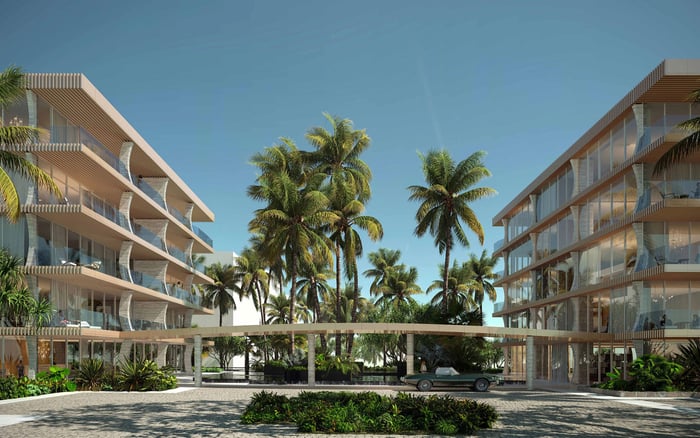
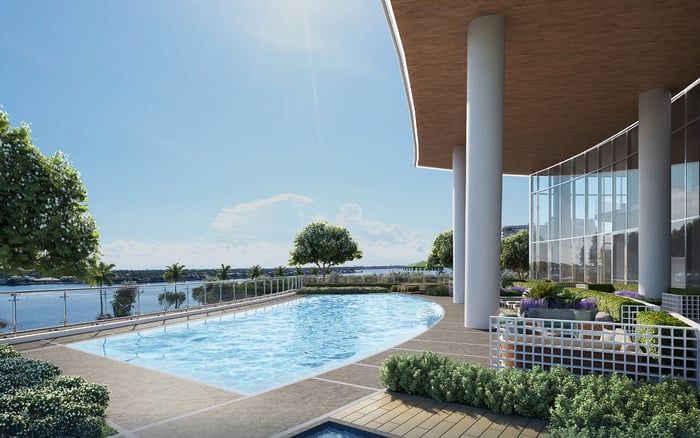
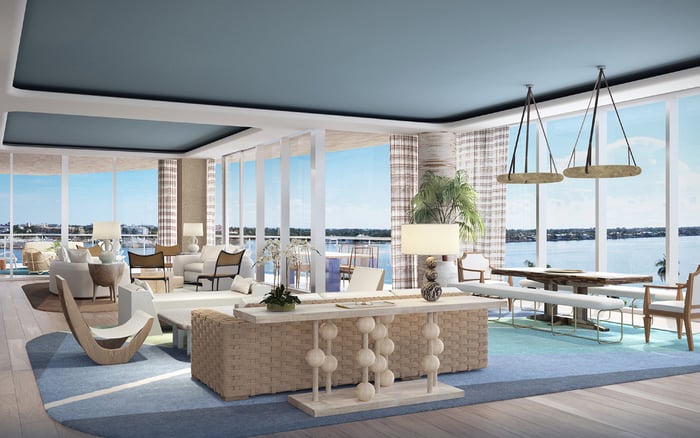
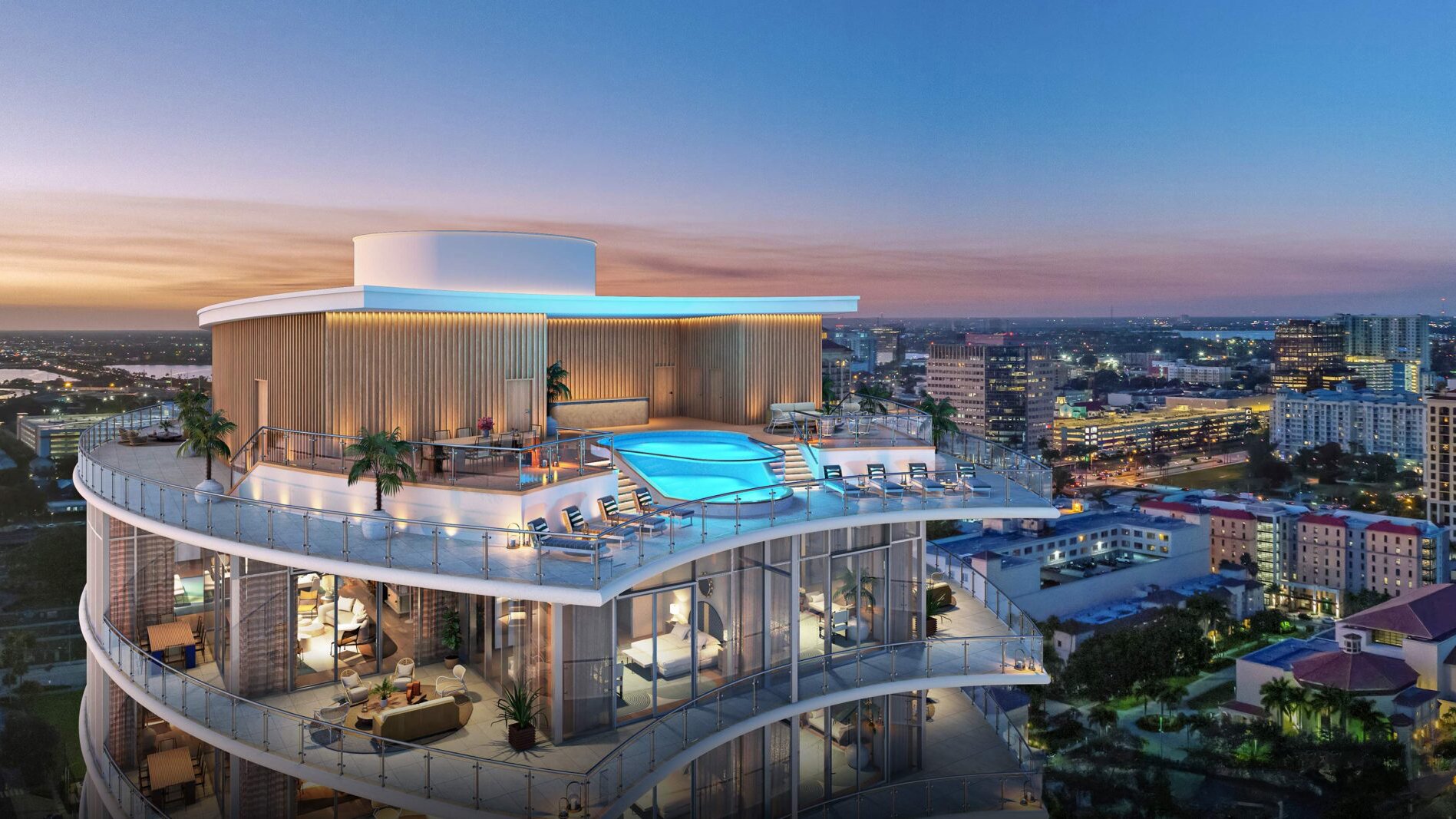
At the same time, the broader Palm Beach and West Palm Beach corridor has been cited as one of the fastest-growing wealth hubs, with millionaires reportedly up about 112% from 2014 to 2024, alongside roughly 11,500 millionaires and 78 centimillionaires. That growth helps explain why the waterfront skyline and condo offering in West Palm Beach is drawing elevated attention. It serves a buyer who wants proximity to the Palm Beach orbit, with turnkey living, contemporary services, and lock-and-leave ease.
Within that context, buyers exploring new luxury inventory may find the branded and design-forward positioning of Shorecrest Flagler Drive West Palm Beach compelling for its address narrative along Flagler’s waterfront. Those prioritizing hospitality-inflected living and a Euro-modern sensibility often cross-shop Mr. C Residences West Palm Beach. For purchasers who value brand certainty and service culture as part of resale logic, The Ritz-Carlton Residences® West Palm Beach represents a familiar promise in a market still refining its vertical luxury identity. And for those seeking a more boutique, design-led residential experience, Alba West Palm Beach can sit naturally in the consideration set.
The top of each market offers a clear read on confidence and buyer depth.
In Palm Beach, a mansion tied to architect Maurice Fatio was publicly cited as listed at $105M, after reportedly selling for $30.9M in 2021. In Beverly Hills, Realtor.com’s January 2026 roundup cited 620 Arkell Dr at about $100M as the priciest active listing mentioned for the area.
Trophy pricing serves two functions. First, it establishes an aspirational ceiling that can elevate the narrative around adjacent properties, even if those homes will never trade at comparable levels. Second, it tests the depth of true demand: buyers who can pay, but also choose not to.
In both Palm Beach and Beverly Hills, the actionable signal is not the headline list price. It is the market’s response over time, including days on market, price adjustments, and the quiet circulation of alternatives.
Ultra-luxury buyers rarely regret choosing the right lifestyle. They more often regret underestimating friction.
Use the following buyer-oriented filters to clarify fit:
Liquidity style: Palm Beach County’s high share of cash sales suggests a market where speed and certainty can be decisive. Beverly Hills can reward patience, particularly when typical marketing times stretch.
Visibility tolerance: Beverly Hills luxury often sits closer to public culture and visibility. Palm Beach luxury is more frequently mediated through clubs and private routines.
Aesthetics and continuity: If architectural lineage matters, Palm Beach’s Mizner-influenced identity can feel unusually coherent. If the priority is density and adjacency to LA’s cultural engine, Beverly Hills’ compact footprint can be a strategic advantage.
Household extreme-wealth context: Nationally, New York holds more than one-fifth of U.S. household “extreme wealth” above $30M, while California ranks second by this measure. That concentration can support Beverly Hills’ long-term buyer pool, while South Florida’s wealth-growth narrative is increasingly supporting Palm Beach and West Palm Beach.
Ultimately, Palm Beach tends to reward buyers seeking a long-view, tradition-forward environment with seasonal intensity. Beverly Hills tends to reward buyers seeking a permanent proximity play, with status delivered through location compression.
Is Palm Beach or Beverly Hills more expensive right now? By Zillow’s index, Beverly Hills is higher at about $3.39M versus Palm Beach around $2.04M, with both slightly down year-over-year.
Are buyers negotiating more in Beverly Hills? Recent market snapshots show homes selling about 3% below list on average, suggesting negotiated outcomes are common.
What does 95 days on market imply for Beverly Hills buyers? It can create room for diligence and timing strategy, particularly when a seller’s initial pricing is ambitious.
Why does the share of all-cash purchases matter in Palm Beach County? A cash-heavy market often compresses timelines and increases the premium placed on certainty, not just price.
Is the $10M-plus segment active in Palm Beach County? Recent reporting highlighted the $10M-plus segment as a key driver of year-over-year sales gains.
What defines Palm Beach’s architectural identity? Palm Beach style is closely associated with Addison Mizner and Mediterranean Revival design principles.
How do lifestyle anchors differ between the markets? Palm Beach is closely tied to institutions like Worth Avenue and private clubs, while Beverly Hills’ ecosystem is heavily shaped by Rodeo Drive and adjacent cultural nodes.
What is the Beverly Hills footprint like? Beverly Hills is a small enclave of about 5.71 square miles, supporting a strong micro-location premium.
Do trophy listings tell you anything practical? They can set narrative ceilings and test real demand depth, but the more actionable signal is how pricing evolves over time.
How should a second-home buyer choose between them? Start with your preferred cadence, privacy style, and liquidity needs, then align the address with the lifestyle you will actually use.
For private guidance on South Florida opportunities, connect with MILLION Luxury.
If branded residences are on your mind — as a home or as an allocation — we would be glad to share what we are seeing, privately.
Begin a quiet conversation