Palm Beach and Jupiter Island sit at the pinnacle of South Florida’s barrier-island living, but they deliver prestige in distinctly different ways. This MILLION Luxury guide compares density, privacy, negotiation dynamics, and the new-construction counterpoint across the Intracoastal in West Palm Beach so buyers can align lifestyle with acquisition strategy.
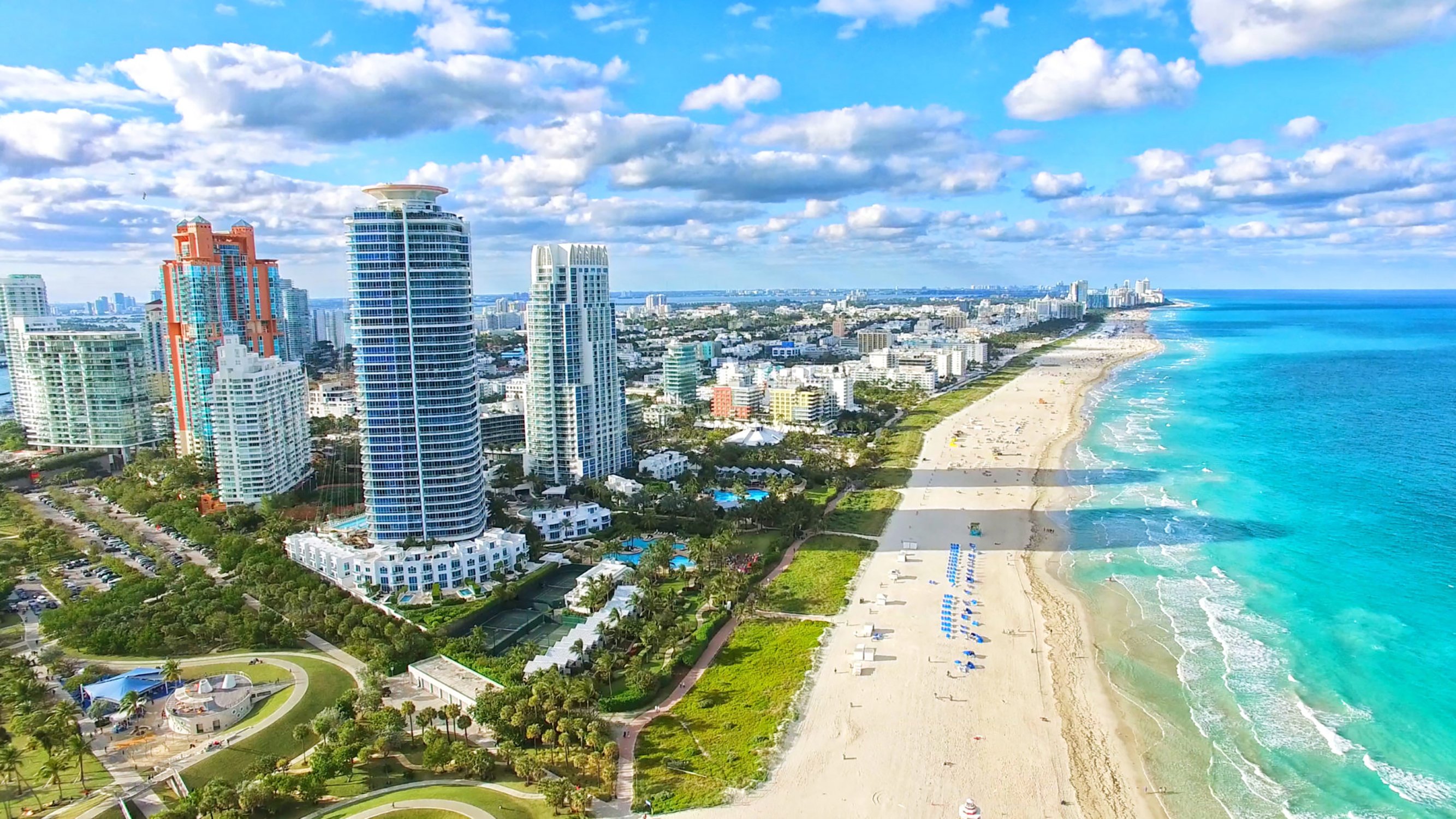
Palm Beach and Jupiter Island are often mentioned in the same breath because both sit at the top tier of Florida’s residential coastline. In practice, they represent two distinct definitions of luxury.
Palm Beach is as much a social and architectural brand as it is a destination - defined by a comparatively dense, refined island fabric and a resident profile that skews older. That density isn’t “crowded” in any typical sense, but it does translate into more neighbors, more visibility, and closer daily proximity to the island’s institutions.
Jupiter Island offers the counterpoint: small, low-density, and deliberately protected as a quiet residential municipality. Here, scarcity isn’t a tagline - it’s the natural outcome of how the town is physically organized.
If you’re choosing between the two, the most strategic first move isn’t a neighborhood tour. It’s deciding which form of scarcity you value more: scarcity of address, or scarcity of access.
Palm Beach’s appeal is built on continuity. Its Gilded Age lineage still informs buyer perception, and the island’s brand identity remains one of its most durable assets. The resident profile is notably mature, and the development pattern reads as comparatively dense for a luxury barrier island.
That density carries real-world implications. A tighter island fabric generally supports greater day-to-day convenience and a smoother rhythm for seasonal living - especially for buyers who want to be in the scene rather than adjacent to it. It can also mean the market feels more closely observed: from design expectations to neighborhood norms, Palm Beach tends to reward homes that are finished, correct, and well-positioned.
On the acquisition side, the ultra-luxury segment has shown it can absorb a meaningful number of $10M+ transactions in a single year. At the same time, trophy pricing is still subject to market discipline. High-profile estates can and do reprice or trade below ask when the premium is viewed as too ambitious. For buyers, that combination creates a distinctive dynamic: liquidity exists, but it’s earned through precision.
Jupiter Island is low-density by design. Its municipal profile emphasizes the preservation of residential character and natural resources, and the town’s land and parcel counts reinforce a large-lot, limited-development pattern. The outcome is privacy that is structural.
This isn’t simply the barrier-island version of “quiet.” It’s an environment where day-to-day discretion is embedded in the built form. For certain families, that’s the point. If Palm Beach is a recognized address, Jupiter Island is a lifestyle built around minimized exposure.
Economically, the area’s income profile is extremely high, and buyers often approach ownership with a long horizon. Negotiation can be more apparent here than many expect. Median pricing at the top end can shift year over year, and typical transactions have shown room between list and sale, along with longer pendency timelines than a “feeding frenzy” market. For buyers who prefer to move deliberately, that tempo can feel like a feature - not a flaw.
In ultra-luxury, value is rarely about price per square foot in the abstract. It’s about which irreplaceable attribute you’re underwriting.
In Palm Beach, value often concentrates around heritage, proximity, and the enduring social infrastructure of a globally recognized enclave. The premium is partly reputational and partly functional: being on the island, in the mix, with an address that reads instantly to those who understand luxury.
In Jupiter Island, value more often expresses as land, separation, and the ability to own a residential experience buffered from the broader region. The premium isn’t amenity density - it’s the absence of it.
A useful framework: Palm Beach compresses lifestyle into a smaller, denser footprint; Jupiter Island extends lifestyle across land, distance, and fewer parcels.
Waterfront isn’t a single category. Sophisticated buyers separate oceanfront exposure from Intracoastal convenience - and then evaluate how a property performs across seasons.
Jupiter Island’s signature, hard-to-replicate offering is the occasional ocean-to-Intracoastal configuration, where a single estate commands both exposures. When those properties come to market, they effectively set their own comparables.
Palm Beach, by contrast, places sharper emphasis on micro-location and legacy positioning. Because the island is denser overall, the best waterfront opportunities can feel both rare and closely scrutinized. The advantage is clarity: what’s considered prime has been prime for a long time.
In both markets, the strongest properties can still move quickly when quality is high and pricing is correct. The negotiation texture, however, is different.
Palm Beach buyers should expect a market where the right single-family home can draw decisive attention. At the same time, the top end has shown that even trophy estates can face repricing and hard conversations about where value truly clears.
Jupiter Island buyers should expect longer arcs: more time for diligence, more opportunity to negotiate, and a generally less compressed path from offer to contract. If you’re optimizing for certainty and speed, that can feel slow. If you’re optimizing for privacy and terms, it can read as rational.
Across both, Florida’s high share of all-cash purchasing matters. Many buyers in these enclaves are simply less sensitive to rate cycles, which helps keep quality inventory from becoming “must sell” inventory.
Part of the gravitational pull is financial. Florida’s lack of state income tax remains a core factor in high-net-worth relocation and long-term planning. In practical terms, the demand base isn’t only lifestyle-driven - it’s strategy-driven.
That matters because it can support activity even as the broader housing narrative shifts. In Palm Beach and Jupiter Island, the top end tends to be influenced less by conventional affordability and more by wealth preservation, family planning, and the desire to secure a scarce coastal position.
Many buyers weighing Palm Beach also confront a second question: do you want the island itself, or do you want a front-row seat to the same coastline with a more contemporary residential product?
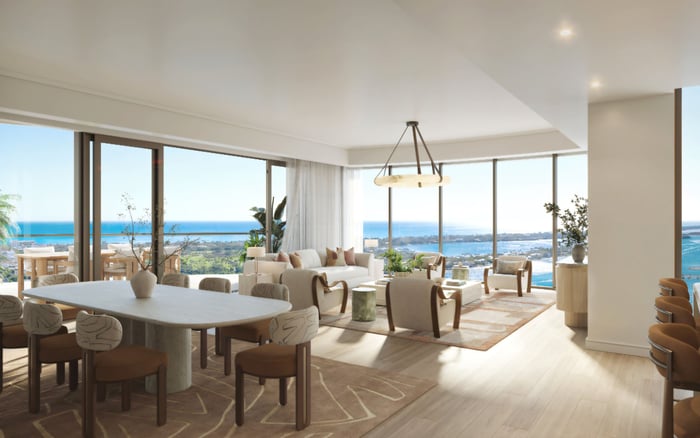
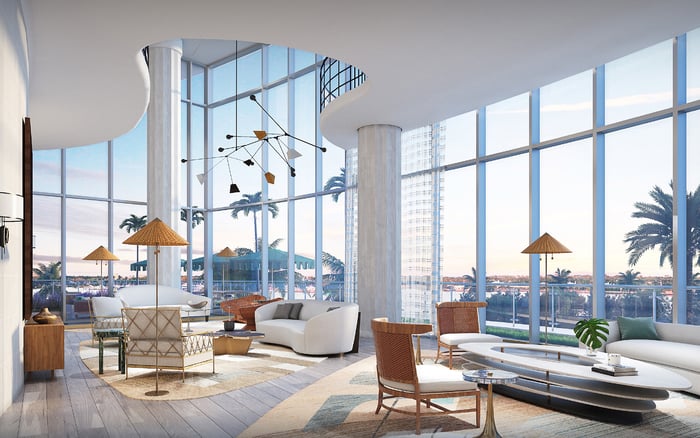
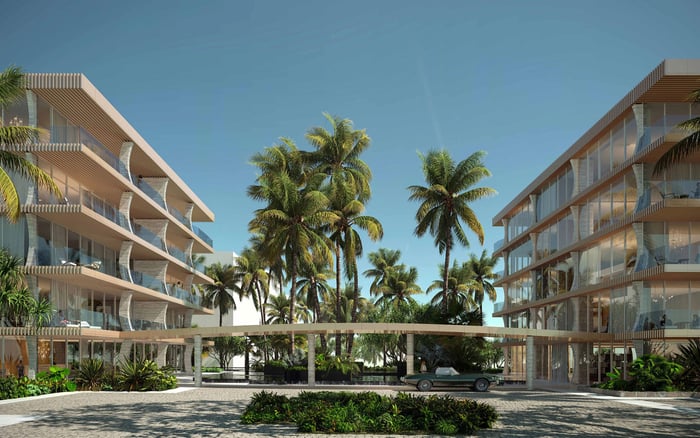
Across the bridges, West-palm-beach has emerged as a compelling option for buyers who prioritize new construction, vertical views, and turnkey service. The proposition isn’t to replace Palm Beach - it’s to offer a different expression of luxury that remains minutes from the island.
Consider the design-forward appeal of Forté on Flagler West Palm Beach for buyers seeking a contemporary waterfront presence with a city-side rhythm. For those drawn to a similarly elevated address along the corridor, Shorecrest Flagler Drive West Palm Beach reflects the continued maturation of the Flagler waterfront into a true luxury residential row.
If your lifestyle is more hospitality-led, Mr. C Residences West Palm Beach delivers a branded sensibility for buyers who want service culture baked into the experience. And for those who prefer the reassurance of a legacy luxury flag on the Intracoastal, The Ritz-Carlton Residences® West Palm Beach reads as an especially clear statement.
These options aren’t substitutes for Jupiter Island’s low-density doctrine or Palm Beach’s heritage gravity. They’re alternatives for buyers who want modern execution, predictable operations, and true lock-and-leave ease without compromising on location.
For ultra-premium buyers, the decision is rarely “which is better.” It’s “which kind of rare am I buying?”
Choose Palm Beach if you want an address that signals instantly, an island with a mature social ecosystem, and a market where the best homes are judged by exacting standards.
Choose Jupiter Island if you want privacy protected by municipal design, fewer parcels, and a pace that supports measured negotiation and long-view ownership.
Consider West-palm-beach if you want a modern waterfront residence, newer construction, and a service-forward lifestyle across the bridge from Palm-beach.
Is Palm Beach more walkable than Jupiter Island? In practice, Palm Beach’s denser island fabric often supports more day-to-day convenience, while Jupiter Island is defined by distance and discretion.
Which market is better for privacy? Jupiter Island is intentionally low-density, which typically translates into stronger structural privacy.
Do trophy homes ever sell below asking in Palm Beach? Yes. Even at the highest price points, some marquee properties have traded below ask after repricing.
Does Jupiter Island allow more negotiation? Recent market behavior has shown transactions often clearing below list with longer timelines, which can create negotiating room.
Are all-cash purchases common in these markets? Florida leads nationally in all-cash home purchases, and that dynamic is often visible in ultra-luxury coastal deals.
Why do so many high-net-worth buyers relocate to this region? Lifestyle plays a role, but Florida’s lack of state income tax is a major driver in long-term planning.
Is West Palm Beach a credible alternative to living on Palm Beach Island? For buyers prioritizing new construction and service, West-palm-beach can deliver a modern waterfront lifestyle minutes away.
What kind of inventory trends should condo buyers expect on the barrier islands? Barrier-island condo inventory has recently trended down year over year, while timelines to sell can be longer.
Which location skews older in resident profile? Both skew older, with Palm Beach showing a particularly mature median age.
What is the biggest strategic difference between Palm Beach and Jupiter Island? Palm Beach concentrates prestige and proximity; Jupiter Island concentrates privacy and low-density scarcity.
For a confidential assessment and a building-by-building shortlist, connect with MILLION Luxury.
If branded residences are on your mind — as a home or as an allocation — we would be glad to share what we are seeing, privately.
Begin a quiet conversation