A discreet due-diligence guide for family buyers evaluating how guest-access management at One Thousand Museum Downtown Miami may shape privacy, convenience, household staffing and day-to-day livability.
At the upper end of the Downtown Miami condominium market, privacy is not just a design preference. It is part of how daily life is organized. For family buyers considering One Thousand Museum Downtown Miami, guest-access management should be evaluated as carefully as the residence itself.
For an occasional city residence, guest access may feel like a concierge detail. For a family, it becomes operational. Children have friends. Grandparents visit. Tutors arrive after school. Drivers, nannies, chefs, housekeepers, trainers, contractors and extended-stay relatives may all intersect with the front desk, valet, elevators and amenity spaces in a single week. The question is not simply whether the building is secure. It is whether the building’s access culture supports a sophisticated family rhythm without compromising privacy.
This is where a luxury condominium’s positioning should sharpen, not soften, buyer diligence. Families should treat guest-access management as a livability issue, a security issue and a household-management issue at once.
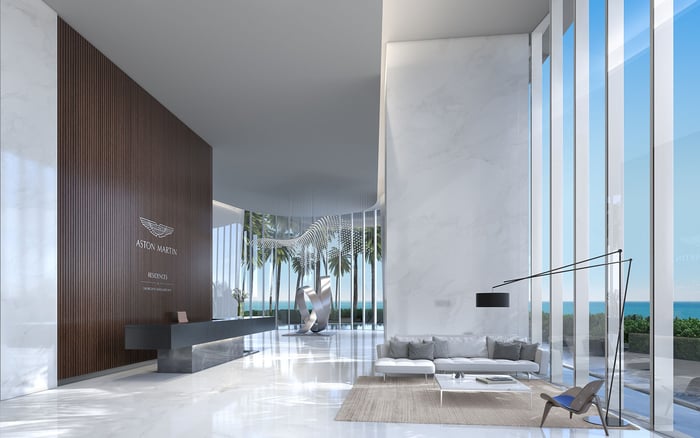
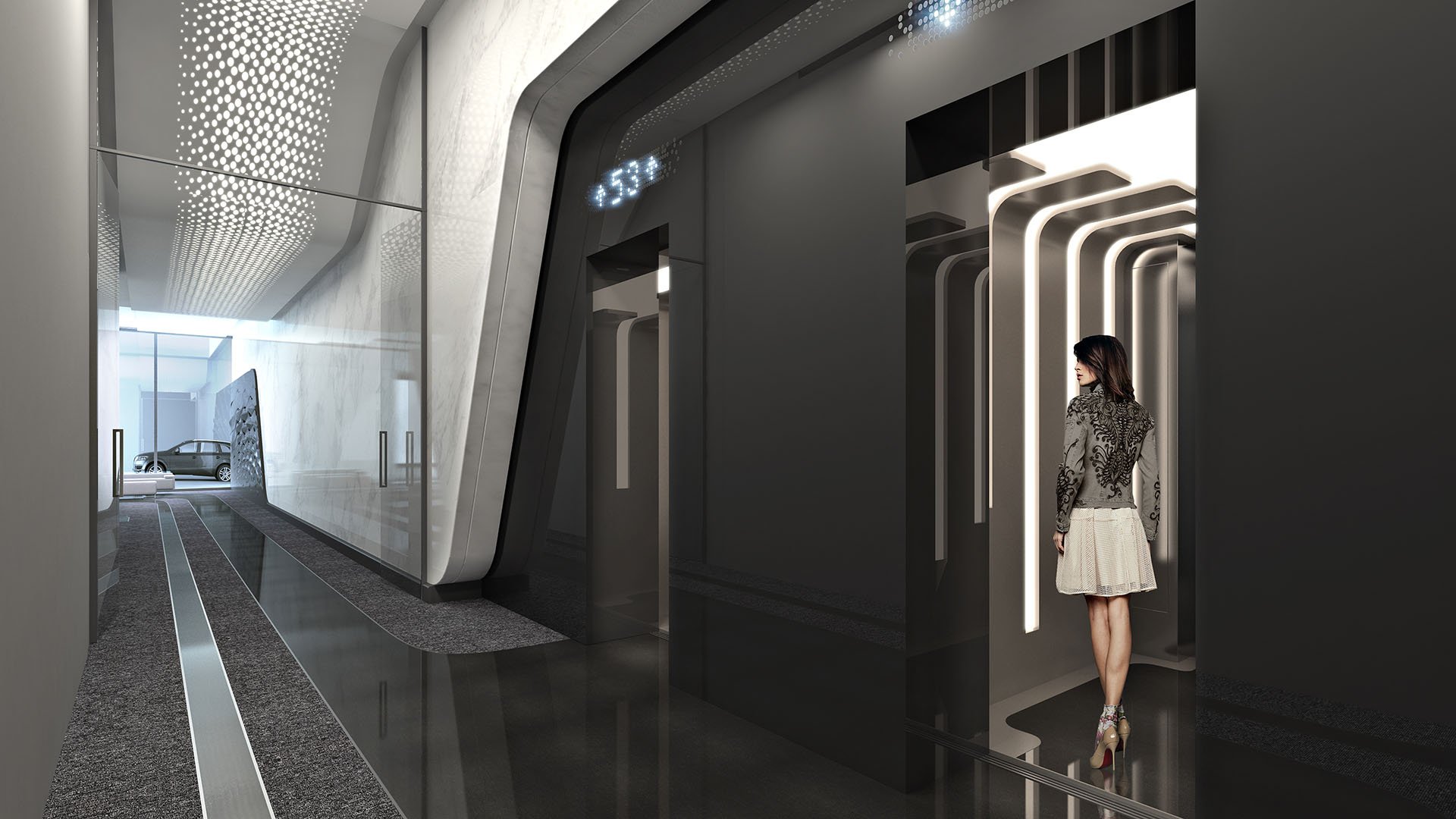
Before focusing on the residence itself, family buyers should study the first few minutes of every visit: the approach, valet handoff, lobby entry, check-in and elevator authorization. These moments shape how guests, caregivers and family members experience the building before they ever reach the home.
Ask how the building handles pre-authorized guests versus unannounced visitors. Clarify whether a parent can approve a guest remotely, how much information must be provided in advance and whether recurring visitors can be entered into the system for defined periods. A family with two working parents may need different answers than an owner who entertains only occasionally.
The child-arrival scenario deserves particular scrutiny. If a driver brings children home from school, can that driver wait in an appropriate manner? If a caregiver brings a child and a friend upstairs after a playdate, what verification occurs? If relatives arrive with luggage during a busy period, who manages the transition from vehicle to residence? These are not minor etiquette questions. They determine whether daily life feels composed or improvised.
Families comparing Downtown residences such as Aston Martin Residences Downtown Miami, Casa Bella by B&B Italia Downtown Miami and Waldorf Astoria Residences Downtown Miami should apply the same lens: arrival management can matter as much as the view line or finish package.
Amenity access is where family expectations and condominium rules can diverge. A guest policy that seems simple in the lobby may become more nuanced at the pool, wellness areas, lounges, dining rooms, children’s spaces or multimedia rooms. Family buyers should ask whether guests must be accompanied by residents in each area, whether limits change on weekends or holidays and whether different rules apply to children’s guests.
The question is not whether a building should be restrictive or permissive. The better question is whether its rules are clear, current and aligned with the way the buyer actually lives. A household that hosts frequent family dinners will care about dining and lounge protocols. A family with young children will care about playdates, pool capacity and adult-supervision requirements. A household with teenagers may care more about multimedia rooms, fitness access and rules for unaccompanied friends.
Buyers should request the current written rules for guest limits, event reservations, amenity capacity and unaccompanied guests. Verbal assurances are useful, but written rules govern expectations. They also reveal whether policies distinguish thoughtfully between a birthday gathering, a visiting aunt, a private tutor, a nanny and a vendor scheduled to service the residence.
In a larger residence, the owner’s guest universe is rarely one category. A social guest may be coming for dinner. A tutor may arrive three times a week. A nanny may need independent access for the school run. A driver may remain at the building for short intervals. A contractor may need service-elevator coordination. Extended family may stay for days or weeks.
Family buyers should ask whether access policies distinguish among social guests, service providers, nannies, drivers, tutors, contractors and extended-stay family members. This matters because convenience and discretion depend on precision. A recurring caregiver should not be treated like a first-time party guest every afternoon, but independent access should still be controlled and traceable.
The strongest buildings create a sense of invisible order. Residents feel protected without feeling managed. Guests feel expected without feeling anonymous. Staff can do their work without disrupting the privacy of other residents. At One Thousand Museum Downtown Miami, that balance is central to the family-buyer conversation.
A buyer should not rely only on a tour impression. Request the condominium declaration, house rules, amenity rules, move-in and vendor rules, resident-facing security procedures where available and recent board minutes if accessible. The goal is not to search for flaws. It is to understand the governance framework that will shape the residence after closing.
Pay particular attention to whether guest-access systems and staffing practices are association-controlled. If they are, policies may be subject to future board decisions or management changes. A rule that works beautifully today may evolve as resident preferences, staffing models or amenity usage patterns change. Luxury buyers are accustomed to underwriting design, location and finish quality. They should underwrite governance with the same seriousness.
This is also where resale diligence differs from showroom enthusiasm. In new-construction conversations, buyers often focus on what will be delivered. In an established condominium, the relevant question is how the building is actually operated day to day. For private-school routines, visiting relatives and household staff coordination, operating culture is not abstract. It is the difference between elegance and friction.
Before a second showing, prepare a practical access checklist. How are guests pre-authorized? What information is required? Can recurring visitors be approved by category and schedule? How are service providers separated from social visitors? Are guests tracked by time, destination or resident authorization? Are there different procedures for vendors, caregivers and family members staying overnight?
Then move from policy to lived experience. Ask how the building handles simultaneous arrivals, peak valet periods, amenity crowding and event reservations. Ask whether children’s guests can move through the building without a resident adult and whether teens may use specific spaces with friends. Ask how elevator access interacts with guest authorization, especially where privacy expectations are high.
For families also evaluating Brickell alternatives such as The Residences at 1428 Brickell, the same framework applies. Architectural drama may win attention, but household logistics often determine long-term satisfaction.
One Thousand Museum Downtown Miami may appeal to family buyers seeking a private urban residence in South Florida, but the most elegant home is only as functional as the systems around it.
Guest-access management should therefore be part of core diligence, not an afterthought. The right questions will reveal how the tower balances exclusivity with convenience, how it treats recurring household visitors, how amenity access is managed and how policies may change over time. For families, that is where luxury becomes livable.
Why should family buyers focus on guest-access management at One Thousand Museum Downtown Miami? Because family life often involves caregivers, tutors, relatives, playdates and vendors, all of whom affect privacy, security and daily convenience.
Should buyers ask for written guest policies before making an offer? Yes. Written house rules, amenity rules and vendor procedures are more reliable than informal descriptions during a tour.
Do guest rules usually vary by amenity area? They can. Buyers should ask separately about pools, wellness areas, lounges, dining rooms, children’s spaces and multimedia rooms.
What should parents ask about child arrivals? They should ask how valet flow, caregiver authorization and lobby verification work during school-run hours.
Are nannies and tutors treated differently from social guests? Buyers should confirm whether policies distinguish recurring household support from occasional visitors or party guests.
Why does access control matter for visiting relatives? Extended family may arrive with luggage, stay overnight or visit repeatedly, so buyers should understand registration and access procedures in advance.
Can guest-access policies change after closing? They may change if controlled by the condominium association, board or management, so buyers should understand governance.
What documents should a buyer review? Key documents include the declaration, house rules, amenity rules, vendor rules and resident-facing security procedures if available.
How should buyers evaluate household staff access? They should ask whether recurring staff can be authorized by schedule, role or duration while maintaining appropriate oversight.
Is guest-access management only a security issue? No. It is also a livability issue that affects entertaining, staffing, school routines, privacy and multigenerational visits.
When you're ready to tour or underwrite the options, connect with MILLION.
If branded residences are on your mind — as a home or as an allocation — we would be glad to share what we are seeing, privately.
Begin a quiet conversation