A buyer-focused guide to evaluating pool equipment noise before closing on a South Florida luxury residence, with attention to inspections, privacy, resale, and daily livability.
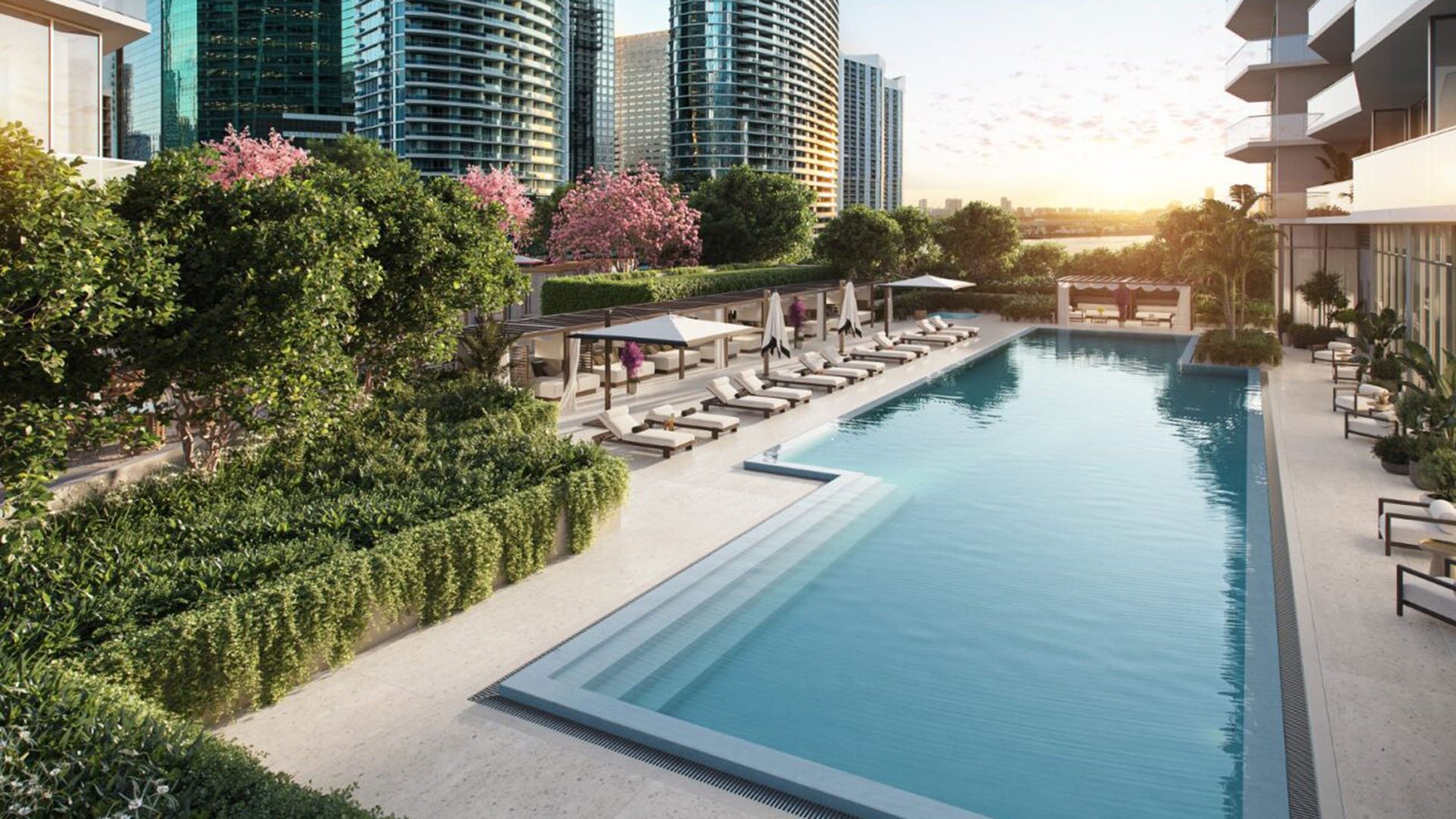
In South Florida luxury real estate, the pool is rarely an accessory. It is part of the architecture, the entertaining sequence, and the daily rhythm of a residence. Yet one of its most consequential elements is often treated as background infrastructure: the equipment that keeps the water clear, circulating, heated, cooled, and illuminated.
For buyers focused on views, ceiling heights, finishes, and arrival sequences, pool equipment noise can feel too technical to scrutinize before closing. That is precisely why it can become expensive. A hum outside a primary suite, vibration along a terrace wall, or a pump cycle that interrupts morning coffee may never appear in listing photography, but it can change how a property lives.
The issue is not whether a pool has equipment. Every pool does. The question is whether that equipment has been placed, isolated, screened, and maintained in a way that supports the level of serenity expected in a premium South Florida home.
South Florida residences are designed for indoor-outdoor living. Sliding glass walls, covered loggias, summer kitchens, plunge pools, lap pools, spa decks, and waterfront terraces invite owners to live with the doors open and the day unfolding outside. In that setting, mechanical sound travels differently than it would in a sealed, northern-climate house.
A pump that seems tolerable during a rushed showing can feel intrusive during dinner on the terrace. A heater or filtration cycle that blends into daytime traffic may stand out at night. In tightly planned settings, including Brickell, Miami Beach, Sunny Isles, and boutique waterfront enclaves, the distance between pool equipment, bedroom walls, neighboring terraces, and property lines may be limited.
Buyers comparing high-design condominiums and homes, from 2200 Brickell to waterfront residences along the coast, often evaluate amenities as expressions of calm. The same discipline should apply to private and shared pool systems. Sound is part of the amenity.
The most obvious cost of pool equipment noise is remediation: relocating equipment, adding acoustic screening, replacing aging components, correcting vibration transfer, or adjusting operating schedules. Those solutions can be straightforward or complex depending on the property, access, association rules, setbacks, utilities, and landscape design.
The less obvious cost is lifestyle erosion. A residence purchased for restorative weekends can become a place where owners avoid a favorite terrace during certain hours. A guest suite overlooking a pool court may lose its sense of retreat. A meditation garden, cabana, or outdoor dining area may feel compromised by a persistent mechanical signature.
There is also a negotiation cost. Before closing, an issue can often be addressed within the broader inspection and contract framework. After closing, the same issue becomes an ownership problem. The buyer may still solve it, but without the same leverage and often with more disruption.
A proper listening walk is simple, but it must be intentional. Buyers should experience the property when the pool system is actually running, not merely glance at the equipment pad while it is off. The goal is not to become a technician. The goal is to understand how the house sounds in real use.
Start at the equipment location, then move to the spaces where quiet matters most: primary bedroom, guest rooms, office, dining terrace, poolside seating, balconies, and neighboring outdoor edges. Listen for a steady hum, high-pitched whine, rattling, pulsing, vibration through walls, or sound that changes as equipment cycles.
In oceanfront settings, wind and surf can mask mechanical sound during one visit and reveal it during another. In urban environments, traffic may do the same. A calm early morning or evening visit can be revealing, especially in residences marketed around wellness, privacy, or resort-style outdoor living.
The best pool equipment solutions are rarely accidental. They are coordinated with landscape architecture, service circulation, walls, cabinetry, ventilation, and access. Equipment needs air, clearance, drainage, and maintenance room. It also needs to be discreet.
A beautiful hedge may soften views but do little for vibration. A masonry enclosure may help with perception but create service complications if not thoughtfully designed. A side yard may seem convenient yet place noise directly beside a bedroom. The right answer is property-specific, and luxury buyers should expect that answer to be both functional and quiet.
In new residences and branded developments, expectations are especially high. Buyers considering new-construction offerings such as The Perigon Miami Beach or coastal towers like St. Regis® Residences Sunny Isles are often attuned to acoustics inside the residence. The same mindset belongs outdoors, where pool decks, spa areas, and private terraces define the experience of ownership.
Pool noise due diligence changes by property type. In a single-family home, the buyer may have more control over equipment placement and upgrades, although site constraints still matter. In a condominium, the pool system may be part of a shared amenity program, governed by association operations and building systems. In a townhouse or villa setting, the equipment may sit close to living spaces simply because the footprint is more intimate.
For condominium buyers, the key is adjacency. Is the residence near an amenity deck, spa, service zone, mechanical room, or podium pool? Does the terrace overlook equipment or water features? Does the building operate amenity systems at hours that align with the buyer's lifestyle?
For estate buyers, the inquiry is more private but no less important. Where is the equipment relative to the primary suite, guest house, staff areas, cabana, and neighboring property? Is there a clean route for service technicians that does not disturb entertaining areas? Can upgrades be performed without redesigning major hardscape?
In markets such as Pompano Beach and Boca Raton, where buyers may compare waterfront living, private terraces, and resort-caliber amenities, residences like The Ritz-Carlton Residences® Pompano Beach and Alina Residences Boca Raton illustrate the broader buyer expectation: outdoor spaces should feel composed, not mechanically improvised.
A buyer should not wait until the final walk-through to think about pool equipment sound. The topic belongs in the inspection period, alongside roof, structure, electrical, plumbing, HVAC, seawall considerations where applicable, and general maintenance review.
Ask for the pool system to be operated during inspection. Have the inspector note visible equipment condition, placement, vibration, leaks, service access, and any unusual sound. If the property is governed by an association, review what can and cannot be altered. If an acoustic concern appears, obtain professional guidance before closing rather than relying on assumptions.
The best questions are practical. Can the equipment be serviced easily? Is there room for replacement if needed? Is the pad stable? Does sound transfer into bedrooms or terraces? Are timers and operating schedules aligned with quiet hours? Does landscaping conceal equipment while preserving airflow and access?
If a concern is material, address it directly. The remedy may be a credit, repair, replacement, further evaluation, or simply a clearer understanding of post-closing priorities. What matters is that the buyer does not discover the problem only after moving in.
Luxury buyers notice details. A residence that sounds calm gives the impression of care, even before a single specification is discussed. Conversely, audible equipment can undermine confidence. If the pool system is noisy, buyers may wonder what else has been deferred, even when the rest of the property is beautifully presented.
For sellers, this is a preparation issue. Servicing the system, correcting rattles, improving screening, and ensuring orderly equipment areas can support the overall presentation of the home. For buyers, it is a lens into ownership quality. The quietness of the pool environment is not just a comfort feature. It is part of the property's private atmosphere.
In South Florida, where outdoor living is central to value, acoustic comfort should sit beside light, view, plan, and finish. The most desirable homes do not merely look serene. They behave serenely.
Why should I evaluate pool equipment noise before closing? Because it can affect daily comfort, outdoor entertaining, bedroom quiet, and future negotiation leverage.
Is pool equipment noise always a sign of a defect? Not always. Some sound is normal, but intrusive hum, vibration, rattling, or whine deserves closer review.
When is the best time to listen to the equipment? Visit when the system is running, ideally during a quieter morning or evening when ambient noise is lower.
Should my home inspector review the pool system? Yes. A general inspection can identify visible concerns, and a pool specialist can provide deeper evaluation.
Can noisy pool equipment usually be fixed? Often it can be improved, but the solution depends on placement, access, components, rules, and site constraints.
Is this different for condos than single-family homes? Yes. Condo equipment may be shared or association-controlled, while single-family systems may offer more owner control.
What spaces should I test for sound impact? Focus on bedrooms, terraces, offices, guest suites, dining areas, and any outdoor space you expect to use often.
Can landscaping solve the problem? Landscaping may help visually, but it may not resolve vibration or mechanical sound without proper acoustic planning.
Should sellers address pool noise before listing? Yes. A quieter, well-maintained pool environment can strengthen the perception of care and livability.
What is the luxury standard for pool equipment? It should be serviceable, discreet, properly located, and quiet enough to preserve the intended outdoor experience.
To compare the best-fit options with clarity, connect with MILLION.
If branded residences are on your mind — as a home or as an allocation — we would be glad to share what we are seeing, privately.
Begin a quiet conversation