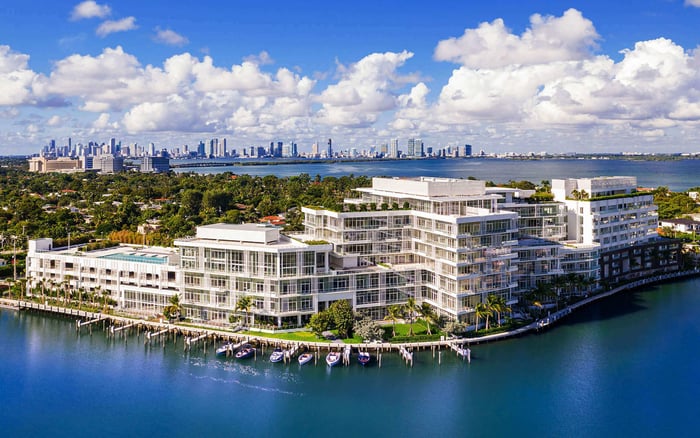
For full-time and globally mobile South Florida owners, international owner services are less about convenience than continuity. The right structure protects privacy, coordinates access, anticipates maintenance, and makes the residence feel prepared every time the owner arrives.

For the globally mobile owner, a South Florida residence is rarely just a point on a map. It is a private base, a family gathering place, a planning asset, a lifestyle decision, and often a long-horizon store of value. International owner services keep those roles aligned when the owner is not physically present every week.
The phrase can sound broad, but at the highest level it means disciplined oversight: who enters the residence, who approves work, who prepares it before arrival, who responds to a late-night building notice, who monitors vendors, who confirms insurance documentation, and who understands the owner’s privacy expectations. The best programs are not theatrical. They are quiet, precise, and documented.
Full-time owners should care about this even if they spend substantial time in South Florida. International schedules create periods of absence, and residences in Brickell, Miami Beach, Surfside, Fisher Island, Sunny Isles, Fort Lauderdale, Boca Raton, and Palm Beach can require different layers of attention depending on building rules, waterfront exposure, family use, staff access, and the owner’s desired level of discretion.
A strong international owner service plan reduces the number of small decisions that reach the principal. It does not remove control. It organizes control, allowing the owner to approve meaningful items without being pulled into routine coordination.
The first layer is a single accountable point of contact. This person or team should know the building, the residence, the owner’s preferences, the approved vendor list, preferred arrival rituals, billing practices, and communication cadence. Without that center point, overseas ownership can become fragmented, with designers, housekeepers, building staff, insurance representatives, family offices, and property managers all moving in parallel.
The second layer is documentation. International owners benefit from an ownership file that includes access protocols, appliance and systems information, recurring maintenance schedules, vendor contacts, preferred purchasing details, emergency instructions, and approval thresholds. The file should be updated as the residence evolves, especially after renovations, furniture installations, art moves, or changes in household staff.
The third layer is judgment. Not every issue deserves the same escalation. A service partner should know when to send a concise summary, when to ask for approval, and when to act under pre-authorized instructions. That discretion is the difference between a residence that feels managed and one that feels genuinely watched over.
The cleanest international ownership experience starts before closing or move-in. Owners often focus on price, finishes, floor height, views, and building amenities, all of which matter. Yet the operational question is just as important: how will the residence be used once the keys are delivered?
A practical service brief should define whether the property is a primary residence, a second-home, a family base, a long-term hold, or part of a broader portfolio. It should clarify whether guests may use the residence without the owner present, whether staff may accept deliveries, whether vendors require escorting, and how quickly the home should be arrival-ready after notice.
This is also the moment to understand building culture. In a tower such as The Residences at 1428 Brickell, owners comparing the urban lifestyle may think carefully about valet procedures, elevator access, package management, and private staff coordination. In Miami Beach, a residence such as The Ritz-Carlton Residences® Miami Beach may prompt a different conversation around resort-style expectations, waterfront routines, and family arrivals.
The objective is not to overcomplicate ownership. It is to remove ambiguity early, while everyone is aligned and the residence is being prepared for its first season of use.
Access is the spine of international owner services. A residence can have the finest interiors in South Florida, but if access is informal, the ownership experience becomes vulnerable. Key control, digital entry, service elevator scheduling, parking permissions, delivery windows, and vendor escort rules should all be written down.
Privacy deserves the same rigor. Ultra-premium owners may not want their arrival dates, guest names, staff changes, or furnishing deliveries discussed casually. The service plan should establish who receives itinerary information and how it is shared. For some owners, a simple weekly summary is sufficient. For others, communications should route through a family office, assistant, attorney, or trusted advisor.
The invisible calendar is where the best teams distinguish themselves. Air-conditioning checks, water intrusion awareness, terrace furniture inspections, storm preparation routines, art climate considerations, plant care, vehicle starts, deep cleaning, and pantry refreshes all sit behind the scenes. None of these tasks should feel dramatic. They should happen before the owner has to ask.
International owner services are not identical across South Florida. Brickell owners often prioritize weekday efficiency, airport access, staff coordination, and the ability to move between business, dining, and private appointments with minimal friction. Oceanfront owners tend to focus more heavily on salt air, terrace care, storm readiness, beach logistics, and arrival presentation.
Surfside and Miami Beach residences can bring a more resort-oriented rhythm, where family stays, wellness schedules, and guest coordination become central. A buyer considering The Delmore Surfside may weigh privacy and arrival choreography differently from a buyer focused on a downtown skyline address. In Edgewater, a residence such as Villa Miami can appeal to owners who want a waterfront urban base with quick access to design, dining, and cultural districts.
The important point is that service should follow lifestyle, not the other way around. A residence used for quiet family holidays needs a different operating plan than one used for frequent entertaining. A home with art, wine storage, pets, private chefs, or visiting relatives needs additional written protocols. The best service model is customized without becoming burdensome.
For many international owners, the property may function as a second-home even when it is visited often. That standard is demanding. The residence should feel personal, not hotel-like, while still being ready on short notice.
Arrival preparation is a useful test. Lighting, temperature, linens, groceries, flowers, terrace setup, vehicle access, and preferred music or scent can all be coordinated in advance. Departure is just as important. After the owner leaves, the home should be reset, inspected, secured, and documented.
Owners should also ask how expenses will be presented. Clean monthly summaries, pre-approved categories, and clear backup documentation reduce confusion across borders. If the owner uses multiple advisors, the service partner should know who receives which information and in what format.
The right questions are practical. Who is accountable? How often will the residence be inspected? What is the approval process for repairs? How are emergencies handled? Which vendors are already approved by the building? How is owner privacy protected? Can the service partner coordinate with designers, household staff, legal advisors, and insurance contacts without losing the thread?
Owners should also ask for a sample communication format. A well-run residence does not require long updates. It requires clear ones. The ideal message states what happened, what was done, what needs approval, and what can wait.
International owner services are ultimately about confidence. When executed well, they make distance feel irrelevant. The owner arrives to a residence that is not merely clean, but composed, with every small detail signaling that the home has been cared for in the owner’s absence.
What are international owner services? They are coordinated services that help an owner manage a residence across borders, including access, maintenance, arrival preparation, vendor oversight, and privacy protocols.
Do full-time owners still need these services? Yes. Even owners who spend significant time in South Florida may travel often, and the residence still needs oversight during absences.
What should be included in an owner service brief? It should include access rules, vendor contacts, maintenance schedules, communication preferences, approval thresholds, and emergency instructions.
How often should a residence be checked when the owner is away? The right cadence depends on the property, building rules, season, and owner preferences, but it should be defined in writing before travel.
Who should control vendor access? A single accountable contact should coordinate vendor entry, approvals, scheduling, and follow-up so access remains documented and discreet.
How does privacy fit into owner services? Privacy determines who receives itinerary details, guest information, billing summaries, vendor updates, and household instructions.
Are branded residences easier to manage internationally? They can provide a familiar service framework, but owners should still confirm specific building procedures, staff boundaries, and private residence protocols.
What is the biggest mistake international owners make? The most common mistake is relying on informal arrangements instead of a written operating plan with clear accountability.
Should service planning begin before closing? Yes. Early planning helps align building access, insurance needs, vendor setup, household routines, and move-in expectations.
What makes the best service partner different? The best partner communicates clearly, protects discretion, anticipates routine needs, and knows when a decision truly requires the owner.
If you'd like a private walkthrough and a curated shortlist, connect with MILLION.
If branded residences are on your mind — as a home or as an allocation — we would be glad to share what we are seeing, privately.
Begin a quiet conversation