A buyer-focused comparison of One Thousand Museum and Waldorf Astoria Residences Downtown Miami, framing the choice as architecture-forward collecting versus globally branded hospitality living.
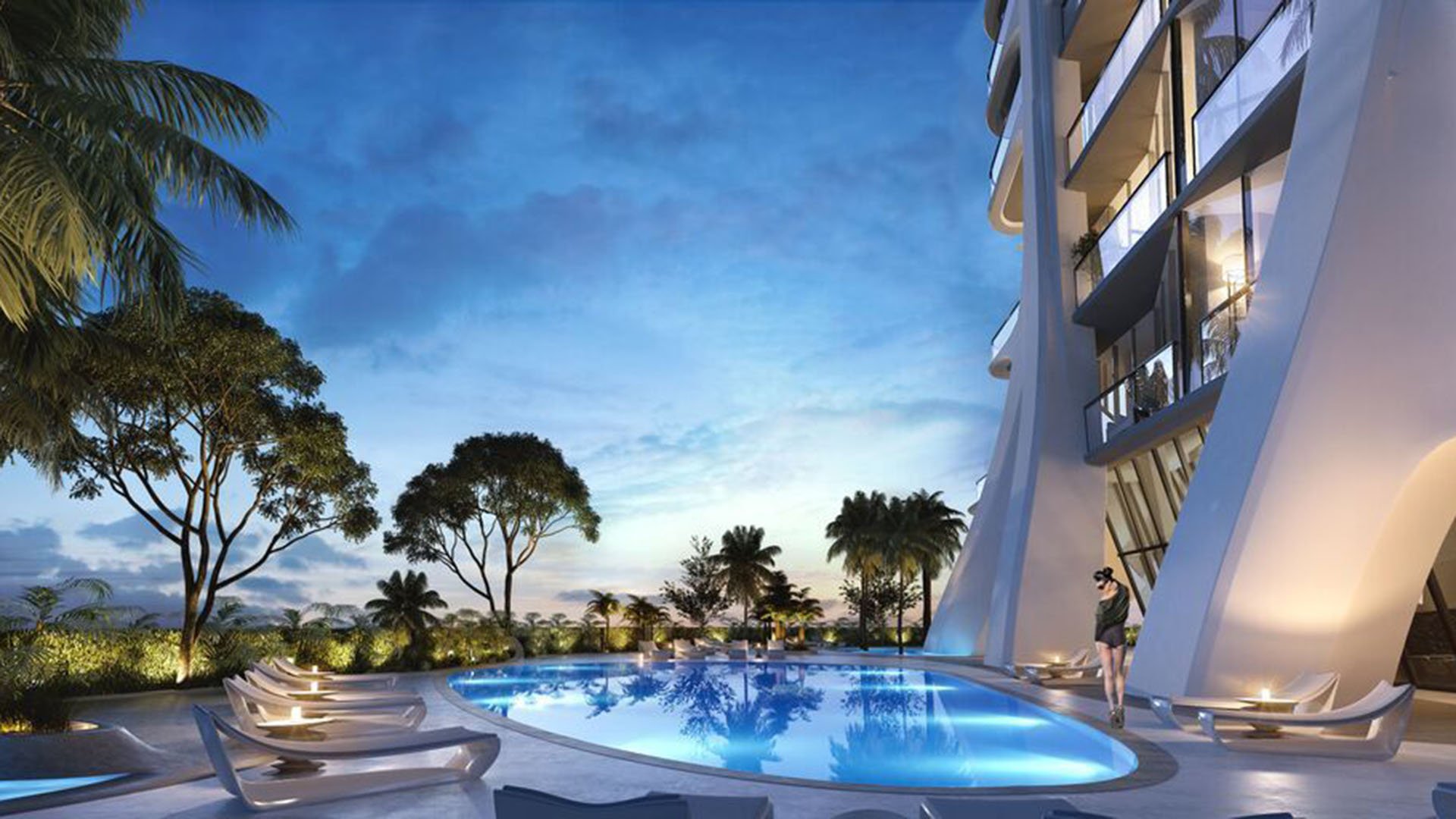
For ultra-prime buyers in Downtown Miami, the real question behind One Thousand Museum vs. Waldorf Astoria Residences Downtown Miami is not simply which tower is more dramatic. It is whether a residence should function as a collectible work of architecture or as a private extension of a five-star hospitality ecosystem.
That distinction matters. At the top end of the market, a trophy condominium is rarely purchased on square footage alone. It is purchased for identity, discretion, daily ease, and the confidence that the building’s story will remain legible years from now. One Thousand Museum Downtown Miami occupies the architecture-forward side of that conversation. Waldorf Astoria Residences Downtown Miami is framed more clearly as a hospitality-branded luxury condominium, built around service culture, established brand heritage, and a highly managed residential lifestyle.
For some buyers, the first approach feels rarer. For others, the second feels more durable. The right answer depends on how one defines luxury.
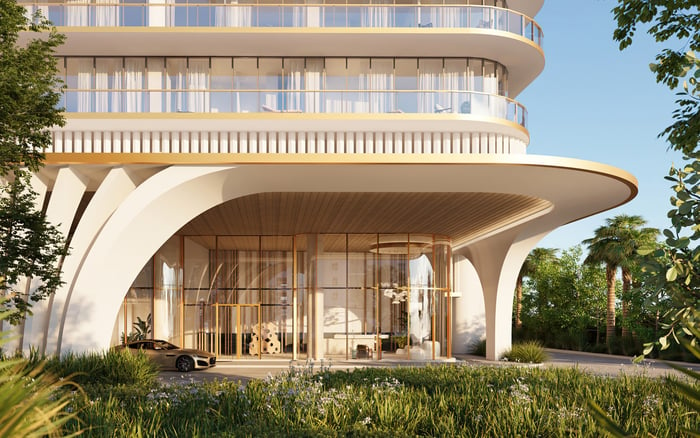
One Thousand Museum Downtown Miami appeals to the buyer who wants the building itself to be the statement. In this category, architecture is not background. It is the reason for the appointment, the dinner conversation, and often the emotional trigger behind the purchase.
That buyer tends to think like a collector. The residence is part home, part object, part urban artifact. It must feel distinct from the broader inventory of glass towers, and its value is tied to scarcity of expression as much as to amenities. A buyer drawn to this lane may be less motivated by hotel-branded familiarity and more interested in living within a building that communicates design conviction.
This is why One Thousand Museum often sits in a different mental category from more conventional luxury towers. Its appeal is not simply that it is in Downtown. It is that it presents Downtown as an architectural address, not only a financial or entertainment district.
Waldorf Astoria Residences Downtown Miami speaks to another kind of affluent resident: the buyer who prizes polish, predictability, and the service grammar of international luxury hotels. Its identity is centered on Waldorf Astoria brand heritage, concierge-style service, hospitality-style amenities, and a residential environment intended to feel professionally managed at every touchpoint.
This is a different version of trophy ownership. Rather than asking the architecture to carry the full narrative, Waldorf Astoria Residences relies on a known luxury name and the implied standards that come with it. For residents accustomed to hotel living, private clubs, spa environments, restaurant programming, and attentive staff culture, that can be more persuasive than avant-garde expression.
The wellness component is spa-oriented, aligned with the expectations of high-end hospitality management. Restaurant and bar programming also forms part of the lifestyle proposition. In practical terms, the buyer is not just buying a view or a plan. The buyer is buying into a residential operating culture.
Downtown has become one of South Florida’s most interesting laboratories for vertical luxury because it can accommodate several definitions of prestige at once. There is room for architecture-led towers, automotive-branded residences, design-house associations, and hospitality-driven projects, each speaking to a slightly different buyer psychology.
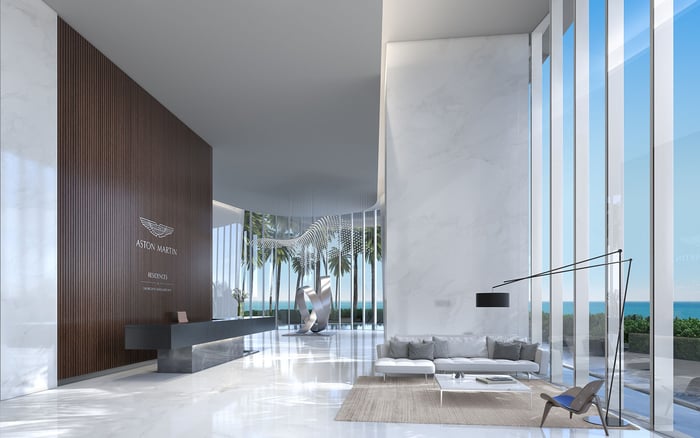
That broader context matters. Aston Martin Residences Downtown Miami brings another brand-coded interpretation of Downtown luxury into the discussion, while Casa Bella by B&B Italia Downtown Miami signals how interior design and lifestyle branding can shape buyer perception. These projects do not dilute the One Thousand Museum vs. Waldorf Astoria comparison. They sharpen it, because they show how nuanced the Downtown buyer has become.
For a trophy buyer, Downtown is no longer a single product type. It is a menu of signals: architectural authorship, brand recognition, hospitality execution, design culture, and proximity to Miami’s urban energy. The choice is less about whether Downtown works and more about which version of Downtown luxury best mirrors the owner’s life.
Architecture-forward residences tend to create value through distinction. Buyers remember the silhouette, the arrival sequence, the physical sensation of living inside something visually specific. The risk is that architecture requires appreciation from a narrower audience. The upside is that when a building becomes truly recognizable, it can occupy a rare psychological position in the market.
Service-forward residences create value through consistency. A globally recognized luxury hospitality brand can reduce uncertainty for buyers who divide time among several cities and expect a familiar level of care. The risk is that brand value depends on continued execution. The upside is that daily life may feel smoother, especially for residents who want the building to anticipate needs rather than simply impress guests.
Waldorf Astoria Residences is positioned for the second buyer. Its long-term appeal depends heavily on the durability of the Waldorf Astoria name and on the perceived value of hospitality-style residential service. One Thousand Museum speaks more directly to the buyer who sees architectural identity as the amenity above all other amenities.
Brickell adds another useful lens. The neighborhood has become a stage for branded and service-rich residential living, where global buyers increasingly expect hospitality cues inside private condominium buildings. Projects such as Baccarat Residences Brickell illustrate how recognizable luxury brands can influence the emotional language of a residence, even when the buyer is purchasing a private home rather than a hotel suite.
That matters for Waldorf Astoria Residences Downtown Miami. Buyers comparing it with One Thousand Museum may also be considering Brickell because both submarkets appeal to residents who want an urban, connected Miami life. The difference is tonal. Brickell often reads as finance, dining, and polished metropolitan convenience. Downtown can feel more civic, cultural, and skyline-defining.
For the buyer who wants an architecturally assertive address, Downtown may carry an extra symbolic charge. For the buyer who wants a refined service platform with a globally understood name, Waldorf Astoria Residences may feel more reassuring.
The One Thousand Museum buyer is typically more architecture-forward than brand-forward. This buyer may value rarity, design intent, and the idea that the building itself is part of Miami’s visual identity. The residence is chosen not only to be lived in, but to be recognized by those who understand the city’s luxury skyline.
The Waldorf Astoria Residences buyer is more likely to be a brand-forward luxury consumer. This buyer values established luxury, recognizable service language, refined conventionality, and an amenity experience modeled on hotel operations. The preference is not necessarily less sophisticated. It is simply less experimental.
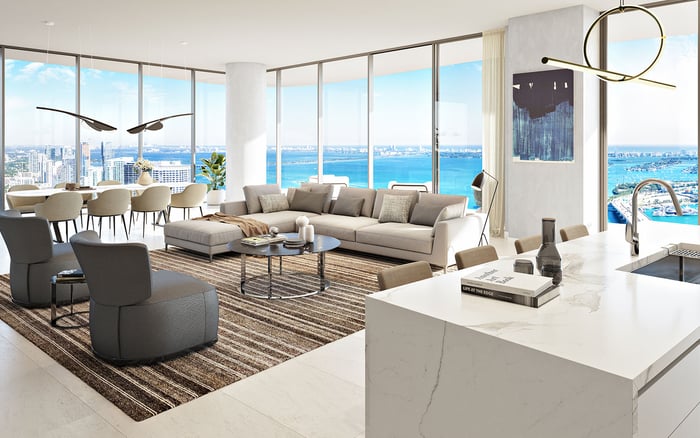
For end users, the practical question is lifestyle. Do you want the building to feel like a private architectural statement, with design as the primary emotional engine? Or do you want a managed, hospitality-centric environment where service, wellness, dining, and brand heritage form the core of the daily experience?
For investors, the question is audience depth. Architecture-led trophy assets may appeal intensely to a narrower pool. Branded-service residences may appeal to a broader international audience that already understands the brand before arriving in Miami.
One Thousand Museum and Waldorf Astoria Residences Downtown Miami should not be seen as interchangeable trophy condos. They represent two distinct luxury languages.
One is about architectural presence and collector psychology. The other is about hospitality assurance and brand-backed residential ease. One asks the buyer to believe in design as legacy. The other asks the buyer to believe in service as permanence.
In South Florida’s ultra-premium market, both instincts are valid. The more important exercise is self-selection. A trophy residence should not merely be expensive. It should be accurate to the way its owner wants to live, arrive, host, rest, and be remembered within the city.
Is One Thousand Museum more architecture-focused than Waldorf Astoria Residences Downtown Miami? Yes. In this comparison, One Thousand Museum is best understood as the more architecture-forward choice, while Waldorf Astoria Residences is more brand-forward and service-forward.
What defines Waldorf Astoria Residences Downtown Miami as a trophy condo? Its trophy positioning centers on the Waldorf Astoria name, concierge-style service, hospitality-led amenities, wellness programming, and a refined residential operating culture.
Who is the ideal buyer for One Thousand Museum Downtown Miami? The likely buyer is someone who values architectural identity, rarity of expression, and the idea of owning within a design-led Downtown landmark.
Who is the ideal buyer for Waldorf Astoria Residences Downtown Miami? The likely buyer is a brand-forward luxury consumer who wants hotel-style service, recognizable heritage, and highly managed residential living.
Does Waldorf Astoria Residences compete mainly on architecture? Not primarily. Its strongest positioning is hospitality-branded luxury, with service standards and lifestyle delivery carrying much of the value proposition.
Why does Downtown matter in this comparison? Downtown offers a skyline-driven luxury setting where architecture, branding, culture, and urban convenience intersect for high-end buyers.
How does Brickell influence buyer expectations? Brickell has normalized polished, service-rich condominium living, which helps buyers understand the appeal of branded residential environments nearby.
Is branded luxury less sophisticated than architecture-led luxury? No. It simply reflects a different priority, with consistency, service, and global recognition favored over avant-garde architectural expression.
Which option may have broader international familiarity? Waldorf Astoria Residences may benefit from the familiarity of an internationally recognized luxury hospitality brand.
What should buyers compare beyond price? They should compare lifestyle, service expectations, architectural identity, brand durability, privacy needs, and the emotional fit of each building.
For a tailored shortlist and next-step guidance, connect with MILLION.
If branded residences are on your mind — as a home or as an allocation — we would be glad to share what we are seeing, privately.
Begin a quiet conversation