A practical, buyer-oriented guide to reviewing hurricane-glass performance before signing a contract at One Thousand Museum Downtown Miami, with emphasis on approvals, assemblies, water resistance, maintenance history, and protective contract language.
At the ultra-premium end of Downtown Miami, glass is not merely an aesthetic choice. It frames the skyline, moderates light, defines the acoustic character of a residence, and forms part of the building’s storm envelope. For a buyer evaluating One Thousand Museum Downtown Miami, the question is not whether the residence feels visually spectacular on a clear day. The more disciplined question is how the glazing system was specified, approved, installed, maintained, and documented.
In South Florida, the phrase “hurricane glass” is often used casually. Before contract, it should be translated into verifiable language: impact-rated glazing, approved framing systems, tested assemblies, design pressures, water resistance, and warranty obligations. A serious review does not require alarm. It requires precision before deposits become less flexible and before the buyer inherits someone else’s assumptions.
The first step is to request documentation identifying the exact window, curtain wall, storefront, sliding door, and exterior door systems serving the residence. Glass performance is not defined by the pane alone. The frame, mullions, anchors, gaskets, sealants, fasteners, and installation conditions matter as an integrated assembly.
A buyer should request applicable product approvals, available shop drawings, warranty information, maintenance records, and any building guidance on owner responsibilities. If the purchase is a resale, also ask whether any glazing components, balcony doors, seals, handles, tracks, or impact panels have been repaired or replaced. If changes were made inside the residence near the perimeter glass, confirm that they did not compromise drainage, access, or manufacturer requirements.
This is especially important for high floors, where wind exposure, pressure differentials, and maintenance access can make small defects more consequential. A residence may look pristine during a showing while still presenting incomplete paperwork, aged sealant, blocked weep paths, or unresolved service history.
Impact resistance and pressure resistance are related, but they are not the same. Impact testing addresses the ability of an approved assembly to withstand windborne debris under specified conditions. Design pressure relates to the positive and negative wind loads the assembly is meant to resist. A refined buyer asks for both.
The useful question is not simply, “Is it hurricane glass?” A better question is, “Which approved assembly is installed here, what design pressures apply to this elevation, and do the approvals match the actual installed condition?” That distinction is central in a tower environment, where height, corner conditions, exposure, and orientation may influence the pressures assigned to different parts of the building envelope.
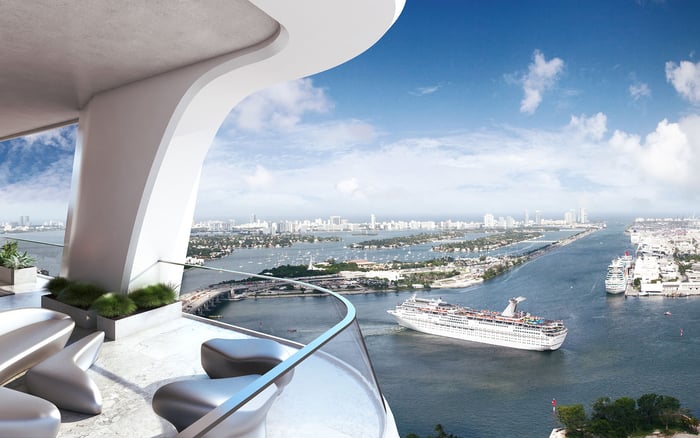
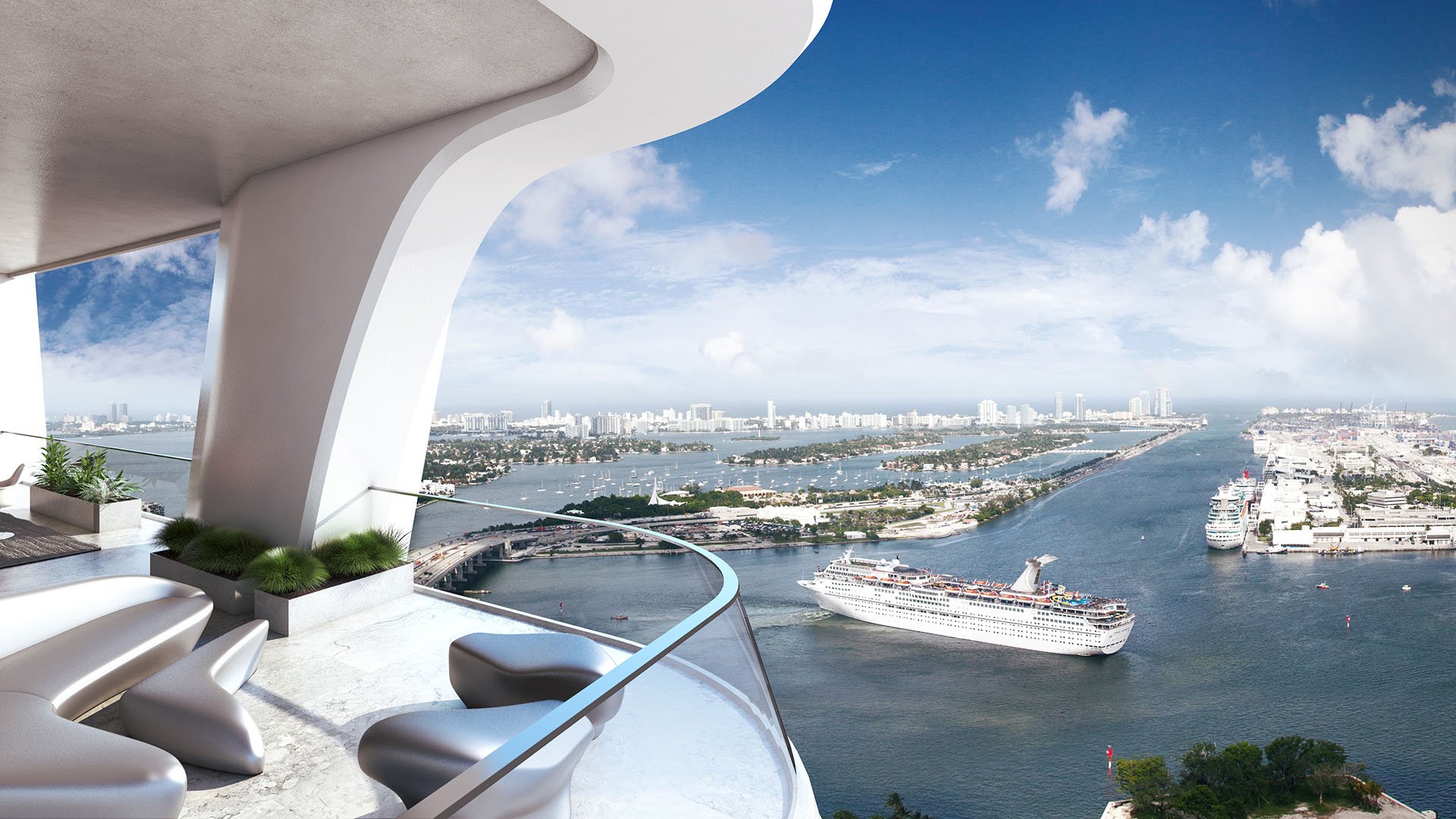
If the residence has expansive water-view sightlines, the visual drama may come from large areas of glass. Larger openings can be extraordinary, but they should make documentation more important, not less. Luxury is not a substitute for verification.
A general walk-through rarely reveals the full story of glazing performance. Before contract, consider a targeted inspection by a professional comfortable with high-rise fenestration, exterior envelope behavior, and South Florida storm conditions. The review should involve more than a glance at the glass.
Look for fogging between insulated panels, staining near frames, corrosion on exposed hardware, cracked sealant, water marks on sills or flooring, unusual drafts, difficult sliding operation, damaged tracks, compromised gaskets, and evidence that interior finishes were used to conceal prior intrusion. On a balcony, examine the transition between interior flooring, door thresholds, drains, tracks, and exterior finishes. Water management depends on small details working together.
Ask whether prior service calls involved a single residence, a stack of units, or common-area components. A pattern is more meaningful than an isolated adjustment. If the association maintains exterior glass or certain façade elements, the buyer should understand where private responsibility ends and building responsibility begins.
The most elegant due diligence is ineffective if the contract does not give the buyer time and leverage to use it. Before signing, ensure the inspection period is long enough to obtain records, schedule specialists, review association materials, and ask follow-up questions. If glazing documentation is central to the decision, the contract should make access and document delivery practical.
A buyer may want language allowing review of window and door approvals, warranties, service records, association disclosures, and any pending façade or water-intrusion matters affecting the residence. If the seller cannot provide certain records, the buyer should decide whether the absence is acceptable, curable, or significant enough to renegotiate.
For One Thousand Museum Downtown Miami, the prudent posture is simple: admire the architecture, but underwrite the envelope. In a market where design pedigree and views can dominate emotion, the strongest buyers remain calm, specific, and document-driven.
Even a properly approved glazing system requires maintenance. Tracks must remain clean. Weep systems must drain. Sealants and gaskets age. Hardware can loosen. Owners may be responsible for certain interior-facing components, while the association may control exterior access or façade protocols.
Before closing, ask for the building’s maintenance expectations and any rules governing alterations near perimeter glass. Automated shades, built-ins, flooring changes, and balcony improvements can all interact with thresholds, access panels, or ventilation. In a luxury residence, the best improvements preserve performance while elevating the experience.
Downtown Miami buyers often compare views, finishes, amenities, and services first. That is natural. Yet the long-term ownership experience can turn on less visible components: water resistance, acoustic comfort, air infiltration, and serviceability. The glass wall is both the picture frame and the protective layer.
Before contract, confirm the installed glazing assemblies, the approvals tied to them, and whether those documents correspond to the residence being purchased. Review any history of leaks, repairs, glass replacement, sealant work, door adjustments, or association notices involving the unit line or façade area. Ask who maintains each component, how exterior access is handled, and whether warranties transfer.
During inspection, test operable doors and windows if applicable, observe thresholds, review balcony drainage, and look for subtle signs of moisture history. If the residence includes custom interiors near the perimeter, verify that access and drainage were not blocked. Finally, align the contract timeline with the complexity of the review.
A poised buyer does not need to overstate risk. The right approach is to make performance visible before the legal and financial posture changes. That is how a residence with extraordinary glass can be evaluated with the same sophistication that makes it desirable.
What does hurricane glass mean in a luxury condo context? It usually refers to impact-rated glazing, but buyers should confirm the full approved assembly, including frames, anchors, doors, and installation details.
Is impact rating enough to evaluate storm performance? No. Buyers should also review design pressures, water resistance, installation condition, maintenance history, and warranty coverage.
Why does height matter in a tower review? Higher elevations can face different wind and pressure conditions, so the installed assembly should be evaluated against the requirements for its location.
Should I inspect the glass even if the residence looks perfect? Yes. Visual condition during a showing may not reveal sealant aging, drainage issues, prior repairs, or incomplete documentation.
What documents should I request before contract? Request product approvals, warranty information, maintenance records, association guidance, and any service history involving windows, doors, or façade elements.
Who is responsible for exterior glass maintenance? Responsibility can vary by building documents and component type, so buyers should clarify the division between owner and association obligations.
Can interior renovations affect glazing performance? Yes. Flooring, built-ins, shades, and finish work near thresholds or frames can interfere with drainage, access, or required clearances.
What should I look for around balcony doors? Examine tracks, thresholds, drains, gaskets, hardware, staining, and smooth operation, especially where interior and exterior surfaces meet.
How should glazing concerns be handled in the contract? The contract should allow enough time for document review, specialist inspection, follow-up questions, and negotiation before key deposits become firm.
Is this review only for storm season? No. Strong glazing performance also supports year-round comfort, water resistance, acoustic quality, and long-term ownership confidence.
To compare the best-fit options with clarity, connect with MILLION.
If branded residences are on your mind — as a home or as an allocation — we would be glad to share what we are seeing, privately.
Begin a quiet conversation