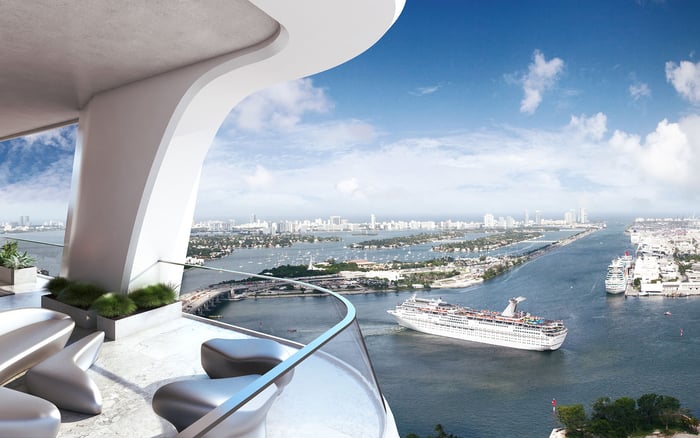
An ownership-focused reading of One Thousand Museum in Downtown Miami, examining how flood-zone interpretation can shape insurance, association obligations, financing, reserves and resale perception for luxury condominium buyers.
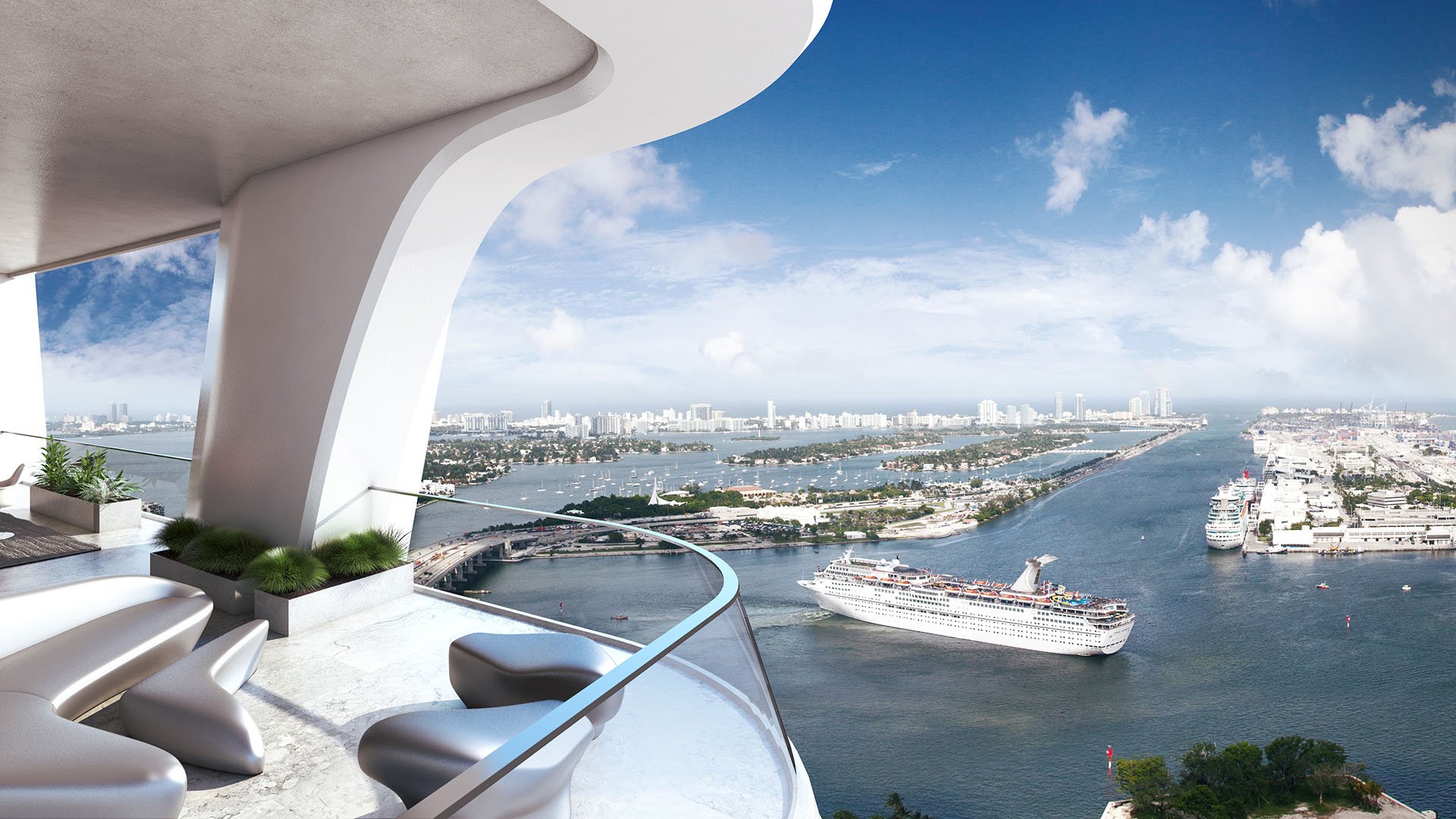
One Thousand Museum is one of Downtown Miami’s recognizable ultra-luxury condominium towers, defined by its sculptural presence and its position within Miami’s high-rise residential market. The building occupies a notable place in the city’s luxury vocabulary: a condominium where architecture is not simply an amenity, but a core part of the ownership proposition.
That distinction matters when buyers interpret flood-zone exposure. For a building near Biscayne Bay, the relevant question is not merely whether a map places the site in one classification or another. The more sophisticated question is how coastal-risk perception can move through the ownership structure. In a condominium, risk is often expressed through association-level insurance, maintenance planning, reserves, lender review and, when necessary, potential assessments.
For One Thousand Museum Downtown Miami, the conversation is therefore less about reducing the property to a binary risk label and more about understanding the relationship between physical resilience and financial responsibility. A trophy tower may be engineered for a demanding coastal environment, yet individual owners still participate in a shared financial ecosystem. That ecosystem is where flood-zone interpretation becomes material.
Luxury buyers often begin with what they can see: the height, the envelope, the structural expression, the arrival sequence and the views. At One Thousand Museum, architectural identity is inseparable from the ownership experience. It supports prestige, design scarcity and the resale narrative. But confidence in the physical tower does not eliminate the need to review how obligations are allocated among owners.
A condominium owner typically does not evaluate flood exposure through the unit alone. The association, common elements, master insurance structure, maintenance standards, capital planning and reserves may all influence the real cost of ownership. This is especially relevant Downtown, where proximity to Biscayne Bay makes coastal interpretation part of the diligence process for buyers, lenders and insurers.
That does not make the asset less desirable. It makes the analysis more precise. The strongest luxury buyers are not asking whether Miami coastal ownership is possible. They are asking whether the carrying structure, association governance and long-term capital discipline match the caliber of asset they are purchasing.
A flood-zone designation is often treated casually in conversation, as if it were a simple yes-or-no signal. For ultra-luxury condominium ownership, that framing is too blunt. The technical classification may be only the starting point. The practical impact depends on insurance requirements, lender expectations, association policies and market perception at the time of purchase or resale.
Insurance is central. In a condominium setting, buyers should understand what is covered at the association level and what remains the responsibility of the individual owner. They should also consider whether future premium changes could affect monthly dues or reserve planning. The key is not to assume a direct, one-to-one relationship between a flood map and a unit owner’s personal cost. The financial path may run through the association.
Lending can also be affected by risk interpretation. Even when a buyer is focused on cash strength, future resale liquidity may depend on how lenders view the building, the association and the insurance program. A luxury residence can be architecturally exceptional while still requiring disciplined review of the documents that determine how ownership costs are shared.
One Thousand Museum’s market identity is closely tied to architecture. That design-led identity can support a distinctive resale narrative because buyers are not merely purchasing space in the sky. They are purchasing participation in a recognized architectural object within Miami’s luxury waterfront and high-rise market.
Still, resale is shaped by more than design. In buyer shorthand, tags such as Waterview, High-floors, Resale and Investment are not mere filters. They signal how a buyer may frame scarcity, lifestyle and future liquidity. Flood-zone interpretation can enter that same mental model. It may influence questions around carrying costs, insurability, reserve sufficiency and the perceived ease of exiting the asset later.
For an owner, the highest-value decision is not avoidance. It is informed selection. A desirable tower near Biscayne Bay can remain compelling when the buyer understands how the condominium association manages risk, how insurance is structured and how future capital needs may be funded.
The most useful diligence is practical and document-driven. Buyers should review condominium governing documents, current budgets, reserve information, association insurance summaries and recent meeting materials where available. The goal is to understand how common elements are insured, how maintenance is planned and whether flood-related concerns could become association-level obligations.
Buyers should also ask how lenders are likely to evaluate the building. A cash buyer may feel insulated from financing requirements, but the next buyer may not be. Resale liquidity can depend on whether future purchasers can obtain financing on terms that support market depth.
The discussion should include insurance deductibles, responsibility for interior coverage, special assessment history if disclosed, reserve philosophy and the association’s approach to capital planning. No single item tells the whole story. Together, they reveal whether the ownership structure is aligned with the expectations of an ultra-premium buyer.
Downtown Miami has matured into a market where high-rise luxury is not merely about view corridors and address recognition. It is about building quality, governance intelligence and the owner’s comfort with coastal complexity. One Thousand Museum is a useful case study because it combines architectural prestige with the very questions sophisticated coastal buyers now ask more openly.
The refined view is not alarmist. It is discerning. Flood-zone interpretation should not be treated as a single verdict on desirability. It should be translated into the language of ownership: insurance, dues, reserves, lending, governance and resale perception. For the right buyer, that translation can make the decision stronger, not weaker.
Is One Thousand Museum a condominium? Yes. One Thousand Museum is positioned as a high-end residential condominium tower in Downtown Miami.
Why does flood-zone interpretation matter for buyers? Because coastal-risk perception may affect insurance, association obligations, lending review, dues, reserves and future resale liquidity.
Does a flood-zone label tell the whole ownership story? No. A label is only one input; the larger issue is how risk-related costs and responsibilities flow through the condominium structure.
Is the article stating the tower’s exact flood zone? No. The focus is on ownership interpretation rather than an unsupported statement about a specific technical designation.
Why is Biscayne Bay relevant to the discussion? The building’s location near Biscayne Bay makes coastal due diligence important for buyers, insurers, lenders and condominium governance.
What should buyers review before purchasing? Buyers should examine association insurance, budgets, reserves, governing documents, maintenance planning and any available capital-related disclosures.
Can a high-rise residence still carry shared flood-related costs? Yes. Even when a unit is elevated, association-level insurance and common-element obligations may influence owner costs.
How does architecture affect resale at One Thousand Museum? Architectural identity can shape buyer perception, scarcity language and the broader resale narrative for a luxury condominium.
Should cash buyers care about lender views? Yes. Future resale liquidity may depend on whether later buyers can obtain financing that supports a broad market for the unit.
Is Downtown Miami still compelling for luxury condominium ownership? Yes, provided buyers approach coastal ownership with clear document review, insurance awareness and disciplined financial interpretation.
For a tailored shortlist and next-step guidance, connect with MILLION.
If branded residences are on your mind — as a home or as an allocation — we would be glad to share what we are seeing, privately.
Begin a quiet conversation