A buyer-oriented due-diligence guide to evaluating circadian-lighting readiness at Vita at Grove Isle, with emphasis on daylight, glazing, glare, controls, terrace use, and nighttime light discipline.
At the highest end of South Florida residential design, lighting is no longer a decorative afterthought. It shapes how a home wakes, works, entertains, and rests. For buyers evaluating Vita at Grove Isle, the 2026 question is not simply whether the residence is bright. The sharper question is whether the home can support a disciplined daily light rhythm: generous daylight when it is useful, controlled glare when the sun is assertive, and calmer, warmer illumination as evening approaches.
Vita at Grove Isle sits within the ideal of Coconut Grove waterfront living: private, residential, and visually connected to Biscayne Bay. In that setting, light plays a defining role. Waterview rooms can feel expansive and restorative, but water also reflects brightness. Terrace edges can extend living space beautifully, yet they can create sharp contrast between outdoor luminance and interior comfort. A circadian-lighting review brings these conditions into the buyer’s due-diligence conversation before finishes, furnishings, and automation decisions become expensive to revise.
Begin with daylight in the rooms where time is actually spent. A formal entry may impress for five minutes, but primary suites, kitchens, studies, breakfast areas, and family rooms determine the daily experience. In each principal space, buyers should ask how daylight enters, how deeply it travels, and whether the room can remain comfortable when the sun is strongest.
This is especially relevant for a boutique waterfront condominium, where the value proposition often includes intimacy, privacy, and a more residence-like atmosphere. Boutique scale does not automatically guarantee better light quality. A smaller building can still deliver rooms that are either beautifully balanced or overly exposed, depending on orientation, overhangs, balcony depth, neighboring sightlines, and interior planning.
A careful buyer should request plans, reflected ceiling layouts where available, finish palettes, shade options, and any lighting-control narratives offered for the residence. The goal is not to turn the acquisition into a laboratory exercise. It is to understand whether the architecture provides a calm base layer of daylight, or whether the home will require significant corrective design after closing.
In South Florida, glass is both promise and risk. It frames the water, expands the room, and gives new-construction residences their architectural lightness. It can also introduce glare, solar heat gain, and visual fatigue if not paired with the right shading and interior strategy.
The buyer’s checklist should include three practical questions. First, what is the intended glazing performance for comfort, heat, and visible light? Second, how will shades be integrated so they feel architectural rather than improvised? Third, can the residence provide different light conditions for different moments: breakfast, work, entertaining, film viewing, and sleep preparation?
Glare deserves particular scrutiny. A room can be technically bright yet unpleasant to occupy at a desk, dining table, or bed. Buyers should evaluate seated positions, not just dramatic walkthrough moments. Where would a laptop sit? Where would art hang? Where would a child read? Where would a guest face the view during dinner? Circadian readiness is not only about biological signaling. It is also about lived visual comfort.
The most sophisticated lighting system is often the one that disappears. For Vita at Grove Isle, buyers should focus less on brand theater and more on control logic. A residence that requires constant manual adjustment can quickly feel fussy. A residence with thoughtful scenes can make morning, midday, sunset, and late evening feel intuitive.
A practical 2026 due-diligence request is a sample scene schedule. Morning scenes may favor brighter, cooler-feeling illumination in active zones. Afternoon scenes may compensate for glare and heat while preserving views. Evening scenes should reduce visual harshness and avoid unnecessary blue-rich light in bedrooms, bathrooms, and lounge areas. Late-night scenes should guide movement safely without waking the whole home.
Control locations also matter. Keypads should sit where habits happen: arrival points, bedroom entries, bedside locations, primary bath transitions, kitchen circulation, and terrace access. If voice control, app control, or integration with shading is contemplated, buyers should ask how these systems are commissioned, who maintains them, and whether future adjustments are straightforward.
Circadian-lighting readiness is most tested after sunset. Many luxury residences are overlit at night, especially in primary baths, dressing areas, kitchens, and corridors. The result may photograph beautifully but feel too alerting in practice.
For bedrooms, the ideal checklist emphasizes low-level, warm, dimmable, and indirect light. Bedside controls should allow one partner to move without flooding the room. Reading lights should be focused. Cove or concealed lighting should be capable of very low output. Closet and dressing lighting should support accurate color rendering without spilling harshly into the sleeping area.
Primary baths require similar restraint. Bright grooming light is useful, but it should not be the only option. A strong circadian-ready plan includes night paths, softer vanity scenes, and the ability to transition from bathing to sleep without an abrupt blast of brightness. This is where the luxury of control becomes deeply personal.
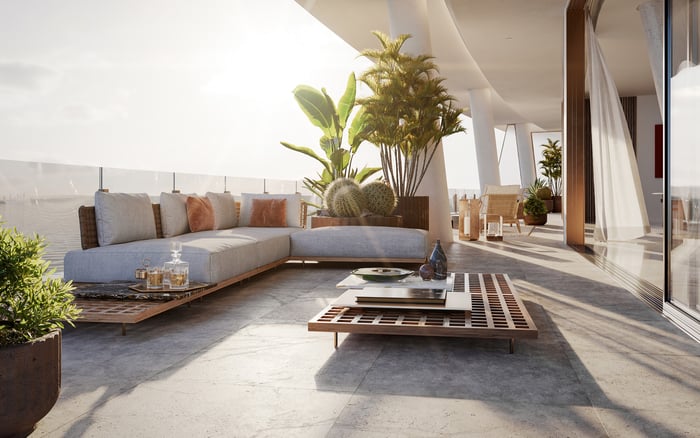
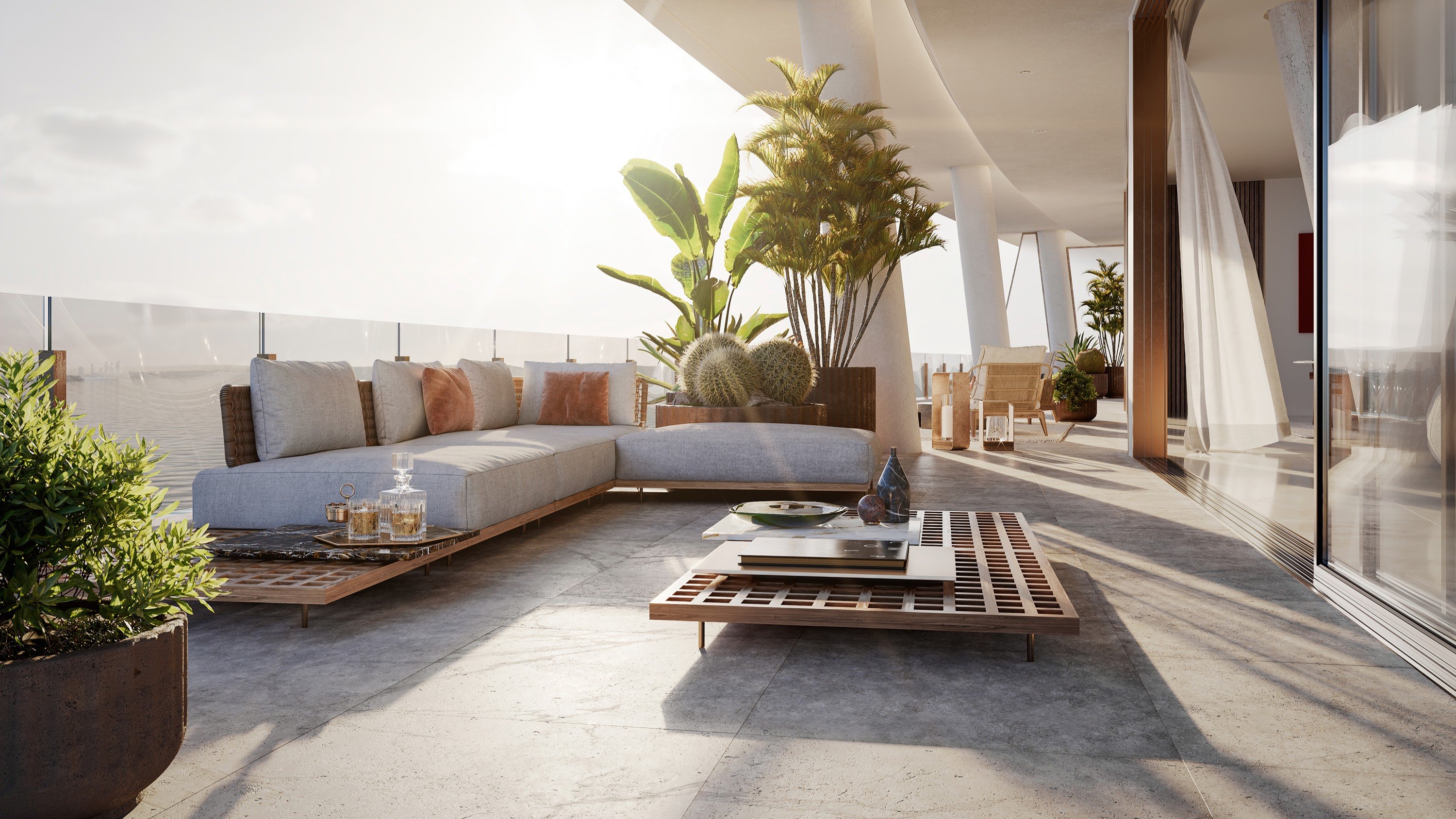
For a Coconut Grove buyer, the most seductive light may come from outside: the shimmer of the bay, the soft green filter of landscape, and the slower cadence of island living. Yet outdoor rooms require the same discipline as interiors. A terrace should be evaluated for glare, privacy, heat, ceiling lighting, step lighting, and reflections back into the residence.
Waterview living also raises an aesthetic question: does the lighting compete with the view or protect it? At night, poorly placed interior light can turn glass into a mirror. Better planning preserves the darker exterior scene, reduces reflections, and allows the water to remain part of the experience. This is not about dimness for its own sake. It is about hierarchy: people, art, architecture, and view, each lit with intention.
Buyers should also ask how exterior and balcony lighting is coordinated with building standards. The most elegant solution is consistent, restrained, and easy to maintain, rather than a patchwork of later owner additions.
Before contract, the buyer’s representatives should ask for the most complete available information on floor plan orientation, ceiling conditions, lighting allowances, shade integration, glazing intent, and smart-home infrastructure. If the residence will be customized, ask which changes are still possible and which are already fixed by construction sequence.
Before closing, the focus shifts to verification. Walk the residence at more than one time of day if access allows. Study the brightest rooms. Stand at likely furniture positions. Test dimming ranges. Confirm that keypads are intuitive. Ask whether scenes can be reprogrammed after move-in, once art, rugs, mirrors, and furnishings alter how light behaves.
The best circadian-lighting strategy is not a gadget package. It is a coordination exercise across architecture, glass, shading, controls, fixtures, finishes, and personal routines. At Vita at Grove Isle, that coordination may be especially valuable because the setting itself is so light-driven. A buyer who treats lighting as due diligence is not being difficult. They are protecting the daily experience of the residence.
What is circadian-lighting readiness? It is the ability of a residence to support brighter, useful daytime light and calmer, warmer evening light through design, controls, and shading.
Why does it matter at Vita at Grove Isle? A waterfront setting can deliver exceptional daylight and views, but it also makes glare, reflection, and nighttime light control more important.
Should buyers focus first on fixtures or windows? Start with daylight, glazing, orientation, and shading. Decorative fixtures should refine the experience rather than compensate for unresolved basics.
What rooms deserve the closest review? Primary bedrooms, baths, kitchens, studies, and main living areas deserve the most attention because they shape daily comfort and sleep routines.
Are automated shades important? They can be very useful when integrated with lighting scenes, especially in rooms with strong sun exposure or highly reflective water views.
What is the biggest nighttime mistake? Overlighting bedrooms, baths, and corridors with bright, cool-feeling light can make a residence feel less restful after dark.
Can circadian lighting be added after closing? Some improvements can be made later, but wiring, shade pockets, keypad locations, and ceiling conditions are easier to address earlier.
How should terraces be evaluated? Review glare, heat, privacy, ceiling light, step light, and reflections into the interior during both day and evening conditions.
Does circadian readiness affect resale perception? Thoughtful lighting can strengthen the lived quality of a residence, particularly for buyers who value wellness, comfort, and design precision.
What should a buyer request before committing? Ask for available plans, lighting-control concepts, shade details, glazing information, and opportunities for scene calibration after move-in.
To compare the best-fit options with clarity, connect with MILLION.
If branded residences are on your mind — as a home or as an allocation — we would be glad to share what we are seeing, privately.
Begin a quiet conversation