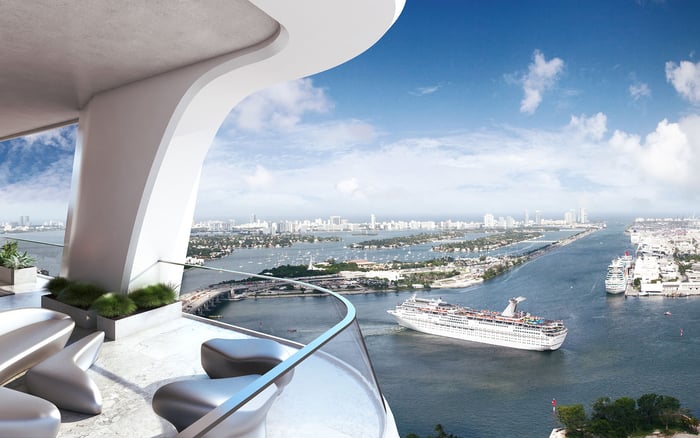
A buyer-focused guide to evaluating One Thousand Museum as a completed Downtown Miami luxury tower, with questions on maintenance, privacy controls, reserves, staffing, and resale discipline.
For buyers considering One Thousand Museum Downtown Miami, the conversation should not resemble a pre-construction sales presentation. This is a completed luxury condominium tower positioned as a high-design, ultra-luxury address rather than a conventional downtown condo building. That distinction matters: completed-tower buyers are not buying a promise. They are buying an operating building, an association balance sheet, a daily service culture, and a future resale position.
The most sophisticated question is not simply whether the residence is beautiful. It is whether the building’s systems, privacy protocols, staffing model, and rules support the way an owner intends to live. In a tower defined by architecture and amenities, the hidden value often sits in documents, procedures, and recurring obligations.
Start with the current HOA budget, monthly assessments, reserve balance, and any pending or planned special assessments. A low assessment is attractive only when supported by adequate reserves and realistic capital planning. A high assessment is defensible only when it reflects credible service, preventive maintenance, and long-term stewardship.
Buyers should request the most recent reserve study and compare projected capital needs with the association’s actual reserve balance. The goal is to determine whether future facade, waterproofing, elevator, HVAC, life-safety, amenity, and mechanical needs are being funded thoughtfully or deferred into tomorrow’s buyer pool.
Because One Thousand Museum is defined by distinctive architecture and high-end amenities, maintenance diligence should go beyond ordinary line items. Ask how specialized exterior elements are inspected, cleaned, repaired, and insured. Ask who maintains the amenity systems and whether key contracts include escalators. Review board minutes, insurance renewals, engineering materials, and maintenance agreements, not just the listing brochure.
Staffing deserves equal scrutiny. Concierge, security, valet, engineering, management, and amenity-service payroll trends can materially affect both the owner experience and the building’s cost profile. In ultra-luxury condominiums, labor is not an accessory. It is part of the product.
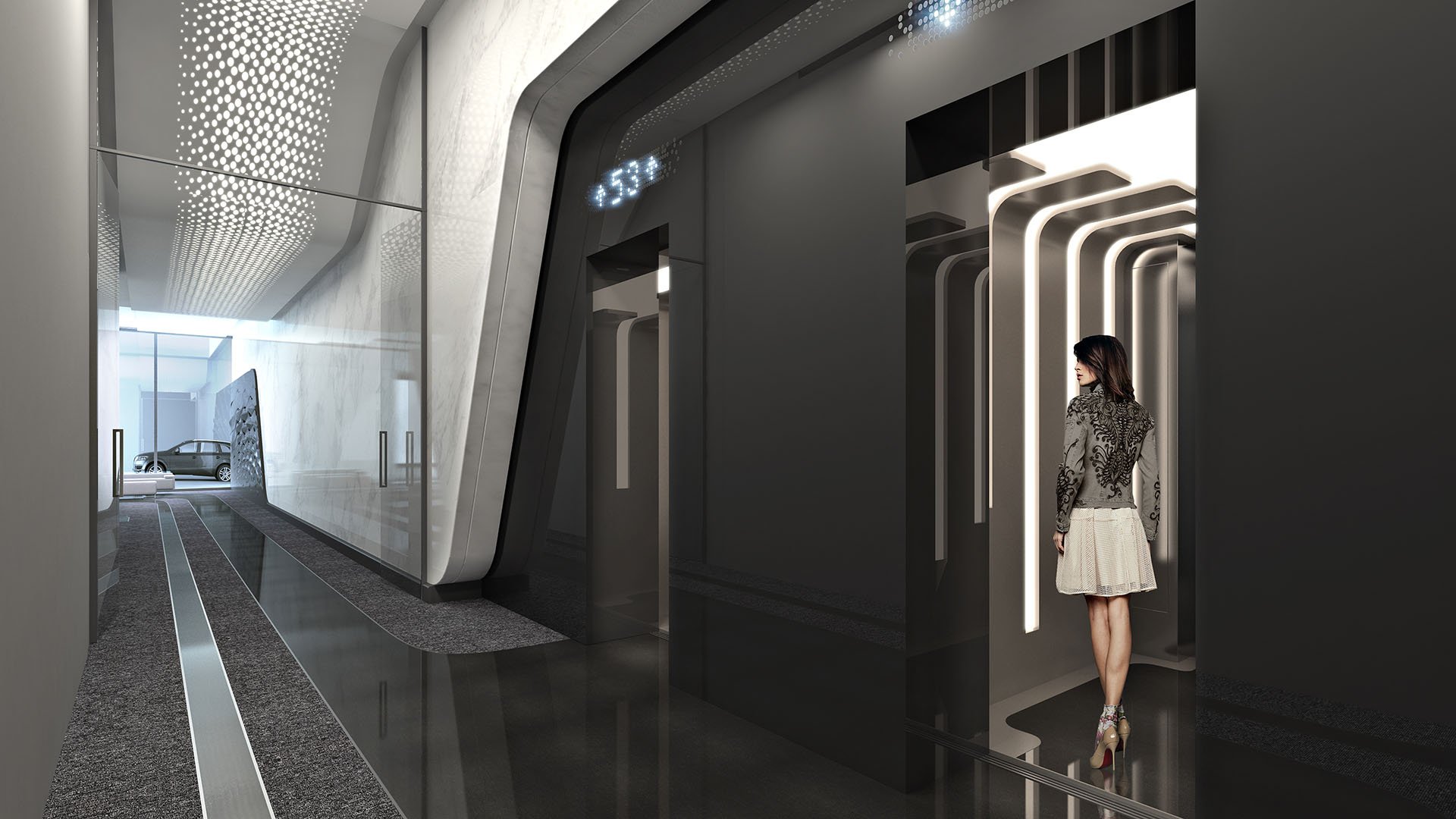
Privacy in a completed luxury tower is operational, not theoretical. Buyers should ask how elevator access, guest registration, valet access, deliveries, service entries, cameras, and resident directories are controlled. The design may create a grand arrival, but daily routines reveal whether the building feels intimate, porous, or overexposed.
During showings, observe rather than simply tour. How many visitors pass through the lobby? How long are elevator waits? Are staff discreet with names, unit numbers, and guest movements? How are packages staged? Is valet traffic smooth or congested? These small moments can reveal more about privacy than the amenity deck.
Digital privacy should also be part of the conversation. Ask what resident data is collected by building apps, smart-home systems, access-control systems, cameras, and package-management tools. Buyers who value discretion should understand who can access that information, how long it is stored, and whether third-party vendors are involved in daily residential operations.
A smart purchase at One Thousand Museum must satisfy the buyer today and compete convincingly when it returns to market. Resale-minded purchasers should compare price per square foot, floor height, view corridor, layout, parking rights, outdoor space, and maintenance burden against other Downtown Miami luxury towers.
The comparison set matters. A buyer looking at Downtown may also study Aston Martin Residences Downtown Miami, Waldorf Astoria Residences Downtown Miami, and Casa Bella by B&B Italia Downtown Miami to understand how different towers frame design, service, views, and carrying costs. Across the river, Baccarat Residences Brickell can also be useful as a lifestyle and pricing reference for buyers weighing Downtown against Brickell.
Inside One Thousand Museum, study recent closed sales, current competing listings, days on market, price reductions, and any remaining developer or bulk-owner inventory if applicable. A trophy unit can still underperform if it has a compromised view, awkward plan, excessive carrying cost, or rules that limit the future buyer pool.
Occupancy patterns also influence resale perception. Ask how many residences are owner-occupied, rented, or seasonally used. Heavy transient use can affect building wear and privacy. A largely seasonal ownership base can feel serene at times and thinly occupied at others. Neither is inherently wrong, but each creates a different experience.
Before relying on resale assumptions, confirm the building’s rental restrictions, pet policies, renovation procedures, move-in rules, and amenity-use guidelines. The best rule set is not always the most permissive. For some buyers, strict controls preserve privacy and asset quality. For others, limitations may reduce flexibility if plans change.
Renovation rules deserve special attention in a completed tower. A buyer planning to customize should understand approval timelines, work hours, elevator reservations, contractor insurance requirements, deposits, and any limits on noise or materials. The most elegant residence can become frustrating if the desired improvements are impractical under association rules.
For investors or second-home buyers, rental policy is central. Minimum lease terms, approval procedures, guest limits, and seasonal-use expectations can shape both income potential and eventual marketability. In MILLION’s market taxonomy, One Thousand Museum Downtown Miami sits at the intersection of Downtown, Resale, Investment, High-floors, and Waterview decision-making.
For completed-tower buyers, emotional conviction should follow document review, not replace it. Ask for the current budget, reserve materials, board minutes, insurance information, engineering updates, open warranty or construction issues, vendor contracts, rules, and resale disclosures. Then compare those documents with the way the building actually feels during multiple visits.
The right question is not whether One Thousand Museum is luxurious. It is whether the specific residence, specific carrying cost, and specific governance profile suit the buyer’s long-term plan. In the upper tier of South Florida real estate, the strongest purchases are rarely impulsive. They are elegant, informed, and disciplined.
What is the first maintenance question buyers should ask at One Thousand Museum? Ask for the current HOA budget, monthly assessment, reserve balance, and any pending or planned special assessments before making an offer.
Why is the reserve study important? It helps buyers compare projected capital needs with actual reserves, especially for facade, elevator, HVAC, waterproofing, and life-safety planning.
Should buyers review more than the listing brochure? Yes. Board minutes, insurance renewals, engineering materials, and maintenance contracts provide a clearer view of the building’s operating health.
How should privacy be tested during a showing? Observe lobby traffic, elevator waits, valet flow, delivery handling, guest registration, and how discreetly staff interact with residents and visitors.
What digital privacy questions matter in a luxury tower? Ask what data is collected by apps, smart systems, cameras, access controls, and package platforms, plus who can access it and for how long.
What resale factors should buyers compare? Compare price per square foot, floor height, view corridor, layout, parking rights, outdoor space, maintenance costs, and competing listings.
Why do occupancy patterns matter? The mix of owner-occupied, rented, and seasonally used residences can affect privacy, building wear, daily atmosphere, and resale perception.
Can association rules affect future value? Yes. Rental, pet, renovation, move-in, and amenity rules can either protect the building’s character or limit a future buyer’s flexibility.
Are staffing costs relevant to buyers? They are highly relevant because concierge, valet, security, engineering, management, and amenity service influence both experience and assessments.
What should a buyer do before relying on resale assumptions? Review recent closed sales, active competition, days on market, price reductions, association rules, and any bulk or developer inventory if present.
To compare the best-fit options with clarity, connect with MILLION.
If branded residences are on your mind — as a home or as an allocation — we would be glad to share what we are seeing, privately.
Begin a quiet conversation