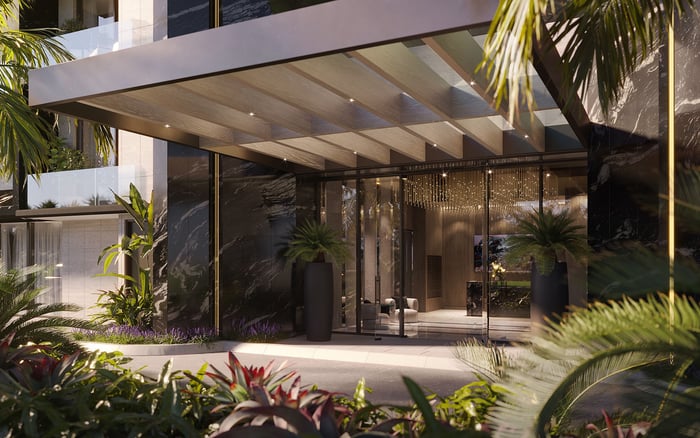
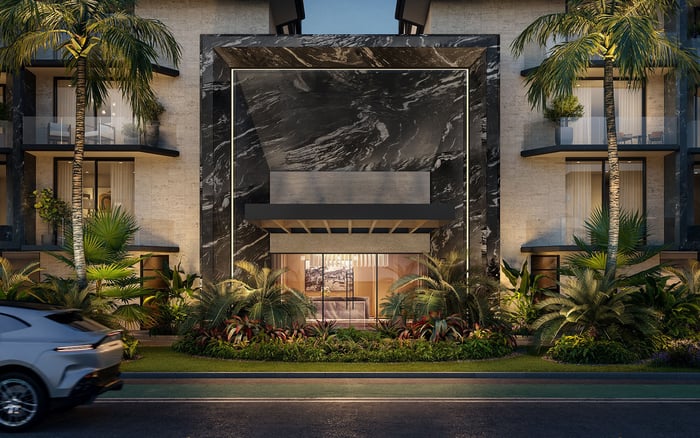
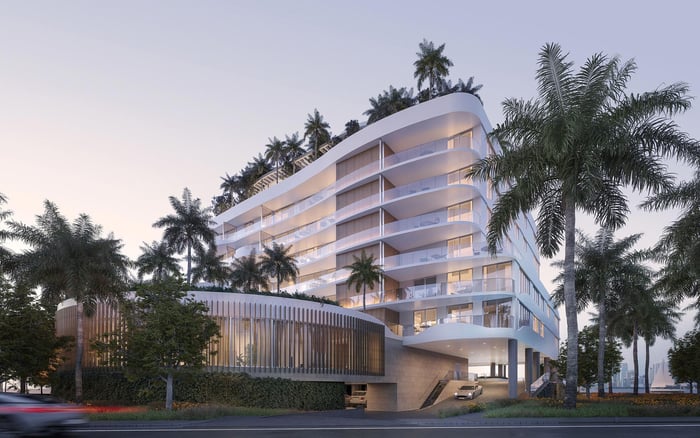
A buyer-focused comparison of Onda Bay Harbor and Bay Harbor Towers, framed around verified project identity, waterfront due diligence, privacy, scale, and long-term fit in Bay Harbor Islands.
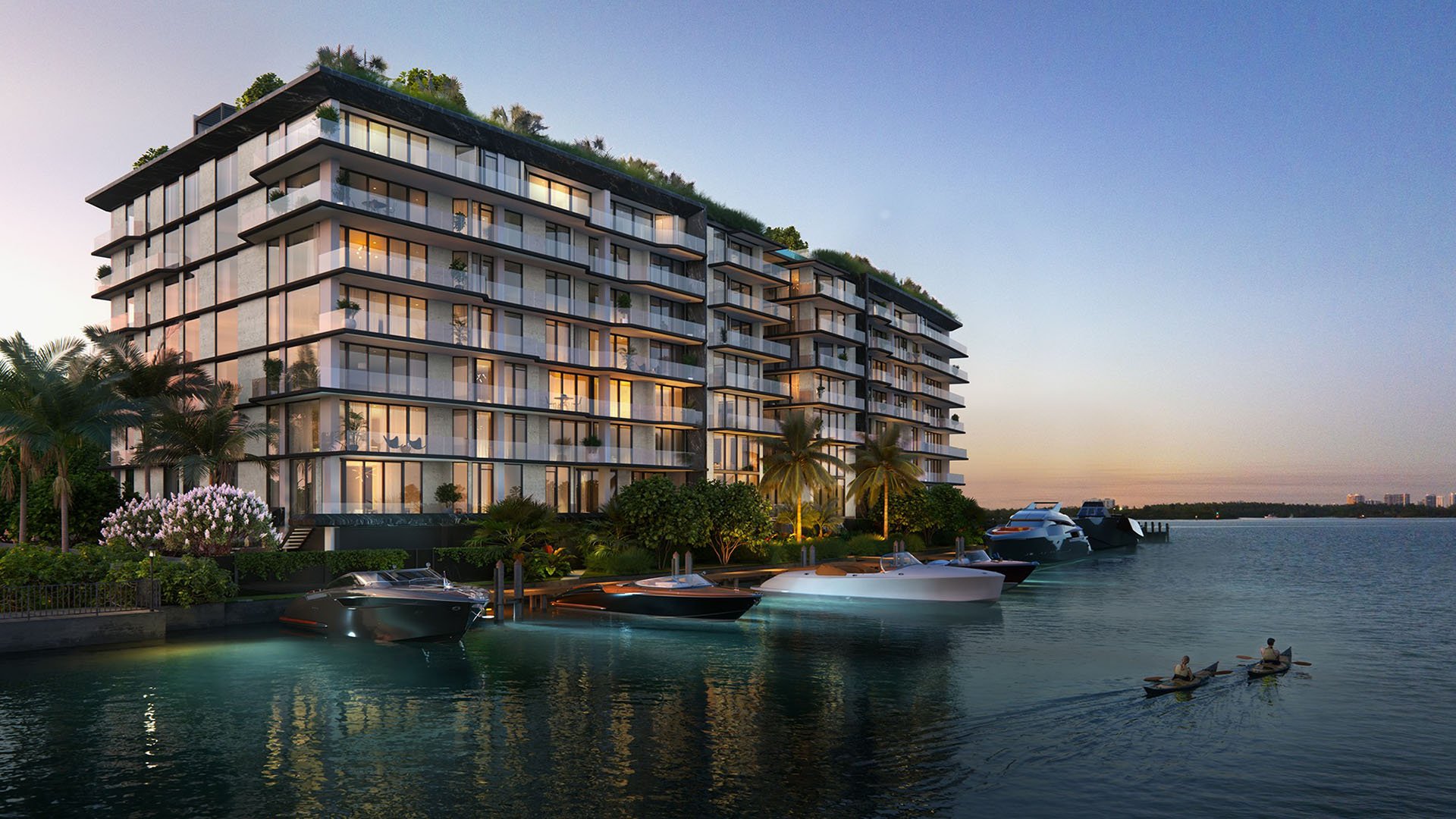
The most intelligent way to compare Onda Bay Harbor and Bay Harbor Towers is to resist the easy language of lifestyle marketing. Quiet luxury, boat access, and boutique scale are powerful ideas, but for a serious buyer they should function as filters, not assumptions. Each should be tested against documents, site conditions, building rules, and the way a residence will be used day to day.
Within Bay Harbor Islands, Onda Bay Harbor and Bay Harbor Towers each have a dedicated residential project page, making them clear starting points for a focused search. That identification matters. It allows a buyer to separate the name recognition of a project from the granular questions that determine value, comfort, and long-term ownership quality.
For a Bay Harbor buyer, the sharper question is not simply which project sounds more discreet. It is which setting, rules, water relationship, and ownership structure most closely fit a private life in South Florida.
Quiet luxury in real estate is not defined by a single finish, a brand name, or a dramatic lobby. It is usually felt through proportion, privacy, arrival sequence, acoustic comfort, service cadence, and the absence of unnecessary friction. In Bay Harbor Islands, that often means a residence that feels calm while still keeping Miami Beach, Bal Harbour, Surfside, and the mainland within reach.
For Onda Bay Harbor, buyers should review the project materials with an eye toward how the building handles privacy, circulation, views, and access. For Bay Harbor Towers, the same discipline applies. A polished rendering or evocative phrase should never replace a review of floor plans, association documents, use restrictions, parking arrangements, and the practical rhythm of daily entry and exit.
This is where the word boutique must be treated carefully. Boutique scale can be desirable because it may imply fewer households, a more personal atmosphere, and a quieter shared environment. Yet the word itself does not answer the questions that matter. How many residences share an elevator bank? How are amenities managed? What is the guest policy? How does the building absorb seasonal occupancy? Those answers, not the label, define the lived experience.
Boat access is one of the most emotionally charged themes in Bay Harbor Islands. It can shape how a buyer values a waterfront residence, but it is also one of the areas where precision matters most. A boat-slip reference, dock conversation, or marina proximity should be confirmed through project-specific materials and governing documents before it influences an offer.
The due diligence should be practical. Buyers should verify whether any boating rights are deeded, assigned, licensed, waitlisted, shared, or entirely separate from residential ownership. They should also review vessel size limits, access hours, insurance responsibilities, maintenance obligations, and any association approvals. If a buyer plans to use the water frequently, the route, clearance, storage, and service logistics become part of the real estate decision, not a side note.
This is especially important when comparing Onda Bay Harbor with Bay Harbor Towers. Waterfront appeal is not the same as confirmed boating utility. For some buyers, the view is the priority. For others, the ability to move from residence to boat with minimal friction is central. Those are different purchase profiles, and they should be priced differently.
Boutique living is often attractive to ultra-premium buyers because it can offer a more residential feeling than a large tower. The appeal is not only scale, but control: fewer encounters, fewer shared transitions, and a stronger sense of address. Still, a buyer should translate scale into daily life before making a decision.
At Onda Bay Harbor, that means evaluating how the building is organized and how the residence will feel during peak season, weekends, and periods of full occupancy. At Bay Harbor Towers, it means asking the same questions rather than assuming a different outcome because of the name or exterior impression.
The right analysis includes elevator flow, parking access, package handling, guest management, amenity reservations, pet rules, staff presence, and the balance between privacy and service. A small building that is poorly managed may feel less private than a larger building with disciplined operations. A refined building culture can be as important as architecture.
A refined Bay Harbor Islands search rarely happens in isolation. Buyers often compare several addresses to understand tone, scale, and waterfront orientation. Nearby project pages such as Alana Bay Harbor Islands, La Baia North Bay Harbor Islands, and The Well Bay Harbor Islands can help frame the broader residential field without replacing project-specific diligence on Onda Bay Harbor or Bay Harbor Towers.
That wider context matters because Bay Harbor Islands attracts buyers who want a softer, more residential mood than the most visible beachfront corridors. The appeal is often discretion rather than spectacle. For many households, the draw is the ability to live near major luxury destinations while preserving a quieter home base.
Waterview considerations should also be treated with care. A water-facing outlook may change materially by floor, line, exposure, and neighboring conditions. Buyers should distinguish between a view that is emotionally pleasing, a view that is protected by physical context, and a view that may be affected by future conditions. The word waterview should start a conversation, not end it.
A buyer may lean toward Onda Bay Harbor if the verified residence, access, view corridor, and building culture align with a more private waterfront lifestyle. That conclusion should come from floor plans, disclosures, rules, and a clear understanding of how the buyer will use the home.
A buyer may lean toward Bay Harbor Towers if its verified details better match the desired ownership profile, whether that priority is residence layout, building rhythm, water relationship, or long-term flexibility. The best choice is not universal. It depends on the buyer’s personal hierarchy.
For a primary resident, daily circulation, quiet interiors, parking, service, and neighborhood convenience may outweigh dramatic positioning. For a second-home buyer, lock-and-leave ease, building oversight, guest access, and seasonal comfort may dominate. For a boating-oriented buyer, confirmed water rights and usable access may become the decisive factor.
The most disciplined comparison treats Onda Bay Harbor and Bay Harbor Towers as two named opportunities within the same refined island context, then tests each through the lens of real ownership. That is where quiet luxury becomes more than a phrase. It becomes a purchase strategy.
Are Onda Bay Harbor and Bay Harbor Towers both in Bay Harbor Islands? Yes. Each has a dedicated residential project page under Bay Harbor Islands.
Can I assume either project includes boat access? No. Boat access should be verified through the specific project materials, documents, and any applicable association rules.
Does boutique scale always mean more privacy? Not automatically. Privacy depends on layout, elevator flow, staffing, guest policies, and building management.
What should quiet luxury mean in this comparison? It should mean calm design, discretion, ease of use, and a low-friction ownership experience rather than visible excess.
Should waterfront views be valued the same in every residence? No. View quality can vary by floor, line, exposure, and surrounding conditions.
Is one project clearly better for boaters? That cannot be assumed without verified details on slips, rights, access, and vessel limitations.
What documents should a buyer review before choosing? Buyers should review floor plans, association documents, rules, budgets, disclosures, and any water-use agreements.
Is Bay Harbor Islands suited to discreet luxury living? It is often considered by buyers seeking a quieter residential setting near major luxury destinations.
How should second-home buyers compare the two projects? They should focus on lock-and-leave ease, staff coverage, guest access, maintenance expectations, and seasonal use.
What is the safest way to decide between the two? Build a personal hierarchy of privacy, water use, service, views, and ownership flexibility, then test each project against it.
When you're ready to tour or underwrite the options, connect with MILLION.
If branded residences are on your mind — as a home or as an allocation — we would be glad to share what we are seeing, privately.
Begin a quiet conversation