A discreet guide to buying around Bay Harbor Islands marina access, from quiet-water living and boutique buildings to boat-slip diligence and everyday usability.
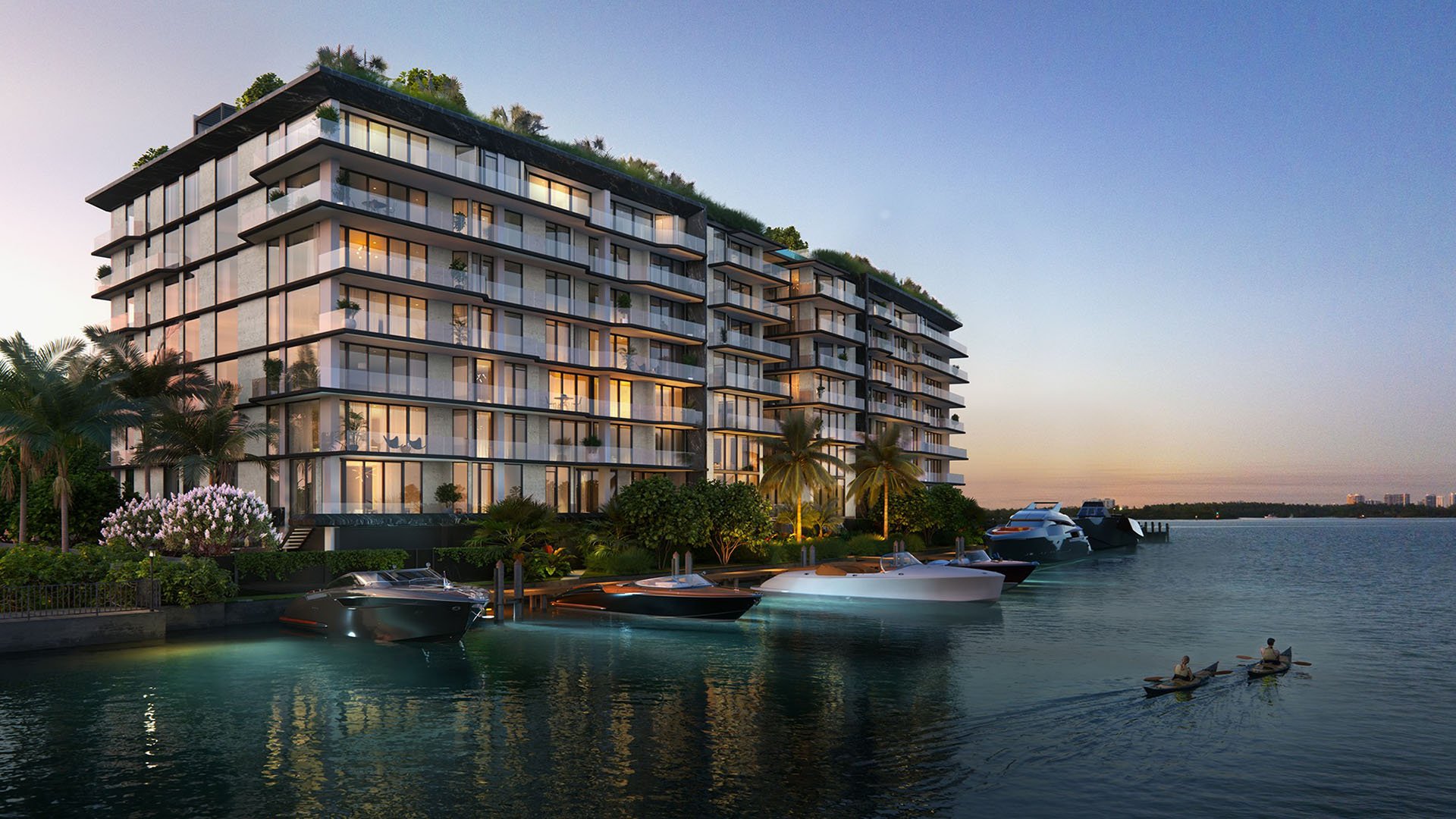
Bay Harbor Islands occupies a distinct place in the South Florida imagination: intimate, residential, water-aware, and notably less theatrical than the larger resort corridors nearby. For many buyers, the Bay Harbor shorthand is not spectacle. It is a calmer rhythm, a discreet arrival, and the possibility that boating can belong to daily life rather than become an occasional production.
That distinction matters. In prime waterfront markets, the word “marina” can be applied loosely, but the real question is practical: how easily can an owner move from residence to vessel, from dock to open water, and from an afternoon plan to an effortless return? A beautiful view is emotional. A usable boating routine is operational. The strongest purchases tend to satisfy both.
For buyers considering Onda Bay Harbor, La Maré Bay Harbor Islands, or comparable boutique waterfront addresses, the conversation should begin with lifestyle design. Is the boat a daily escape, a weekend social platform, a fishing program, or a tender to larger yachting habits? Each use case changes what matters most.
Marina access sounds simple until a buyer begins testing the details. The most important questions are rarely glamorous. They involve rights, rules, dimensions, maintenance, guest access, service coordination, hurricane protocols, and the path from residence to dock. A dock that photographs beautifully may still be inconvenient if the building’s procedures, storage limits, or loading patterns do not support actual use.
Boat-slip diligence should begin early, not after the residence has already been emotionally selected. Buyers should understand whether a slip is deeded, assigned, licensed, leased, or otherwise subject to association control. They should also examine whether slip use is tied to residence ownership, whether transferability is restricted, and whether vessel size, draft, lift equipment, or power requirements create constraints.
Insurance and maintenance deserve equal attention. Waterfront living rewards preparation. Owners should think through vessel coverage, dock responsibility, storm planning, captain or crew access, vendor access, washdown routines, and how quickly the building can support a departure when weather, tide, or schedule changes.
Boutique residential buildings can be especially well suited to boat-minded owners because scale often shapes daily behavior. A smaller lobby, fewer elevator stops, simpler valet patterns, and less crowded amenity circulation can make departures and returns feel more private. Boutique does not automatically mean better, but it can mean more legible, especially for owners who want to move between home, car, water, and neighborhood without friction.
The attraction of Alana Bay Harbor Islands and Bay Harbor Towers may be best understood through this lens. A buyer is not merely comparing finishes or views. The buyer is comparing daily choreography: how groceries arrive, how guests are received, how a pet is walked, how a bag reaches the boat, and how quietly the building performs on a busy weekend.
Privacy is also more than a marketing word. In waterfront settings, privacy includes acoustic comfort, visual separation, elevator control, parking flow, pool density, dock exposure, and the ability to host without turning every arrival into a public performance. This is where building culture becomes as important as architecture.
Waterview value can be powerful, but it should not be confused with waterfront usefulness. Some buyers primarily want the meditative effect of water from the living room. Others want the water to function as an extension of the home. The first buyer should prioritize sightlines, terrace proportion, glare control, and interior orientation. The second should place dock access, operating rules, service logistics, and vessel compatibility at the top of the list.
The most sophisticated buyers separate the emotional from the mechanical. They walk the residence at different times of day, consider how the light behaves, study whether the terrace is pleasant in actual use, and then bring the same discipline to dockside questions. A residence can be serene from above and awkward at water level. The reverse can also be true.
At La Baia North Bay Harbor Islands, as with any waterfront option in this pocket, the right question is not simply whether the address is on or near water. It is whether the building’s habits support the owner’s specific version of waterfront life.
A serious boating buyer should build a checklist before touring. Start with the vessel: length, beam, draft, lift needs, shore power, storage needs, fueling habits, and crew or captain routines. Then compare those requirements with the building’s rules and physical layout. If the boat may change over time, test the next likely vessel as well, not only the one currently owned.
Next, consider access. How does an owner reach the dock from the residence? Is there a convenient route for coolers, gear, provisions, fishing equipment, dive equipment, or children’s items? Where do guests wait? Where can rideshare or valet activity occur without creating congestion? Practical luxury is the absence of small irritations.
Finally, study governance. Associations protect building quality, but rules shape the boating experience. Buyers should review use restrictions, guest policies, vendor access, maintenance windows, dock modifications, noise expectations, and storm procedures. The goal is not to avoid rules. The goal is to ensure the rules match the way the owner actually intends to live.
Bay Harbor Islands tends to appeal to a buyer who values understatement. This is a residential choice for someone who wants water, proportion, and convenience without the constant tempo of a larger high-rise district. The boat may be central, but the life around it is often composed: morning coffee, controlled access, a quiet terrace, a short errand, a guest arriving without ceremony.
That sensibility also affects resale logic. Boutique waterfront ownership attracts a narrower but often more deliberate audience. The next buyer may care deeply about the same details: slip structure, privacy, building condition, association culture, terrace quality, and whether the residence feels calm rather than merely expensive.
For that reason, buyers should avoid being distracted by generic luxury language. The best decision comes from matching the residence to a real weekly pattern. How many times will the boat be used? Who will handle it? How often will guests join? Is the priority sunset cruising, fishing, dining by water, or simply knowing the vessel is close? The clearer the answer, the sharper the purchase.
Is marina access the same as owning a boat slip? No. Access can mean different legal and practical arrangements, so buyers should verify the exact right, duration, restrictions, and transferability.
What should a buyer ask before paying a premium for waterfront living? Ask how the water will be used in daily life, then verify views, dock logistics, building rules, insurance considerations, and storm procedures.
Why do boutique buildings matter for boat owners? Boutique buildings may offer simpler circulation and a more private rhythm, which can make arrivals, departures, and guest movement feel easier.
Can a waterview residence be a better choice than direct dock access? Yes. If the buyer mainly wants serenity and outlook rather than vessel use, view quality and terrace comfort may matter more than dock rights.
What is the most overlooked boat-slip issue? Transferability is often overlooked. Buyers should understand whether the slip right moves with a future sale and under what conditions.
Should vessel dimensions be checked before touring residences? Yes. Length, beam, draft, lift needs, and power requirements can quickly determine whether a building is compatible with the owner’s boat.
Is Bay Harbor Islands better for quiet boating than high-energy waterfront districts? It can suit buyers seeking a calmer residential setting, especially when the priority is ease, privacy, and a less performative lifestyle.
How important is association governance in a marina building? Very important. Rules around guests, vendors, maintenance, noise, and storm protocols can define the real ownership experience.
Should buyers compare new and established waterfront buildings differently? Yes. Newer options may emphasize design and freshness, while established buildings may reveal more about everyday operations and culture.
What is the best first step for a serious waterfront buyer? Define the boating routine first, then select buildings and residences that support that routine with the fewest compromises.
If you'd like a private walkthrough and a curated shortlist, connect with MILLION.
If branded residences are on your mind — as a home or as an allocation — we would be glad to share what we are seeing, privately.
Begin a quiet conversation