A buyer-focused comparison of Onda Bay Harbor, Origin Bay Harbor Islands, and Alma Bay Harbor Islands through the lens of seasonal ownership, property manager access, governance, and long-term flexibility.
For seasonal buyers comparing Onda Bay Harbor, Origin Bay Harbor Islands, and Alma Bay Harbor Islands, the most useful question is not simply which residence feels most elegant. It is which ownership model functions best when the owner is absent for weeks or months at a time. A seasonal home can be beautifully finished and still prove cumbersome if access procedures, vendor permissions, rental rules, and manager communication do not match the way the buyer actually lives.
That distinction matters in a Bay Harbor search, where buyers are often weighing discretion, convenience, and long-term hold quality rather than trophy-driven visibility alone. The right residence should be easy to close, open, inspect, refresh, and secure. It should also allow a trusted property manager to act with clarity, not improvisation.
For search purposes, this is a Boutique, Second-home, Long-term-rentals, and New-construction conversation as much as an architectural one. The fit depends less on a single feature and more on the relationship between ownership intent and building governance.
The first model is the owner-first lock-and-leave residence. This suits buyers who expect to occupy the home personally during defined seasonal windows and do not want the property to behave like a frequent rental asset. The property manager’s role is preventive: inspections, climate checks, vendor coordination, storm preparation, deliveries, and pre-arrival readiness. This model tends to appeal to buyers who value predictability and privacy.
The second model is the managed-flex residence. Here, the owner still uses the property personally but wants broader operating latitude. The property manager may handle longer guest stays, extended family use, housekeeping cycles, and occasional leasing if the documents permit it. The key is not whether the building sounds flexible in conversation. It is whether the written rules, approvals, and minimum stay requirements support that flexibility.
The third model is the income-aware seasonal hold. This buyer wants personal use, but also wants the option to offset carrying costs through permitted rentals. For this model, assumptions should remain conservative. Rental rules can be detailed, approval timelines can matter, and the building’s culture may be just as important as the documents. A property manager can execute only within the rules the association allows.
Onda Bay Harbor will likely resonate most with buyers who want their residence to feel personal rather than transactional. For this buyer, the ideal ownership model is not constant turnover. It is a refined seasonal routine: arrive to a prepared home, depart with confidence, and rely on a manager to maintain continuity while the owner is elsewhere.
This model rewards buyers who examine building procedures before signing. The questions should be practical. Can a manager receive deliveries? Are vendor entries easy to schedule? How are keys, fobs, elevators, parking access, and insurance requirements handled? What approvals are needed for service providers? A residence becomes property manager-friendly only when these small operational details are clear.
For the Onda buyer, the strongest fit is usually the owner-first lock-and-leave approach. It preserves the emotional value of the home while giving a manager enough authority to protect it.
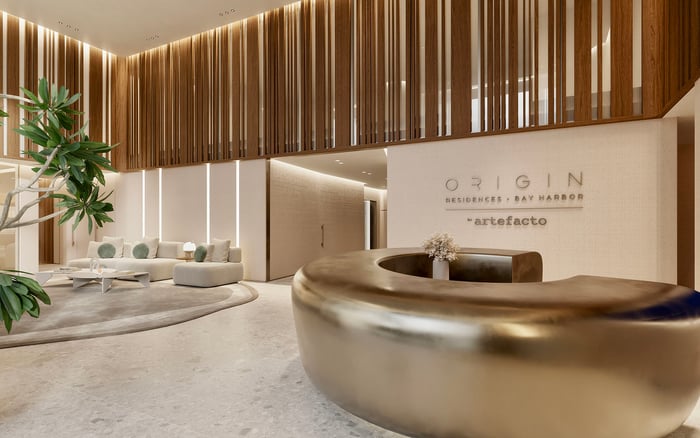
Origin Bay Harbor Islands may appeal to buyers who want a disciplined seasonal base with room for practical flexibility. These buyers are not necessarily seeking a high-turnover rental strategy. Instead, they want a residence that can accommodate a changing calendar: owner stays, family visits, perhaps longer permitted rentals, and regular manager oversight.
The managed-flex model depends on structure. Buyers should review the governing documents for lease terms, guest policies, pet rules if relevant, move-in procedures, and service-provider access. A property manager should be able to operate from a written playbook: who may enter, when they may enter, how vendors are registered, and what must be approved in advance.
For Origin Bay Harbor Islands, the strongest ownership lens is operational balance. The buyer wants more flexibility than a purely private retreat, without allowing the residence to become administratively complicated. The best outcome is a home that feels personal during owner occupancy and professionally maintained between visits.
Alma Bay Harbor Islands belongs in the conversation for buyers who want optionality and understand that optionality must be documented. Seasonal owners often assume a property manager can solve every absence-related issue. In reality, a manager is only as effective as the permissions, procedures, and communication channels around the residence.
The ownership model that fits Alma best is a disciplined flexible hold. The buyer may want to use the residence seasonally, leave it vacant for certain periods, host relatives or guests, and consider rentals only if the building’s rules allow. This is a thoughtful model for buyers who are not yet certain how their South Florida use pattern will evolve.
The due diligence should focus on how the building treats absence. Are routine inspections allowed? Can housekeeping and maintenance be scheduled without owner presence? Is there a preferred process for emergencies? How quickly can management respond to access needs? These questions define whether Alma feels effortless over time.
Before choosing among the three, buyers should imagine a typical year. The owner leaves after season, the residence sits through humid months, a vendor needs access, a delivery arrives, a family member requests a stay, and the owner wants the home refreshed before returning. If that sequence feels simple under the building’s rules, the residence is manager-friendly. If every step requires exceptions, the ownership model may not fit.
The property manager test should cover five areas: authority, access, approvals, communication, and documentation. Authority determines what the manager can decide without calling the owner. Access determines whether the manager can physically enter and coordinate vendors. Approvals determine how quickly ordinary tasks can be completed. Communication determines whether the building staff and manager can work smoothly. Documentation determines whether expectations survive changes in personnel.
Buyers should also separate rental friendliness from manager friendliness. A residence may be easy for a manager to maintain but restrictive for leasing. Another may allow rentals but involve complex approvals. These are different forms of flexibility, and confusing them can create disappointment.
Choose the owner-first lock-and-leave model if the residence is primarily for personal seasonal enjoyment and privacy matters more than rental optionality. This points most naturally toward the Onda Bay Harbor frame.
Choose the managed-flex model if the property will have a more dynamic calendar, including family use, guest stays, and possibly longer permitted leases. This is the most natural way to evaluate Origin Bay Harbor Islands.
Choose the disciplined flexible hold if the buyer wants future optionality but is willing to let the documents, not assumptions, define the strategy. This is the cleanest way to approach Alma Bay Harbor Islands.
The best choice is the one that makes absence feel uneventful. For a true seasonal residence, elegance is not only what the owner sees on arrival. It is also what quietly works when the owner is gone.
What does property manager-friendly mean for a seasonal residence? It means the building’s rules, access procedures, and owner permissions allow a manager to maintain the home efficiently while the owner is away.
Is the best model always the one with the most rental flexibility? No. Some seasonal buyers value privacy, predictability, and low administrative burden more than rental optionality.
How should buyers compare Onda Bay Harbor for seasonal use? Buyers should evaluate it through an owner-first lens, focusing on access, maintenance, inspections, and pre-arrival readiness.
How should buyers think about Origin Bay Harbor Islands? It is best assessed as a managed-flex candidate, where calendar control and written procedures are especially important.
What is the cleanest way to evaluate Alma Bay Harbor Islands? Treat it as a disciplined flexible hold and confirm exactly what the documents allow before relying on any future use plan.
Can a property manager handle rentals automatically? No. A manager can coordinate only what the building documents, approvals, and applicable rules permit.
What documents matter most for seasonal buyers? Buyers should review declaration provisions, house rules, lease policies, guest procedures, access rules, and insurance requirements.
Why is vendor access so important? Seasonal ownership depends on routine upkeep, and delays in access can turn simple maintenance into avoidable friction.
Should buyers prioritize amenities or governance first? Governance should come first for seasonal use because it determines how smoothly the residence functions during absences.
What is the most important takeaway for a second-home buyer? Select the residence whose rules, staff procedures, and manager permissions match the way you plan to use the home.
When you're ready to tour or underwrite the options, connect with MILLION.
If branded residences are on your mind — as a home or as an allocation — we would be glad to share what we are seeing, privately.
Begin a quiet conversation