A buyer-focused comparison of three boutique Bay Harbor Islands condo options through the lens of daily ownership, from arrival and privacy to service rhythm, lifestyle fit, and lock-and-leave ease.
In Bay Harbor Islands, the difference between three luxury condominiums is rarely captured by a single headline. Alana Bay Harbor Islands, Onda Bay Harbor, and Origin Bay Harbor Islands occupy a compact, residential micro-market where daily ownership details matter more than broad market labels. The real comparison is not simply investment value or architectural presence. It is what happens when an owner comes home on a humid afternoon, meets a guest in the lobby, moves from parking to residence, uses the amenities, receives packages, prepares for a storm, or leaves the home closed for part of the season.
Bay Harbor Islands is a quieter luxury setting, not a high-rise urban environment like Brickell or Edgewater. That distinction changes the buyer conversation. Owners often want privacy, walkable convenience, access to nearby lifestyle amenities, and a building that feels manageable rather than theatrical. In buyer shorthand, Bay Harbor, boutique, and second-home may sound like simple labels. In practice, they describe a very specific ownership rhythm.
Because Bay Harbor Islands is compact, micro-location carries unusual weight. A small change in street setting, exposure, or everyday access can alter the way a residence feels from morning to evening. One buyer may want a stronger relationship to water or open views, where applicable. Another may prefer a more controlled residential setting, where the daily experience feels quieter and simpler.
For Onda Bay Harbor, the ownership appeal should be evaluated through location, design, services, and lifestyle fit. That does not mean every buyer should evaluate it only through a boating lens. It means the daily relationship to views, breezes, guest arrival, and storm planning should be part of the decision. If boating access or waterfront exposure is central to the purchase, those details should be verified carefully before a buyer compares lifestyle value.
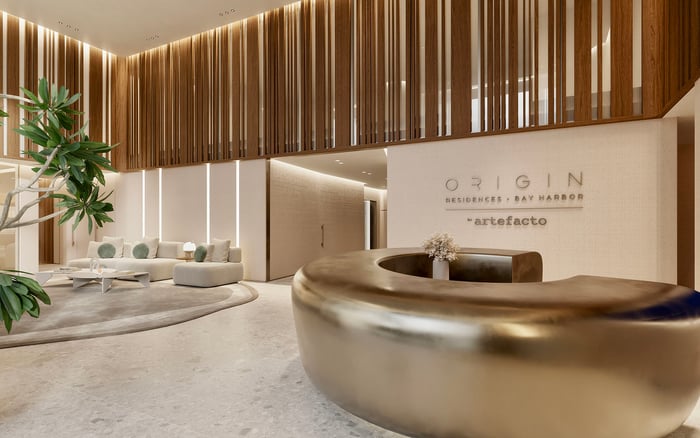
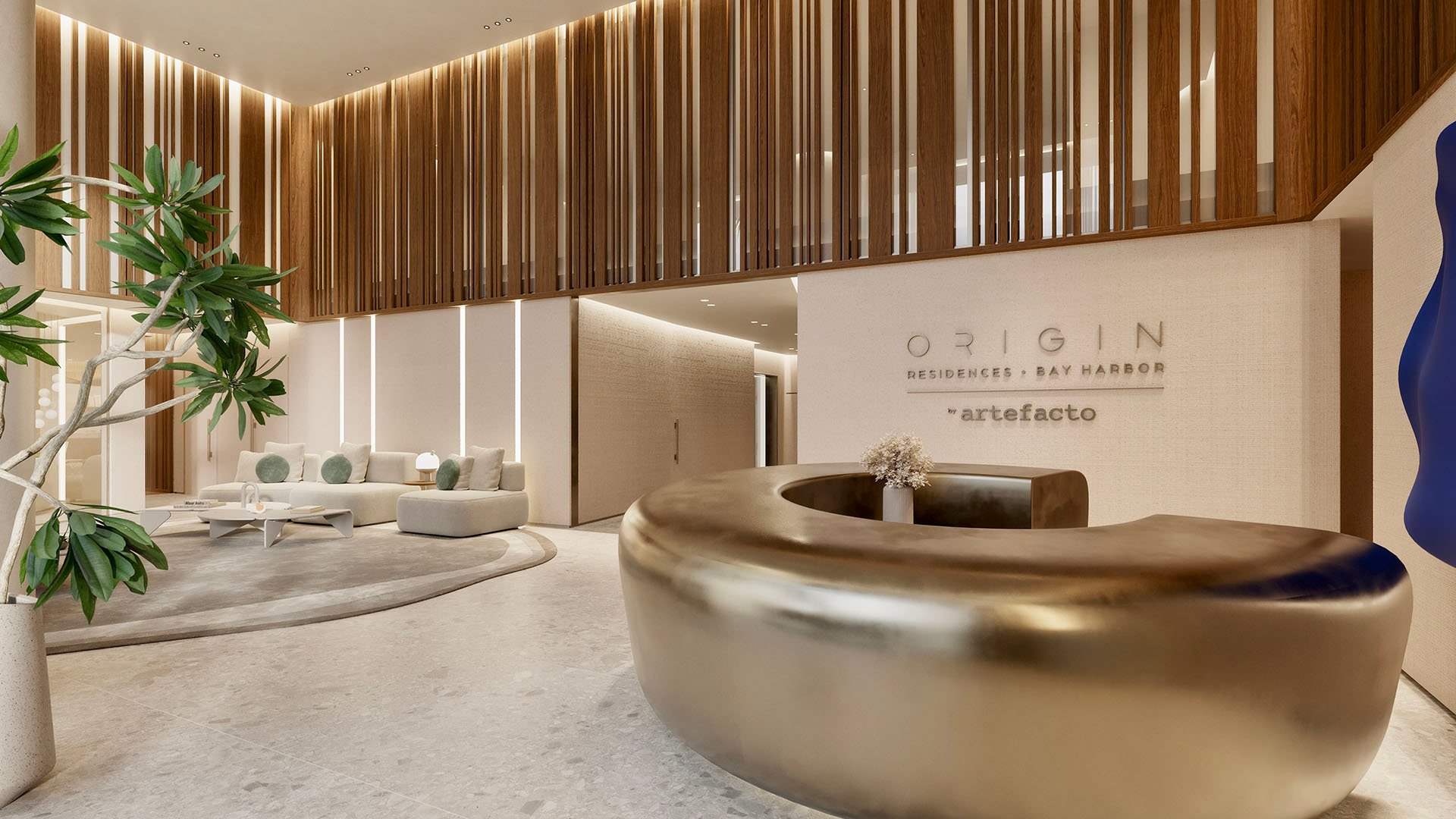
For Origin Bay Harbor Islands, the evaluation is more about how scale, usability, amenities, and neighborhood rhythm come together. A more controlled setting can be a real advantage for buyers who care less about direct water drama and more about predictable routines. Full-time residents, families with regular dining patterns, and lock-and-leave owners may value simplicity as much as spectacle.
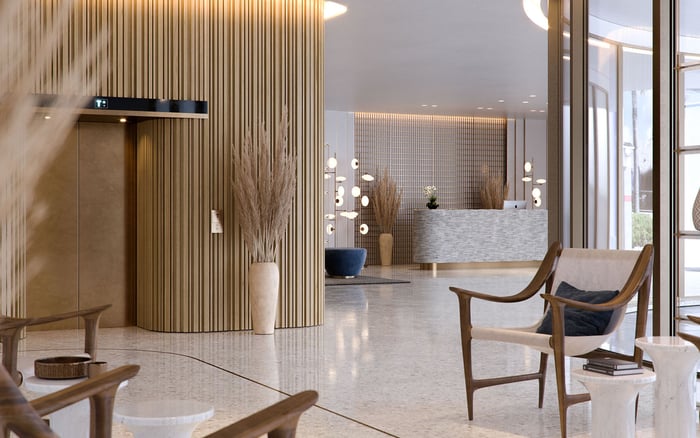
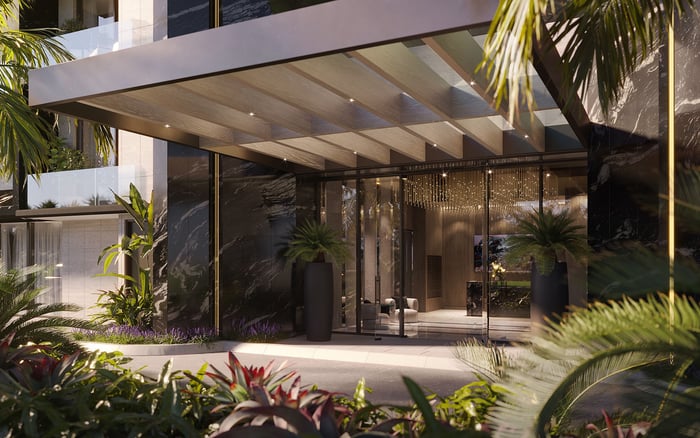
Luxury ownership is often decided in the first five minutes after arrival. How intuitive is the entry sequence? Does parking feel efficient or choreographed? Is the lobby calm at peak times? Does the walk from car to elevator feel discreet, sheltered, and well considered? These questions can separate buildings that may appear similar in renderings or brochures.
At Alana Bay Harbor Islands, the comparison should be framed around lived experience: coming home, moving through common areas, reaching the residence, and determining whether the building supports a private daily cadence. Boutique scale can be an advantage here. Smaller buildings often feel less crowded, more familiar, and more residential than large South Florida condo towers. The trade-off is that they may not offer the same resort-scale programming or amenity breadth.
The important point is not whether one approach is universally superior. It is whether the arrival ritual matches the owner. A full-time resident may scrutinize elevator flow, garage convenience, package handling, and sound control. A seasonal owner may focus on how easily the home can be opened, closed, visited by family, and managed while away.
Boutique luxury in Bay Harbor Islands depends on balance. Buyers are not typically seeking the scale of a mega-tower with constant programming, large crowds, and a hotel-like pace. They are often seeking a more intimate owner environment, where common areas feel composed and familiar.
That intimacy can be highly valuable. It may make the building feel more neighborly, quieter, and easier to navigate. It can also mean that amenity expectations should be carefully calibrated. Rather than asking which property has the longest list of amenities, buyers should ask which amenities they will actually use during a normal week. A pool, fitness environment, lounge, lobby, or outdoor area matters most when it fits the owner’s real habits.
For Alana Bay Harbor Islands, Onda Bay Harbor, and Origin Bay Harbor Islands, the practical question is how each building handles the tension between privacy and amenity depth. Some owners want a serene building where amenities are secondary to residence quality and location. Others want a stronger social or service layer, especially if the condominium will function as a second home for visiting family and guests.
Service is not only about whether a building sounds well staffed. It is about how service performs under pressure. How are guests received? How do packages move through the property? Is management responsive when small issues arise? Do common areas feel cared for in real use, not only during a sales presentation? Are valet or concierge expectations aligned with the owner’s lifestyle?
For a lock-and-leave buyer, the service model may be decisive. The owner wants confidence that the residence can be monitored, accessed appropriately, and maintained with minimal friction. For a family using the home year-round, the priorities may be different: everyday parking, groceries, deliveries, visiting relatives, and late arrivals after dinner.
Onda Bay Harbor’s appeal depends in part on how services support its design and lifestyle positioning. Origin Bay Harbor Islands should be read through usability and rhythm. Alana Bay Harbor Islands should be considered as a boutique ownership environment where privacy, scale, and daily circulation are central. The right answer changes with the owner’s routine.
South Florida luxury condos must perform against conditions that are beautiful but demanding: humidity, salt air, sun, heavy rain, and storm preparation. Buyers comparing these three properties should look beyond finishes and ask how the building will feel after seasons of use.
Natural light and glazing matter, but so does heat gain. Water exposure can be captivating, where applicable, but it may come with wind and storm-planning considerations. A quieter street setting may feel less dramatic, but easier to live with. Sound control matters in boutique buildings because fewer residences can make each interaction more noticeable. Elevator flow matters because daily convenience is cumulative.
The most sophisticated buyers treat these practical elements as part of luxury. A residence that is easy to maintain, quiet when it should be, bright without being harsh, and simple to secure before travel can be more satisfying than one that only impresses on first viewing.
Alana Bay Harbor Islands is best understood as a boutique option for buyers who value privacy, manageable scale, and the everyday feel of a quieter Bay Harbor Islands address. It belongs in the conversation for owners who care about arrival, intimacy, and how a smaller building works as a lived environment.
Onda Bay Harbor is most relevant for buyers whose lifestyle depends heavily on the interplay of location, design, services, and potential water-oriented considerations. Boat-oriented buyers, seasonal residents, and owners who want a stronger relationship to water should verify the details that affect both pleasure and responsibility.
Origin Bay Harbor Islands is a compelling reference point for buyers who prioritize usability, neighborhood rhythm, and a controlled boutique experience. It may resonate with full-time local residents, families with steady routines, and owners who want Bay Harbor Islands convenience without needing every decision to revolve around direct waterfront exposure.
None of these profiles is inherently better. The right choice is the one that makes the owner’s ordinary day feel easier, calmer, and more pleasurable.
Is Alana Bay Harbor Islands better than Onda Bay Harbor or Origin Bay Harbor Islands? Not universally. The better choice depends on whether the buyer prioritizes privacy, lifestyle positioning, service rhythm, or routine convenience.
Why does micro-location matter so much in Bay Harbor Islands? The area is compact, so even small differences in street feel, exposure, and everyday access can change daily ownership.
Should boat-oriented buyers focus mainly on Onda Bay Harbor? They should include Onda Bay Harbor in the conversation if water-related lifestyle details matter, while confirming the exact features that affect their use case.
Is boutique scale always an advantage? Boutique scale can feel private and residential, but it may offer less resort-style amenity depth than larger South Florida towers.
Which project suits a full-time resident best? Full-time residents should focus on parking, elevator flow, service responsiveness, sound control, and proximity to daily routines.
Which project suits a seasonal second-home owner best? Seasonal owners should prioritize lock-and-leave ease, guest handling, management quality, and how simply the residence can be maintained while away.
How important is the service model in these buildings? Very important. Concierge expectations, package flow, guest arrival, and management responsiveness shape the lived luxury experience.
Does waterfront positioning create extra considerations? Yes, where applicable. Waterfront or boat-friendly settings can enhance views and lifestyle, while also raising questions about wind, salt air, and storm preparation.
What should families evaluate beyond finishes? Families should study parking convenience, guest access, building quietness, daily errands, and the practical rhythm of the neighborhood.
What is the smartest way to compare these three projects? Walk through a normal day in each building, from arrival to amenities to hosting, and choose the one that best supports that routine.
For a tailored shortlist and next-step guidance, connect with MILLION.
If branded residences are on your mind — as a home or as an allocation — we would be glad to share what we are seeing, privately.
Begin a quiet conversation