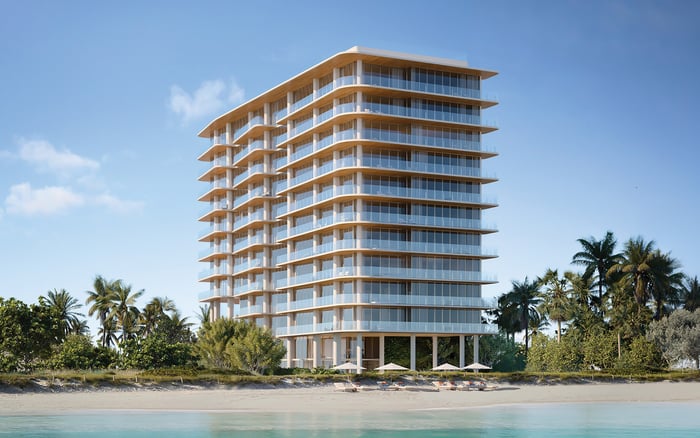
A discreet buyer’s guide to understanding structural reserve-study exposure at Ocean House Surfside, with emphasis on seasonal ownership, document review, cash planning, and resale discipline.
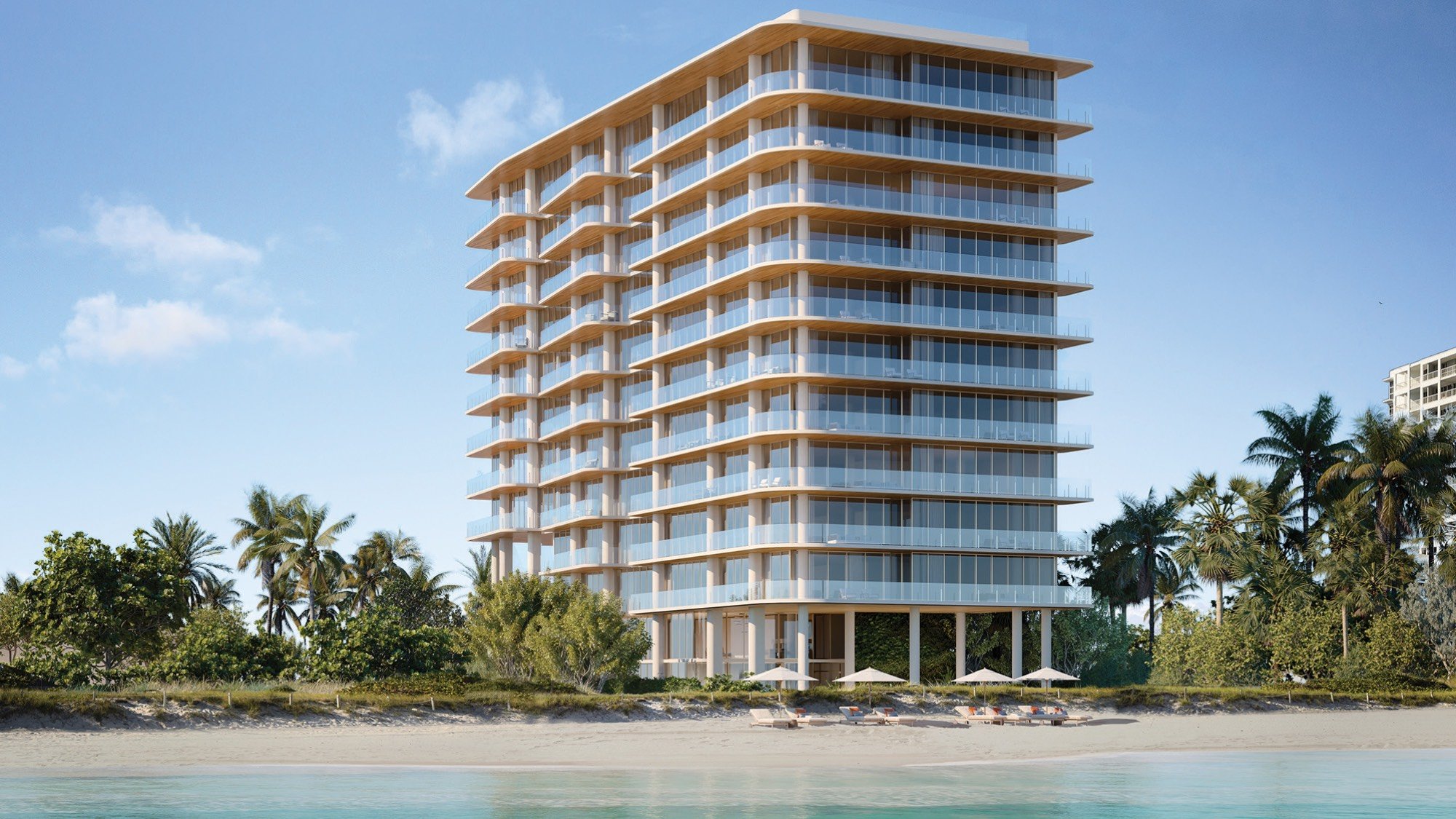
For seasonal buyers evaluating Surfside condominium ownership, Ocean House Surfside offers a useful project-specific lens. The appeal of a South Florida residence often begins with place, rhythm, and privacy: mornings near the water, a simple arrival from the airport, and the ability to leave for months and return to a home that still feels composed. Yet for today’s condominium buyer, the most elegant ownership experience is also the one that has been carefully underwritten before closing.
Structural reserve-study exposure should not be treated as a technical afterthought. It belongs in the same conversation as view lines, interior condition, monthly carrying costs, and resale positioning. For a seasonal buyer, the issue carries particular weight because the owner may not be present when association meetings, maintenance planning, or assessment discussions become active. A well-advised purchase process anticipates those moments rather than reacting to them.
At Ocean House Surfside, the central question is not whether diligence should discourage a buyer. It is whether the buyer has enough clarity to price risk, plan liquidity, and understand the building’s ownership culture before making an emotional commitment.
Seasonal ownership differs from full-time residency. A second-home purchaser may use the residence intensely for part of the year, then rely on building management, association decisions, and trusted local professionals during long absences. That distance magnifies the importance of documents. Minutes, budgets, insurance materials, reserve discussions, engineering references, and pending project information can all influence whether the ownership experience feels effortless or unexpectedly demanding.
The refined buyer does not ask only, “What is the monthly maintenance?” The better question is, “What does that maintenance include, what does it exclude, and what future obligations may already be visible in the association record?” A low apparent carrying cost can be less attractive if it masks deferred needs, while a higher cost may be more acceptable when it reflects disciplined planning and transparent communication.
For a seasonal owner, timing matters. If a potential assessment, building project, or reserve adjustment arises shortly after closing, the buyer may face a cash event before fully settling into the property. That is why reserve-study exposure belongs in the pre-contract and inspection-period conversation, not in a hurried review days before closing.
The first layer is the condominium document package. Buyers should request the most current association budget, recent meeting minutes, available reserve materials, insurance summaries, rules and regulations, and any disclosures tied to active or anticipated building projects. The goal is not to become an engineer or attorney. The goal is to understand what professionals have already identified, what the association has chosen to fund, and what remains uncertain.
The second layer is context. If the residence is being positioned as a luxury lock-and-leave home, the building’s governance and maintenance posture should support that promise. Seasonal buyers should ask how frequently owners are updated, how capital projects are communicated, and whether meeting minutes show a consistent pattern of planning. In high-value condominium ownership, discretion and predictability are part of the amenity set.
The third layer is cash planning. Buyers often focus on the purchase price, closing costs, and renovation budget. Reserve-study exposure adds another dimension: potential contributions, special assessments, or monthly increases that may affect the effective cost of ownership. Even when no specific charge is known, prudent buyers model scenarios so the decision remains controlled.
A luxury condominium should be evaluated as an operating asset, even when purchased for personal use. Investment discipline does not diminish the romance of owning in Surfside. It protects it. The most sophisticated buyers understand that a residence can be both a lifestyle acquisition and a balance-sheet decision.
Monthly maintenance is only one visible line. Insurance, reserves, capital planning, staffing, common-area upkeep, and building systems all sit behind the number. If the association has a history of careful planning, the monthly figure may feel more rational. If documents are sparse, inconsistent, or difficult to interpret, the buyer should slow down and obtain advice before proceeding.
This is not about seeking perfection. No condominium is immune from future maintenance, and every building requires reinvestment over time. The issue is whether the buyer can see the road ahead clearly enough to own with confidence. Transparency is an asset. Ambiguity is a cost.
Resale buyers ask many of the same questions that today’s purchaser should ask. A future buyer may review association documents, budgets, meeting minutes, and any reserve-related materials with even greater scrutiny. If ownership costs rise, if a major project is active, or if a reserve discussion becomes prominent, that information can affect negotiation tone and timing.
For Ocean House Surfside, a buyer thinking ahead should consider how the property will be presented when it is time to sell. Clean records, well-organized documentation, and a clear explanation of carrying costs can reduce friction. A seller who can speak calmly about the building’s maintenance posture will usually be better positioned than one who treats questions as interruptions.
Resale strategy begins at acquisition. The buyer who understands the association’s direction before closing is more likely to price the residence accurately, budget improvements sensibly, and avoid overcapitalizing interiors without regard to building-level obligations. In prime coastal markets, beauty matters. So does documentation.
Surfside attracts buyers who value a quieter coastal profile, a refined residential scale, and proximity to the broader luxury corridor of Miami and the beaches. That setting supports the appeal of Ocean House Surfside, but it does not replace due diligence. In fact, the more compelling the location feels, the more disciplined the buyer should be.
Beach access, privacy, service, and daily ease often define the emotional side of the purchase. The analytical side asks whether the building’s financial and structural planning supports that lifestyle over time. These two sides should not compete. They should reinforce each other.
Oceanfront ownership across South Florida has become more document-driven because buyers want confidence, not surprises. The best purchase conversations are candid from the outset: What is known, what is planned, what is funded, and what remains to be confirmed? When a seller, buyer, and advisory team can address those questions calmly, the transaction becomes more refined.
The contract period should be structured to give the buyer enough time to review association materials with qualified guidance. A seasonal buyer may need local representation, condominium counsel, an inspector familiar with high-rise ownership, and a financial advisor who can model carrying-cost scenarios. The objective is not delay for its own sake. It is to ensure the decision is informed.
Buyers should avoid relying solely on verbal assurances. If a material point affects value or future cost, it should be reflected in documents or reviewed by the appropriate professional. Questions about engineering, reserves, insurance, and assessments should be asked early, in writing, and with enough specificity to produce useful answers.
A well-run diligence process also protects the emotional experience. Once the buyer is comfortable with the documents, the residence can be enjoyed for what it is intended to be: a composed Surfside retreat, not a source of unresolved questions.
Is Ocean House Surfside relevant for seasonal buyers? Yes. Ocean House Surfside is a Surfside condominium focus for buyers evaluating seasonal ownership exposure and building-level diligence.
What is structural reserve-study exposure? It is the buyer’s potential exposure to building reserve planning, maintenance funding, future capital needs, and related ownership costs.
Should reserve questions be reviewed before making an offer? Ideally, buyers should begin asking early, then use the contract period to review documents with qualified professionals.
Does reserve-study exposure mean a building has a problem? Not necessarily. It means the buyer should understand how the association identifies, funds, and communicates building needs.
What documents should a seasonal buyer request? Buyers should request budgets, meeting minutes, reserve materials, rules, insurance summaries, and disclosures regarding active or anticipated projects.
Why does this matter more for a second-home owner? A seasonal owner may be away when decisions are made, so clarity and communication are essential to avoiding surprises.
Can reserve exposure affect resale value? Yes. Future buyers may evaluate the same documents, and unclear or costly building obligations can influence negotiations.
Is this only a financial issue? No. It is also an ownership-experience issue because planning, communication, and building governance affect day-to-day confidence.
Should buyers rely on verbal explanations? Verbal context can help, but material points should be supported by documents and reviewed by appropriate advisors.
What is the best way to shortlist comparable options for touring? Start with location fit, delivery status, and daily lifestyle priorities, then compare stacks and elevations to validate views and privacy.
To compare the best-fit options with clarity, connect with MILLION.
If branded residences are on your mind — as a home or as an allocation — we would be glad to share what we are seeing, privately.
Begin a quiet conversation