A buyer-focused comparison of Brickell and Miami Beach, showing how walkability, building service, privacy, arrivals, and daily rhythm shape luxury residential decisions.
In South Florida luxury real estate, walkability is often treated as a single convenience: the ability to leave the car behind. For a serious buyer, however, walkability is more nuanced. It shapes how a residence feels at 8 a.m., how guests arrive for dinner, whether a dog walk feels graceful, and how building staff anticipate the resident’s day.
Brickell and Miami Beach both offer pedestrian lifestyles, yet they deliver them through entirely different lenses. Brickell is vertical, commercial, and time-efficient. Miami Beach is coastal, sensory, and hospitality-driven. The distinction matters for buyers comparing primary residences, pied-a-terre use, and second-home ownership, because the daily experience can be as important as the view.
The best choice is rarely about which neighborhood is more walkable. It is about which kind of walkability supports the way a buyer wants to live.
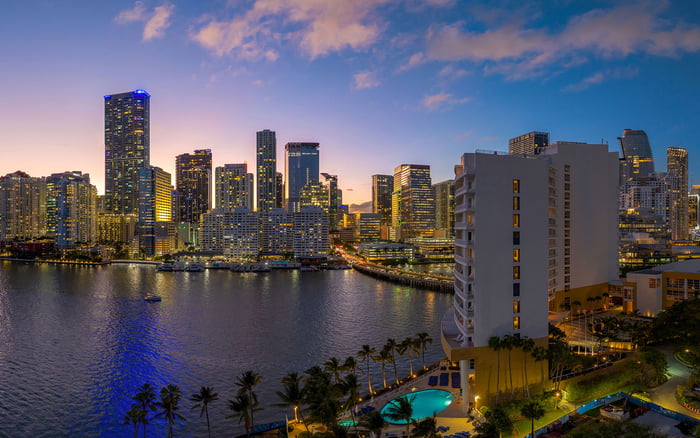
Brickell’s walkability is built around density. The essential rhythm is up, down, across, and back. Residents often expect to move from residence to fitness, coffee, business, dining, and errands with minimal friction. The neighborhood suits buyers who value efficiency and want a polished urban base that compresses the day.
In this environment, service expectations tend to follow a metropolitan pattern. Lobby teams are expected to be quick, informed, discreet, and highly coordinated. The resident leaving for a morning meeting may expect a car ready, deliveries held properly, a guest handled without confusion, and a maintenance request resolved without repeated explanation.
Brickell also changes throughout the week. It can feel most animated during working hours and evening dining periods, with a quieter residential register at other times. For buyers, the key question is whether that energy feels productive or intrusive. A well-run building can soften the intensity of the district by making the private arrival feel calm, controlled, and separate from the street.
The Brickell buyer often wants a building that functions almost like a private urban instrument. Elevators, valet, package handling, security, and amenity access must work together. In this context, luxury is less about theatrical gestures and more about reducing wasted time.
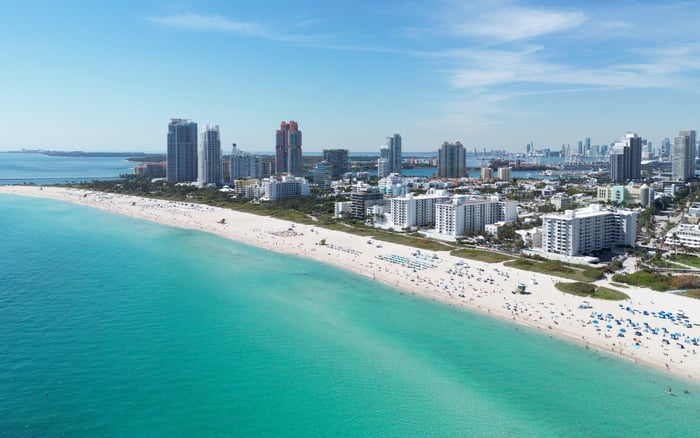
Miami Beach walkability is less about compression and more about atmosphere. The walk itself often has value: a stroll to dinner, a morning route near the water, an easy movement between beach, pool, spa, and restaurant. The experience is broader and more sensorial. Buyers drawn to Miami Beach frequently want daily life to feel lighter, more resort-adjacent, and less tied to an office cadence.
Service expectations reflect that rhythm. Staff culture is often measured by warmth, pacing, polish, and an ability to support relaxed privacy. The ideal is not only efficiency, but grace. A resident may care deeply about how beach access is handled, how guests are greeted, how poolside requests are managed, and whether the building maintains calm during peak seasonal periods.
Miami Beach also rewards buyers who understand micro-location. A residence near more active corridors will produce a different pedestrian rhythm from a quieter enclave. South of Fifth searches, for example, often signal interest in a refined walkable setting where dining, waterfront paths, and a more residential mood can coexist.
Oceanfront living adds another layer. When the beach is part of the daily routine, walkability extends beyond sidewalks. It includes towel service, beach setup, private access points, sand management, and the transition from wet feet to elegant interiors. The most successful buildings make that transition feel effortless.
Brickell service tends to be judged by precision. Residents want speed without noise. They may ask: how quickly does valet respond during peak hours, how smoothly do guests reach the correct elevator, and how well does the front desk manage businesslike routines? The building must support a resident who may be moving quickly and expects interruptions to be minimized.
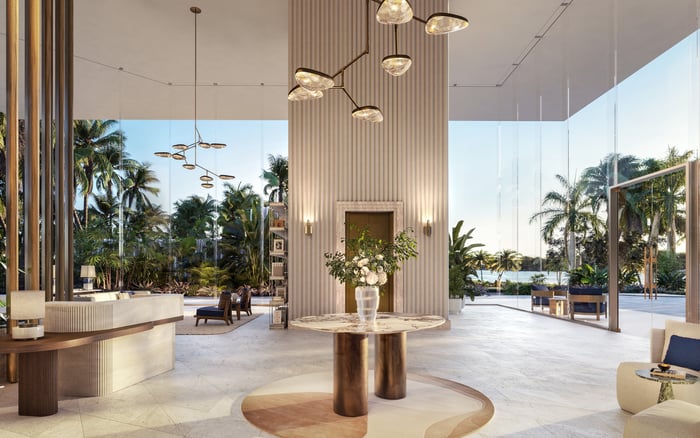
Miami Beach service is often judged by ease. Residents may be moving more slowly, entertaining more often, or using the property seasonally. The building’s personality matters. Is the lobby serene or social? Does the staff remember preferences without becoming familiar? Are beach, spa, pool, and dining experiences coordinated in a way that feels natural rather than forced?
Neither model is inherently more luxurious. The distinction is in the emotional promise. Brickell says, your day will run well. Miami Beach says, your day will unfold beautifully. A buyer should know which promise carries more value.
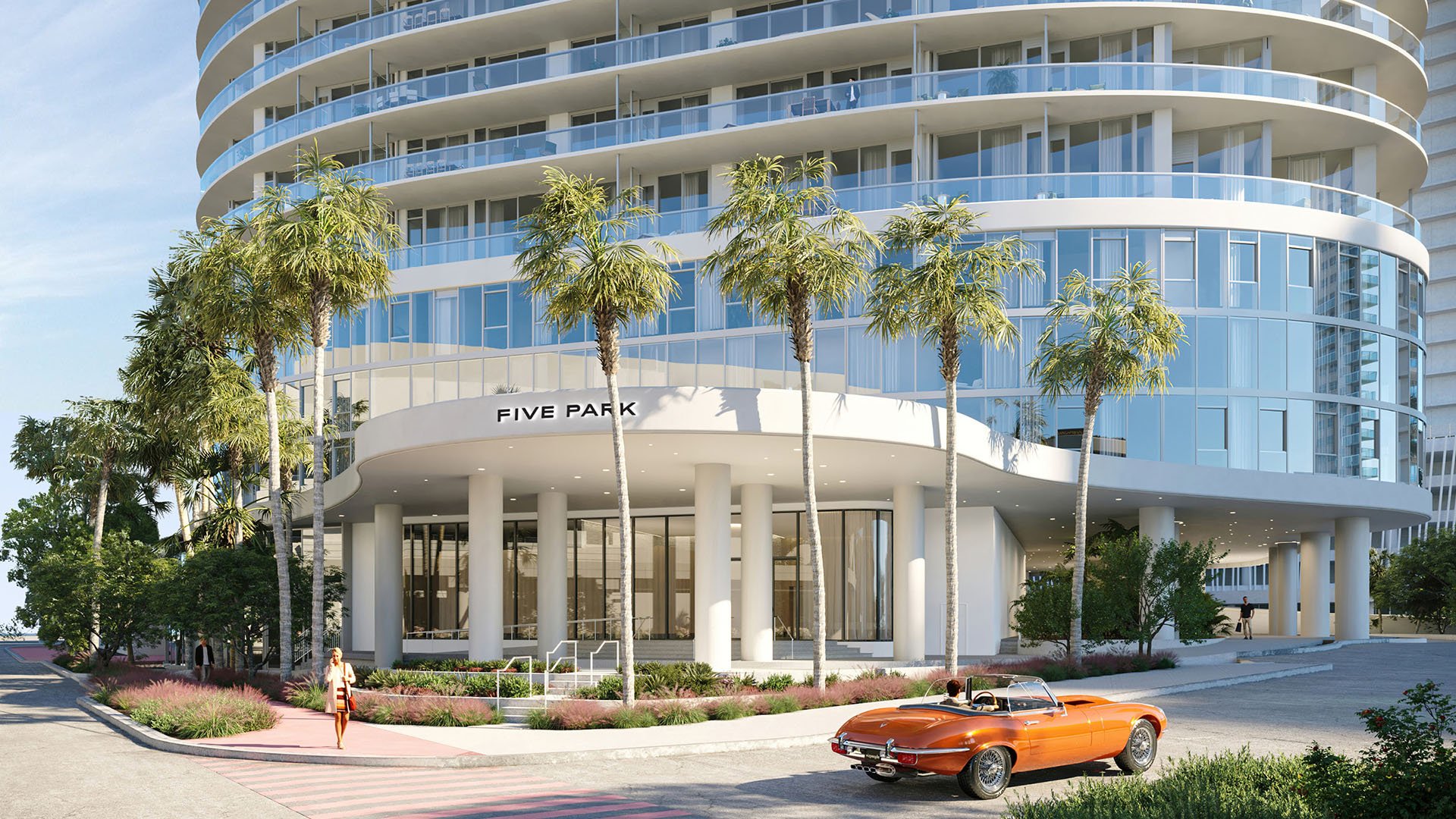
One of the most revealing moments in any luxury building is arrival. In Brickell, the arrival sequence should protect the resident from urban pressure. Drive court design, valet choreography, security presence, and elevator access all influence whether the building feels private or merely convenient. If the surrounding neighborhood is active, the threshold must feel especially composed.
In Miami Beach, arrival has a more hospitality-oriented dimension. The approach may carry a sense of occasion, particularly for guests arriving for dinner, a weekend stay, or a seasonal visit. The best service environments understand that residents want welcome without spectacle. The staff should be attentive, but the mood should remain residential.
Buyers should visit at different times of day. Morning reveals commuter and wellness patterns. Late afternoon reveals valet pressure, beach returns, and delivery activity. Evening reveals the true guest experience. A building that feels impeccable only at noon may not suit a resident who entertains frequently or travels often.
For a Brickell buyer, the most important questions are practical. How often will you walk for business, dining, errands, or transit? Do you want a high-energy urban setting outside the door, or do you prefer a calmer arrival with selective access to that energy? How much do you value proximity over quiet?
For a Miami Beach buyer, the questions are more experiential. Do you want oceanfront access to define the day, or is proximity to restaurants and neighborhood life more important? Will the residence be used full-time, seasonally, or as a second-home? Do you expect a resort cadence, or do you want a private residential building that simply happens to be near the beach?
New-construction buyers should be especially attentive to service programming, not just renderings and amenity counts. A beautiful amenity deck is only as valuable as the staffing, maintenance, and resident culture behind it. The same is true for legacy buildings, where long-standing staff relationships can sometimes provide a level of confidence that new properties must still earn.
Ultimately, Brickell and Miami Beach represent two different versions of South Florida sophistication. One is vertical, connected, and exacting. The other is coastal, atmospheric, and service-led. The right choice is the one that makes the resident feel most intelligently at home.
Is Brickell more walkable than Miami Beach? Brickell is often more efficient for dense urban errands and business routines. Miami Beach can feel more lifestyle-oriented, especially when dining, beach access, and leisure walks are priorities.
Is Miami Beach better for a second home? It can be, particularly for buyers who want a coastal routine and a stronger resort sensibility. Brickell may suit a second-home buyer who wants an urban base with quick access to dining and business districts.
Which area has a more formal service culture? Brickell often emphasizes precision, speed, and coordination. Miami Beach often places more emphasis on ease, hospitality, and the transition between indoor and outdoor living.
Should I prioritize oceanfront access over walkability? It depends on daily use. If beach routines define your lifestyle, oceanfront access may be more valuable than being closest to every restaurant or shop.
What does South of Fifth usually signal to buyers? South of Fifth often signals a preference for a more refined Miami Beach setting with walkable dining, waterfront ambience, and a residential mood.
Is Brickell too busy for a primary residence? Not necessarily. Buyers who enjoy urban energy may find it highly convenient, while others should focus on buildings with calm arrivals and strong privacy controls.
Does new construction guarantee better service? No. New construction may offer modern systems and amenities, but service quality depends on staffing, management, resident culture, and daily execution.
Which market is better for entertaining guests? Miami Beach often feels more natural for leisure entertaining, while Brickell can be excellent for polished dinners and urban stays. The building’s arrival sequence is critical in both cases.
How should I test walkability before buying? Walk the neighborhood during the times you will actually use it. Morning, late afternoon, and evening each reveal different patterns.
What is the biggest mistake buyers make when comparing the two? They compare distance instead of lifestyle rhythm. The better question is whether the neighborhood and building service support the way you want each day to feel.
When you're ready to tour or underwrite the options, connect with MILLION.
If branded residences are on your mind — as a home or as an allocation — we would be glad to share what we are seeing, privately.
Begin a quiet conversation