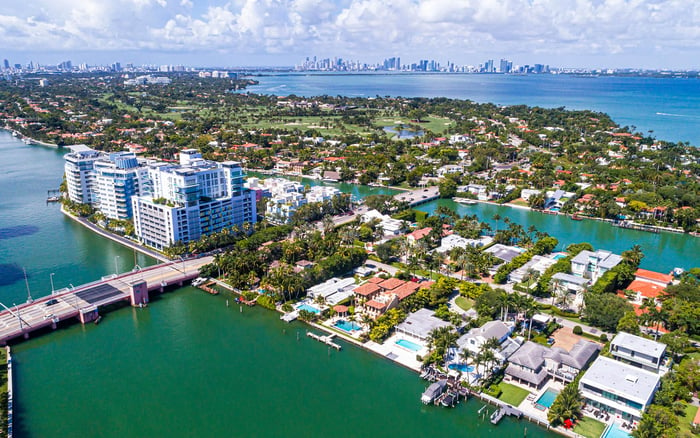
For Houston families acquiring a Miami Beach residence, the purchase is not only about views, amenities, and design. It is also a governance decision shaped by title planning, estate coordination, condominium obligations, rental expectations, reserve funding, and coastal-risk preparation.

For a Houston family, a Miami Beach residence can begin as a reward: ocean air, school-break rituals, Art Week dinners, and a private place to gather beyond the rhythms of Texas. Yet once a Florida deed is signed, the home also becomes a governance asset. It needs clear expectations for ownership, use, expense sharing, succession, rentals, insurance, repairs, storm response, and exit rights.
That governance lens matters because a South Florida residence is not only a lifestyle decision. It sits inside a framework of title choices, family documents, condominium rules, local rental limits, insurance decisions, and estate-planning consequences that should be reviewed with qualified counsel and advisors before closing.
For sophisticated buyers, the takeaway is not fear. It is preparation. Before closing on an oceanfront condominium such as The Perigon Miami Beach or a South Beach residence such as The Ritz-Carlton Residences® South Beach, the family should decide who owns, who controls, who pays, who may use the home, and what happens when life changes.
A Houston family may arrive with familiar expectations about marital property, family capital, and decision-making authority. A Miami Beach purchase should not be treated as a casual extension of that balance sheet. The names on the deed, the form of ownership, any trust or entity structure, and the source of funds can all affect how the family understands control, responsibility, and future transfer mechanics.
This becomes especially important when the home is funded from mixed sources. One spouse may contribute long-held funds. Another may contribute current earnings. Parents may provide support as a gift or loan. Adult children may be intended future users but not current owners. Without written documentation, the family can create ambiguity around reimbursement, control, and beneficial interests.
A discreet family governance memo, prepared before closing and coordinated with legal and tax advisors, can clarify the intended role of each contribution, the ownership structure, and the approval process for major decisions. It should live alongside the purchase agreement, estate plan, insurance file, and condominium or association documents.
Florida homestead is often discussed casually, but buyers should treat it as a legal and tax concept rather than a lifestyle label. Whether a Miami Beach residence is a permanent home, a seasonal home, or a family vacation asset can matter for planning. Families should not assume that ownership alone produces every benefit or protection associated with Florida residency or homestead treatment.
For Houston families, the governance question is simple but consequential: what is the intended role of the Miami Beach residence? Is it a true primary home, a recurring seasonal base, a family gathering place, or an asset that may eventually be transferred to the next generation? The answer can shape how advisors approach title, estate planning, insurance, and administrative records.
The family should also be consistent in its documents and conduct. If the residence is meant to support a broader Florida plan, that decision should be reviewed holistically rather than handled as a last-minute closing detail.
A Miami Beach home can become emotionally important very quickly. That is why succession planning should happen before the first holiday season, not after years of memories create competing expectations. A second marriage, children from prior relationships, or a desire to keep the property available for multiple branches of the family can make default assumptions feel too blunt.
The estate plan should answer practical questions. Who has authority to sell, refinance, renovate, or carry the property after death or incapacity? Who decides whether the home remains a shared family asset? How are taxes, assessments, insurance, repairs, and staff costs funded if one family member uses the property more than another?
If a trust, marital agreement, co-ownership agreement, or other structure is used, the operating rules should be legible to the next generation. The goal is not only transfer efficiency. It is to preserve family relationships around a residence that may hold meaning far beyond its market value.
Many Houston buyers prefer condominium living because it can solve certain ownership burdens: staff, building maintenance, amenities, security, and lock-and-leave convenience. But a condominium also imports a second layer of governance. Association documents, board processes, budgets, reserves, insurance, repair protocols, and use restrictions can all affect how a family actually lives in the home.
For a buyer comparing established Miami Beach options with Setai Residences Miami Beach, the aesthetic decision is only part of the work. The governance file should include the declaration, bylaws, budget, reserve information, assessment history, insurance materials, rental restrictions, and any available building-condition disclosures or association communications.
This diligence should be reviewed before the family treats the residence as a permanent tradition. A beautiful lobby and strong service culture are important, but they do not replace a careful understanding of the building’s financial and operational rules.
Short-term rentals are not merely an income question in Miami Beach. They are a family-governance question. Owners should verify city rules and building restrictions before assuming any rental use is permitted. Even when a property feels resort-like, the family should not rely on assumptions about nightly, weekly, seasonal, or occasional rental activity.
The internal family rules should be more detailed than the legal minimum. Who can reserve peak weeks? Are friends allowed without an owner present? Can adult children host guests? Who approves a charity stay, a business guest, or a staff member’s use? Is the home personal-use only, occasionally guest-used, or potentially income-producing if permitted?
A well-drafted use policy avoids common frictions: one branch monopolizing winter holidays, another leaving repairs unresolved, or a relative treating the property as a casual hotel. The practical standard is simple: if a disagreement would feel expensive during a peak Miami Beach week, write the rule before closing.
Miami Beach ownership requires a coastal operating plan. Flood awareness, insurance review, wind exposure, building responsibilities, emergency access, generator policies, elevator protocols, and post-storm communication should all be part of the family’s pre-closing conversation with qualified advisors and the building team.
The governance agreement should designate who can approve emergency repairs, who communicates with the association, who can coordinate insurance matters, and how reserves are replenished after an event. For a luxury residence, the reserve is not only about routine expenses. It is about preserving optionality when contractors, materials, and time-sensitive decisions require quick approval.
The family should also decide how much liquidity should be maintained for the property. A Miami Beach home may be used seasonally, but its obligations do not operate seasonally.
Before the deposit becomes a family commitment, Houston buyers should align five workstreams: deed strategy, family-capital documentation, estate planning, association diligence, and a written use agreement. The use agreement should cover occupancy calendars, guest rules, rental policy, expense sharing, repair approvals, reserve funding, insurance decisions, storm response, and exit or buyout rights.
For a multi-generation family, exit rights are especially important. A child may move abroad. A marriage may end. One branch may want liquidity while another wants legacy. A buyout formula, valuation process, and deadlock mechanism can preserve relationships as much as capital.
The best Miami Beach homes are emotionally magnetic. That is precisely why they need structure. A home that carries birthdays, summers, and private rituals should not depend on assumptions that were never written down.
Should a Houston family treat a Miami Beach home differently from other family assets? Yes. A Miami Beach residence should be evaluated as both a lifestyle asset and a governance asset, with written rules for ownership, use, expenses, and future decisions.
Should deed titling be discussed before closing? Yes. The deed structure should be reviewed with advisors because it can influence control, succession planning, financing, and family expectations.
Is a Miami Beach second home automatically treated as a permanent Florida home? No. Families should obtain qualified advice before assuming that ownership alone establishes residency, homestead treatment, or related benefits.
Why should estate planning happen before the first holiday season? Early planning reduces ambiguity about who controls, funds, uses, or transfers the home if a family member dies, becomes incapacitated, divorces, or wants liquidity.
What should a family governance memo include? It should address ownership intent, funding sources, decision authority, expense sharing, guest use, rentals, reserves, repairs, insurance, and exit rights.
Why do condominium documents matter for family governance? Association rules, budgets, reserves, insurance materials, assessments, and use restrictions can directly affect how the family uses and carries the residence.
Can a resort-like Miami Beach building always be rented short term? No. Owners should verify both local rules and building restrictions before assuming any short-term or occasional rental use is allowed.
What should guest rules cover? Guest rules should address peak-week priority, friends using the home without an owner present, adult children hosting guests, business use, and staff access.
What should a coastal reserve plan consider? It should consider insurance deductibles, emergency repairs, association communication, post-storm access, contractor decisions, and replenishment after an event.
What is the most important step before purchase? Put the family’s ownership, use, expense, rental, succession, reserve, and exit rules in writing before closing.
When you're ready to tour or underwrite the options, connect with MILLION.
If branded residences are on your mind — as a home or as an allocation — we would be glad to share what we are seeing, privately.
Begin a quiet conversation