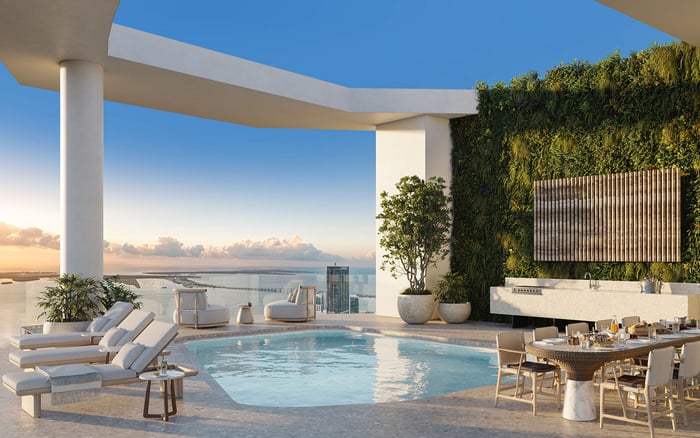
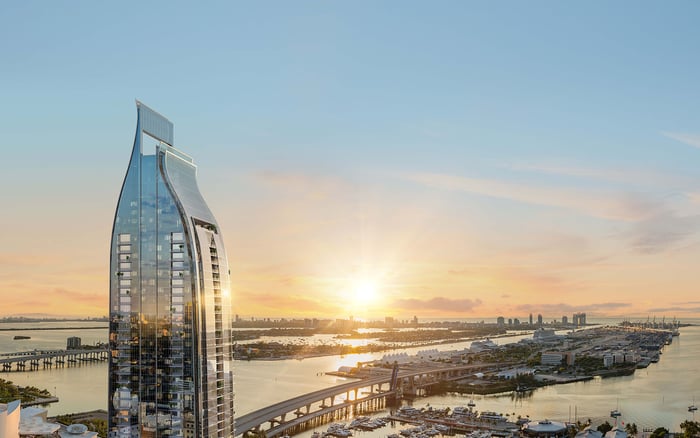
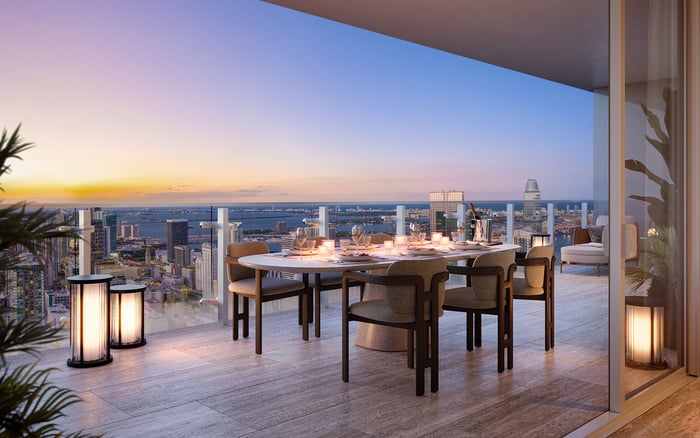
A discreet buyer’s guide to the guest-arrival workflow at Ponce Park Coral Gables, with a focus on access, parking, amenity use, privacy, and the residential standards that shape multi-week stays.
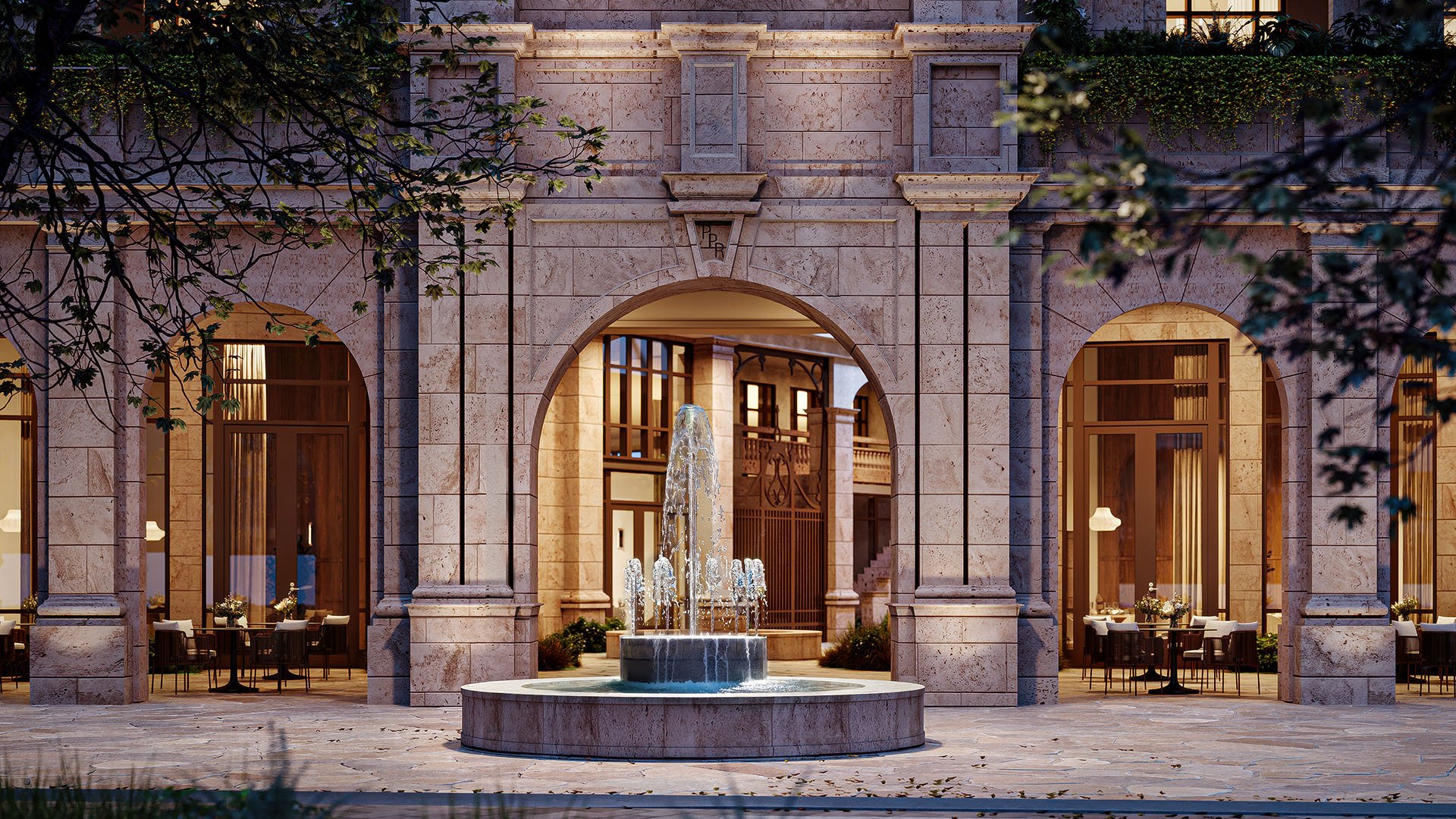
At Ponce Park Coral Gables, the arrival of family, close friends, or trusted personal guests for several weeks is not a hotel check-in. It is a residential operations matter. That distinction is essential for buyers who value privacy, gracious service, and order without turning the building into a transient environment.
In a Ponce Park-style residence, hospitality is useful only when it supports the owner’s private life. A guest arriving for a longer visit is best understood as an extension of the owner’s household, not as a rotating short-stay customer. That framing shapes everything from front-desk awareness to amenity etiquette, package handling, parking, access credentials, and the tone of daily interaction with staff.
This matters in Coral Gables, where luxury often reads as predictability rather than spectacle. The city’s residential character, design discipline, and preference for community standards give projects such as Ponce Park Coral Gables a different rhythm from more transient submarkets. For many buyers, that is precisely the appeal.
The most successful multi-week stay is usually organized before the guest arrives. Owners should expect the practical work to begin with advance communication to the association or property manager, while confirming exact requirements in the building documents. That early step allows staff to understand who is expected, how long they may be present, and what level of access is appropriate.
This is where residential hospitality becomes visible. A front desk or concierge-style team can make the arrival feel polished, but the underlying system remains private and controlled. Names may be registered. Access may be set up electronically. Luggage, packages, deliveries, and parking needs may be coordinated. The goal is not a resort-style revolving door. It is to make an invited guest feel expected while keeping the building secure for residents.
Buyers comparing Coral Gables projects will notice similar priorities in nearby residential offerings such as Cora Merrick Park and The Village at Coral Gables, where the luxury proposition depends on neighborhood fit as much as amenity polish.
For a weekend guest, access can feel simple. For a guest staying several weeks, it becomes part of the household’s operating system. A well-run residence typically needs a way to know who is entering, which areas they may use, and whether access depends on the resident being present or on pre-approved permissions.
That does not mean the experience should feel rigid. The best buildings make control feel calm. A guest can be greeted by name, directed to the correct elevator path, helped with luggage, or assisted with packages without compromising the owner’s privacy. The owner, however, remains responsible for the guest’s conduct within the building. That is a defining distinction between personal hosting and commercial short-stay use.
This is also where the idea of short-term rentals can mislead buyers. Hosting family for weeks is not the same as operating a residence as a commercial short-term rental. In Coral Gables, where residential tone is part of the value proposition, that distinction can influence both day-to-day comfort and long-term building culture.
Parking is often the least romantic part of hosting, but it can be among the most important. A multi-week guest may arrive with a car, need regular valet interaction, expect overnight access, or rely on structured parking routines. Each detail can affect resident capacity, building security, and staff workflow.
A buyer should ask practical questions before assuming a guest vehicle can be accommodated indefinitely. Is visitor parking handled through valet, assigned guest spaces, temporary authorization, or another system? Are there limits on where guests may park or how access is granted? Are guest vehicles treated differently from resident vehicles? The answers belong in the association rules and management policies, not in casual assumption.
Those answers also shape the feel of ownership. A building that handles guest parking gracefully can make a long family visit feel effortless. A building without clear procedures can turn an otherwise elegant stay into repeated friction at the curb.
Amenity access is another area where language matters. A pool, lounge, fitness space, or service desk may create the atmosphere of a refined club, but a guest’s use is typically tied to the resident’s rights and responsibilities. The guest is not an independent member of the building. They are present because the owner has extended the household.
That distinction supports civility. It allows a host to welcome parents for a winter stay, adult children during school breaks, or close friends for an extended visit while maintaining rules that protect other residents. Noise, occupancy, guest behavior, package volume, amenity reservations, and staff requests all sit within the building’s standards.
This residential framework is one reason Coral Gables appeals to buyers who want lifestyle without volatility. They may value service, design, and convenience, but they generally do not want the building to feel like a lobby in constant turnover.
In Brickell or Miami Beach, some luxury buyers accept a more transient cadence as part of the energy. Buildings such as 2200 Brickell or The Ritz-Carlton Residences® Miami Beach may speak to different forms of urban or coastal living, with their own rules and expectations. Coral Gables tends to reward a quieter reading of luxury.
For Ponce Park Coral Gables, the buyer question is not simply whether guests can be accommodated. It is whether the residence can absorb guests gracefully while preserving the everyday atmosphere that made the building desirable in the first place. That balance between welcome and restraint is the essence of residential hospitality.
Before inviting guests for an extended stay, owners should confirm the association’s current rules, any registration steps, access procedures, guest amenity permissions, parking practices, delivery handling, and expectations for staff communication. None of these details should be guessed. In a luxury building, discretion is built from clarity.
The best outcome is a stay that feels almost effortless to the guest and entirely controlled to the building. The owner remains private. The visitor feels oriented. Staff know who belongs. Neighbors experience continuity rather than disruption. That is how a residence works when hospitality is present, but ownership remains the governing idea.
Is Ponce Park Coral Gables a hotel-style property? No. It should be understood as a luxury residential project with hospitality support, not as a short-stay hotel.
Can family or personal guests stay for several weeks? Extended personal guests may be possible, but owners should confirm all rules with the association or property manager before arrival.
Are multi-week guests treated like hotel guests? No. They are best treated as an extension of the owner’s household and subject to the owner’s responsibilities.
Why is advance registration important? It helps staff identify expected visitors, coordinate access, and apply building policies consistently.
Can guests use the amenities? Guest amenity use is typically governed by house rules and connected to the resident’s privileges and responsibilities.
Is parking a major issue for longer visits? Yes. Guest vehicles can affect capacity, valet routines, and building security, so parking procedures should be confirmed early.
How is Coral Gables different from more transient Miami areas? Coral Gables generally emphasizes residential order, quiet character, and community standards more than high-turnover settings.
Does hosting guests mean short-term rental use is allowed? Not necessarily. Personal hosting and commercial short-term rental activity are separate issues and should not be conflated.
What should owners prepare before guests arrive? Owners should clarify access, parking, amenity rules, package handling, and staff communication procedures.
What is the ideal guest experience in this setting? The ideal experience feels gracious for the guest, discreet for the owner, and orderly for the building community.
For a tailored shortlist and next-step guidance, connect with MILLION.
If branded residences are on your mind — as a home or as an allocation — we would be glad to share what we are seeing, privately.
Begin a quiet conversation