A discreet buyer’s guide to evaluating storm-day livability in South of Fifth, from building operations and access to interior comfort, waterfront exposure, parking, pets, and the questions that matter before closing.
In South of Fifth, a residence is rarely judged by views alone. The more refined question is how the home, the building, and the immediate neighborhood perform when the weather turns difficult. A blue-sky showing can reveal light, volume, finishes, and outlook. A storm-day evaluation reveals something more intimate: whether the property remains calm, functional, and dignified when rain, wind, power interruptions, traffic disruption, and building protocols become part of daily life.
For buyers considering South of Fifth, storm-day livability should sit beside design pedigree, floor plan, service culture, and long-term value. The point is not to turn a luxury search into an engineering exercise. It is to understand the lived experience behind the address. Can residents enter without confusion? Do elevators, garages, common areas, and staff procedures feel organized? Does the home still feel serene when exterior conditions are not? These questions matter in any coastal market, and they become especially personal in a low-lying, waterfront-oriented lifestyle district where convenience is part of the premium.
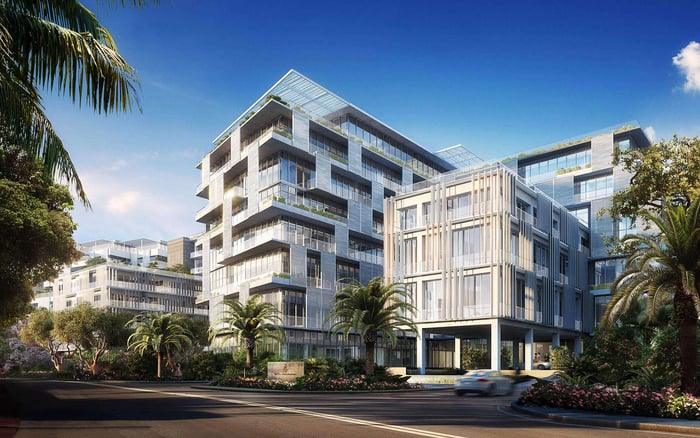
A buyer comparing residences such as Apogee South Beach, Continuum on South Beach, or The Ritz-Carlton Residences® South Beach should evaluate not only the beauty of the arrival, but also the choreography of an imperfect day.
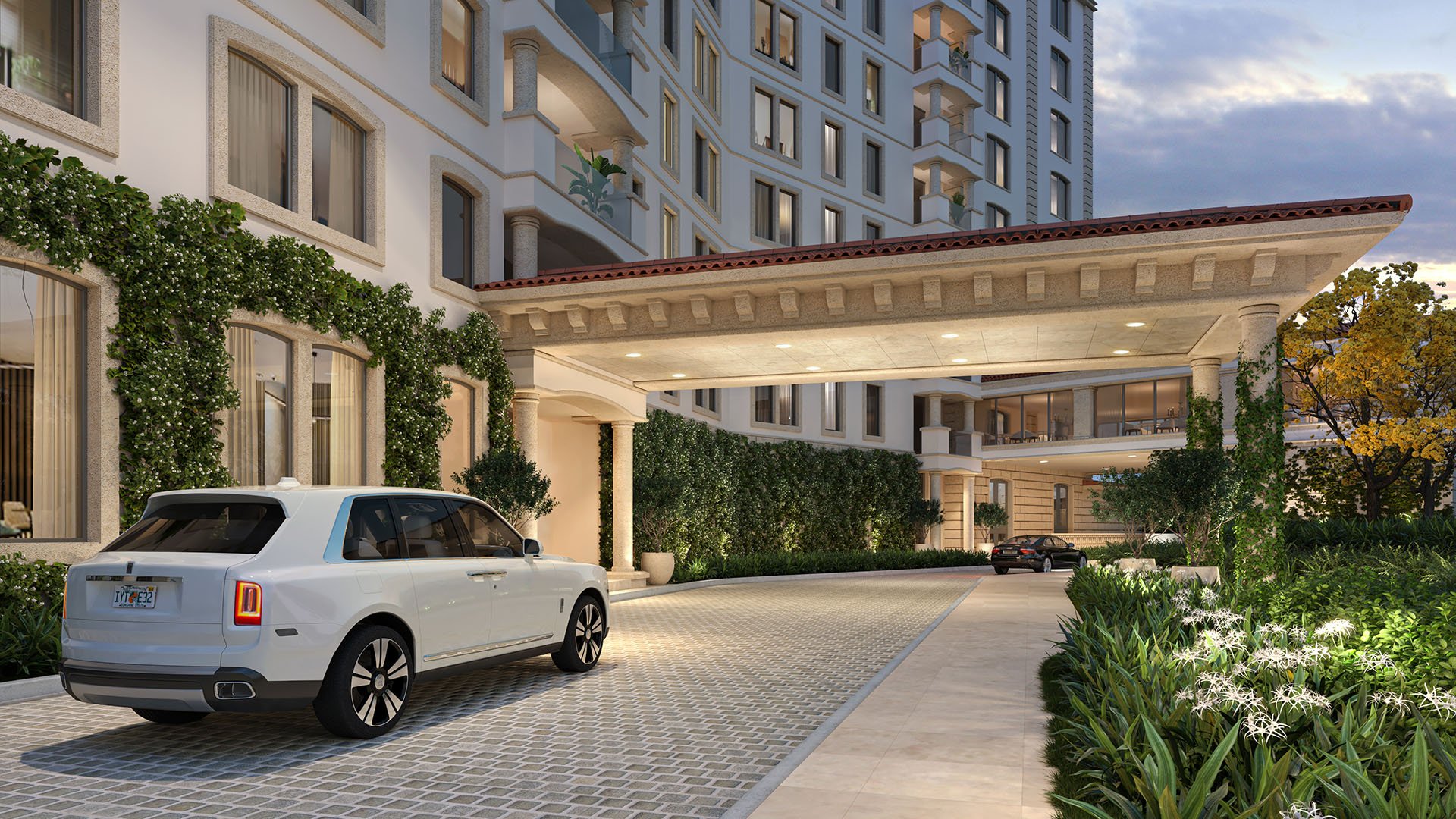
Storm-day livability begins before the front door. A buyer should study how vehicles approach the building, where water tends to collect on surrounding streets, how the porte cochere functions in heavy rain, and whether valet, self-parking, guest parking, and delivery areas remain intuitive under pressure. Even the most elegant lobby experience loses force if residents must navigate uncertainty each time the weather turns.
During due diligence, ask for a practical walkthrough of arrival routes. Where do residents enter if one approach is constrained? How are rideshare vehicles managed during rain? Are service entrances protected enough for luggage, groceries, staff, and caregivers? If the home will be used by family members, guests, or household staff, the answer must work for everyone, not only for the primary owner.
Garage placement also deserves attention. Buyers should understand whether assigned spaces are convenient to elevators, how drainage is handled, and what procedures exist when severe weather is forecast. The goal is not to eliminate every risk. It is to determine whether the building’s systems and management culture are disciplined, legible, and resident-minded.
Luxury buildings are not simply collections of residences. They are operating systems shaped by staff, equipment, vendors, boards, policies, reserves, communications, and institutional memory. On storm days, that operating system becomes visible.
Ask management how residents are notified before, during, and after major weather events. Are messages centralized? Are procedures documented? How are elevators, common areas, pool decks, amenity spaces, landscaping, and exterior furnishings secured? What is the protocol for residents who are traveling while their home is unattended? A polished answer should be specific without being theatrical.
Buyers should also request information about backup systems, maintenance history, insurance context, and capital planning through the appropriate transaction channels. The language of the conversation matters. Vague confidence is less useful than a clear explanation of what is maintained, who is responsible, and how quickly the building communicates when conditions change.
This is where established building culture can be as valuable as marble, millwork, or ceiling height. In Sofi, the address may be glamorous, but the hidden luxury is competent management.
Inside the unit, storm-day comfort is about sound, light, air, circulation, storage, and psychological ease. A home that feels spectacular in afternoon sun may feel very different during hours of rain and wind. Buyers should experience the residence at different times when possible, especially if the home has broad glass exposures, deep terraces, or direct waterfront orientation.
Listen carefully near window walls and terrace doors. Study how the living areas feel when exterior views are dramatic rather than tranquil. Consider whether bedrooms remain restful, whether the primary suite feels cocooned, and whether the kitchen, pantry, laundry, and storage areas support several days of staying in. A beautiful pied-à-terre may not need the same storm-day capacity as a primary residence, but the buyer should be honest about intended use.
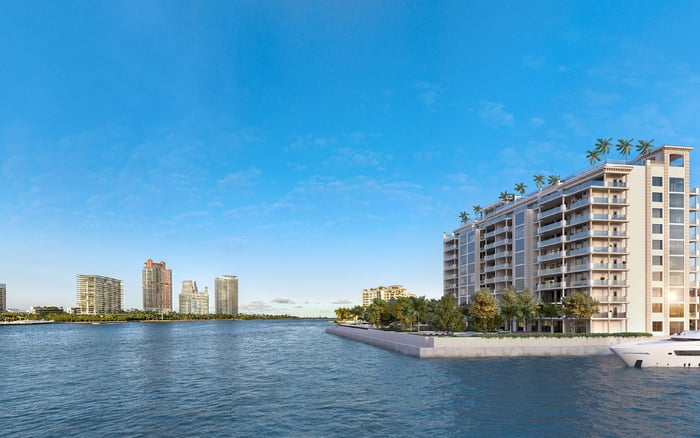
Terraces require particular discipline. Ask how furniture is secured, what residents are expected to remove, and whether the terrace remains an asset or becomes an obligation when weather shifts. Waterfront views can be magnificent, yet waterfront living is best purchased with clear eyes about exposure, maintenance, and house rules.
In a high-rise district, livability often turns on small sequences: elevator wait times, dog walks, package deliveries, pharmacy runs, gym access, and the ability to host or shelter guests comfortably. Storm days compress these routines and expose weak points.
For pet owners, ask where dogs are taken during sustained rain and how pet circulation is managed through the lobby and elevators. For families, consider whether children, older relatives, or visiting guests can move safely through the property. For owners who entertain, understand how building rules affect guests and vendors when conditions are unsettled.
The best South of Fifth purchase is not necessarily the most dramatic. It is the one whose everyday systems match the owner’s private rituals. This is why lifestyle due diligence matters. It turns abstract luxury into lived confidence.
South of Fifth has a distinct appeal: proximity to the water, a residential atmosphere, dining, parks, and a sense of separation from the busier stretches of Miami Beach. Still, buyers should compare storm-day livability across the broader market before deciding that one micro-location is the only correct answer.
A buyer who loves South Beach energy may also study Five Park Miami Beach for a different Miami Beach perspective, or consider The Ritz-Carlton Residences® Miami Beach when the desired lifestyle leans toward a quieter residential setting. These comparisons help separate emotional preference from practical fit.
South of Fifth is best understood as both a lifestyle choice and a performance question. The neighborhood’s appeal is deeply real, but the right acquisition should be tested against how the buyer actually lives on the least photogenic days of the year.
Before moving from admiration to negotiation, buyers should organize storm-day questions into five categories: access, operations, residence performance, personal routines, and ownership costs. That structure keeps the conversation elegant and efficient.
For access, focus on arrival routes, garage usability, valet procedures, loading areas, and guest logistics. For operations, review communication practices, staffing, building rules, backup systems, and exterior preparation. For residence performance, evaluate windows, doors, terraces, acoustics, storage, and layout. For routines, consider pets, children, staff, deliveries, medical needs, and remote work. For costs, use professional guidance to understand insurance, association obligations, maintenance planning, and any building-specific considerations relevant to the purchase.
The strongest buyers are not alarmist. They are precise. They know that coastal ownership rewards discernment, and they treat storm-day livability as part of the same luxury standard as architecture, service, privacy, and view.
Why should storm-day livability matter in South of Fifth? It reveals how the residence, building, and neighborhood function when comfort and access are under pressure.
Should I tour a property during bad weather? If possible, yes. A rainy-day visit can reveal arrival issues, acoustics, lobby flow, and interior comfort.
What should I ask building management first? Start with communication protocols, elevator procedures, garage practices, and preparation of common areas.
Are waterfront homes always harder to evaluate? They require more careful review because exposure, terraces, views, and exterior systems play a larger role.
How should pet owners evaluate storm-day living? Confirm pet routes, covered areas, elevator etiquette, and how the building handles wet-weather circulation.
Does a higher floor automatically mean better storm-day livability? Not automatically. Views may improve, but elevator dependence, wind exposure, and acoustics still matter.
What role does staff culture play? A disciplined staff can make storm preparation, resident communication, and recovery feel far more orderly.
Should second-home buyers ask different questions? Yes. They should focus on unattended-unit procedures, remote communication, access for vendors, and inspections.
How do I compare South of Fifth with other Miami Beach areas? Compare daily routines, access, building operations, exposure, and the kind of quiet or energy you prefer.
When should storm-day questions be raised? Raise them before contract, while there is still time to review documents, ask management, and calibrate risk.
To compare the best-fit options with clarity, connect with MILLION.
If branded residences are on your mind — as a home or as an allocation — we would be glad to share what we are seeing, privately.
Begin a quiet conversation