A buyer-focused guide to the five residence formats that best deliver private outdoor cooking, generous terrace living, and low-maintenance ownership in South Florida.
For many South Florida buyers, the ideal residence is no longer a choice between a full estate and a conventional condominium. The preference is more nuanced: a home with a true private outdoor kitchen, generous fresh-air living, and the freedom to leave for a season without managing landscape crews, pool vendors, gate repairs, roof work, or exterior upkeep.
That is the sweet spot this buyer is chasing. The residence must feel personal, private, and substantial, while the ownership experience remains simplified. It should support dinner outside after a day on the water, a quiet Sunday lunch on the terrace, or a catered evening without turning the owner into the operator of a small estate.
The best candidates are not defined by square footage alone. They are defined by outdoor utility, privacy, access, and maintenance structure. A balcony may photograph beautifully, but an outdoor kitchen requires more than a view. It needs room to cook, dine, circulate, store, and clean. It also needs enough separation from neighbors to feel like part of the home, rather than a shared amenity hovering outside the glass.
1. Garden residence - ground-level outdoor living
A garden residence is often the most intuitive answer for buyers who want a private outdoor kitchen without the obligations of a standalone house. The appeal is tactile: direct access to an outdoor room, the possibility of meaningful dining space, and a more grounded residential rhythm than a high-floor balcony can provide.
For this buyer, the priority is not simply having a grill. It is having an outdoor kitchen that functions as an extension of the interiors, with enough depth for seating, prep, and hosting. The best versions feel estate-like in daily use while allowing the building or association structure to absorb much of the exterior maintenance burden.
2. Penthouse terrace residence - privacy above the city or shoreline
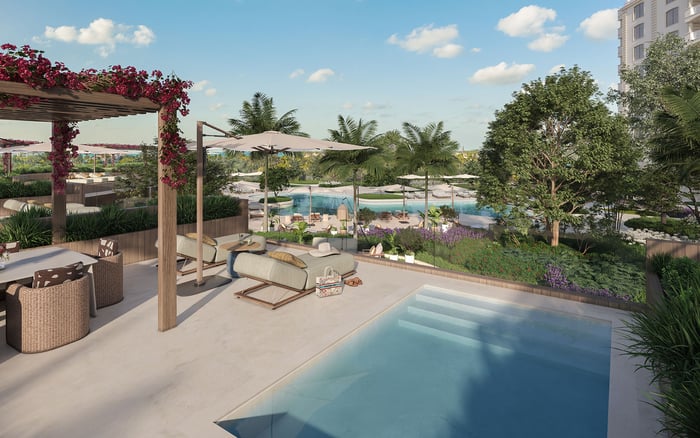
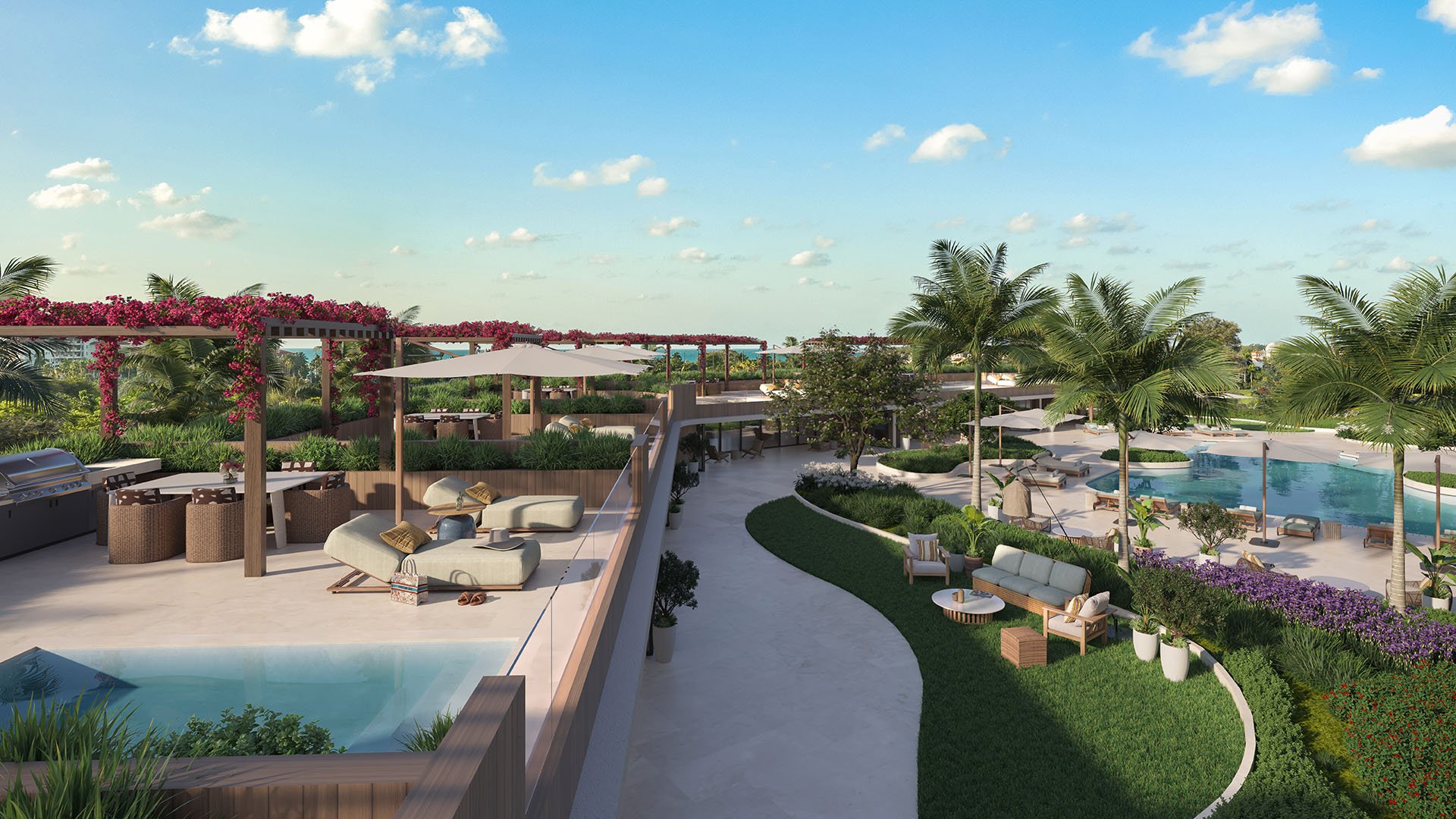
A penthouse terrace residence suits the buyer who wants outdoor cooking with a stronger sense of elevation and separation. It is especially compelling when the terrace can accommodate distinct zones for cooking, lounging, dining, and open-air entertaining.
The consideration is practicality. High-floor outdoor kitchens require careful attention to wind, shade, equipment placement, and how service teams access the terrace. When those details are resolved, the result is one of South Florida’s most desirable compromises: open-air entertaining with a lock-and-leave ownership profile.
3. Townhouse-style condominium - house feeling, managed exterior
The townhouse-style condominium is attractive because it borrows the spatial logic of a house while keeping the ownership structure closer to a managed residence. Buyers often respond to the layered feel: private entry, multiple living zones, and outdoor space that can support a more substantial cooking program.
This format is especially useful for buyers leaving larger single-family properties. It preserves the rituals they value, including grilling, dining outside, and hosting family, while reducing the friction of estate maintenance. The key is confirming how private outdoor areas are governed and how equipment, ventilation, and service responsibilities are handled.
4. Waterfront condominium with private terrace kitchen - view-driven entertaining
For many South Florida owners, the outdoor kitchen is inseparable from the view. Waterfront condominium residences with private terrace cooking can deliver the experience of dining by the bay, Intracoastal, ocean, or river while avoiding the responsibilities of seawall, dock, landscape, and exterior systems that often accompany estate ownership.
The strongest versions give the outdoor kitchen a natural relationship to the interior kitchen and dining room. That connection matters. If the outdoor cooking area is too remote from the main entertaining space, it becomes a novelty. If it is integrated, it becomes part of how the home is actually used.
5. Boutique low-rise residence - scale, discretion, and usable outdoor space
Boutique low-rise residences can be a persuasive fit for buyers who want privacy without the scale of a large tower. The appeal is less about spectacle and more about proportion. Fewer residences, calmer circulation, and a more residential arrival can make a private outdoor kitchen feel like part of a composed home rather than an amenity add-on.
This category is particularly relevant for buyers who value discretion. The outdoor kitchen should feel sheltered, not exposed, and the terrace should support everyday meals as comfortably as occasional entertaining. The best fit is a residence that combines quiet scale with a clear maintenance framework.
The search usually begins with lifestyle before it becomes architectural. In Brickell, the buyer may want a city base where a private terrace offsets the intensity of the skyline. A residence comparison that includes 2200 Brickell can help frame questions around urban convenience, outdoor usability, and how much private open-air space is enough for daily life.
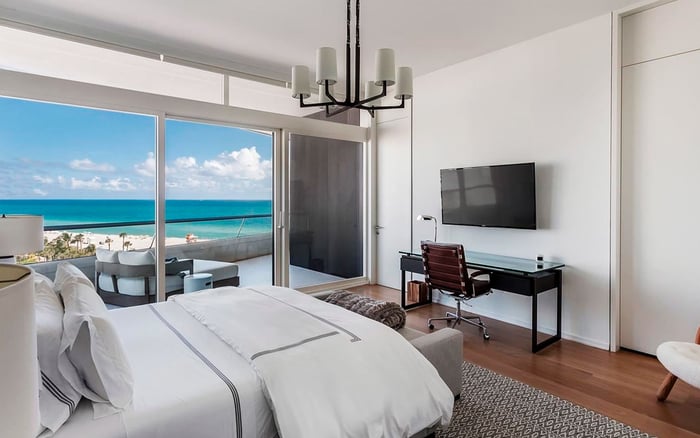
In Miami Beach, the conversation often shifts toward atmosphere: ocean breezes, resort adjacency, and the social ease of indoor-outdoor living. A buyer studying The Perigon Miami Beach may be thinking less about land ownership and more about whether the residence can deliver the calm of a private retreat with the polish of a serviced environment.
Coconut Grove attracts a different buyer psychology. Here, the appeal is canopy, neighborhood texture, and a softer relationship between architecture and landscape. Buyers looking at The Well Coconut Grove or Four Seasons Residences Coconut Grove may be drawn to outdoor living that feels residential, shaded, and intimate, without assuming the maintenance calendar of a large private estate.
A private outdoor kitchen should be evaluated with the same seriousness as an interior kitchen. Buyers should understand what is permitted, what is already installed, and what can be added later. Equipment rules, gas or electric allowances, venting, drainage, waterproofing, cabinetry materials, and enclosure restrictions can define the real usability of the space.
Privacy is equally important. A terrace that looks generous on a floor plan may feel exposed in person. Sightlines from neighboring residences, adjacent amenity decks, and nearby towers can change the experience. For buyers who plan to cook and host outdoors often, privacy is not decorative. It is functional.
Service access matters as well. If the owner expects catered events or regular maintenance of outdoor appliances, staff circulation and elevator access should be considered early. The best residences make entertaining feel effortless because the logistical paths are clear and discreet.
Finally, buyers should consider the pool and amenity relationship. A private outdoor kitchen does not need to compete with building amenities. Ideally, it complements them. The residence becomes the place for intimate meals and family rituals, while the shared amenities absorb the larger resort-style experiences.
The strongest candidate for this category is the buyer who values control but not chores. They want their own outdoor cooking and dining environment, not only a shared summer kitchen. They want the option to entertain at home without maintaining a full estate staff. They may travel frequently, own multiple homes, or simply prefer a cleaner division between private enjoyment and building-managed upkeep.
This is also a category where restraint pays. The most successful purchase is not necessarily the residence with the largest terrace. It is the one where the outdoor kitchen is legally permitted, sensibly placed, protected from the elements, private enough to use, and supported by a maintenance structure that matches the owner’s lifestyle.
In that sense, the search is not for the most extravagant outdoor space. It is for the most livable one.
What is the best residence type for a private outdoor kitchen? Garden residences, penthouses, and townhouse-style condominiums are often the most practical formats because they can offer meaningful private outdoor space with managed ownership.
Can a condominium terrace support a true outdoor kitchen? It can, but buyers should verify building rules, utility access, drainage, equipment permissions, and any restrictions before assuming an outdoor kitchen is possible.
Is a larger terrace always better? Not always. A smaller, well-planned terrace with privacy, shade, and good access may function better than a larger exposed space.
Why do buyers want outdoor kitchens without estate maintenance? They want the rituals of private-home living, such as cooking and dining outside, without managing the exterior responsibilities of a standalone estate.
Should buyers prioritize privacy or view? The best choice depends on lifestyle, but frequent outdoor cooks and hosts should give privacy equal weight with the view.
Are high-floor outdoor kitchens practical? They can be, provided wind, shade, equipment placement, and service access are addressed carefully.
What should buyers ask about maintenance? They should clarify who maintains terrace surfaces, planters, railings, equipment connections, waterproofing, and any exterior components tied to the outdoor kitchen.
Do shared summer kitchens replace a private outdoor kitchen? No. Shared amenities are useful, but they do not provide the same privacy, spontaneity, or control as an outdoor kitchen attached to the residence.
Which South Florida areas fit this lifestyle? Brickell, Miami Beach, Coconut Grove, waterfront enclaves, and select low-rise neighborhoods can all fit, depending on the buyer’s preferred pace and setting.
What is the most important due diligence point? Confirm that the outdoor kitchen is permitted, usable, maintainable, and aligned with the building’s rules before treating it as a defining feature.
For a confidential assessment and a building-by-building shortlist, connect with MILLION.
If branded residences are on your mind — as a home or as an allocation — we would be glad to share what we are seeing, privately.
Begin a quiet conversation