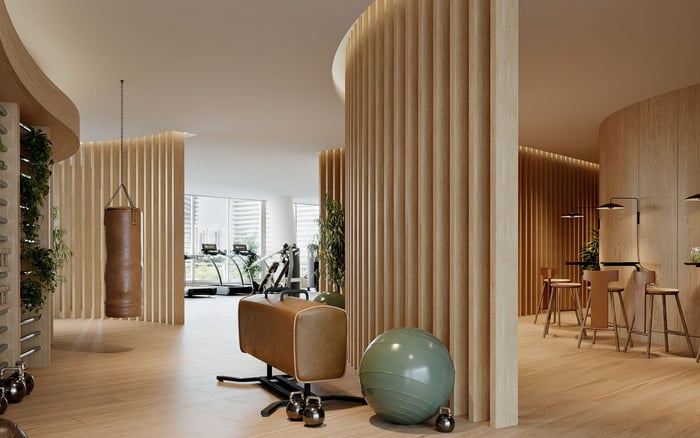
A buyer-focused guide to evaluating smoke, kitchen exhaust, odor control, and restaurant ventilation questions before purchasing in South Florida mixed-use towers.
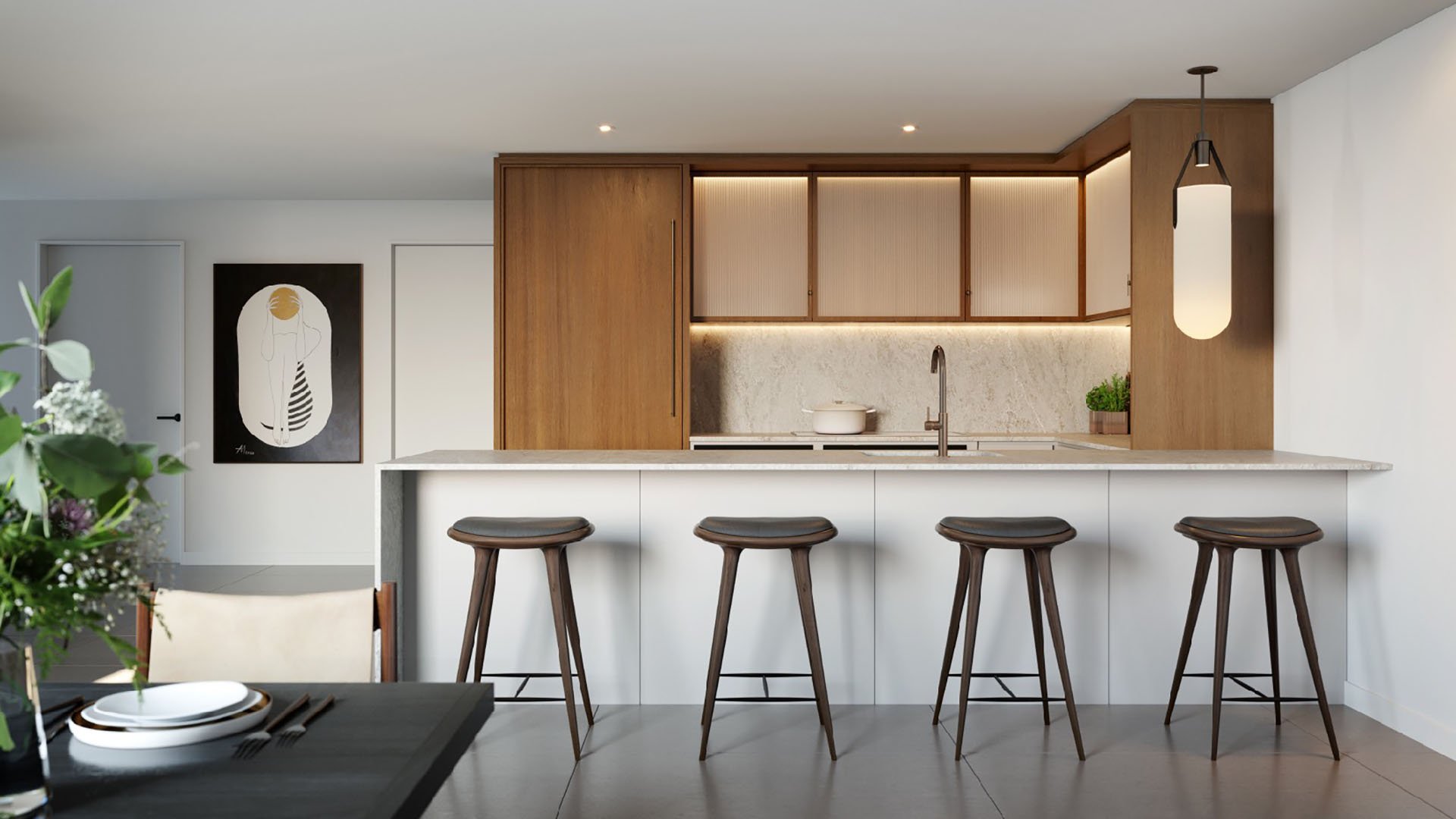
In South Florida, the most desirable residential towers often place private homes within a broader urban composition: dining rooms at grade, wellness spaces in the podium, valet circulation, service areas, terraces, amenity decks, and residences rising above it all. That blend can be elegant, convenient, and deeply metropolitan. It also makes smoke, kitchen exhaust, and restaurant ventilation a serious due diligence topic for luxury buyers.
The question is not whether a building includes commercial energy. Many refined addresses do. The more important question is whether the mechanical planning protects the residential experience with the same care given to stone selection, ceiling heights, and waterfront views. Air is part of the architecture. When it is handled well, owners rarely think about it. When it is handled poorly, it can affect balconies, corridors, arrival areas, amenity decks, and the sense of retreat that defines a high-value home.
For buyers comparing Brickell residences such as 2200 Brickell, Cipriani Residences Brickell, or other urban towers, the most productive approach is not alarm. It is precision. Ask disciplined questions early, request written responses, and understand how the building intends to separate restaurant operations from residential life.
The first question is simple: where does the kitchen exhaust go? A refined answer should describe the route from the cooking area to the point of discharge, including whether the system is dedicated to the food and beverage tenant or shared with other uses. Buyers do not need to become mechanical engineers, but they should understand whether exhaust passes near residences, terraces, amenity decks, or air intakes.
Ask whether exhaust discharge locations are above, below, or beside residential outdoor space. Ask whether prevailing conditions were considered in placement. Ask whether future restaurant tenants are limited in the type of cooking equipment they can install. A quiet café, a chef-driven concept, and a high-volume kitchen may create different operational demands, so the lease and building rules matter as much as the drawings.
In new-construction purchasing, request the most current narrative from the developer, design team, or property management rather than relying only on renderings. Renderings sell atmosphere. Mechanical narratives explain how that atmosphere is protected.
Odor control should not be addressed with a vague assurance that the building is luxury. Ask what filtration, treatment, or maintenance practices are contemplated for restaurant exhaust. Ask who owns the system, who services it, and how often it is inspected or cleaned. Ask whether complaints are logged and escalated through a defined procedure.
The best conversations distinguish between design intent and operating discipline. A system may be thoughtfully planned, but the experience still depends on tenant compliance, maintenance budgets, access protocols, and management oversight. Buyers should ask whether the condominium documents, commercial lease provisions, or house rules address odor, smoke, grease, after-hours operation, and equipment changes.
For owners considering a tower with an active food and beverage identity, such as the lifestyle conversation surrounding ORA by Casa Tua Brickell, the key is to separate ambiance from infrastructure. Restaurants can be a powerful amenity. They should not become an unmanaged mechanical variable.
South Florida buyers often prize outdoor space as much as interior volume. A terrace, whether private or shared, deserves specific ventilation questions. Ask whether any exhaust discharge, makeup air intake, generator vent, garage exhaust, or service area is positioned near the outdoor areas you expect to use most.
If purchasing a residence with a large balcony, visit at different times if possible, especially during restaurant service hours. Stand near doors, corners, and railings. Ask where smells would likely be noticed if a kitchen were running at full intensity. Also ask whether the building has restrictions on outdoor cooking by residents, because residential grills, restaurant kitchens, and neighboring terraces can create overlapping odor patterns.
In waterfront and coastal settings, buyers often focus on view corridors and sun exposure. Add air movement to that checklist. A beautiful exposure should be evaluated not only for what it sees, but for what it breathes.
Smoke and odor questions are not confined to the restaurant stack. Ask how the building maintains separation between commercial areas, parking, back-of-house corridors, service elevators, loading zones, and residential lobbies. The practical issue is whether air from one zone can migrate into another under normal operations.
Buyers should ask whether residential corridors, elevator lobbies, and amenity spaces are mechanically separated from restaurant and service zones. Ask how doors, vestibules, shafts, and transfer openings are controlled. Ask whether staff routes cross residential routes and whether service elevators are dedicated or shared. The more complex the building, the more important these invisible boundaries become.
This is particularly relevant in dense urban neighborhoods where a buyer may be weighing the convenience of a lively podium against the privacy expected from a luxury residence. The goal is not sterility. It is hierarchy: public energy below, residential calm above.
A polished sales presentation is useful, but written answers are better. Before contract deadlines pass, request a concise response to five questions: where restaurant exhaust is routed, where it discharges, how odors are controlled, who maintains the system, and what rules govern future changes by commercial tenants.
If the restaurant tenant is not yet selected, ask what assumptions were used for the space. If the tenant is selected, ask whether its kitchen program has been reviewed against the building systems. If the commercial space may change hands later, ask what approvals are required before a new operator modifies cooking equipment, exhaust volumes, filtration, or hours.
Buyers comparing a highly vertical address such as The Residences at 1428 Brickell with lower-scale or boutique alternatives should also consider unit position. The same tower can offer very different experiences depending on elevation, orientation, and proximity to podium functions.
For a significant purchase, ventilation should be discussed with the professionals already protecting the transaction. A broker can help frame practical questions for the sales team or property manager. An attorney can review whether the documents address nuisance, maintenance obligations, commercial tenant controls, and owner remedies. If concerns remain, a qualified building consultant can interpret mechanical responses before the buyer proceeds.
Discretion matters. The strongest buyers do not create drama around technical questions. They ask calmly, document the answers, and judge whether the building’s operations match the level of residence they are buying. In a market where design, hospitality, and branded experiences are increasingly intertwined, the best luxury feels effortless precisely because hard systems have been considered in advance.
Should I avoid mixed-use towers with restaurants? Not necessarily. The better question is whether the building has clear separation, disciplined maintenance, and written controls for restaurant ventilation.
What is the first ventilation question to ask? Ask where kitchen exhaust travels and where it discharges in relation to residences, terraces, amenity decks, and air intakes.
Can odor issues appear after a building opens? Yes. Operations can matter as much as design. Tenant changes, maintenance practices, and cooking intensity can all affect the owner experience.
Should I ask about future restaurant tenants? Yes. If the tenant is unknown, ask what limits apply to equipment, cooking style, exhaust needs, and operating hours.
Are higher floors always safer from exhaust concerns? Not always. Elevation helps in some scenarios, but orientation, discharge location, and air movement should also be reviewed.
Do terraces require separate due diligence? Yes. Outdoor areas should be checked for proximity to exhaust discharge, service zones, garage vents, and other mechanical elements.
Who should answer my technical questions? Request answers from the developer, property manager, association representative, or design team, then have your advisor review them.
Can condominium documents help? They may. Look for language addressing nuisance, commercial operations, maintenance obligations, access rights, and owner remedies.
Is a verbal assurance enough? For an important purchase, written responses are preferable. They create clarity before contract deadlines, inspections, or closing.
What is the luxury standard for ventilation? The standard is not simply absence of odor. It is a residential environment where public energy and private calm remain clearly separated.
For a confidential assessment and a building-by-building shortlist, connect with MILLION.
If branded residences are on your mind — as a home or as an allocation — we would be glad to share what we are seeing, privately.
Begin a quiet conversation.jpg&width=700&height=438&fit=cover)