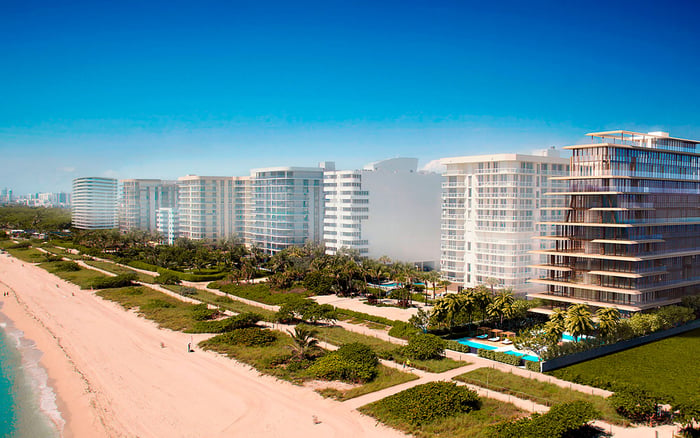
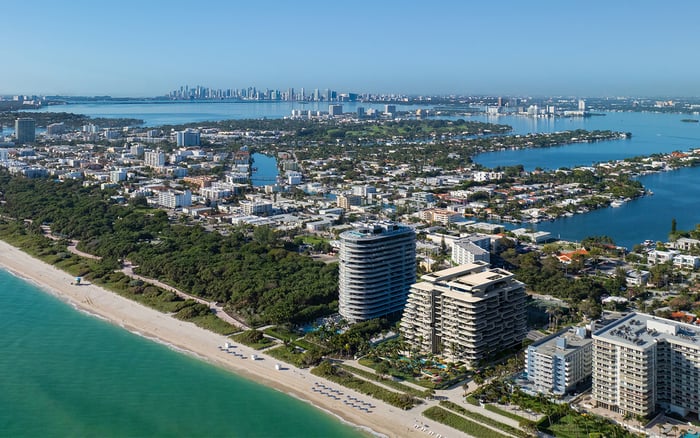
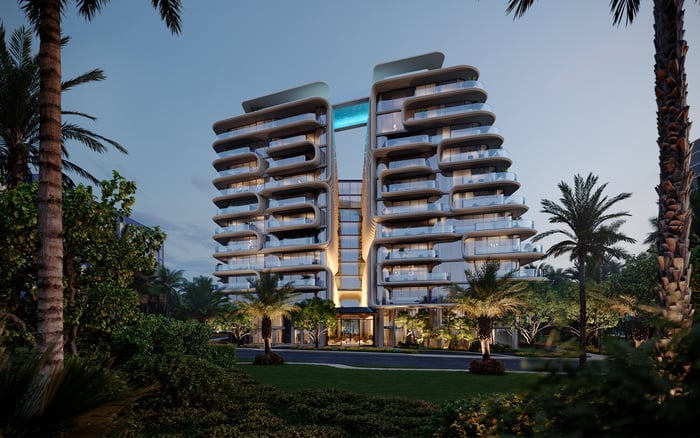
A discreet buyer’s checklist for evaluating The Delmore Surfside, focused on architectural provenance, oceanfront resilience, regulatory diligence, and long-term value beyond views.
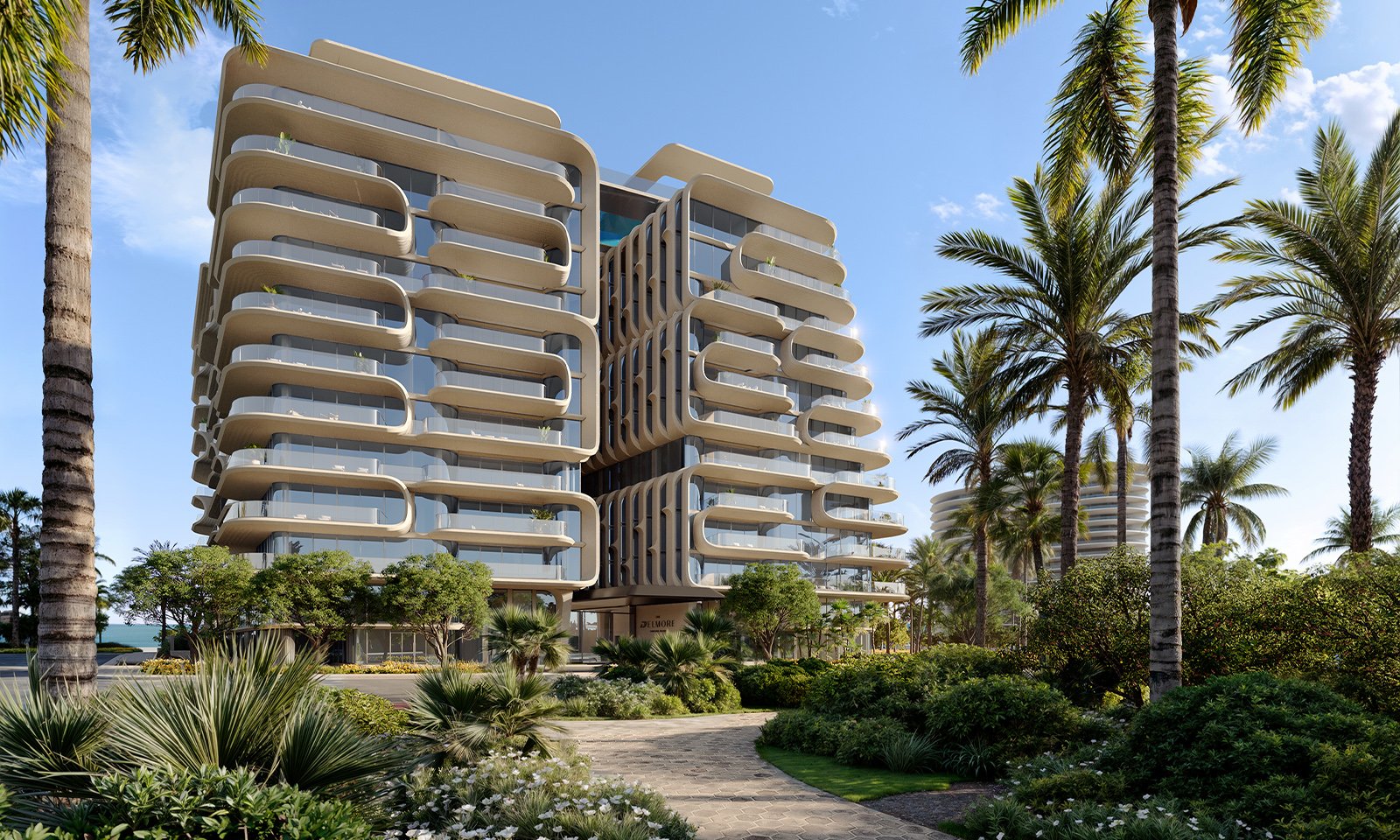
The Delmore Surfside asks buyers to look beyond the familiar vocabulary of premium finishes, private terraces, and uninterrupted blue horizons. Its proposition is more exacting: a rare position on the sand in Surfside, where beachfront scarcity, architectural identity, and long-term coastal performance converge. For the MILLION reader, The Delmore Surfside belongs to a narrow Surfside conversation: oceanfront ownership with direct beach access, boutique discretion, and an investment thesis that depends on more than view corridors.
That distinction matters. On the sand, beauty is only one dimension of value. Salt air, wind, humidity, insurance, coastal rules, and envelope performance all become part of the purchase. A residence can feel effortless during a showing, yet still demand rigorous inquiry behind the walls, under the slab, across the glazing system, and within the association documents. The buyer’s task is not simply to decide whether the property is luxurious, but to determine whether its rarity is durable.
In Surfside, comparisons may naturally include The Delmore Surfside alongside neighboring oceanfront names such as Arte Surfside and Fendi Château Residences Surfside. Yet the correct lens is not brand comparison alone. It is a disciplined checklist for provenance, structure, resilience, governance, and future cost.
Architectural rarity should be documented, not assumed. A buyer should confirm the architect, design concept, construction era, and any stated design significance through offering materials, legal documents, public records where applicable, and professional review. If the residence is positioned as architecturally distinctive, the diligence file should explain why.
The key question is whether the architecture creates enduring value or simply delivers attractive presentation. Does the design respond intelligently to the oceanfront site? Are the proportions, circulation, indoor-outdoor transitions, and material choices coherent? Are distinctive features protected, maintainable, and compatible with future renovations? A rare architectural idea can support long-term desirability, but it can also create higher preservation costs if custom elements require specialized repair.
This is where buyers should separate atmosphere from evidence. A beachfront residence may have cinematic views, but architectural rarity lives in authorship, execution, proportion, and durability. Treat provenance as seriously as square footage.
A standard residential inspection is not enough for an oceanfront purchase exposed to salt air, wind, and coastal weathering. Buyers should retain a structural engineer with direct oceanfront-property experience. The review should include foundation condition, concrete condition, roof integrity, window systems, HVAC durability, electrical systems, and plumbing resilience.
Salt-air corrosion deserves specific attention. Metal components, concrete reinforcement, railings, fixtures, fasteners, exterior equipment, and façade systems can deteriorate in ways that are not obvious during a polished tour. Even a pristine surface can conceal deferred maintenance if the building envelope has been stressed by years of coastal exposure.
The engineer’s role is not to create anxiety. It is to price reality. A rare sandfront address can justify premium valuation, but only when the buyer understands the capital required to preserve that rarity. In a market where comparable beachfront opportunities are limited, the most sophisticated buyers do not waive diligence. They deepen it.
For The Delmore Surfside, the ocean is both the asset and the test. Environmental resilience should be a primary checklist category. Buyers should ask about hurricane performance, water intrusion history, exterior envelope condition, glazing systems, roof performance, and long-term exposure to coastal weather.
The most valuable views are protected by the least glamorous systems: seals, membranes, drainage, flashing, waterproofing, impact-rated openings where applicable, mechanical resilience, and maintenance protocols. If the exterior envelope has experienced repeated intrusion, repairs should be evaluated by professionals rather than accepted as cosmetic explanations.
This is also a useful moment to compare how different South Florida beachfront buildings communicate resilience. In the broader coastal set, properties such as Eighty Seven Park Surfside and 57 Ocean Miami Beach may enter a buyer’s mental map, but each asset still requires its own technical review. Oceanfront living is never generic.
Regulatory compliance is not peripheral in beachfront ownership. Zoning, coastal rules, insurance requirements, association controls, renovation limits, and permitting realities can all affect value. A buyer considering significant alterations should verify what is legally and physically possible before closing, not after an ambitious designer has been retained.
This is especially important when architectural distinction is part of the appeal. Alterations that improve livability may also compromise design integrity. Conversely, restrictions that preserve architectural character may limit personalization. Either outcome can be acceptable, but neither should be a surprise.
A strong diligence package should include legal review of governing documents, insurance obligations, reserve expectations, maintenance responsibilities, and any rules affecting terraces, exterior elements, windows, mechanical systems, and interior renovations. The sandfront lifestyle is simple only when the paperwork is understood.
The market value of The Delmore Surfside should be analyzed in layers. First is land scarcity: true beachfront positioning in an exclusive coastal community is inherently limited. Second is architectural distinction: the property’s design identity, authorship, and execution. Third is condition: the present state of structural, mechanical, envelope, and common-area systems. Fourth is future obligation: insurance, reserves, repairs, and the cost of preserving significant features.
A buyer who blends these into a single emotional premium risks overpaying for what should be separately evaluated. A buyer who studies them individually can make a more confident decision. The goal is not to diminish the romance of the oceanfront setting. It is to understand exactly what portion of the price is being paid for sand, architecture, condition, and optionality.
Nearby and adjacent-area properties, including Ocean House Surfside and The Surf Club Four Seasons Surfside, can help frame the broader Surfside luxury context, but no comparison should replace project-specific review. In rare real estate, nuance is the asset class.
Before relying on any marketing language, buyers should confirm current project details, pricing, documents, legal disclosures, association information, insurance position, and any relevant construction or maintenance representations directly with the appropriate parties. In an ultra-premium transaction, verbal confidence is not a substitute for documentary clarity.
The checklist should include purchase documents, budgets, reserve information, insurance materials, maintenance history, engineering comments, renovation rules, and disclosure packages. Where the residence is described as rare, the file should support that claim. Where the beachfront setting is presented as the value driver, the inspection record should support the building’s ability to endure that setting.
Long-term appreciation potential should be evaluated alongside carrying costs. Insurance, assessments, repair reserves, and preservation expenses are part of the ownership experience. The best buyer is not the one most captivated by the view, but the one who understands the full cost of keeping that view protected.
The Delmore Surfside is best approached as a rare coastal asset with a technical checklist, not simply as a beautiful residence on the sand. Its appeal lies in the combination of Surfside exclusivity, oceanfront scarcity, and potential architectural distinction. Its complexity lies in those same elements.
For qualified buyers, the correct posture is elegant skepticism: admire the setting, then verify the structure; appreciate the design, then document its provenance; consider appreciation, then model carrying costs. On the sand, the most refined luxury is confidence.
Why does architectural rarity matter at The Delmore Surfside? It can influence desirability, resale positioning, and preservation obligations, but buyers should verify the basis for any architectural claim.
Is a standard home inspection enough for an oceanfront purchase? No. A structural engineer with oceanfront-property experience should review concrete, foundation, roof, windows, systems, and corrosion exposure.
What is the biggest technical risk on the sand? Salt-air corrosion and water intrusion are central concerns because they can affect metal, concrete reinforcement, exterior systems, and mechanical components.
Should buyers verify hurricane performance? Yes. Hurricane readiness, glazing, roof integrity, envelope condition, and prior water intrusion should all be reviewed before purchase.
How should value be analyzed? Separate beachfront land scarcity from architectural distinction, present condition, future maintenance, insurance, and repair reserves.
Can a buyer freely renovate a beachfront residence? Not always. Coastal rules, zoning, permitting, association documents, and architectural constraints may limit what can be changed.
What documents should be reviewed before closing? Buyers should review legal disclosures, budgets, insurance materials, maintenance history, association rules, reserves, and renovation guidelines.
Does rarity always mean lower ownership risk? No. Rarity can increase desirability, but it can also increase complexity, preservation costs, and the need for specialized review.
How should buyers treat marketing language? Treat it as a starting point. Confirm pricing, project details, documents, disclosures, and condition directly before relying on any representation.
Who is the ideal buyer for this type of property? A buyer who values oceanfront scarcity and architectural character, while also accepting the discipline of technical and legal diligence.
If you'd like a private walkthrough and a curated shortlist, connect with MILLION.
If branded residences are on your mind — as a home or as an allocation — we would be glad to share what we are seeing, privately.
Begin a quiet conversation