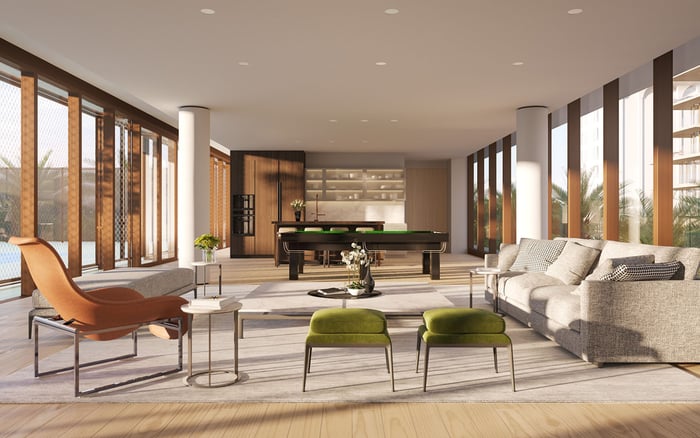
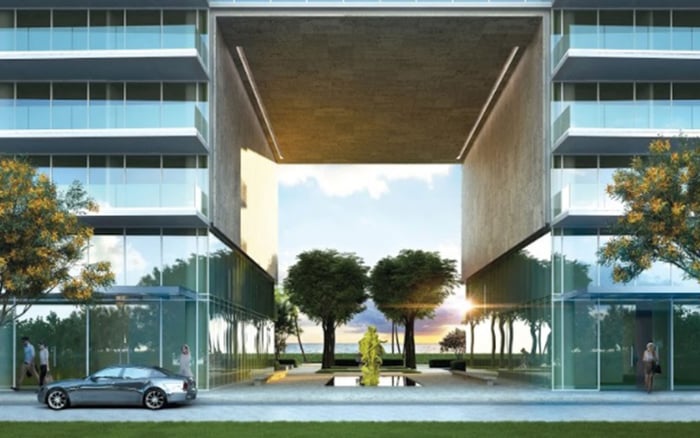
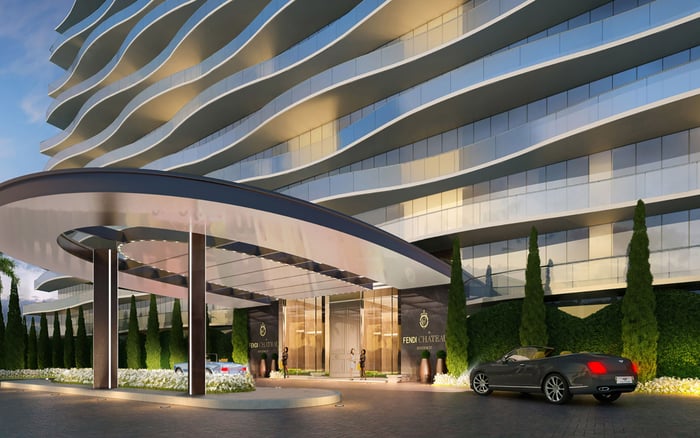
A discreet buyer’s guide to five Miami-area residences that offer a calmer counterpoint to Brickell, with emphasis on neighborhood character, privacy, access, and long-term livability.
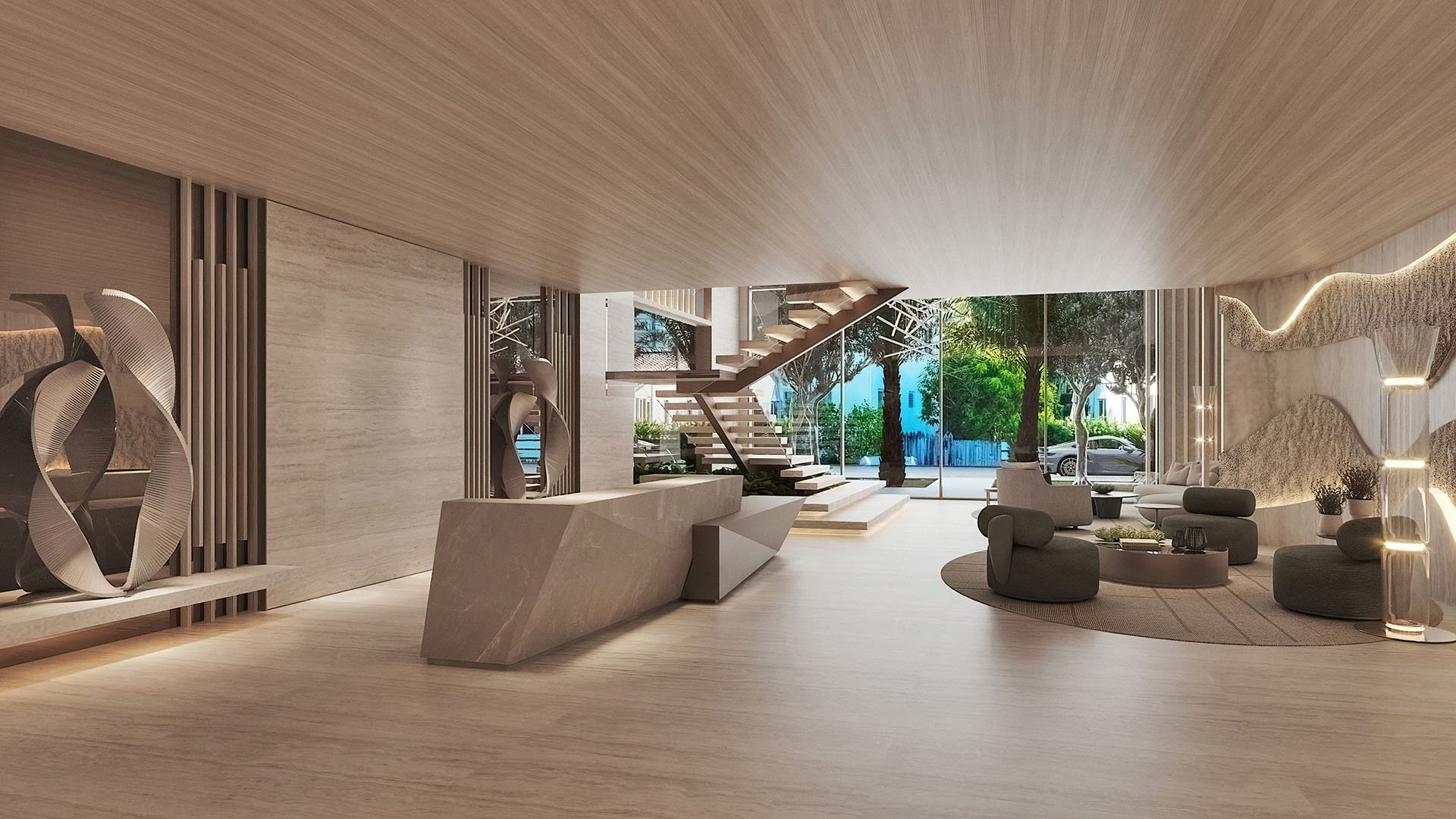
Brickell remains Miami’s most recognizable vertical business district, but not every luxury buyer wants to live inside its daily tempo. For many, the more compelling brief is quieter: architectural integrity, privacy on arrival, calmer streets, access to water or greenery, and a neighborhood that remains connected to Miami without being absorbed by its busiest corridors.
That search does not require leaving the city’s cultural orbit. It requires choosing the right pocket. Coconut Grove offers a leafy, residential rhythm. Coral Gables brings civic formality and a composed village sensibility. Bay Harbor Islands and Surfside appeal to buyers who want proximity to the beaches without the intensity of larger resort corridors. Key Biscayne remains one of the clearest choices for those who value a more retreat-like daily routine.
The following five residences are best understood as alternatives in mood rather than replacements in function. They are for buyers who may dine, work, or entertain in Brickell, yet prefer to return to somewhere softer, quieter, and more private.
1. Arbor Coconut Grove - Coconut Grove
Arbor Coconut Grove leads this list because Coconut Grove has long appealed to buyers who want Miami with more shade, texture, and residential ease. The neighborhood’s identity is less about spectacle than atmosphere, which makes it especially persuasive for end users seeking a slower daily cadence.
For buyers leaving Brickell’s pace, the Grove offers a meaningful psychological reset. The appeal is not only quiet, but also continuity: a sense that home life can feel grounded while still remaining connected to the broader city.
2. Cora Merrick Park - Coral Gables
Cora Merrick Park is a natural fit for buyers who want a calmer, more ordered environment. Coral Gables has a distinct sense of civic polish, and the Merrick Park area gives residents a refined alternative to the density and immediacy of Brickell.
The draw is balance. Buyers can seek privacy and composure without giving up access to dining, retail, and established residential streets. For those who prefer elegance without constant motion, this is a compelling shift.
3. Origin Bay Harbor Islands - Bay Harbor Islands
Origin Bay Harbor Islands belongs on the list for buyers who want a quieter island setting while staying close to Miami Beach and the northern luxury corridor. Bay Harbor Islands is often considered by those who want a more discreet residential address rather than a high-visibility resort environment.
The area’s appeal lies in its scale. It can feel intimate and less performative, which matters to buyers who value privacy, understated arrivals, and a neighborhood that does not announce itself too loudly.
4. Ocean House Surfside - Surfside
Ocean House Surfside represents the Surfside proposition: coastal living with a quieter edge. Buyers drawn here are often looking for beach proximity without the larger, louder energy associated with more heavily trafficked waterfront areas.
Surfside works well for those who want daily calm to shape the purchase decision. The address can support a lifestyle centered on walks, water, and privacy, while keeping the broader Miami Beach ecosystem within reach.
5. Oceana Key Biscayne - Key Biscayne
Oceana Key Biscayne completes the ranking as the most retreat-oriented choice. Key Biscayne is suited to buyers who want distance from the daily compression of Brickell while still remaining within Miami’s luxury map.
The value proposition is lifestyle clarity. For the right buyer, the appeal is not simply quieter nights; it is a more composed way of structuring the entire day, from morning routines to weekend entertaining.
Quiet luxury in Miami is rarely about isolation. It is about reducing friction. The strongest alternatives to Brickell are places where arrival feels easier, the surrounding streets feel more residential, and the building’s presence does not depend on constant urban theater.
Coconut Grove is the benchmark for that softer Miami experience. A buyer considering Arbor Coconut Grove is usually not trying to replicate Brickell. They are looking for a different emotional register: more greenery, more neighborhood texture, and a sense of privacy that begins before the front door.
Coral Gables answers a different version of the same question. It is not beach-first and not skyline-first. A residence such as Cora Merrick Park fits buyers who want elegance, order, and convenience without centering their lives around the office-tower rhythm of the urban core.
Bay Harbor Islands and Surfside bring the conversation closer to the water. Origin Bay Harbor Islands speaks to buyers who want an island address with a more understated personality, while Ocean House Surfside suits those who prefer a coastal setting that feels residential rather than relentlessly social.
For a buyer who wants the most definitive break from Brickell’s intensity, Oceana Key Biscayne offers the clearest retreat mindset. Key Biscayne is often less about being near everything and more about being precisely where the owner wants to be.
A quieter alternative should be evaluated through a different lens than a trophy tower in a dense urban district. The first question is not height or skyline visibility. It is how the residence feels at 7 a.m., how the approach works after dinner, and whether the surrounding neighborhood supports a calmer pattern of living.
Privacy begins outside the unit. Study the street condition, the arrival sequence, the lobby experience, and how the building meets its neighborhood. In quieter luxury markets, discretion can be more important than drama.
Access still matters. The ideal residence should feel removed without feeling remote. Buyers should consider commute patterns, airport routines, school or club proximity where relevant, and how often they realistically need to be in Brickell, Downtown, Miami Beach, or the Design District.
Resale should also remain part of the conversation. Neighborhoods with clear identities tend to hold buyer attention because they are easy to understand. Coconut Grove, Coral Gables, Surfside, Bay Harbor Islands, and Key Biscayne each tell a distinct story, which is helpful when a future purchaser is comparing lifestyle rather than merely square footage.
The strongest candidates for these residences are not necessarily anti-Brickell. Many appreciate Brickell’s restaurants, offices, hotels, and connectivity. They simply do not want that intensity to define home.
This is the buyer who values a quiet elevator ride, a softer streetscape, and a residence that can host well without broadcasting. They may prefer dinner in the city but coffee in a village setting. They may want water nearby, but not a constant resort current. They may be moving from a single-family home and want condominium ease without losing the sense of privacy that made the house appealing in the first place.
For that buyer, the quieter alternative is not a compromise. It is often the more sophisticated decision.
What makes a residence a quieter alternative to Brickell? It usually combines a calmer neighborhood setting, a more discreet arrival experience, and a lifestyle that feels residential rather than constantly urban.
Is Coconut Grove a good choice for buyers leaving Brickell? Yes. Coconut Grove appeals to buyers who want greenery, neighborhood texture, and a more relaxed Miami rhythm while staying connected to the city.
Why consider Coral Gables instead of Brickell? Coral Gables offers a more composed residential environment, with a sense of order and refinement that contrasts with Brickell’s high-energy vertical setting.
Is Surfside quieter than Miami Beach? Surfside is often favored by buyers who want coastal proximity with a more residential feel than busier beach corridors.
Who is Bay Harbor Islands best suited for? Bay Harbor Islands works well for buyers seeking an understated island setting close to Miami Beach, Bal Harbour, and the northern coastal market.
Is Key Biscayne too removed for a Miami buyer? It depends on the buyer’s routine. For those who prioritize retreat, privacy, and a calmer daily pattern, Key Biscayne can be highly compelling.
Should quieter buyers avoid Brickell entirely? Not necessarily. Many buyers still use Brickell for work, dining, or entertaining while choosing to live in a calmer nearby neighborhood.
Are these options better for end users or investors? They are especially appealing to end users because neighborhood feel, privacy, and daily livability are central to the decision.
What should I tour first when comparing these residences? Begin with the neighborhood and arrival experience, then evaluate the residence itself. Quiet luxury is shaped as much by context as by interiors.
Which area feels most like a retreat? Key Biscayne generally offers the clearest retreat sensibility, while Coconut Grove and Surfside provide quieter lifestyles with different neighborhood characters.
For a confidential assessment and a building-by-building shortlist, connect with MILLION.
If branded residences are on your mind — as a home or as an allocation — we would be glad to share what we are seeing, privately.
Begin a quiet conversation