A discreet guide for New York buyers evaluating West Palm Beach residences through the lens of private elevators, arrival control, service circulation, and everyday privacy.
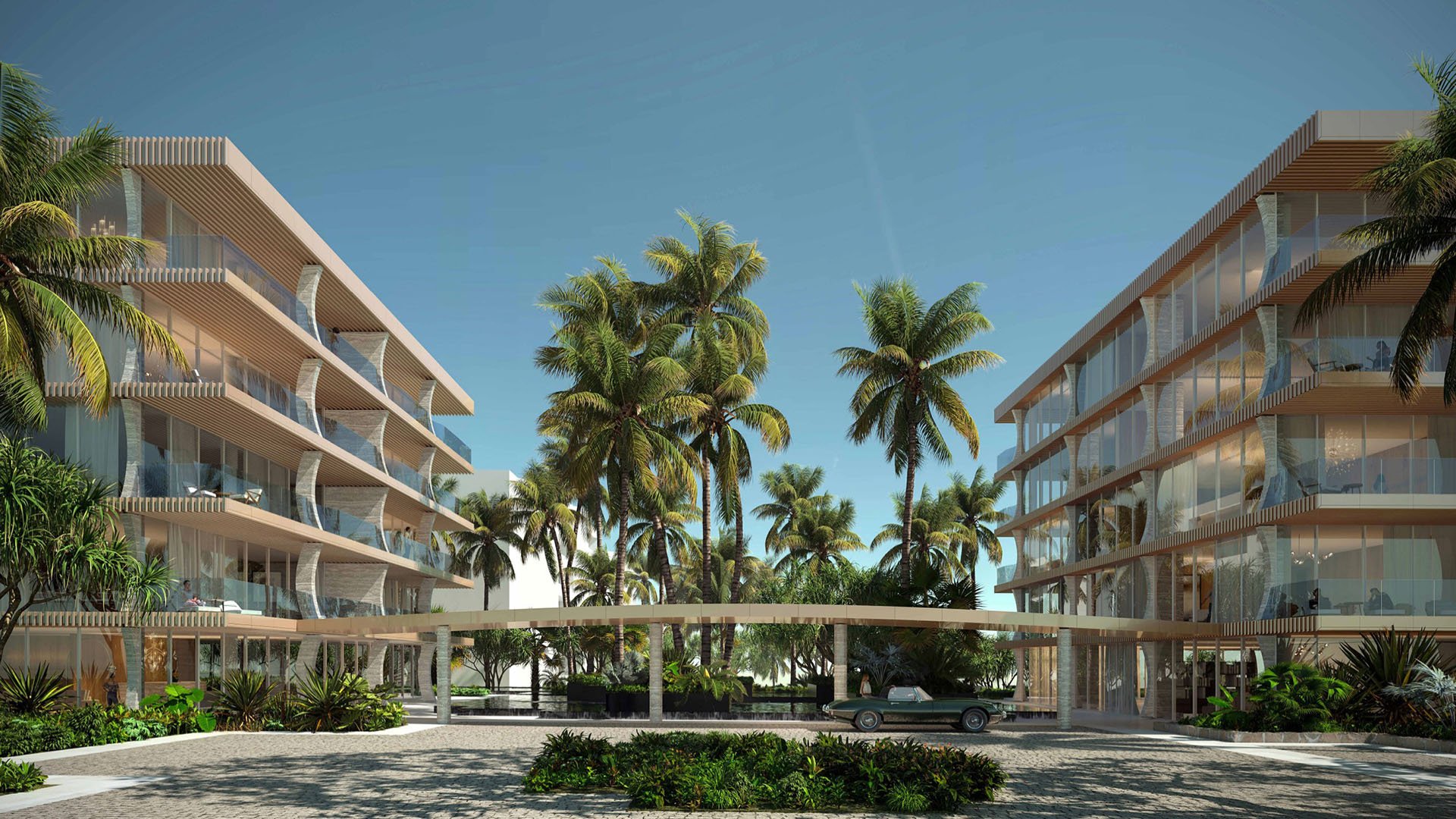
For many New York buyers, the move to West Palm Beach is not simply a change of climate. It is a change in the choreography of daily life. The elevator no longer functions as a shared urban necessity. The lobby no longer needs to perform as social theater. The garage, valet, doorman, service corridor, and private elevator become part of one larger question: how controlled is the arrival from street to residence?
In Manhattan, privacy is often managed through staff, building protocol, and the discipline of vertical living. In West Palm Beach, the expectation can be softer, but no less exacting. A buyer may want the convenience of condominium living, the ease of a lock-and-leave residence, and the dignity of an arrival sequence that does not announce every movement. That is why private elevators, semi-private elevator vestibules, direct-access parking, secure service circulation, and discreet guest management now sit near the top of the luxury checklist.
A private elevator is a feature. Controlled arrival is a system. The distinction matters.
A private elevator may open into a residence, a vestibule, or a dedicated foyer, depending on the building and floor plan. But the buyer should ask what happens before that moment. Is the garage experience calm? Is valet movement visible from the main entry? Are service deliveries separated from owner arrival? Is there a point where residents and guests converge? Does the elevator access feel residential, or does it still feel like part of a larger public building?
This is where a showing should slow down. Walk the route as you would live it: returning from dinner, arriving with luggage, receiving family for a weekend, stepping in after a late flight, or meeting a driver at the curb. The right building should make each scenario feel natural, unforced, and private.
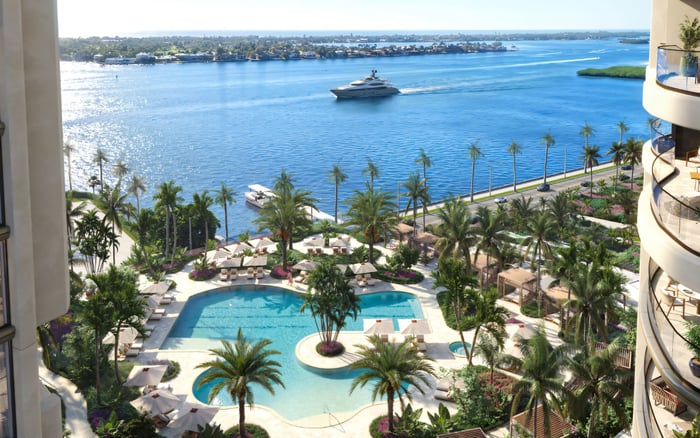
West Palm Beach appeals to buyers who want Palm Beach proximity, cultural access, dining, boating, waterfront walks, and a calmer residential rhythm. Yet the city is not a single product. Some buyers prioritize a waterfront outlook and a sense of openness. Others want urban convenience and a short, polished path from car to elevator. Some prefer boutique scale. Others want a larger amenity program, provided the owner journey remains composed.
When reviewing residences such as Alba West Palm Beach, the conversation should extend beyond views and finishes into how the building receives its residents. The strongest choices are often those where architecture, staffing, and circulation work together so the owner does not have to think about privacy at all.
The best arrival test begins at the curb rather than inside the residence. Notice how a car approaches. Look at sightlines from the street. Consider whether guests, residents, vendors, and staff use the same points of entry. Ask how the building handles packages, catering, maintenance access, and visiting drivers.
Then move indoors. The lobby should feel gracious, but not necessarily theatrical. Some buyers want a social threshold; others want a quieter, more residential handoff. The elevator bank should be easy to understand, securely managed, and aligned with the building’s promised lifestyle. A private vestibule can feel exceptional, but only if it is supported by the rest of the route.
At residences such as Forté on Flagler West Palm Beach, buyers comparing the market should ask to experience the full path from arrival to door. The sensation should be measured in seconds, but also in tone: calm, separation, and confidence.
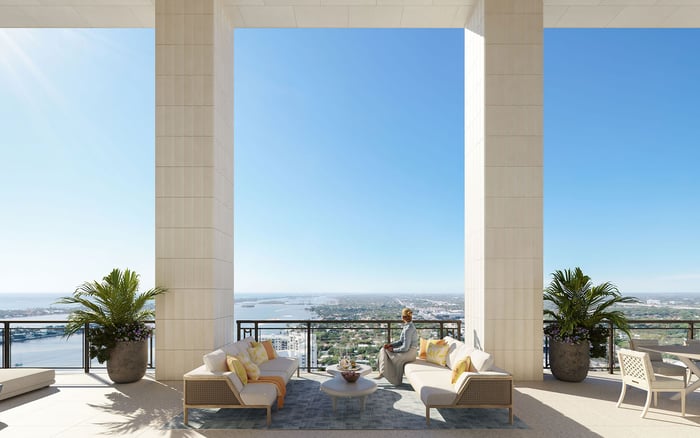
High-floors often attract New York buyers because they feel familiar: light, outlook, distance from the street, and a more elevated sense of retreat. Yet height alone is not privacy. A high-floor residence with a compromised elevator experience may feel less serene than a lower residence with a better arrival sequence.
Penthouse buyers should be especially disciplined. Ask whether the elevator opens directly, semi-directly, or through a shared vestibule. Understand how guests are announced. Confirm how staff access is handled during events, service visits, and seasonal occupancy. The more prominent the home, the more important it is that the building can protect ordinary routines from unnecessary visibility.
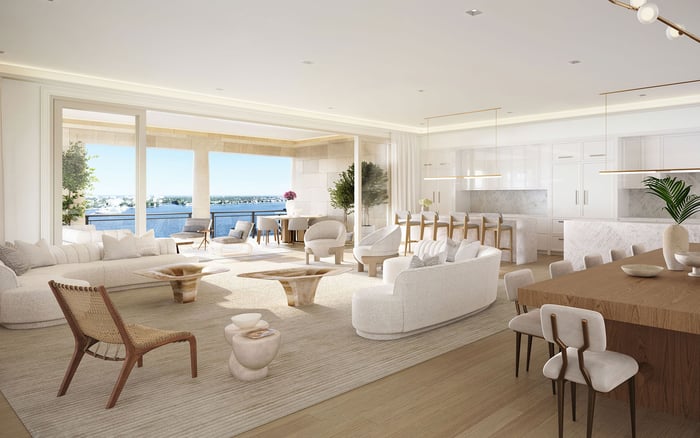
New-construction can be compelling because buyers may have the opportunity to study plans, finishes, and amenity positioning early. Still, controlled arrival should not be assumed. A refined rendering of a lobby says little about the owner’s everyday route. The question is not only whether the building looks luxurious, but whether it behaves intelligently.
Consider how a residence such as Mr. C Residences West Palm Beach fits into a buyer’s personal rhythm. Will it serve as a primary home, seasonal residence, or pied-à-terre? Will household staff be present? Will adult children visit frequently? Will the owner entertain often, or value near invisibility? The answers should guide the plan, not the other way around.
Controlled arrival is not about withdrawal. It is about choice. A buyer may want to be social at dinner, present at cultural events, and connected to Palm Beach life, while still preserving privacy at home. The best buildings allow that duality. They give residents the option to engage without making engagement unavoidable.
For buyers considering The Ritz-Carlton Residences® West Palm Beach, or any other highly serviced residence, the key is to evaluate service as architecture. Staff presence should feel polished, not intrusive. Security should feel assured, not heavy. The arrival should feel hosted, not exposed.
Before choosing, rank the daily moments that matter most. If privacy after travel is critical, emphasize garage, valet, luggage, and elevator access. If entertaining is frequent, study guest arrival and catering circulation. If the home will be seasonal, ask how the building manages absences, deliveries, maintenance, and owner return. If the residence is for a family transitioning from New York, test how the building handles children, pets, drivers, and multiple generations arriving at different times.
The right West Palm Beach home should feel less like a compromise between city convenience and private estate living, and more like a carefully edited hybrid. Private elevators may be the headline, but controlled arrival is the quiet luxury that shapes every day.
Is a private elevator always necessary for a luxury West Palm Beach residence? Not always. A well-managed semi-private elevator and discreet circulation can sometimes feel more private than a direct elevator in a poorly organized building.
What should New York buyers inspect first during a showing? Start at the curb or garage, then follow the exact path to the residence. The arrival sequence reveals more than a brochure or floor plan.
How does controlled arrival differ from security? Security is about protection and access control. Controlled arrival is broader, encompassing privacy, service flow, guest handling, and the emotional tone of coming home.
Do high-floors guarantee more privacy? No. High-floors can improve outlook and separation from the street, but elevator design and circulation are just as important.
Should buyers prioritize waterfront views or private access? The best choice depends on lifestyle. A buyer who travels often may value a flawless arrival sequence as much as a view.
What questions should be asked about service entrances? Ask how vendors, packages, maintenance teams, caterers, and household staff move through the building. Separation of service paths can be essential.
Is new-construction better for controlled arrival? It can be, but only if the plans support it. Buyers should review the full arrival route, not just amenity images and interior finishes.
How important is valet design? Very important for buyers who want discretion. The valet experience should feel calm, efficient, and shielded from unnecessary public exposure.
Can a seasonal residence still require this level of scrutiny? Yes. Seasonal ownership often makes controlled arrival more important because returns, luggage, guests, and maintenance all need to feel effortless.
What is the simplest rule for choosing well? Choose the residence where privacy feels built into the routine, not added as an afterthought.
To compare the best-fit options with clarity, connect with MILLION.
If branded residences are on your mind — as a home or as an allocation — we would be glad to share what we are seeing, privately.
Begin a quiet conversation