A discreet buyer’s guide to assessing private dining, hosting infrastructure, service culture, guest flow, and long-term entertaining value before purchasing in Hallandale Beach.
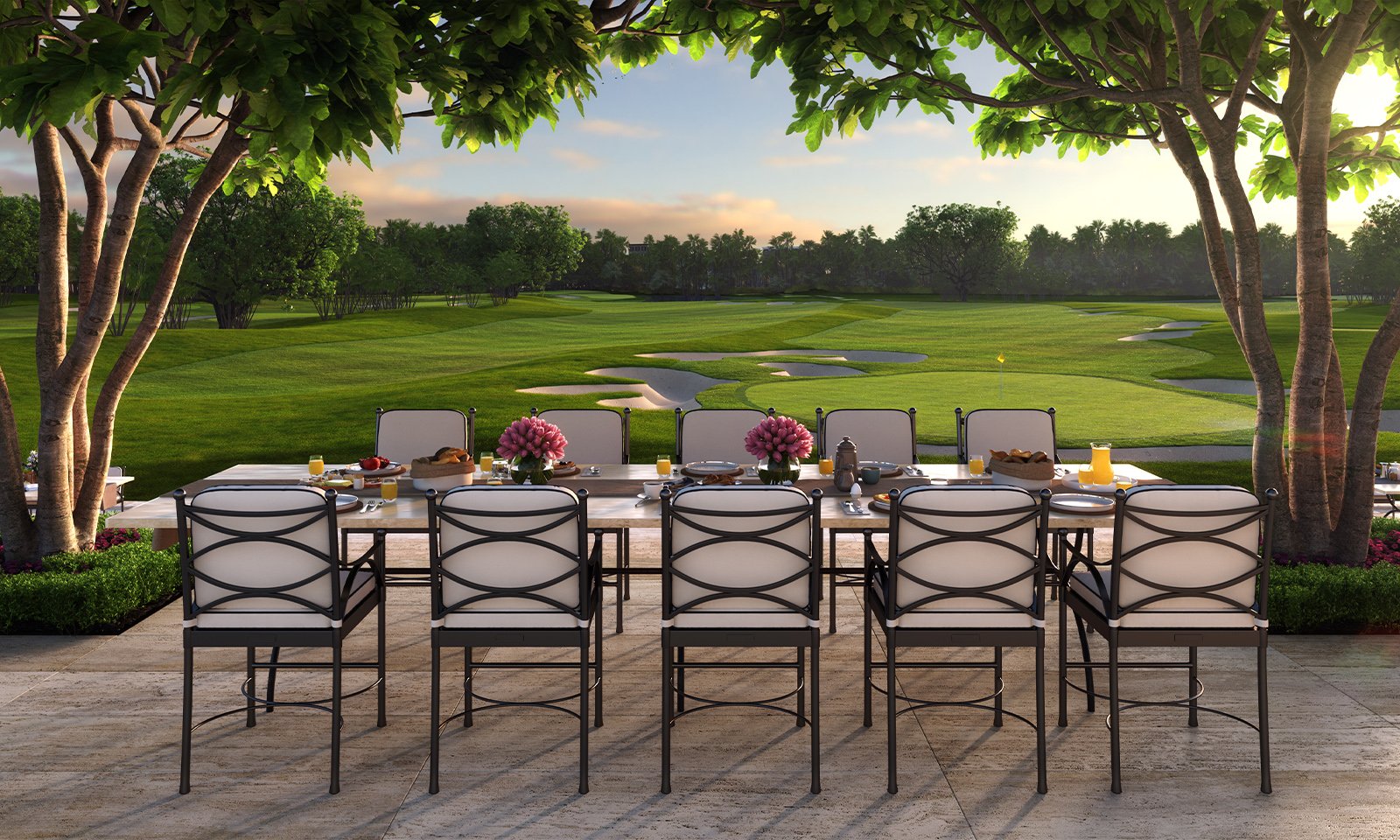
For many luxury buyers, private dining is no longer a decorative amenity. It is part of how a residence performs. In Hallandale Beach, where waterfront living, seasonal guests, and easy access to neighboring enclaves shape the rhythm of ownership, buyers should evaluate entertaining support with the same discipline they bring to views, finishes, and floor plan.
The first question is personal: how do you host? A couple who prefers quiet, chef-prepared dinners needs a different support system than an owner who entertains twenty guests after a day on the water. A frequent traveler may value turnkey coordination, while a full-time resident may care more about storage, guest arrival, and the ability to repeat events without friction. This is where lifestyle analysis becomes practical rather than abstract.
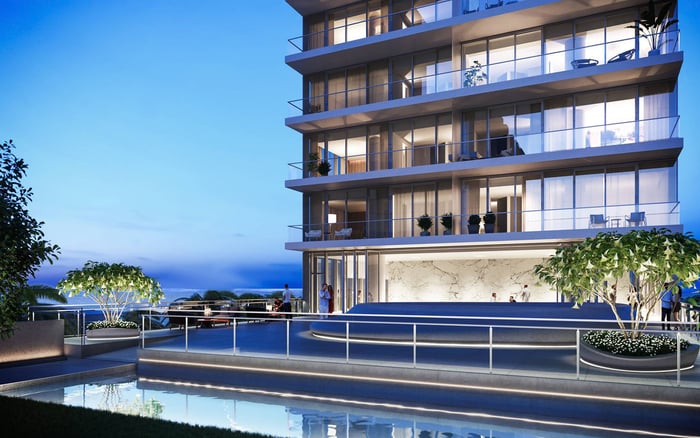
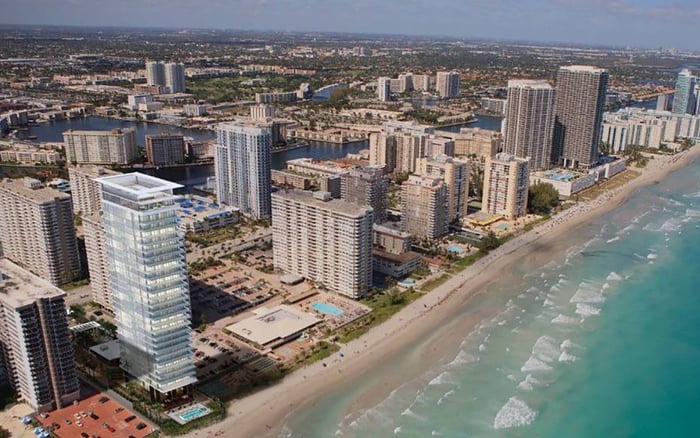
Properties such as 2000 Ocean Hallandale Beach and Shell Bay by Auberge Hallandale naturally invite buyers to think beyond the apartment itself. The question is not simply whether a building feels elegant. It is whether the residence, staff protocols, and shared spaces can support the hospitality you expect to deliver.
A home may photograph beautifully and still be difficult to entertain in. Before purchasing in Hallandale Beach, walk the residence as if guests were arriving in real time. Where are they greeted? Does the entry create a sense of arrival, or does it open directly into a work zone? Can a caterer move between kitchen, service area, terrace, and dining space without interrupting conversation?
Kitchen placement matters. So do secondary prep areas, pantry storage, wine storage, refuse routes, and the distance from service elevators. In larger residences, the most refined entertaining often depends on what guests never see: staging space, quiet staff circulation, and enough separation between preparation and presentation.
Terraces deserve the same scrutiny. Oceanfront and waterfront residences may offer dramatic outdoor settings, but buyers should evaluate usable depth, shade, wind exposure, lighting, outlet placement, furniture layouts, and the ability to serve food without turning the evening into a logistical exercise. A spectacular view is valuable. A view that supports dinner, cocktails, and conversation is more valuable still.
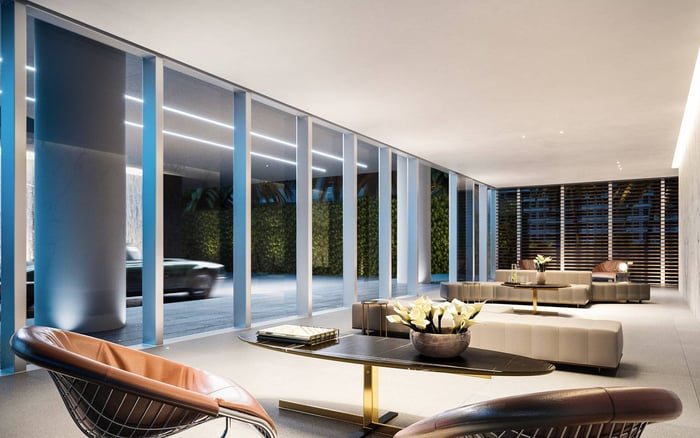
Private dining rooms can vary widely in purpose. Some are ceremonial spaces used only occasionally. Others function as true extensions of the residence. Buyers should ask how the room is reserved, how often it is used, whether outside chefs are permitted, whether alcohol service is restricted, and whether setup and cleanup are handled by staff or by the owner’s vendors.
Ask to see the room at the time of day you would use it. A room that feels serene at noon may feel very different during peak evening hours. Listen for sound transfer, elevator proximity, and traffic from other amenity areas. Study lighting, ceiling heights, table capacity, kitchen adjacency, restroom access, coat storage, and the quality of the service entry. These details are not minor. They determine whether private dining feels gracious or improvised.
In Hallandale, buyers often compare local service expectations with those in nearby markets. A buyer considering Four Seasons Hotel & Private Residences Fort Lauderdale or Bentley Residences Sunny Isles may use those comparisons to clarify what level of hospitality, staffing, and privacy feels appropriate. The goal is not to chase a brand name. It is to understand what the building can consistently execute.
Luxury entertaining most often fails in the operational layer. Before falling in love with a dining room, ask direct questions. What is the reservation window? Are blackout dates common? Are there guest limits? Are deposits required? Are outside vendors approved in advance? Can an owner bring a private chef, sommelier, florist, or event planner? What insurance documentation is required? Are there corkage, cleaning, staffing, or security fees?
Buyers should also understand how the building handles deliveries. Catering, floral installations, rental furniture, wine shipments, and valet volume can all affect an event. If the loading area is constrained or the service elevator schedule is rigid, the owner may inherit stress that should have been identified during due diligence.
For a second-home buyer, the most important question may be whether the property can prepare the residence before arrival. That includes stocking, table setup, vendor access, climate control, housekeeping, and post-event reset. True entertaining support is not limited to the night of the dinner. It begins before the owner lands and continues after the last guest leaves.
The best private entertaining feels effortless because privacy has been designed into the experience. Buyers should evaluate how guests move from valet or lobby to the residence or amenity area. Are they directed discreetly? Is there a waiting area? Does the path expose residents to unnecessary traffic? Can security verify arrivals without making the experience feel transactional?
Acoustics are equally important. A dining room near a pool deck, lounge, or children’s area may be lively, which is not always ideal for formal dinners. Inside the residence, hard surfaces, double-height spaces, and open kitchens can amplify sound. Before purchasing, buyers should stand in the dining area, terrace, primary suite, and neighboring rooms to understand how music and conversation carry.
Privacy also includes visual exposure. Terraces, amenity decks, and waterfront spaces may be visible from neighboring towers or public-facing areas. For some owners, that energy is part of the appeal. For others, discretion is the essence of luxury.
Entertaining support can influence resale appeal because it speaks to daily ease. A residence that hosts well often lives well. The same features that support a dinner party, including generous circulation, storage, indoor-outdoor flow, and service access, also support family visits, holiday stays, and quiet evenings at home.
This is why private dining belongs in serious buyer guidance for high-end South Florida property. It is not a niche concern. It is a test of how completely a building understands its residents. In Hallandale Beach, where buyers may weigh oceanfront drama against convenience, privacy, and service, the most compelling purchase is often the one that aligns architecture with real behavior.
A disciplined buyer should leave every showing with a practical answer to one question: if I hosted dinner here next week, what would be effortless, and what would require negotiation? The answer will reveal more than any brochure ever could.
Should private dining influence a Hallandale Beach purchase decision? Yes. For buyers who host regularly, private dining support can affect convenience, privacy, and long-term enjoyment.
What should I ask about a building’s private dining room? Ask about reservations, guest limits, vendor rules, staffing, fees, setup, cleanup, and how often the space is used.
Is an in-residence dining area more important than a shared dining room? Both matter. The residence should function beautifully for everyday hosting, while shared spaces should add capacity and service flexibility.
How do I evaluate a terrace for entertaining? Look at usable depth, wind, shade, lighting, outlets, furniture placement, and the route from kitchen to outdoor seating.
Why does service elevator access matter? It can determine whether caterers, florists, and event staff can work discreetly without disrupting guests or residents.
Should I ask about outside chefs and vendors? Absolutely. Some buildings may require approvals, insurance documents, scheduling rules, or preferred vendor coordination.
How can I judge privacy during a showing? Walk the guest arrival path, study sightlines, listen for sound transfer, and visit at the time of day you expect to host.
Are entertaining needs different for second-home owners? Yes. Remote preparation, stocking, housekeeping, vendor access, and post-event reset may be especially important.
Can entertaining support affect resale appeal? It can. Homes with strong flow, storage, service access, and flexible gathering areas often appeal to a wider luxury audience.
What is the best way to shortlist comparable options for touring? Start with location fit, delivery status, and daily lifestyle priorities, then compare stacks and elevations to validate views and privacy.
When you're ready to tour or underwrite the options, connect with MILLION.
If branded residences are on your mind — as a home or as an allocation — we would be glad to share what we are seeing, privately.
Begin a quiet conversation