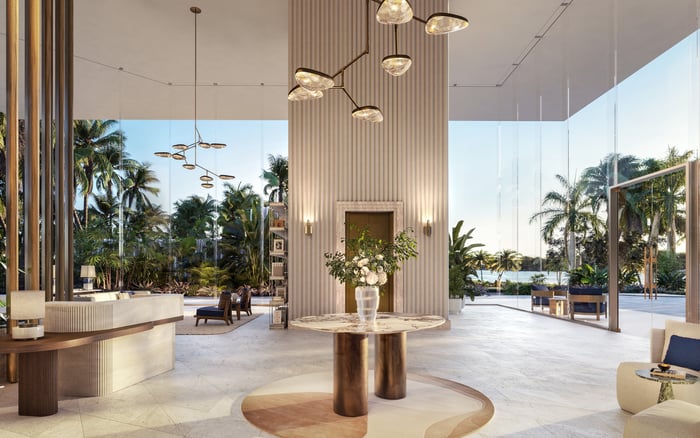
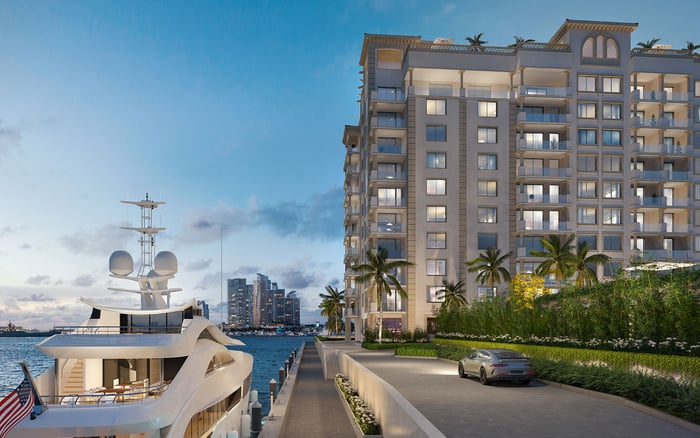
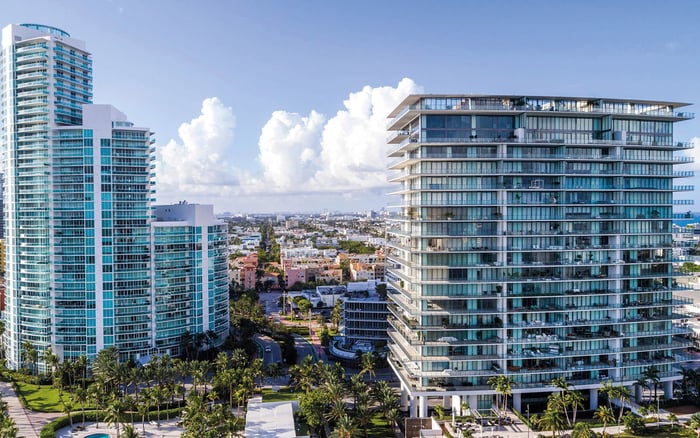
Faena House Miami Beach and The Perigon Miami Beach frame a key evolution in ultra-luxury ownership: the move from amenity-rich condominium living toward discreet, service-led residential platforms shaped around privacy, programming, and turnkey ease.
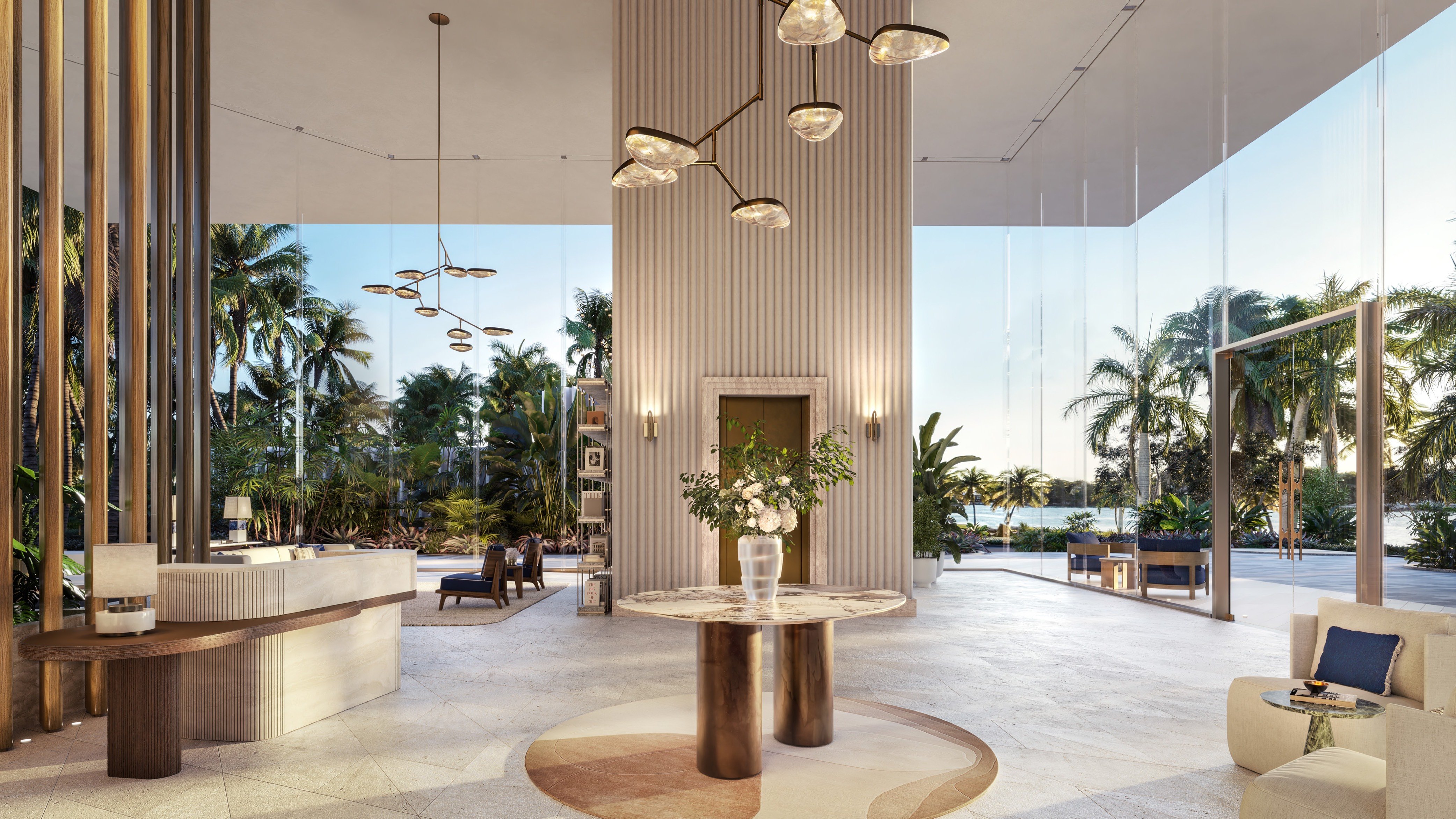
For years, Miami Beach luxury was defined by the visible language of real estate: oceanfront position, architectural pedigree, generous terraces, polished stone, and views running from sunrise to city lights. Those elements still matter. At the highest end of the market, however, they no longer tell the full story.
The more revealing question is operational: how does the building live after the purchase is complete? In that sense, Faena House Miami Beach and The Perigon Miami Beach form a useful before-and-after study. One helped establish a hospitality-inflected model of condominium ownership. The other reflects a newer expectation that service, privacy, and lifestyle management should be embedded into the residential experience from the outset.
Together, they show how Miami Beach has moved from amenity-led competition to service-led ownership, where the true premium lies not only in what a residence contains, but in how completely it supports the owner’s life.
Faena House Miami Beach occupies an important place in the evolution of service-led ownership because its value proposition is inseparable from the broader Faena environment. The building is not simply a private oceanfront address with elevated finishes. It is part of a hospitality and cultural ecosystem where design, service, programming, and brand atmosphere reinforce the residential experience.
That distinction helped shift buyer perception. Rather than treating amenities as isolated add-ons, Faena House connected private ownership to a curated lifestyle infrastructure. The appeal was not limited to a pool, lobby, or fitness offering. It was the sense that residence, service, culture, and hospitality could operate together as a larger platform.
This was especially influential in the mid-2010s evolution of Miami Beach luxury, as buyers began placing greater value on hotel-grade operations and personalized support. Faena House suggested that a condominium could feel less like a conventional building and more like a private hospitality environment, without giving up the permanence and control of ownership.
The Perigon Miami Beach represents a later stage in the same movement. Rather than relying primarily on a district-level brand ecosystem, it is positioned as a new-generation oceanfront residential development on Collins Avenue with hospitality-style operations embedded into a purely residential format.
That distinction matters because today’s ultra-luxury buyer often expects service as a baseline, not a bonus. Concierge-level support, privacy, and turnkey living are no longer perceived as decorative enhancements. They are part of the practical architecture of ownership, especially for buyers who divide time between multiple homes, travel frequently, or want a residence that functions seamlessly whether they are present or away.
In this model, service is planned from the ground up. The Perigon speaks to a more resident-exclusive interpretation of luxury, centered on convenience, privacy, and lifestyle management rather than association with a broader public-facing hospitality district. It is less about being connected to a scene and more about having a highly controlled residential environment that anticipates daily needs.
The difference between amenity-led and service-led ownership can be subtle, but it is decisive. Amenities are things a building provides. Operations determine how those things work, who manages them, and how consistently they support the resident experience.
A beautiful amenity can impress on a first tour. A well-run service platform proves itself over time. It governs arrival, privacy, reservations, maintenance coordination, household support, and the rhythm of daily living. For high-net-worth owners, that operational layer can be as valuable as the residence itself because it reduces friction.
This is why Faena House and The Perigon are best understood as markers of a broader value shift. The former showed how cultural programming and hospitality identity could elevate the condominium model. The latter reflects a market in which service is expected to be resident-specific, discreet, and designed into the building’s daily logic.
Other Miami Beach addresses also sit within this larger conversation. Buyers studying the service question may compare the character of Shore Club Private Collections Miami Beach and The Ritz-Carlton Residences® Miami Beach not simply by architecture, but by how each residential environment supports a particular pattern of living.
Oceanfront ownership in Miami Beach has always carried scarcity. What is changing is how buyers evaluate that scarcity. The view and beach access remain central, but the premium is increasingly tied to the experience around them. A residence must feel effortless, protected, and personally responsive.
That is where lifestyle becomes a measurable form of value. The owner who wants privacy may prioritize controlled access and discreet staff culture. The seasonal resident may value turnkey oversight. The globally mobile buyer may care less about a long menu of amenities and more about whether the building can manage complexity with grace.
This is also why branded residences and service-forward private condominiums have become part of the same high-end discussion, even when their structures differ. The shared theme is trust. Buyers want confidence that the building’s operating culture will match the caliber of the real estate.
For buyers, the Faena House and The Perigon comparison is not about choosing an old model versus a new one. It is about understanding two different expressions of service-led value.
Faena House draws strength from context. Its residential identity is supported by a larger cultural and hospitality environment, which can be compelling for owners who value energy, design, programming, and the atmosphere of a recognizable district. Its influence lies in proving that residential luxury could be elevated by a broader lifestyle ecosystem.
The Perigon, by contrast, emphasizes a more self-contained residential service platform. Its appeal is tied to privacy, convenience, and the expectation that hospitality-level living can be delivered inside a dedicated residential setting. For buyers seeking a quieter, more controlled form of Miami Beach luxury, that distinction is meaningful.
The larger lesson is clear: in the ultra-premium tier, service is no longer ancillary. It is part of the asset. The buildings that resonate most strongly with sophisticated buyers are those that treat operations, privacy, and lifestyle support as core design principles.
What is service-led ownership in Miami Beach? It is a model in which private condominium ownership is supported by hospitality-style service, lifestyle programming, privacy, and operational ease.
Why is Faena House Miami Beach important to this trend? Faena House helped show how a luxury residence could be strengthened by a broader hospitality and cultural ecosystem rather than by amenities alone.
How is The Perigon Miami Beach different? The Perigon reflects a newer model in which service is built into a dedicated residential platform focused on privacy, convenience, and turnkey living.
Does service-led ownership replace traditional amenities? No. It reframes amenities as part of a larger operating culture, where execution and consistency matter as much as the physical spaces.
Why do ultra-luxury buyers care about operations? Operations shape the daily experience of ownership, from arrival and privacy to coordination, maintenance, and lifestyle support.
Is this trend limited to branded residences? No. Branded residences are part of the conversation, but private residential buildings can also deliver highly developed service platforms.
What kind of buyer is drawn to this model? It often appeals to buyers who travel frequently, own multiple homes, value discretion, or want a residence that lives effortlessly year-round.
Does oceanfront location still matter? Yes. Oceanfront location remains central in Miami Beach, but service quality increasingly shapes how buyers judge long-term value.
Is Faena House more lifestyle-oriented than The Perigon? Faena House is closely tied to a broader district and cultural identity, while The Perigon emphasizes a more resident-exclusive service environment.
What should buyers compare beyond floor plans? Buyers should study the building’s service philosophy, privacy standards, staffing culture, and how daily ownership will actually function.
For a discreet conversation and a curated building-by-building shortlist, connect with MILLION.
If branded residences are on your mind — as a home or as an allocation — we would be glad to share what we are seeing, privately.
Begin a quiet conversation