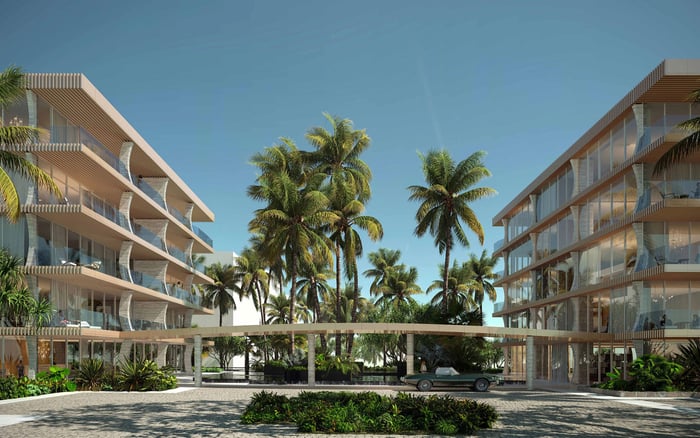
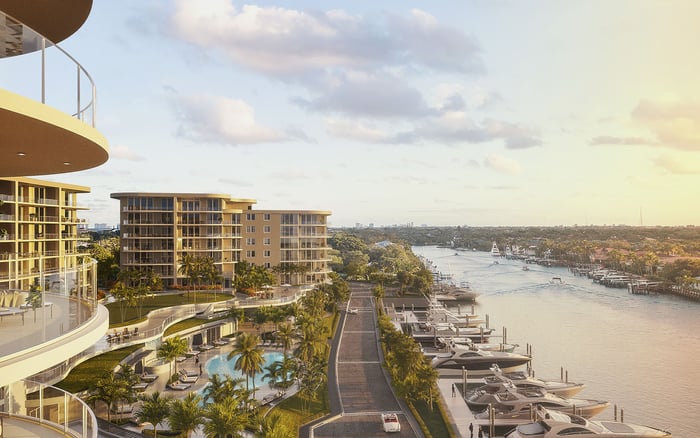
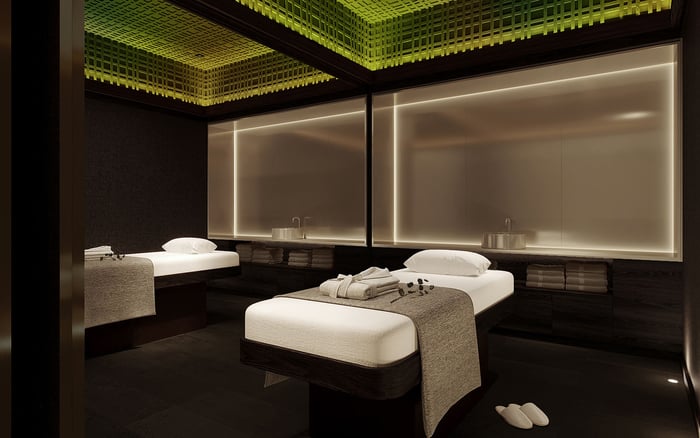
A discreet buyer’s guide to choosing a quieter West Palm Beach pied-à-terre, with emphasis on rhythm, privacy, waterfront orientation, service, and long-term livability.
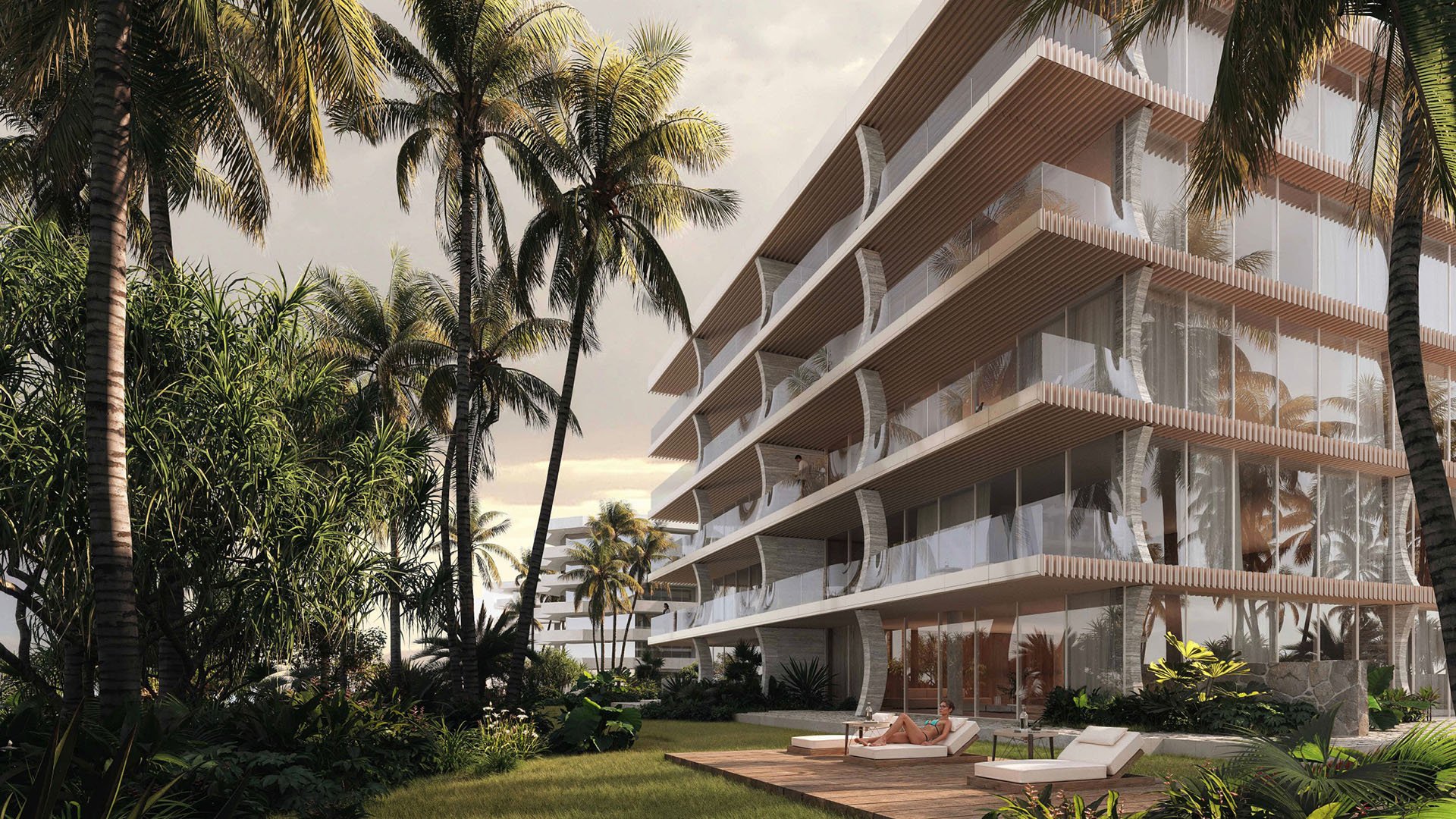
West Palm Beach holds particular appeal for buyers who want a South Florida address without organizing their lives around constant display. The city works best for those who value proximity, discretion, and ease: a place to arrive, exhale, and move through the day with intention. For the right buyer, the attraction is not simply a smaller residence or a seasonal base. It is a lifestyle edited to its essentials.
That distinction matters. A pied-à-terre is not a consolation prize for a larger estate elsewhere. At the upper end of the market, it is a highly considered instrument: lockable, beautiful, serviced, easy to maintain, and emotionally calm. It should support a recurring rhythm, whether that means a winter retreat, a weekday base, a family overflow residence, or a quieter complement to a primary home in Palm Beach, Miami, New York, London, or beyond.
The most successful West Palm Beach purchase is therefore not the loudest one. It is the one that feels effortless on the third visit, the thirtieth visit, and the day you decide to stay longer than planned.
The first question is not square footage. It is cadence. How often will you be in residence? Will you arrive alone, as a couple, with children, with staff, or with guests? Do you expect to cook, host, work, recover, or simply sleep between dinners and appointments? These questions sound simple, yet they determine almost everything: floor plan, storage, building scale, valet expectations, terrace importance, and the degree of amenity programming you will actually use.
A buyer who comes for two weeks at a time may prioritize a larger primary suite, gracious closets, and a kitchen that feels like a real kitchen. A buyer who arrives for long weekends may care more about a seamless arrival sequence, hotel-style service, and a residence that is always ready. A family using the home as a seasonal satellite may need flexible guest space and separation between sleeping areas. A collector, meanwhile, may think first about walls, light, humidity control, and privacy.
This is where West Palm Beach becomes compelling. It allows a buyer to design a residential pattern that is quieter than the most performative coastal enclaves, while still feeling connected to the broader South Florida luxury corridor.
For many pied-à-terre buyers, the Waterfront question is less about spectacle and more about orientation. Water views can create a daily sense of calm, but they also influence light, privacy, terrace use, and how a residence feels at different times of day. A view that reads dramatically in a sales gallery may matter less than the way morning light enters the living room or how protected the bedroom feels at night.
Residences along the Flagler Drive conversation, including South Flagler House West Palm Beach, speak to buyers who want a composed, residential atmosphere with a strong sense of place. The appeal is not merely visual. It is about having a home that feels anchored, legible, and easy to return to.
Urban convenience offers a different type of quiet. For some buyers, calm comes from not needing to over-plan. A building that places dining, wellness, services, and daily errands within a graceful routine can reduce friction more effectively than a larger residence in a more isolated setting. The quiet is operational rather than pastoral.
Boutique living can be especially persuasive for a pied-à-terre buyer. Smaller-feeling residential environments often appeal to those who do not want the energy of a large resort-style tower every time they return home. The ideal experience is discreet recognition, not constant social theater.
Still, Boutique does not automatically mean better. Buyers should look closely at lobby flow, elevator strategy, parking and arrival choreography, guest protocols, package handling, and how staff are trained to balance warmth with privacy. A building can be intimate yet inconvenient, or large yet remarkably serene. The better question is whether the building’s operating culture matches your tolerance for visibility.
Projects such as Alba West Palm Beach are part of the wider West Palm Beach conversation for buyers comparing scale, setting, and the feeling of daily use. The decision should be made less like a showroom tour and more like a rehearsal of an ordinary day: arrival, elevator, entry, coffee, work call, lunch, sunset, dinner, sleep.
A quiet pied-à-terre succeeds when it removes logistical resistance. Owners who use a residence intermittently need confidence that the home can be closed, opened, maintained, and enjoyed without becoming another management project. Service is therefore not a decorative amenity. It is the infrastructure that determines whether the residence becomes part of your life.
For some buyers, a branded or highly serviced environment may be appropriate, particularly when the residence must function with hotel-like consistency. The Ritz-Carlton Residences® West Palm Beach belongs in that consideration set for buyers who value a service-forward residential concept. Others may prefer a more residential, less branded atmosphere, provided the building still has the operational depth required for intermittent ownership.
The key is to avoid paying for services you will not use while underestimating the services you will miss. A pied-à-terre used six times a year can require more logistical finesse than a primary home used every day.
The best Second-home purchases in West Palm Beach are designed with permanence in mind, even if the owner is not present full time. Finishes should be resilient, storage should be realistic, and the floor plan should allow the owner to live normally rather than perform a vacation version of life. A beautiful home that cannot hold luggage, linens, sports equipment, files, or visiting family will eventually feel theatrical.
This is particularly important for buyers comparing New-construction options. Newness can be seductive, but the deeper question is how the residence will age as your use pattern evolves. Will a den become a guest room? Will a terrace be used for breakfast or only photographed? Will the building’s social energy still feel appealing after the novelty fades?
A project such as Mr. C Residences West Palm Beach may enter the discussion for buyers weighing lifestyle identity, service, and the balance between polished design and everyday practicality. The right choice is the one that supports continuity.
The West Palm Beach Lifestyle proposition is strongest when it is not overcomplicated. Buyers are often drawn to the possibility of a more measured day: coffee without a production, a walk without a plan, dinner without a long commute, and a residence that does not demand attention every hour. This is luxury as reduction, not accumulation.
That restraint should guide the search. Avoid buying for an imagined version of yourself that hosts constantly if your actual life is private. Avoid a sprawling plan if your stays are brief. Avoid a view premium if you are rarely home during daylight. Conversely, do not undersize the residence if you expect longer seasonal stays, remote work, or family visits.
The most intentional buyers are not trying to maximize every category. They are choosing the few things that will genuinely improve their time in South Florida, then protecting those priorities with discipline.
Before committing, walk through the residence at the times you expect to use it. Study sound, light, lobby energy, service posture, garage access, elevator wait, terrace comfort, and the emotional tone of the surrounding streets. Ask how the home will function when you are absent and how quickly it can feel ready when you return.
Review rules around guests, pets, rentals, deliveries, renovations, and staff access. Understand the building culture, not just the finishes. A pied-à-terre is unusually sensitive to friction because every inconvenience is compressed into limited time. If the first hour after arrival is graceful, the home will be used. If it is complicated, it will sit.
For buyers seeking a quieter West Palm Beach base, the prize is not anonymity for its own sake. It is the ability to belong to a place without being consumed by it.
Is West Palm Beach a good fit for a quieter pied-à-terre? Yes, for buyers who want a composed South Florida base with a more intentional daily rhythm and less emphasis on spectacle.
What should I prioritize first when choosing a pied-à-terre? Start with how you will use the residence: frequency, length of stay, guests, work needs, and desired level of service.
Is a Waterfront residence always the better choice? Not always. Water orientation can be calming, but convenience, privacy, light, and building operations may matter more for daily use.
Does Boutique living offer more privacy? It can, but only if the building’s arrival sequence, staffing, elevator plan, and resident culture support discretion.
Should I consider New-construction for a part-time residence? New-construction can be attractive, especially when it simplifies maintenance, but buyers should still evaluate long-term practicality.
How much service does a pied-à-terre really need? Enough to make intermittent ownership feel effortless. The right service platform keeps the home ready without overcomplicating ownership.
Can a Second-home in West Palm Beach work for longer stays? Yes, if the floor plan, storage, kitchen, and guest accommodations are designed for real living rather than occasional visits only.
How should I compare West Palm Beach with Palm Beach? Think in terms of rhythm and access. Each can serve a different version of privacy, convenience, and social presence.
What is the biggest mistake pied-à-terre buyers make? Buying for an imagined lifestyle instead of the way they actually travel, host, work, and rest.
When is the right time to begin a search? Begin when your use pattern is clear. A focused brief makes it easier to compare buildings, service levels, and layouts intelligently.
For a confidential assessment and a building-by-building shortlist, connect with MILLION.
If branded residences are on your mind — as a home or as an allocation — we would be glad to share what we are seeing, privately.
Begin a quiet conversation