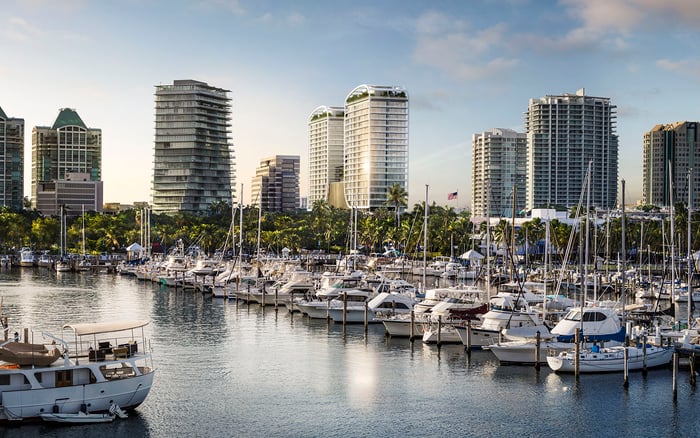
A discreet due diligence guide for Grove Isle buyers assessing seawall ownership, maintenance obligations, assessments, permitting, insurance, and engineering risk before closing.
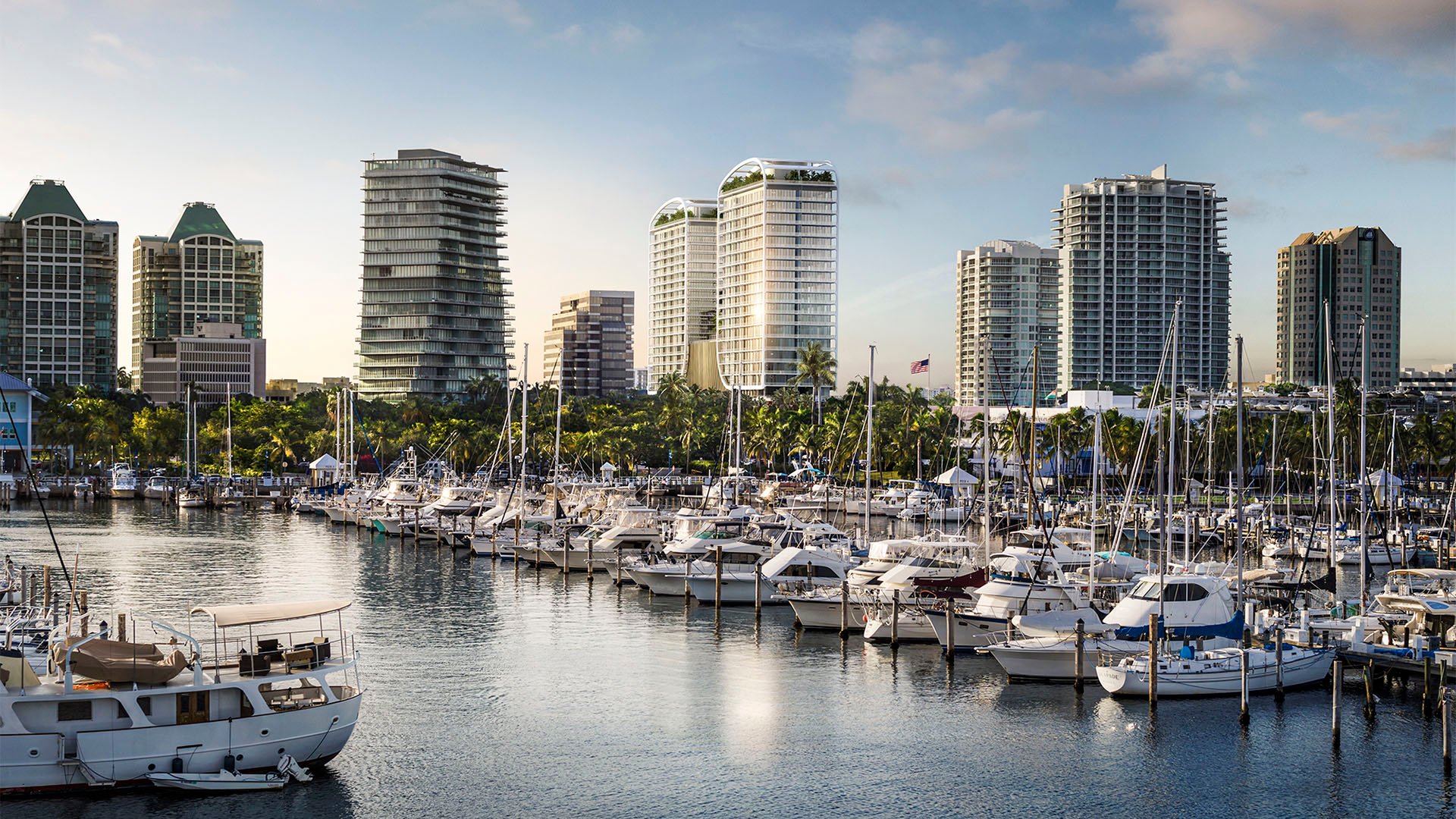
On Grove Isle, the water is not simply scenery. It is part of the asset, part of the maintenance burden, and, at times, part of the negotiation. Before buying luxury real estate on this private island off Coconut Grove, a buyer should understand who owns, maintains, insures, repairs, and pays for the seawall. Those are not always the same question.
A seller may describe the seawall as an association matter. A broker may frame it as part of the broader waterfront lifestyle. A buyer may assume that any perimeter structure beside Biscayne Bay is automatically a common expense. None of those assumptions should survive document review. The controlling answer is usually found in recorded instruments, association records, permit history, budgets, reserves, engineering materials, and the purchase contract.
That is especially important as Grove Isle continues to attract buyers comparing established island residences with new-generation projects such as Vita at Grove Isle, as well as nearby Coconut Grove offerings including Park Grove Coconut Grove and Four Seasons Residences Coconut Grove. The more refined the waterfront purchase, the more precise the questions should become.
The first question is deceptively simple: how is the seawall defined in the governing documents? A buyer should ask whether it is described as a common element, limited common element, association asset, easement area, owner-maintained improvement, or something else entirely.
That distinction matters because ownership, maintenance duty, emergency repair authority, insurance responsibility, and cost allocation can each be governed differently. A seawall may sit near a unit, benefit the entire property, protect a marina edge, or exist within an easement area. The documents may treat those concepts separately.
Before relying on informal descriptions, request the recorded condominium declaration, amendments, plats, easements, covenants, shoreline agreements, and any documents that touch the waterfront perimeter. Review legal descriptions and parcel records to confirm where unit property ends, where association property begins, and whether a separate association parcel or ownership entity controls the shoreline edge.
For resale buyers, this is not a ceremonial exercise. It is the foundation for a written responsibility matrix identifying who owns the wall, who maintains it, who can approve repairs, who pays routine costs, who pays emergency costs, and whether any allocation changes for units closest to the water.
Once the documents define the seawall, the next step is to test whether the association record tells a different practical story. Ask the seller and association for budgets, financial statements, contracts, bids, insurance policies, board minutes, engineering reports, inspection materials, and governance records.
Board minutes are especially useful. Look for discussion of cracking, settlement, erosion, flooding, consultant proposals, permitting, litigation, special assessments, storm damage, drainage concerns, cap deterioration, or shoreline stabilization. A single passing reference may matter less than a pattern of repeated discussion.
The budget and reserve schedule should be reviewed with equal care. Does the association fund seawall repair or replacement? Is coastal protection included, partially funded, or excluded? Are drainage improvements or marina-edge work addressed separately? If reserves do not clearly capture seawall exposure, the buyer should ask whether future costs would be handled through regular assessments, special assessments, loans, or another mechanism.
The key luxury-buyer question is not only whether the building is beautifully managed. It is whether major waterfront infrastructure has been priced, planned, and governed with the same discipline as the visible amenities.
One of the most common mistakes in waterfront condominium diligence is merging ownership and payment into a single concept. The declaration may define the seawall one way, while the expense provisions allocate costs another way. Future seawall work may be treated as a common expense shared by all owners, allocated by percentage interest, assigned to certain benefited areas, or addressed under a more specific provision.
A buyer should also confirm whether unpaid or future assessments for seawall work could become liens against the unit after closing. That question should be answered in writing before contingency deadlines expire. It is not enough to ask whether an assessment has already been formally approved. Buyers should also ask whether engineering work, bids, or board discussions suggest a material future obligation.
This is where a Grove Isle purchase differs from a generic condominium review. Biscayne Bay adds a capital-infrastructure layer that can affect liquidity, carrying costs, insurance posture, and long-term ownership comfort.
A polished lobby and a serene bay view cannot answer structural questions. Ask whether the seawall has been evaluated by a qualified coastal or structural engineer for corrosion, tie-back condition, cap deterioration, settlement behind the wall, drainage failure, overtopping, and remaining useful life.
The review should not stop at whether the wall is standing. It should address how it performs during king tides, heavy rainfall, storm surge conditions, and ordinary tidal cycling. If a recent engineering report exists, the buyer should ask whether recommended repairs were completed, deferred, priced, or incorporated into reserves.
Properties along Biscayne Bay also warrant a broader resilience lens. Buyers should verify the flood zone, mapped flood hazard, and base flood elevation. They should review sea-level-rise and tidal-flooding exposure, then use those findings to frame engineering questions about seawall height, drainage design, future cap raising, and adaptation planning.
This kind of review is also relevant for buyers touring The Well Coconut Grove or Mr. C Tigertail Coconut Grove, even when the precise waterfront conditions differ. In Coconut Grove, water proximity is part of the appeal, but it also demands disciplined diligence.
Before assuming an existing seawall height, condition, or repair method is acceptable, buyers should ask whether applicable code requirements may affect current or future work. They should also ask whether seawall repair, replacement, cap raising, drainage work, dock work, or shoreline stabilization has already been permitted by the relevant local, county, state, or federal authorities.
Permitting questions should include open permits, expired permits, completed permits, violations, pending applications, and consultant correspondence. Shoreline, dredging, mangrove, wetland, coastal, submerged-land, and marine construction activities can trigger different layers of review. A buyer does not need to become a permitting expert, but the buyer’s team should know whether the next repair is straightforward or potentially complex.
Insurance deserves its own conversation. Ask an insurance adviser whether association and unit policies address seawall damage, land movement, erosion, flooding, storm surge, and assessment exposure. Standard flood coverage is generally focused on building and contents coverage, so the buyer should not assume that a seawall failure or related assessment is neatly covered.
The purchase contract should give the buyer enough time and leverage to evaluate seawall exposure. Consider contingencies for association document review, engineering review, open-permit review, assessment review, insurance review, and the right to cancel or renegotiate if the exposure is material.
The strongest position is to obtain a written responsibility matrix before waiving contingencies. That matrix should identify documents reviewed, maintenance obligations, reserve treatment, assessment risk, known engineering concerns, permits, insurance limitations, and any unresolved questions. For a luxury buyer, this is less about anxiety than control. The goal is to enter ownership with clarity, not surprise.
Buyer guides often focus on design, privacy, views, and service. On Grove Isle, the seawall belongs in that same conversation. It is part of the architecture of ownership, even when it sits below the sightline.
Is seawall responsibility always an association expense on Grove Isle? Not necessarily. The answer depends on the recorded declaration, amendments, plats, easements, and expense-allocation provisions.
What is the first document a buyer should request? Start with the current condominium declaration and all recorded amendments, then compare those terms with plats, easements, and association records.
Why do board minutes matter? They may reveal discussion of cracking, settlement, erosion, flooding, engineering proposals, litigation, permitting, or special assessments.
Should reserves include seawall repair? Buyers should check whether the reserve schedule funds seawall repair, replacement, coastal protection, drainage, or marina-edge work.
Can future seawall costs become a lien against the unit? If costs are assessed and unpaid, assessment obligations may create lien exposure, so buyers should confirm the risk before closing.
Is a visual inspection enough? No. A qualified engineer should evaluate corrosion, tie-backs, cap condition, settlement, drainage, overtopping, and remaining useful life.
Do permits matter if no work is happening now? Yes. Prior, open, expired, or pending permits can affect cost, timing, compliance, and future repair strategy.
Does flood insurance cover seawall damage? Buyers should not assume it does. Insurance advisers should review seawall damage, erosion, flooding, storm surge, and assessment exposure.
Should sea-level rise be part of the review? Yes. Long-term tidal flooding and inundation exposure should frame questions about seawall height, drainage, and adaptation.
What should a buyer secure before waiving contingencies? A responsibility matrix, engineering review, reserve analysis, permit review, insurance review, and written assessment clarity are essential.
When you're ready to tour or underwrite the options, connect with MILLION.
If branded residences are on your mind — as a home or as an allocation — we would be glad to share what we are seeing, privately.
Begin a quiet conversation